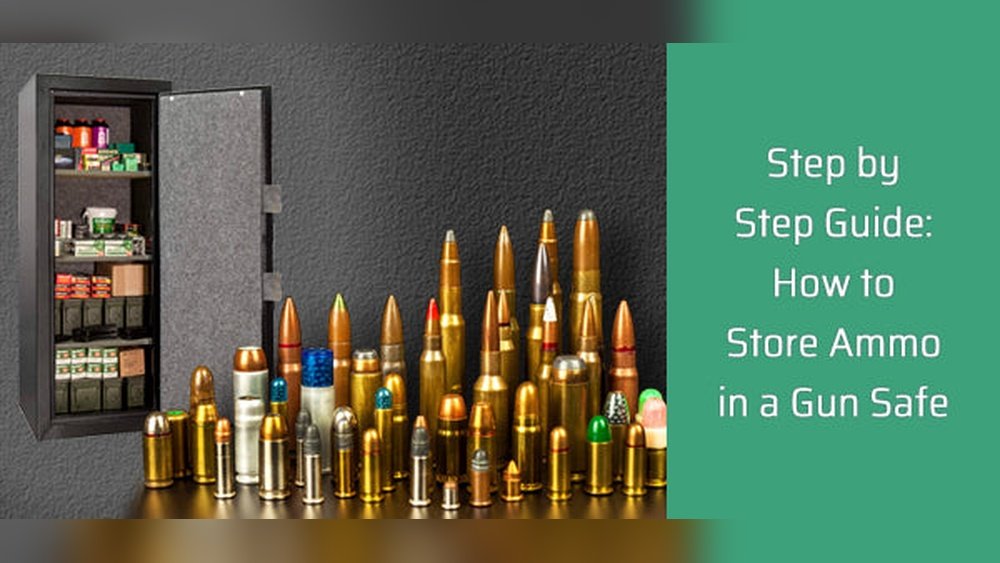
Are you thinking about storing your shotgun shells in the basement but aren’t sure if it’s safe? You’re not alone.
Many gun owners wonder if their ammo will stay in good condition or if it could become a hazard down there. The truth is, where and how you store your shotgun shells can make a big difference in safety and performance.
You’ll learn what experts say about basement storage, what risks to watch out for, and simple steps you can take to protect your ammo—and yourself. Keep reading to make sure your shotgun shells are stored the right way.
Risks Of Basement Storage
Storing shotgun shells in a basement carries several risks. Basements often have conditions that can harm ammunition. Understanding these risks helps keep your shells safe and usable.
Moisture And Corrosion
Basements tend to be damp. Moisture can seep into shotgun shells over time. This causes corrosion on metal parts. Corroded shells may fail to fire or become unsafe. Proper sealing is essential to prevent moisture damage.
Temperature Fluctuations
Basements often have unstable temperatures. Heat and cold changes can affect shell quality. Frequent temperature shifts may cause powder to degrade. This impacts the reliability and safety of the shells. A controlled environment is better for storage.
Pest Infestations
Basements can attract pests like rodents and insects. Pests may chew on shell casings or packaging. This can damage shells and make them unusable. Keeping pests away is important to protect your ammunition.
Ideal Storage Conditions
Storing shotgun shells properly is important for safety and performance. The right conditions help keep shells stable and ready for use. Basements can be tricky because of temperature and moisture changes. Understanding ideal storage conditions will protect your shells from damage.
Temperature Control
Keep the temperature steady between 50°F and 70°F. Avoid extreme heat or cold. High heat can weaken the gunpowder inside shells. Cold can cause condensation, leading to moisture problems. Use a thermostat if needed to keep the temperature stable.
Humidity Levels
Maintain low humidity around 40% to 50%. High humidity causes rust on metal parts and damages the shell casing. Use a dehumidifier to reduce moisture in the basement. Silica gel packs can help absorb small amounts of moisture inside storage containers.
Ventilation Needs
Good airflow prevents dampness and mold growth. Basements with poor ventilation trap moisture, harming the shells. Open vents or install a small fan to circulate air. Avoid storing shells near water pipes or damp walls.
Safe Storage Practices
Safe storage practices protect shotgun shells from damage and danger. Proper care keeps ammunition dry, secure, and stable. Following safety tips helps prevent accidents and extends shelf life.
Storing shotgun shells in a basement needs careful planning. Moisture, temperature changes, and pests can harm ammunition. Using the right storage methods avoids these risks.
Use Of Airtight Containers
Airtight containers block moisture and dust from reaching shells. Plastic or metal containers with tight seals work best. These containers keep shells dry and prevent corrosion.
Clear containers let you check ammo without opening them. Label each container to find shells quickly. Avoid storing shells in open boxes or bags.
Elevated Storage Solutions
Raise containers off the basement floor to avoid water damage. Shelves or pallets keep shells away from damp surfaces. Elevation reduces the chance of rust and mold.
Ensure shelves are sturdy and secure. Avoid stacking heavy items on top of ammo containers. Keep the storage area clean and organized for safety.
Fireproof Storage Options
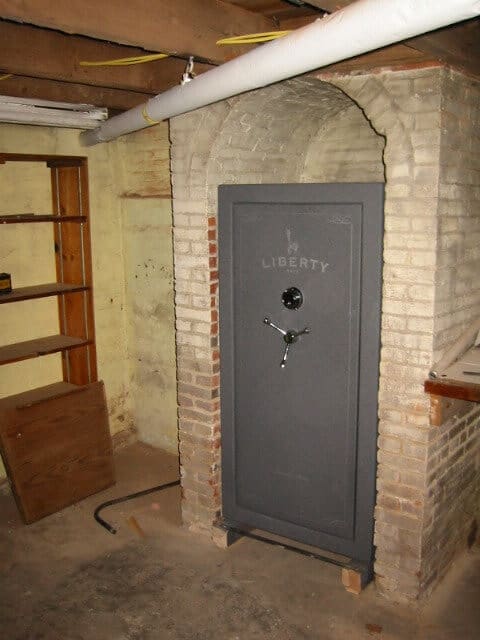
Use fireproof safes or cabinets for extra protection. These containers resist heat and flames during a fire. Fireproof storage adds a strong layer of safety.
Choose safes designed for ammunition storage. Check for good ventilation to prevent moisture buildup. Store only the amount of ammo you need.

Handling And Accessibility
Storing shotgun shells in a basement requires careful handling and easy access. Proper care keeps the shells safe and ready for use. It also prevents accidents and damage. Organizing and managing your shells correctly makes your storage safer and more efficient.
Proper Labeling
Label each box or container clearly. Use large, readable letters for the type and size of shells. Mark the date of purchase or expiration if possible. Proper labeling helps you find the right shells quickly. It also prevents mixing different types, which can be dangerous.
Avoiding Physical Damage
Store shells in sturdy containers to protect them from impacts. Avoid stacking heavy items on top of the shells. Keep them away from moisture and extreme temperatures. Physical damage can cause misfires or failure. Treat your shotgun shells gently to maintain their quality.
Safe Access Procedures
Keep your shotgun shells in a secure, locked area. Limit access to responsible adults only. Always handle shells with clean, dry hands. Open containers carefully to avoid spilling or dropping shells. Follow safety rules strictly to prevent accidents during retrieval.
Legal And Regulatory Considerations
Storing shotgun shells in a basement requires careful attention to legal and regulatory rules. These rules help keep storage safe and prevent accidents. Understanding these laws protects you and others around you. It also ensures you follow the rules set by authorities and manufacturers. Below are key points about legal and regulatory considerations.
Local Storage Laws
Each place has different rules about storing ammunition. Some areas limit the amount you can keep at home. Others require locked containers or specific storage conditions. Check local laws before storing shells in your basement. Ignoring these laws can lead to fines or legal trouble. Local authorities or police departments can provide clear guidelines.
Manufacturer Guidelines
Manufacturers provide safety instructions for storing shotgun shells. These rules often include temperature and humidity limits. Proper storage helps keep the shells stable and safe to use. Follow these guidelines to avoid damage or accidents. Manufacturers also warn against mixing different types of ammunition. Always read the manual or packaging for detailed advice.
Insurance Implications
Insurance policies may have rules about ammunition storage. Improper storage could void your homeowner’s insurance. Some policies require locked storage or fireproof containers. Inform your insurer if you store large amounts of ammunition. Clear communication helps avoid problems during claims. Insurance experts can advise on the best storage practices.
Emergency Preparedness
Emergency preparedness is vital for every home. Storing shotgun shells in a basement can raise safety concerns. Preparing for emergencies helps protect your family and property. Proper safety measures reduce risks during unexpected events. Understanding fire safety, flood prevention, and evacuation plans is key.
Fire Safety Measures
Fire safety is critical when storing shotgun shells. Keep shells in a cool, dry place. Avoid storing near heaters or electrical panels. Use metal or fire-resistant containers for extra protection. Install smoke detectors in the basement. Check detectors monthly to ensure they work. Have a fire extinguisher nearby. Teach family members how to use it.
Flood Prevention Tips
Basements are prone to flooding. Protect shotgun shells from water damage. Store shells off the floor on shelves or pallets. Seal basement walls and floors to block water entry. Use a sump pump to remove excess water. Regularly inspect for leaks or cracks. Keep important supplies in waterproof containers. Flood prevention saves your ammunition and other valuables.
Evacuation Planning
Plan how to leave your home safely. Know all exit routes from the basement. Keep flashlights and batteries ready. Practice evacuation drills with family members. Store emergency kits in an easy-to-grab spot. Make sure everyone knows where to meet outside. Clear paths to avoid tripping during an emergency. Good planning helps everyone stay calm and safe.
Frequently Asked Questions
Is It Safe To Store Shotgun Shells In Basements?
Yes, storing shotgun shells in basements is generally safe if conditions are dry. Avoid dampness and temperature extremes to prevent shell degradation and corrosion, which can affect performance and safety.
How To Prevent Moisture Damage To Shotgun Shells?
Use airtight containers with desiccants to absorb moisture. Ensure the basement is well-ventilated and dry. Regularly inspect shells for rust or corrosion to maintain safety and reliability.
Can Temperature Fluctuations Affect Shotgun Shell Storage?
Yes, extreme temperature changes can harm shotgun shells by causing moisture buildup and weakening the shell casing. Maintain a stable, cool environment to preserve shell integrity and performance.
Are There Legal Restrictions For Storing Shotgun Shells At Home?
Laws vary by location, but generally, homeowners can store shotgun shells safely if they follow local regulations. Check your local laws for specific storage rules and limits to remain compliant.
Conclusion
Storing shotgun shells in a basement can be safe with the right steps. Keep them dry and cool to avoid damage. Use airtight containers to stop moisture and dirt. Check the shells regularly for any signs of rust or wear.
Avoid basements with flooding or high humidity risks. Always follow local laws and safety rules. Care and attention help keep your shells ready and safe. Remember, safety matters most when storing any ammunition.