When you pack your survival kit, ammo is one of the most important items to keep ready. But did you know that just storing ammo isn’t enough?
Over time, it can lose its reliability if you don’t rotate it properly. You want to be sure that when the time comes, your ammo works perfectly—no surprises, no failures. You’ll discover simple, effective ways to rotate your ammo so it stays fresh and dependable.
Stick with me, and you’ll learn how to protect your investment and keep your survival kit ready for anything.
Importance Of Ammo Rotation
Ammo rotation is a key step in keeping your survival kit ready. Over time, ammo can lose quality if left unused. Rotating ammo means using older rounds first and replacing them with fresh ones. This process helps keep the ammo effective and safe for use. It also ensures you have reliable rounds when you need them most. Understanding the importance of ammo rotation can save you from unexpected problems in a crisis.
Preventing Deterioration
Ammo can degrade over time due to moisture and temperature changes. This causes the powder and primers inside to weaken. Rotating your ammo stops old rounds from sitting unused too long. Using the oldest ammo first and adding new rounds keeps your stock fresh. It slows down the natural breakdown of materials inside each cartridge.
Maintaining Reliability
Ammo that sits too long may fail to fire or jam your firearm. Reliable ammo is critical for survival situations. Regularly cycling through your ammo stock helps maintain consistent performance. You can test older ammo and remove any faulty rounds. Keeping your ammo reliable means your gun will work when it counts.
Ensuring Safety
Old or damaged ammo can cause misfires or damage your gun. Safety is a top priority in any survival kit. Rotating ammo helps you spot signs of corrosion or damage early. Removing unsafe ammo protects both you and your firearm. This practice reduces the risk of accidents during use or storage.
Recommended Rotation Frequency
Knowing how often to rotate ammo in survival kits is key for safety and readiness. Ammo can lose power or become unsafe over time. Regular rotation keeps your supply fresh and reliable. Let’s explore the recommended rotation frequency and what affects it.
General Guidelines
Rotate ammo at least every five years to maintain performance. This rule suits most common calibers stored in cool, dry places. Check ammo boxes for manufacturing dates and plan rotation accordingly. Use the oldest ammo first and replace it with new stock. Store ammo away from moisture and extreme heat for longer life.
Factors Affecting Rotation Timing
Storage conditions play a big role in ammo shelf life. High humidity or heat can speed up degradation. Ammo stored in sealed containers lasts longer. The type of ammo also matters; some rounds have shorter lifespans. Frequent handling may damage cartridges and call for quicker rotation. Regular inspections help spot issues early and guide rotation timing.
Storage Best Practices
Proper storage is key for keeping ammo safe and ready in survival kits. Good storage helps avoid damage and keeps ammo reliable. Follow best practices to protect your ammunition over time.
Optimal Environment Conditions
Store ammo in a cool, dry place. Heat and moisture can cause corrosion and damage. Avoid direct sunlight and damp areas. Maintain a stable temperature below 75°F (24°C) to preserve ammo quality. Use dehumidifiers or silica gel packs to control moisture.
Using Proper Containers
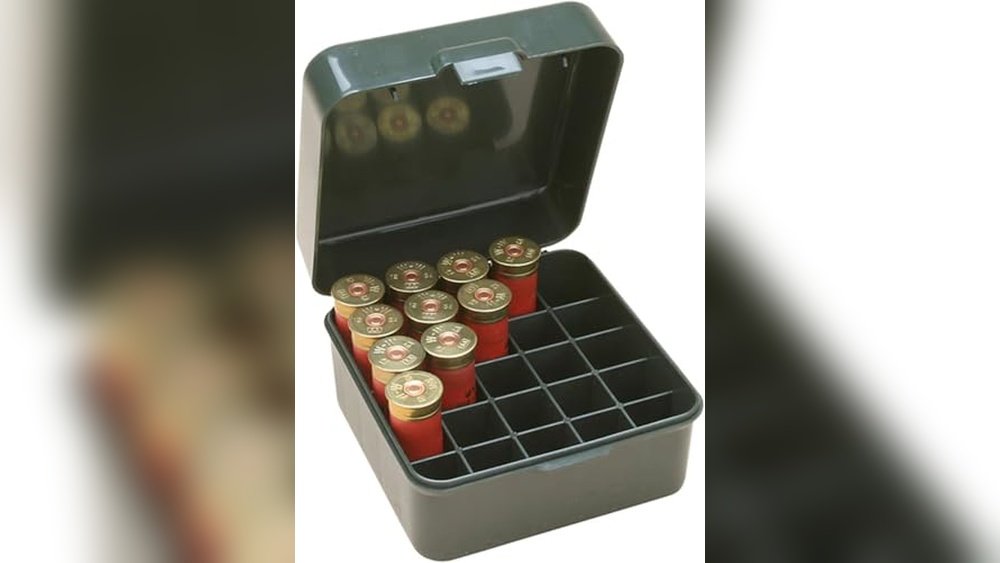
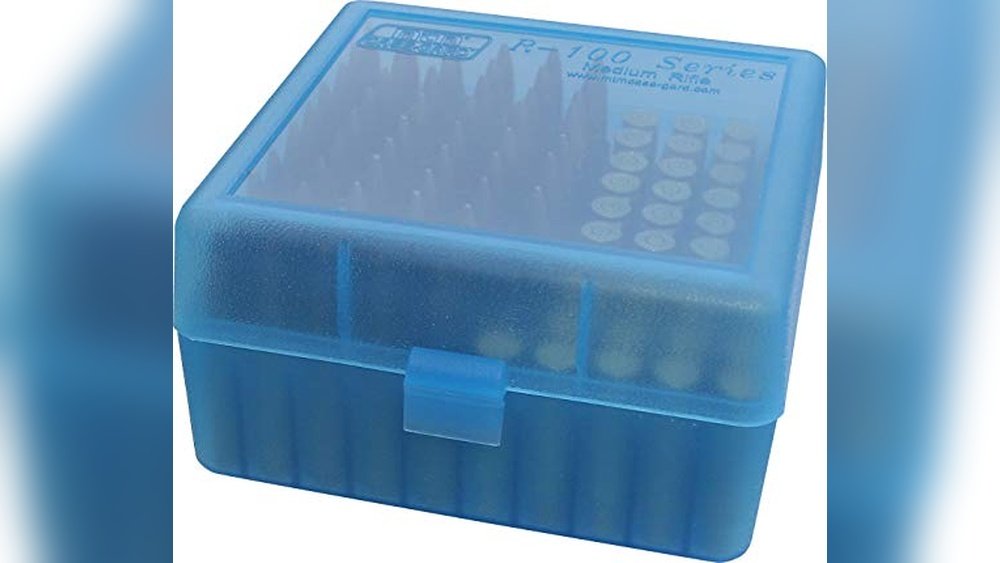
Use airtight containers made of metal or plastic. These containers protect ammo from water and dust. Ammo cans with rubber seals work well. Avoid cardboard boxes, as they absorb moisture. Keep containers sealed tightly at all times.
Labeling And Organization
Label each container with the ammo type and purchase date. This helps track ammo age and rotate stock properly. Organize containers by caliber and date for easy access. Store older ammo in front to use first. Clear labeling prevents confusion during emergencies.
Rotation Techniques
Rotating ammo in survival kits keeps your supplies fresh and reliable. Proper rotation avoids using old or degraded ammunition. It helps maintain safety and readiness. Different methods make rotation easier and more organized. Choose one that fits your storage style and habits.
First-in, First-out Method
The First-In, First-Out (FIFO) method uses ammo in the order received. Place new ammo behind older stocks. Use the oldest ammo first. This system prevents ammo from sitting unused for too long. Label dates on ammo boxes for clear tracking. FIFO keeps your survival kit ready with fresh rounds.
Batch Rotation Strategy
Batch rotation groups ammo by purchase or production date. Use one batch completely before starting another. This method helps track expiration and quality easily. Store batches separately to avoid confusion. Batch rotation simplifies managing large ammo supplies. It ensures you never mix old and new ammo.
Inspecting Ammo During Rotation
Inspecting ammo during rotation is key to keeping your survival kit ready. Ammo can degrade over time, making it unsafe or unreliable. Regular checks help spot issues early. This ensures your rounds perform well when you need them most.
Visual Checks
Start by looking closely at each round. Check for rust, corrosion, or dirt on the casing. Bullets should not be loose or damaged. Look for cracks or dents on the casing or bullet tip. Discoloration might indicate moisture damage. Remove any ammo that looks compromised. Keep your ammo clean and dry for best results.
Function Tests
Function tests confirm if ammo fires properly. Use a safe test range to fire a few rounds from your firearm. Watch for misfires, jams, or strange sounds. Ammo that fails these tests should be replaced. Regular testing builds confidence in your kit’s reliability. Keep records of test dates and results for future reference.
Disposing Of Old Or Damaged Ammo
Disposing of old or damaged ammo is an important part of ammo rotation for survival kits. Ammo can become unsafe over time. Using old or damaged ammo can cause weapon malfunctions or accidents. Proper disposal protects you and others from harm. It also helps keep the environment safe. Learning how to dispose of ammo correctly is essential for every survival kit owner.
Safe Disposal Methods
Do not throw ammo in the trash or burn it. These actions can cause fires or explosions. Many police stations accept old ammo for safe disposal. Some shooting ranges offer disposal services too. Contact local law enforcement to find safe drop-off points. Another option is to take ammo to a hazardous waste facility. These places handle dangerous materials carefully. Always handle old ammo gently to avoid damage or accidents.
Local Regulations
Each area has different rules about ammo disposal. Some places require special permits or procedures. Check local laws before disposing of any ammo. Failing to follow rules can lead to fines or legal trouble. Local police or fire departments can provide disposal guidelines. Understanding regulations keeps you safe and legal. Stay informed about changes in local disposal laws.
Additional Tips For Ammo Longevity
Keeping ammo safe and reliable is key for any survival kit. Ammo can lose power or fail if not stored well. Follow these extra tips to help your ammo last longer. Small actions make a big difference.
Avoiding Moisture And Heat
Moisture can damage ammo quickly. Store rounds in dry places only. Use airtight containers or sealed bags. Silica gel packs help absorb moisture inside containers. Heat causes gunpowder to break down. Keep ammo in cool, stable temperatures. Avoid storing near heaters or direct sunlight. A basement or closet often works well.
Regular Inventory Reviews
Check your ammo stock regularly. Look for signs of rust or corrosion. Remove any damaged rounds immediately. Rotate older ammo to the front for use first. Write down dates when you add new ammo. This helps use the oldest stock first. Keeping track avoids surprises during an emergency. Regular checks keep your supplies fresh and safe.
Frequently Asked Questions
How Often Should I Rotate Ammo In Survival Kits?
Rotate your ammo every 1 to 2 years to ensure reliability. Regular rotation prevents deterioration and maintains performance. Always use the oldest ammo first to keep your stock fresh and dependable.
Why Is Ammo Rotation Important For Survival Kits?
Ammo rotation prevents degradation and maintains effectiveness. Old ammo can misfire or lose power. Regularly rotating ensures your survival kit remains trustworthy during emergencies.
What Is The Best Method To Rotate Survival Kit Ammo?
Label ammo with purchase dates and organize by oldest first. Use older rounds in practice or hunting. Replace them with fresh ammo to keep your kit updated and reliable.
Can I Store Ammo Long-term Without Rotating?
Long-term storage without rotation risks ammo becoming unreliable. Environmental factors degrade ammo over time. Rotating ensures your ammo stays functional and safe for emergencies.
Conclusion
Rotating ammo keeps your survival kit ready and reliable. Old ammo can lose power or fail to fire. Use fresh ammo regularly and store it properly. Label dates on ammo boxes for easy tracking. Rotate stock by using older ammo first.
This simple step ensures safety and preparedness. Stay prepared with regular checks and replacements. Your survival depends on good, working ammunition. Keep your kit updated and ready at all times.