
Are your shotgun shells safe from damage while sitting in storage? Corrosion can quietly ruin your ammo, making it unreliable when you need it most.
You might not notice the problem until it’s too late, but preventing corrosion is easier than you think. You’ll discover simple, effective ways to protect your shotgun shells and keep them in top condition. Keep reading to learn how to safeguard your ammo and ensure it performs perfectly every time you use it.
Causes Of Corrosion On Shotgun Shells
Corrosion on shotgun shells reduces their reliability and safety. Understanding what causes corrosion helps protect your shells effectively. Several key factors contribute to this issue.
Environmental Factors
Moisture in the air is the main cause of corrosion. Humid or damp environments speed up rust and deterioration. Salt from sea air or road salt can also harm metal parts. Dust and dirt hold moisture on the shell’s surface. These conditions create a perfect place for corrosion to start.
Material Vulnerabilities
Shotgun shells have metal and plastic parts. Metal, especially steel and brass, can rust or tarnish. Some metals react faster to moisture and air. Plastic can degrade under sunlight or heat. Weak seals or coatings allow moisture to reach the metal inside. Low-quality materials face corrosion risks sooner than strong ones.
Storage Conditions
Storing shells in wet or hot places causes damage. Extreme temperatures make materials expand and contract. This breaks protective coatings and seals. Poor ventilation traps moisture and heat. Storing shells in open containers exposes them to dust and air. Proper storage keeps shells dry and cool, reducing corrosion risks.

Choosing The Right Storage
Choosing the right storage is key to stop corrosion on shotgun shells. Proper storage protects shells from moisture, dust, and temperature changes. It keeps them safe and ready to use. Simple steps can make a big difference.
Optimal Containers
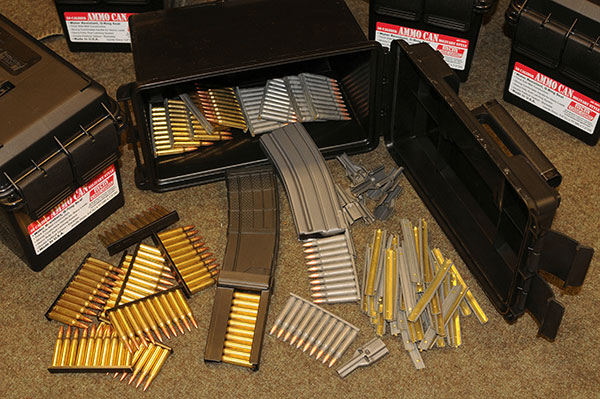
Select containers that seal tightly against air and moisture. Plastic boxes with snap lids work well. Metal ammo cans with rubber gaskets offer strong protection. Avoid containers that let air or water inside. Clear containers help check your shells without opening.
Humidity Control
Moisture causes corrosion quickly. Use silica gel packs or moisture absorbers inside containers. These keep the air dry and prevent rust. Replace them regularly to maintain dryness. Store shells in a dry place away from damp walls or floors.
Temperature Management
Keep shells in a place with stable temperature. Avoid areas with big temperature swings. Heat and cold cause condensation inside containers. A cool, dry room is best. Do not store shells in basements or attics where conditions vary.
Cleaning And Maintenance Tips
Keeping shotgun shells clean and well-maintained helps stop corrosion. Dirt, moisture, and oils can cause damage over time. Good cleaning and maintenance protect your shells and extend their life. Simple steps make a big difference in preventing rust and corrosion.
Follow these tips to keep your shells in top shape. Handle them with care and inspect regularly. Clean shells properly to remove dirt and moisture. These actions keep your shells safe and ready to use.
Safe Cleaning Methods
Use a soft cloth to wipe shotgun shells gently. Avoid harsh chemicals or abrasive materials. Mild soap and water work well for cleaning. Dry shells completely before storing to stop moisture build-up. Use a dry towel or air dry in a safe place. Keep shells away from water as much as possible.
Regular Inspection
Check your shells often for signs of corrosion or damage. Look for rust spots, discoloration, or dents. Early detection helps prevent serious damage. Remove any dirt or moisture you find. Store only clean and dry shells to avoid problems.
Handling Precautions
Always handle shells with clean, dry hands. Oils from skin can cause corrosion over time. Use gloves if possible, especially during cleaning. Avoid dropping or banging shells to prevent dents. Store shells in a cool, dry place away from humidity. Proper handling reduces the risk of damage and rust.
Protective Coatings And Treatments
Protective coatings and treatments play a key role in stopping corrosion on stored shotgun shells. These coatings create a barrier between the metal parts and moisture or air. This helps keep the shells safe from rust and damage over time. Applying the right coatings correctly ensures long-lasting protection.
Types Of Protective Coatings
There are several types of coatings to protect shotgun shells. Oil-based coatings form a thin layer that repels water. Wax coatings provide a smooth, water-resistant surface. Some use silicone sprays to create a flexible, protective film. Rust inhibitors contain chemicals that slow down corrosion. Choose a coating that fits your storage environment and shell material.
Application Techniques
Clean the shells before applying any coating. Use a soft cloth or brush to remove dirt. Apply the coating evenly for full coverage. For oils and wax, rub the product gently on the shell surface. Spray coatings require a steady hand and even spray. Allow each layer to dry completely before handling the shells.
Reapplication Schedule
Protective coatings lose effectiveness over time. Check your shotgun shells regularly for signs of wear or rust. Reapply coatings every few months or after exposure to moisture. Frequent reapplication keeps the protective barrier strong. This simple step extends the life of your stored shotgun shells.
Best Practices For Long-term Storage
Proper storage helps keep shotgun shells safe and ready for use. Long-term storage needs care to stop corrosion. This keeps the metal parts strong and the powder dry. Follow these best practices to protect your shells over time.
Organizing Shells
Keep shells in their original boxes if possible. Label boxes clearly by size and type. Store boxes on shelves or in drawers off the ground. Avoid stacking too many boxes on top of each other. This prevents crushing and damage to shells inside.
Avoiding Contaminants
Keep shells away from dirt, oil, and chemicals. Wash hands before handling to avoid transferring moisture or oils. Store shells in a clean, dry place with good air flow. Avoid areas with high humidity or extreme temperatures. Contaminants cause rust and weaken the shell casing.
Using Desiccants And Moisture Absorbers
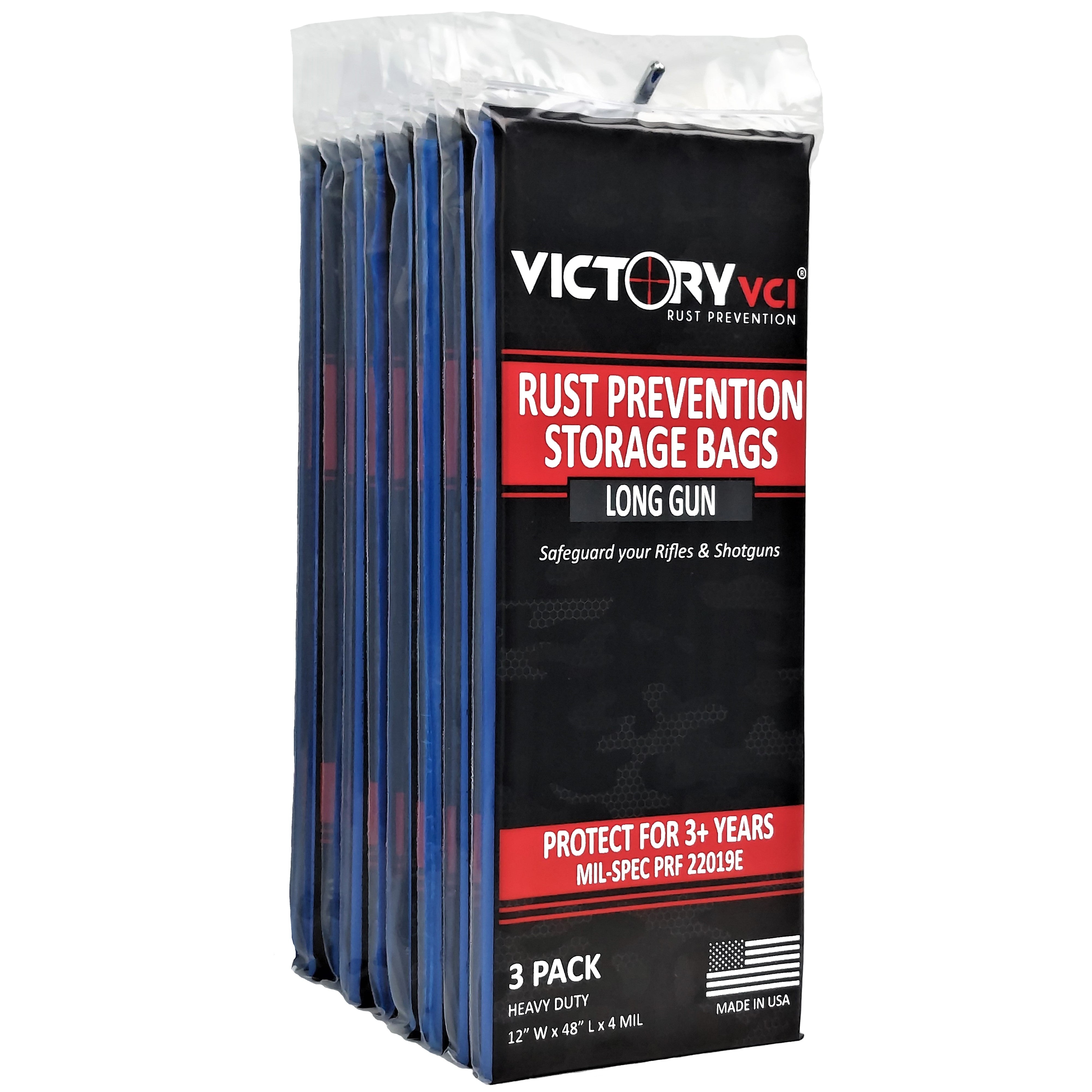
Place silica gel packs or other moisture absorbers inside storage containers. These help remove excess humidity and keep shells dry. Replace desiccants regularly to maintain effectiveness. Use airtight containers or sealed plastic bags for extra protection. Controlling moisture stops corrosion and powder clumping.
Frequently Asked Questions
How Can I Store Shotgun Shells To Prevent Corrosion?
Store shells in a cool, dry place with low humidity. Use airtight containers or sealed plastic bags to keep moisture out. Avoid direct sunlight and temperature fluctuations to minimize corrosion risk.
What Materials Protect Shotgun Shells From Rust?
Use silica gel packs or desiccants inside storage containers. These absorb moisture and reduce rust formation. Additionally, consider corrosion inhibitor sprays designed for ammunition storage.
How Often Should I Inspect Stored Shotgun Shells?
Inspect shells every 3 to 6 months. Check for signs of rust, discoloration, or damage. Early detection helps prevent further corrosion and ensures ammunition safety.
Can Temperature Affect Shotgun Shell Corrosion?
Yes, high temperatures and humidity accelerate corrosion. Keep shells in a stable environment below 80°F (27°C) to reduce moisture buildup and metal oxidation.
Conclusion
Preventing corrosion on stored shotgun shells keeps them safe and reliable. Store shells in a cool, dry place with low humidity. Use airtight containers or sealed bags to block moisture. Check shells regularly for signs of rust or damage. Clean and dry them before storing if needed.
Simple steps protect your shells and extend their life. Safe storage means better performance when you need it most. Take care, and your shells will stay in good shape longer. Easy habits make a big difference over time.