If you own a gun safe, you know how important it is to keep your ammo organized. But cluttered boxes and loose rounds can make finding what you need a real hassle.
Imagine opening your safe and instantly spotting exactly the right ammo without digging through piles. That’s not just convenient—it’s safer and smarter. You’ll discover simple, effective ways to organize your ammo so you save time, protect your investment, and keep everything in top shape.
Ready to take control of your ammo storage? Let’s get started.
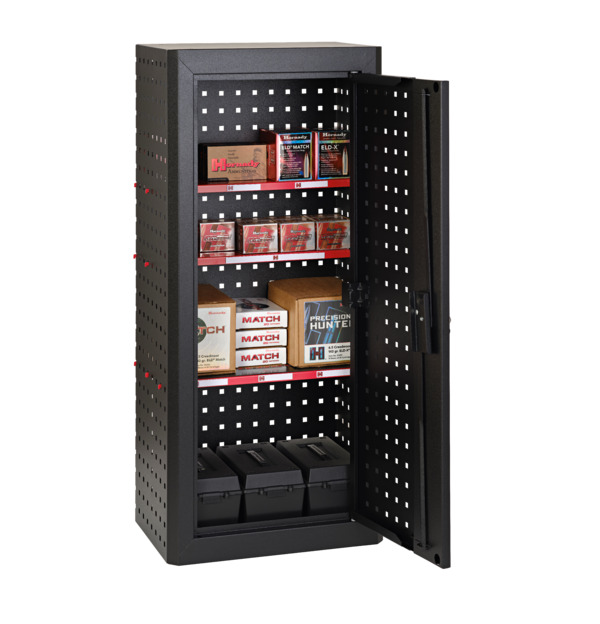
Choosing The Right Safe
Choosing the right safe is key for storing ammo securely. The safe must fit your needs and protect your ammunition. The right choice keeps ammo organized and safe from damage or theft. Consider size, security, and durability carefully.
Size And Capacity Considerations
Select a safe with enough space for all your ammo. Think about future purchases and extra storage. A safe too small will crowd your ammo. Too large a safe may waste space and cost more. Measure your ammo boxes and plan storage layout.
Security Features To Look For
Choose a safe with strong locks and solid construction. Look for safes with combination or digital locks. Steel walls should be thick and hard to break. Anti-pry doors add extra protection. Good hinges prevent easy removal of the door. These features stop theft and keep ammo secure.
Fire And Water Resistance
Ammo is sensitive to heat and moisture damage. A fire-resistant safe protects ammo from high temperatures. Water resistance stops damage from floods or leaks. Check safe ratings for fire and water resistance. This protection keeps ammo usable after accidents.
Sorting Ammo By Type
Sorting ammo by type helps keep your safe neat and efficient. It makes finding the right ammo fast and simple. Organizing ammo properly also protects it from damage and mix-ups. This section explains easy ways to sort ammo for better storage.
Caliber Grouping
Group ammo by caliber size. Keep rounds of the same caliber together. This method stops confusion and saves time. Use separate containers or boxes for each caliber. Label each container clearly for quick access.
Purpose-based Organization
Sort ammo by its use. Separate target shooting ammo from hunting or self-defense rounds. This way, you pick the right type fast. Store each group in different sections of the safe. It helps avoid mistakes during urgent moments.
Labeling For Easy Identification
Use clear labels on every box or container. Write the caliber and purpose on each label. Use waterproof markers or printed labels. Good labeling reduces errors and speeds up ammo selection. Make sure labels are visible and easy to read.
Storage Containers And Accessories
Organizing ammo inside a safe requires the right storage containers and accessories. These tools keep ammunition neat and protected. They also help find rounds quickly and keep ammo in good condition.
Ammo Boxes And Tins
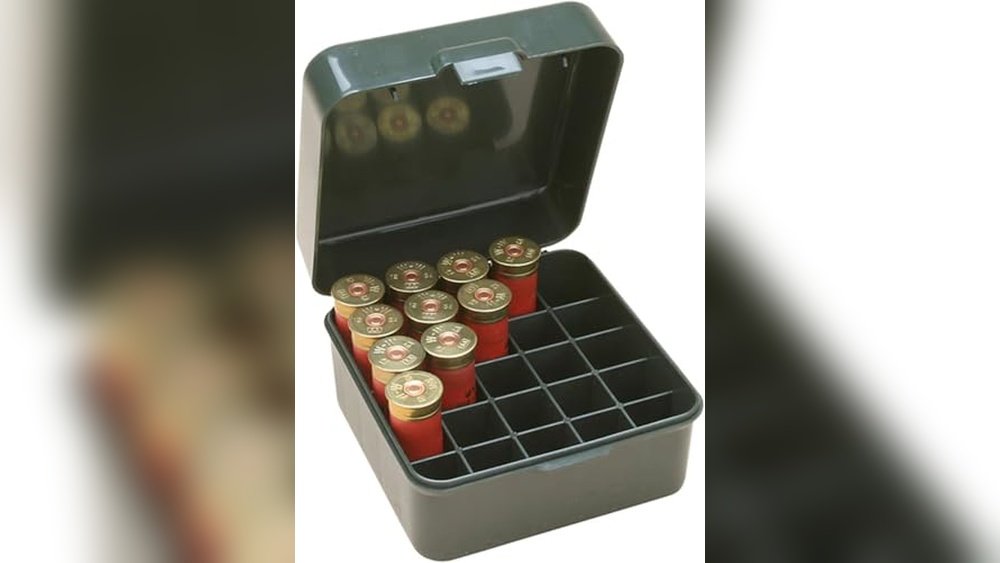
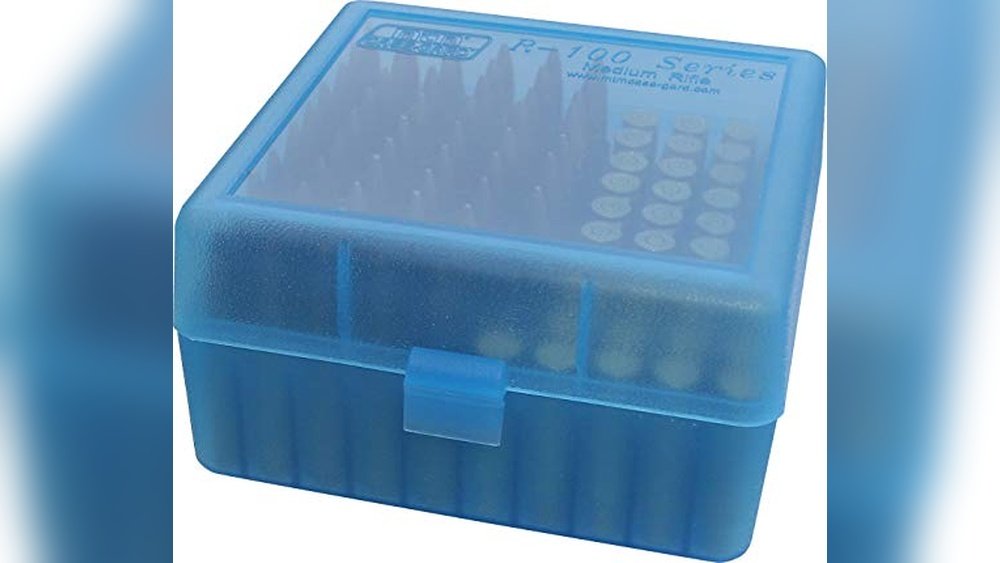
Ammo boxes and tins are classic storage options. They come in metal or plastic and offer strong protection. Many have secure lids to keep moisture out. They stack easily and save space. Using labeled ammo boxes helps sort by caliber or type.
Plastic Bins And Dividers
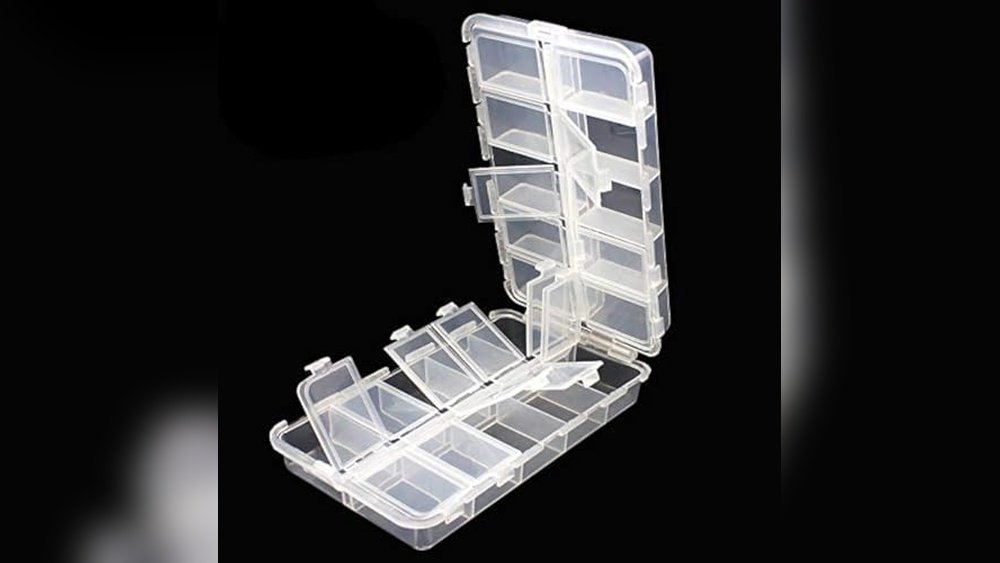
Plastic bins with dividers keep ammo separated and tidy. Dividers prevent rounds from mixing or rolling around. Clear bins make it easy to see contents fast. These bins fit well inside larger safes or shelves. They also help organize different calibers side by side.
Vacuum Sealing And Moisture Control
Vacuum sealing removes air, which protects ammo from rust and damage. Sealed bags block moisture and dirt. Adding moisture absorbers inside the safe keeps ammo dry. Good moisture control extends ammo life and ensures reliability. Keep moisture low for safe, ready-to-use ammunition.
Maximizing Safe Space
Maximizing safe space is key to storing ammo efficiently and securely. A well-organized safe helps you find ammo fast. It also protects your collection from damage. Smart use of space lets you keep more ammo without clutter.
Choosing the right stacking method and storage tools makes a big difference. Use organizers that fit your safe’s size and shape. Custom inserts and foam can protect ammo and keep it in place.
Vertical Vs. Horizontal Stacking
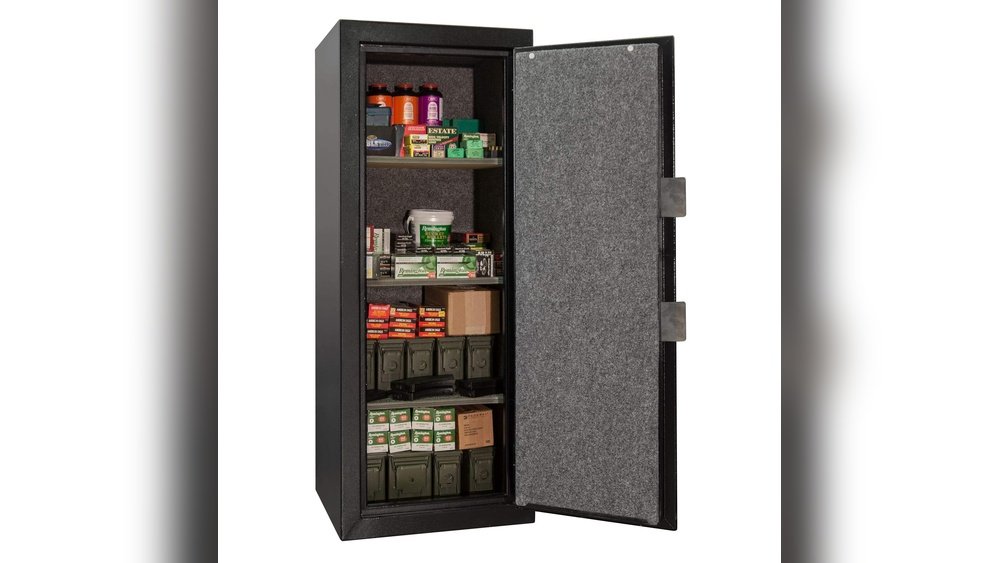
Vertical stacking saves floor space and allows easy access. It helps you see all ammo types at a glance. Horizontal stacking is good for heavier ammo boxes. It prevents crushing and keeps rounds stable. Choose stacking based on your ammo size and safe height.
Using Shelf Organizers
Shelf organizers create extra layers in your safe. They separate ammo by caliber or type. Organizers help keep small boxes from tipping over. Use metal or plastic shelves that fit your safe. This method increases usable space and keeps ammo tidy.
Custom Inserts And Foam
Custom inserts keep ammo secure and prevent shifting. Foam inserts provide cushioning and protect rounds from damage. Cut foam to fit your ammo boxes or loose rounds. Inserts make your safe look neat and professional. They also simplify inventory and quick retrieval.
Quick Access Strategies
Organizing ammo in a safe for quick access saves time and reduces stress. Having a clear plan helps find the right ammo fast. This section explains simple ways to keep ammo ready when needed.
Prioritizing Frequently Used Ammo
Place the ammo you use most often at the front or top. This makes it easy to grab during urgent moments. Keep less-used ammo stored deeper or in the back. Sort by gun type or shooting activity. This method prevents digging through all your ammo.
Clear Labeling Systems
Use clear labels on each ammo container or box. Write the caliber and quantity in big, easy-to-read letters. Labels help avoid confusion and speed up the selection process. Use waterproof markers or printed labels to keep them neat. Consistent labeling makes your safe organized and user-friendly.
Organizing By Expiry Date
Ammo can lose quality over time. Arrange your stock by expiry date, placing the oldest in front. This practice ensures you use the oldest ammo first. Regularly check dates to avoid storing expired rounds. Organizing by date keeps your ammo fresh and safe to use.
Safety And Maintenance Tips
Organizing ammo in a safe requires careful attention to safety and maintenance. Proper care keeps ammunition reliable and ready to use. It also helps prevent accidents and damage.
Regular Inspections
Check your ammo regularly for signs of damage or wear. Look for dents, corrosion, or discoloration on the cartridges. Remove any damaged ammo immediately. Make sure the safe is clean and dry. Inspect the safe’s locking mechanism and seals to keep moisture out.
Handling And Loading Procedures
Handle ammo with clean, dry hands to avoid contamination. Load ammo gently to prevent dents or scratches. Store different calibers separately to avoid confusion. Keep ammo away from strong magnets and extreme heat. Always follow manufacturer instructions for safe handling.
Preventing Corrosion And Damage
Use desiccant packs or moisture absorbers inside the safe. These keep the air dry and reduce rust risk. Store ammo in original boxes or sealed containers. Avoid stacking heavy items on top of ammo boxes. Regularly check and replace desiccants to maintain dryness.
Frequently Asked Questions
How Should Ammo Be Sorted Inside A Safe?
Ammo should be sorted by caliber and type for easy access. Use labeled containers or trays to keep rounds organized and prevent mixing. This method saves time and ensures safety when selecting ammunition.
What Is The Best Way To Store Ammo Long-term?
Store ammo in a cool, dry place inside airtight containers with desiccants. Avoid moisture and extreme temperatures to prevent corrosion and degradation. Proper long-term storage maintains ammo reliability and lifespan.
Can Ammo Be Stored With Firearms In The Same Safe?
Yes, ammo can be stored with firearms if organized properly. Keep ammunition in separate containers or compartments to avoid accidental loading. This practice enhances safety and ensures quick, safe access during use.
How Often Should Ammo Inventory Be Checked?
Ammo inventory should be checked at least twice a year. Regular checks help identify damaged or expired rounds and maintain accurate stock levels. Routine inspections support safe and effective ammunition management.
Conclusion
Organizing ammo in a safe keeps it easy to find and use. Sort by caliber and label each section clearly. Use containers or trays to avoid mixing different types. Keep your safe clean and dry to protect ammo quality. Regular checks help spot any damage early.
A well-organized safe saves time and stress. It also helps keep your ammo safe and ready. Small steps make a big difference in safety and convenience. Start organizing today for peace of mind tomorrow.