Are you wondering how to keep your shotgun shells safe and ready to use for years to come? Storing ammunition the right way is more important than you might think.
If you don’t take the proper steps, your shells can lose power, get damaged, or even become unsafe. But don’t worry—this guide will show you exactly how to store your shotgun shells long term, so they stay reliable and in top condition.
Keep reading to learn simple, effective tips that protect your investment and give you peace of mind every time you reach for your gear.

Choosing The Right Storage Container
Choosing the right storage container is key to keeping shotgun shells safe long term. The container protects shells from damage and bad weather. It also helps keep them organized and easy to find.
Several types of containers work well for shotgun shells. Each has its own benefits and drawbacks. Understanding these options helps you pick the best one for your needs.
Metal Vs Plastic Options
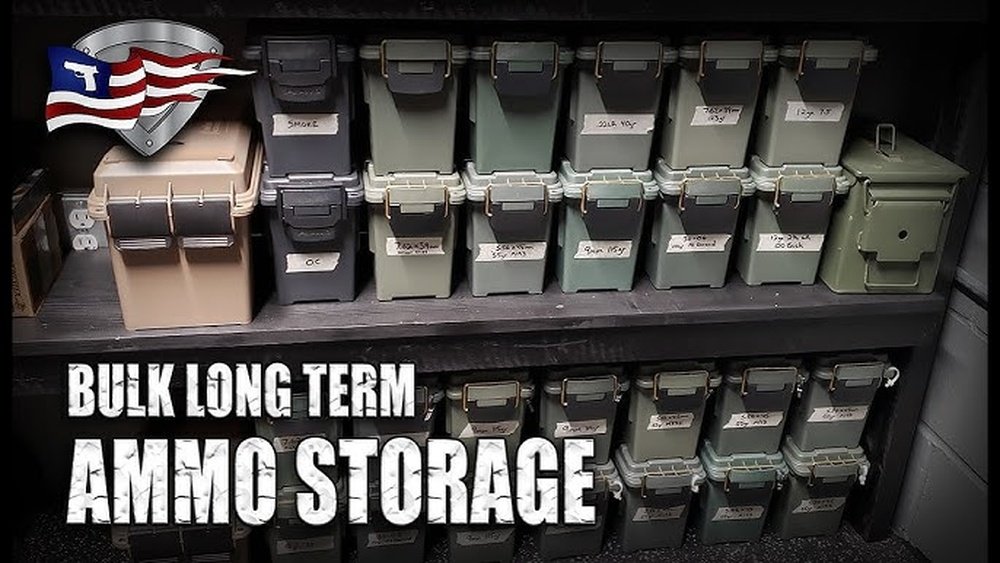
Metal containers are strong and last a long time. They protect shells from crushing and impacts. Metal also blocks sunlight, which can harm shells.
Plastic containers are lighter and easier to carry. They do not rust or corrode. Many plastic boxes are clear, so you can see inside without opening them.
Both metal and plastic containers can protect shells well. Your choice depends on your storage place and how often you carry the shells.
Waterproof And Airtight Features
Shotgun shells must stay dry to work safely. Water can cause damage and reduce shelf life. Choose containers that seal tightly and keep water out.
Airtight containers stop moisture and air from reaching shells. This helps prevent rust and corrosion on metal parts. It also keeps gunpowder fresh.
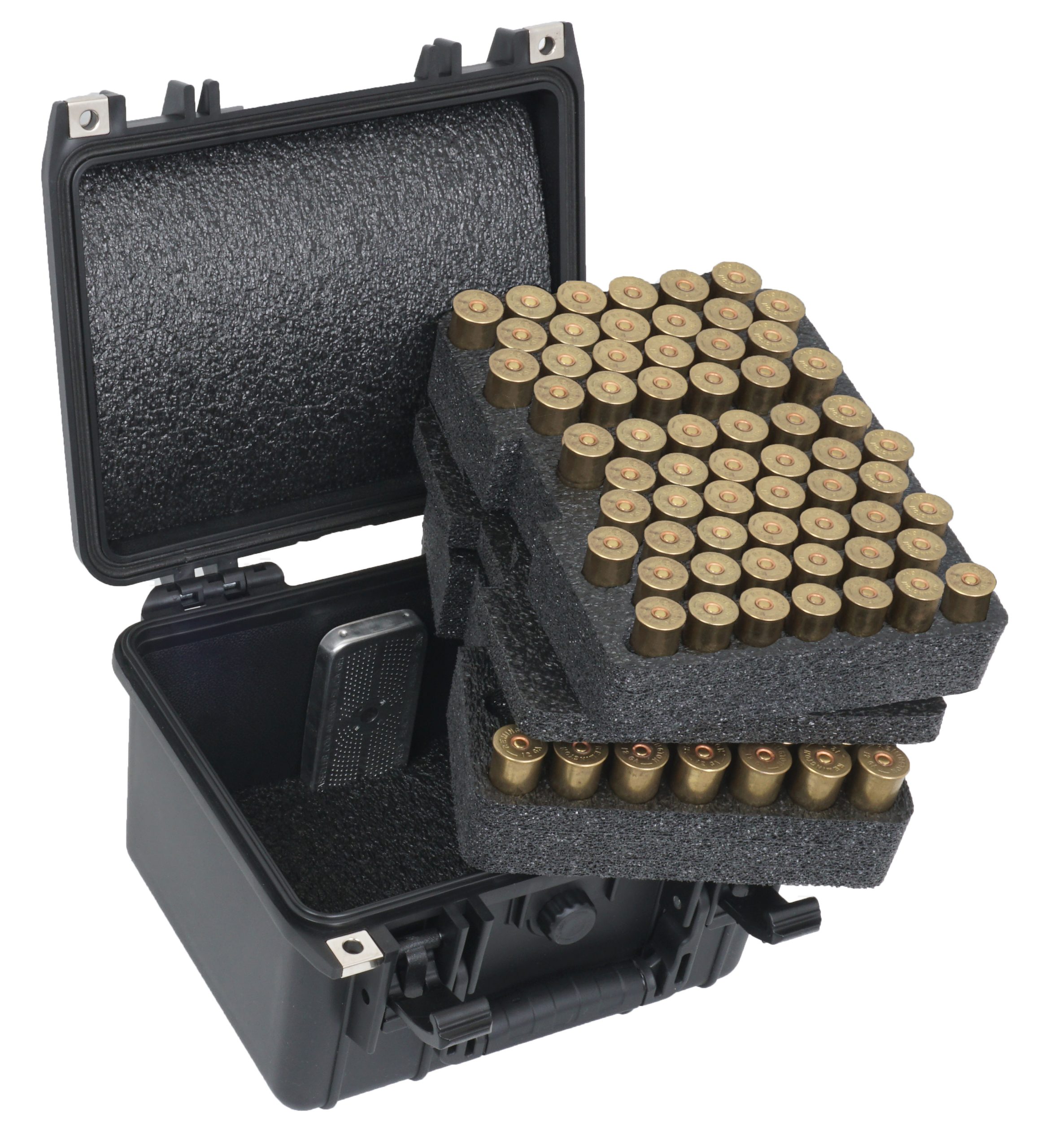
Look for containers with rubber gaskets or seals. These features improve protection against water and air.
Impact Resistance
Impact resistance means the container can handle drops and bumps. This is important if you move your shells often or store them in a busy place.
Hard plastic and metal containers usually offer good impact resistance. Some plastic containers have thick walls or reinforced corners.
A container that absorbs shocks well keeps shells from cracking or breaking. This ensures your ammunition stays safe and reliable.
Ideal Storage Environment
Keeping shotgun shells safe and reliable means storing them in the right place. The ideal storage environment protects the shells from damage and keeps them ready to use. This section explains the best conditions for long-term storage.
Temperature Control
Store shotgun shells in a cool place. High temperatures can damage the powder inside. Avoid places that get very hot, like near heaters or in a car on a sunny day. Cold temperatures are better but avoid freezing. Aim for a steady temperature around 50 to 70 degrees Fahrenheit.
Humidity Levels
Keep shells dry. Moisture can cause corrosion and make shells unusable. Use a dehumidifier or silica gel packs in the storage area. The ideal humidity is below 50 percent. Avoid damp basements or garages that get wet often.
Avoiding Direct Sunlight
Sunlight breaks down the plastic and metal parts of shells. Store shells in a dark place or inside opaque containers. Avoid windows or places with strong light. This keeps shells from fading and losing strength.
Organizing Your Shells
Organizing your shotgun shells is key for safe and easy long-term storage. Proper organization saves time and keeps your shells in good condition. It helps avoid confusion and prevents damage. Clear organization makes your collection manageable and ready for use.
Labeling And Inventory
Label each box or container clearly. Include the gauge, shot size, and load type. Write the purchase date to track shell age. Keep an inventory list to know what you have. Update the list whenever you add or use shells.
Separating Different Gauges
Store different gauges separately to avoid mix-ups. Use separate containers or compartments for each gauge. This prevents loading the wrong shell into a shotgun. It also helps maintain order in your storage space.
Rotation Practices
Use older shells first to keep your stock fresh. Place new shells behind older ones in storage. Check your inventory regularly for expired or damaged shells. Rotate shells often to maintain reliability and safety.
Safety Precautions
Storing shotgun shells safely is very important. Proper safety stops accidents and keeps your home secure. Follow key precautions to protect your shells from damage and danger. Keep your storage area organized and locked.
Use the right containers and follow laws to avoid risks. Safety helps keep children and pets away from shells. Remember to check your shells regularly for any problems.
Fireproof Storage Solutions
Use fireproof containers to store shotgun shells. These containers protect shells from heat and flames. Metal or special plastic boxes work well. Store shells in a cool, dry place. Avoid places with direct sunlight or heat sources.
Keep shells away from open flames and sparks. Fireproof safes offer extra protection for long-term storage. Label containers clearly to avoid confusion. Check fireproof containers regularly for damage.
Childproofing Measures
Store shotgun shells where children cannot reach them. Use locked boxes or cabinets to keep shells secure. Teach children about dangers of firearms and ammunition. Place shells out of sight and high up. Use childproof locks or safety alarms if possible.
Do not leave shells unattended or in easy-to-access places. Regularly check that locks and safety devices work well. Child safety is a top priority in every home.
Legal Considerations
Follow local laws about ammunition storage. Some places require locked storage or special containers. Know rules for transporting and storing shotgun shells. Always keep shells away from unauthorized persons. Keep documentation or permits if needed.
Check laws often, as they can change. Legal storage prevents fines and legal troubles. Respect all rules to ensure safety and compliance.
Maintenance And Inspection
Maintaining and inspecting shotgun shells is key for safe, long-term storage. Regular checks help spot issues early. Proper care keeps shells reliable and ready to use. Neglecting maintenance can cause damage or failure.
Regular Condition Checks
Look over your shotgun shells often. Check for cracks, dents, or corrosion. Feel for any soft spots on the casing. Make sure the primer is intact and not loose. Keep shells away from moisture and extreme heat.
Cleaning Tips
Wipe shells with a dry, soft cloth to remove dust. Avoid using water or harsh chemicals on shells. Use a small brush to clean hard-to-reach areas. Keep shells dry before storing to prevent rust or mold. Store shells in a cool, dry place.
Disposing Of Damaged Shells
Do not use damaged shotgun shells. They can misfire or cause injury. Follow local rules for disposing of ammunition safely. Contact a local shooting range or law enforcement for disposal help. Never throw shells in regular trash or fire.
Frequently Asked Questions
How To Keep Shotgun Shells Dry For Long Term?
Store shotgun shells in a cool, dry place away from moisture. Use airtight containers with silica gel packs to absorb humidity. Avoid storing them in damp basements or garages to prevent corrosion and ensure reliable performance.
What Is The Best Container For Shotgun Shell Storage?
Use sturdy, airtight plastic or metal containers designed for ammo storage. These containers protect shells from moisture, dust, and physical damage. Label containers clearly to organize different shell types and sizes for easy access and safety.
Can Temperature Affect Shotgun Shell Longevity?
Yes, extreme temperatures can degrade shotgun shells. High heat may weaken the gunpowder, while cold can cause condensation inside the shell. Store shells at stable, moderate temperatures to maintain their reliability and shelf life.
Should I Separate Different Shotgun Shell Types For Storage?
Yes, separate shells by gauge, shot size, and purpose. This prevents confusion and ensures safety when selecting shells. Proper organization helps maintain inventory and makes it easier to find the right shell quickly.
Conclusion
Storing shotgun shells safely keeps them ready and reliable. Keep shells dry and cool to avoid damage. Use airtight containers to stop moisture and dust. Check your shells often for any signs of wear. Safe storage protects your investment and ensures safe use.
Remember, good care extends the life of your shells. Follow these simple steps to keep your shells in top shape. Easy to do. Easy to remember. Safe shooting starts with proper storage.