You’ve invested in a fireproof gun safe to protect your firearms and valuables. But how often do you really need to check it?
Ignoring regular inspections could leave you vulnerable when you least expect it. Knowing the right inspection routine helps you catch small issues before they become costly problems. You’ll discover simple steps to keep your safe working perfectly and your peace of mind intact.
Keep reading to learn exactly how often you should inspect your fireproof gun safe—and why it matters more than you might think.
Importance Of Regular Inspections
Regular inspections of your fireproof gun safe keep it working well and protect your valuables. Checking your safe often helps find problems early. This saves money and keeps your firearms safe. Skipping inspections can lead to damage or security risks.
Protecting Your Firearm Investment
Firearms cost a lot and need care. A well-maintained safe stops damage from fire, water, or rust. Regular checks make sure your safe’s seals and locks work. This protects your guns from harm and keeps their value high.
Ensuring Safety And Security
Safety is the top priority for any gun owner. Inspections ensure locks and alarms work properly. This keeps unauthorized people out. Checking the safe’s structure prevents weak spots. A secure safe gives peace of mind.
Preventing Damage And Malfunctions
Small problems grow if left alone. Moisture can cause rust inside the safe. Hinges and locks may wear out over time. Regular inspection catches these issues early. Fixing problems fast keeps your safe reliable and durable.
Recommended Inspection Frequency
Knowing how often to inspect your fireproof gun safe helps keep your firearms secure. Regular checks catch problems early. A steady routine protects your investments and peace of mind. Follow a clear inspection schedule for best results.
Daily Checks Vs. Monthly Reviews
Daily checks are quick and simple. Look for signs of damage or moisture. Make sure the lock works smoothly. These small checks keep your safe ready at all times.
Monthly reviews are more detailed. Inspect the fire seal and hinges. Check for rust or wear on parts. Test the locking mechanism carefully. These reviews help find hidden issues before they grow.
Seasonal Maintenance Tips
Each season brings different challenges. In winter, watch for moisture buildup inside the safe. Use a dehumidifier if needed. In summer, check for heat damage or warping. Spring and fall are good times for full cleaning. Clean dust and debris from hinges and locks.
Adjusting Frequency Based On Usage
Use your safe more? Inspect it more often. Frequent opening may wear parts faster. Less use means fewer checks but don’t skip them. Always check after moving or any impact. Adapt your schedule to your habits and environment.
Key Areas To Inspect
Regular inspection of your fireproof gun safe is important. It keeps your valuables secure and protected. Focus on key areas that affect safety and performance. These checks help spot problems early. They ensure your safe works well when needed.
Fireproof Seal And Insulation
Check the fireproof seal for cracks or damage. This seal stops heat and smoke from entering. Inspect the insulation inside the safe. It must be intact to keep the safe cool. Damaged insulation lowers fire protection. Replace any worn or broken parts quickly.
Locking Mechanism Functionality
Test the lock often to ensure it works smoothly. Try all locking parts, including bolts and keys. If the lock sticks or jams, fix it right away. A faulty lock can prevent safe access or reduce security. Clean and lubricate moving parts for better function.
Internal Humidity And Moisture Levels
Look for signs of moisture inside the safe. Moisture can damage guns and documents over time. Use a hygrometer to check humidity levels. Ideal humidity is below 50 percent. Use desiccants or dehumidifiers if moisture is high. Keep the interior dry to avoid rust and mold.
Structural Integrity And Exterior Condition
Inspect the safe’s body for dents, cracks, or rust. Damage weakens protection against fire and theft. Check hinges and bolts for wear or looseness. Tighten or replace parts as needed. A strong exterior keeps your valuables safe from harm.
Tools And Techniques For Inspection
Inspecting your fireproof gun safe regularly keeps it secure and functional. Using the right tools and techniques helps find problems early. This section covers simple, effective ways to check your safe.
Using Moisture Indicators
Moisture can damage guns and ammo inside the safe. Moisture indicators show if water is present inside. Place these small cards or strips in the safe. They change color when moisture is high. Check them every few months. Replace if they show moisture to keep the safe dry.
Testing Lock Reliability
Locks must work smoothly and securely. Test the lock by opening and closing it several times. Use the key or combination to confirm it turns easily. Listen for strange sounds like grinding or sticking. If the lock feels stiff or jams, get it serviced. A reliable lock protects your valuables.
Visual And Physical Examination Tips
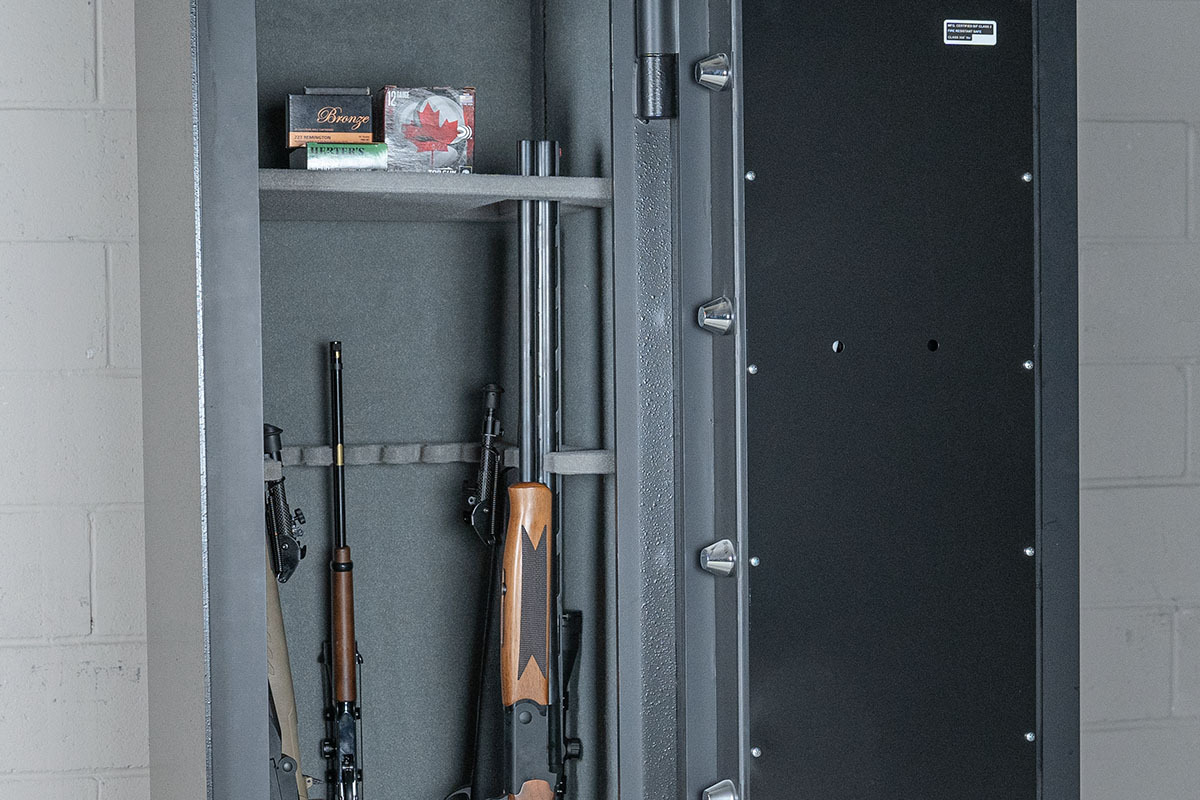
Look closely at the safe’s exterior and interior. Check for dents, rust, or cracks on the body. Make sure the door seals tightly without gaps. Feel around the edges for any warping or damage. Clean dust and debris from the hinges and locking parts. These steps keep your safe strong and ready.
Common Issues Found During Inspections
Regular inspections of your fireproof gun safe help keep it in top shape. Many common issues can arise over time. Spotting these problems early can save your valuables.
Check the main parts carefully. Each problem affects your safe’s security and fire protection.
Seal Deterioration
The seal keeps heat and smoke out during a fire. Over time, seals can crack or become brittle. This damage lets heat enter the safe. Replace worn seals to maintain fire protection.
Look for hard or missing parts in the seal. A damaged seal reduces the safe’s effectiveness.
Rust And Corrosion Signs
Metal parts inside and outside the safe can rust. Moisture causes rust to form slowly. Rust weakens the safe’s structure and locks. Clean and dry your safe to prevent rust. Treat any rust spots quickly to avoid spread.
Lock Jamming Or Weakness
Locks must work smoothly to protect your belongings. Dust, dirt, or rust can cause jams. Frequent use can wear out the locking mechanism. Test the lock often. Fix or replace parts that feel loose or stick.
Maintenance After Inspection
After inspecting your fireproof gun safe, maintenance is the next vital step. Regular care ensures your safe works well and protects your valuables. Simple tasks keep the safe in good condition and help avoid costly repairs.
Cleaning And Lubricating Locks
Dust and dirt can clog the locks. Clean them gently with a soft brush or cloth. Use a small amount of lubricant made for locks. This keeps the lock smooth and easy to open. Avoid heavy oils that attract dirt.
Replacing Damaged Seals
Check the seals for cracks or breaks. Damaged seals let heat and smoke inside during a fire. Replace any worn or broken seals right away. New seals keep your safe airtight and fire-resistant.
Controlling Humidity Inside The Safe
Humidity can cause rust and damage your guns. Use a small dehumidifier or silica gel packs inside the safe. Change or recharge them often to keep moisture low. Proper humidity control protects your firearms and documents.
When To Seek Professional Help
Knowing when to get professional help for your fireproof gun safe is key. Regular checks help, but some issues need expert eyes. Professionals can spot problems you might miss. They also keep your safe secure and working well.
Identifying Serious Damage
Look for deep dents or cracks on the safe. Rust or water damage can weaken the structure. Strange noises when locking or unlocking need attention. If the door doesn’t close right, it may be damaged. These signs mean a professional should inspect your safe.
Safe Repair Services
Experts fix broken locks and damaged hinges. They can restore fireproof seals to keep your gun safe. Professionals replace worn parts with the right tools. Repairs done by experts keep your safe reliable. DIY fixes may cause more harm than good.
Upgrading Security Features
Technology changes fast, and so do threats. Professionals can add new locks or alarms to your safe. Upgrading helps protect your guns better. Experts know the best security options for your model. Keep your safe up to date with their help.
Frequently Asked Questions
How Often Should I Check My Fireproof Gun Safe?
Inspect your fireproof gun safe at least twice a year. Regular checks ensure proper locking, humidity control, and fire seal integrity. Early detection of issues helps maintain safety and protection for your firearms and valuables.
What Parts Of The Fireproof Safe Need Inspection?
Focus on the locking mechanism, door seals, fireproof lining, and hinges. Ensure locks work smoothly and seals remain intact to prevent moisture and heat damage. Check for any signs of corrosion or wear that can compromise security.
Can I Inspect My Fireproof Safe Myself?
Yes, routine inspections can be done by owners. Use a flashlight and checklist to verify seals and locks. For complex issues, consult a professional locksmith or safe technician to avoid damaging the safe or voiding the warranty.
Does Environmental Condition Affect Inspection Frequency?
Yes, humid or dusty environments require more frequent inspections. Moisture can damage the safe’s interior and firearms. Increase inspection frequency to quarterly in harsh conditions to maintain optimal safe performance and protection.
Conclusion
Regular inspections keep your fireproof gun safe reliable and secure. Check it at least twice a year to spot any problems early. Look for signs of wear, rust, or damage to locks and seals. Clean the safe to prevent dust buildup that might affect its function.
Taking small steps now saves you from bigger issues later. Protect your firearms and valuables by staying consistent with your checks. A little effort goes a long way in safety and peace of mind.