If you own an AR-15 and keep it stored in a safe, you might wonder how often you should check on it. Leaving your firearm untouched for too long can lead to problems you don’t want to face when you need it most.
But checking too often might also cause unnecessary wear or hassle. So, what’s the right balance? You’ll discover simple, practical tips to keep your AR-15 in top shape while stored safely. Keep reading to learn how to protect your investment and ensure your firearm is always ready when you need it.
Ideal Inspection Frequency
Knowing how often to check your AR-15 stored in a safe helps keep it in good shape. Regular inspections prevent rust, dirt, and damage. Setting a clear schedule makes maintenance easier and protects your investment. Below are ideal times to check your rifle based on simple routines.
Monthly Checks
Open your safe once a month. Look over the outside of your AR-15. Check for dust, dirt, or moisture. Wipe the rifle gently with a dry cloth. Make sure no parts feel loose or damaged. Monthly checks keep small problems from growing bigger.
Quarterly Maintenance
Every three months, take a closer look. Remove the rifle from the safe. Clean the barrel and action with proper tools. Lubricate moving parts lightly to avoid rust. Inspect all screws and pins for tightness. Quarterly care helps the rifle work smoothly and last longer.
Annual Deep Inspection
Once a year, do a full inspection. Disassemble the AR-15 carefully. Check all parts for wear, cracks, or corrosion. Clean every component thoroughly. Replace any worn or broken parts. Reassemble and test the rifle’s function. Annual inspections ensure your AR-15 stays safe and reliable for years.

Factors Affecting Inspection
Several factors influence how often you should check your AR-15 stored in a safe. These factors affect the gun’s condition and safety. Understanding these can help you set the right inspection schedule.
Climate And Humidity
High humidity causes rust and corrosion faster. Dry climates slow down this process. Extreme temperatures can also damage the gun’s parts. Checking more often in humid or hot areas protects your AR-15.
Safe Type And Environment
A quality safe with good seals keeps moisture out. Cheap or old safes may not protect well. Location matters too. A safe in a basement may face more dampness than one in a dry room. Inspect based on your safe’s build and location.
Usage And Storage Duration
If you use the AR-15 regularly, check it before and after use. Guns stored for long periods need more frequent checks. Long storage can cause lubricant to dry out and parts to rust. Set inspection times based on how often you use the gun and how long it stays stored.
Key Inspection Steps
Regular inspection is essential for any AR-15 stored in a safe. It keeps the rifle ready and safe to use. Simple steps help spot issues early. This saves time and money. Follow these key inspection steps for best results.
Visual Condition Check
Start with a careful look at the rifle. Check for rust, dirt, or damage. Look at the barrel, stock, and metal parts. Make sure no parts are loose or broken. Pay close attention to the bolt and chamber area. Catching problems early prevents bigger issues.
Cleaning And Lubrication
Clean the rifle after each inspection. Use the right cleaning tools and solutions. Remove any dirt or old lubricant. Apply fresh lubricant to moving parts. Proper lubrication stops rust and keeps parts moving smoothly. Do not over-lubricate; a thin coat is enough.
Functionality Test
Check the rifle’s function without ammo. Test the safety switch, trigger, and bolt. Cycle the bolt several times to ensure smooth action. Confirm the trigger resets properly. This test ensures the rifle works as it should. Fix any problems before storing again.

Preventive Measures
Preventive measures help keep your AR-15 in good condition while stored. They stop rust, damage, and other problems before they start. Taking simple steps protects your firearm and ensures it works well when needed.
Proper Storage Practices
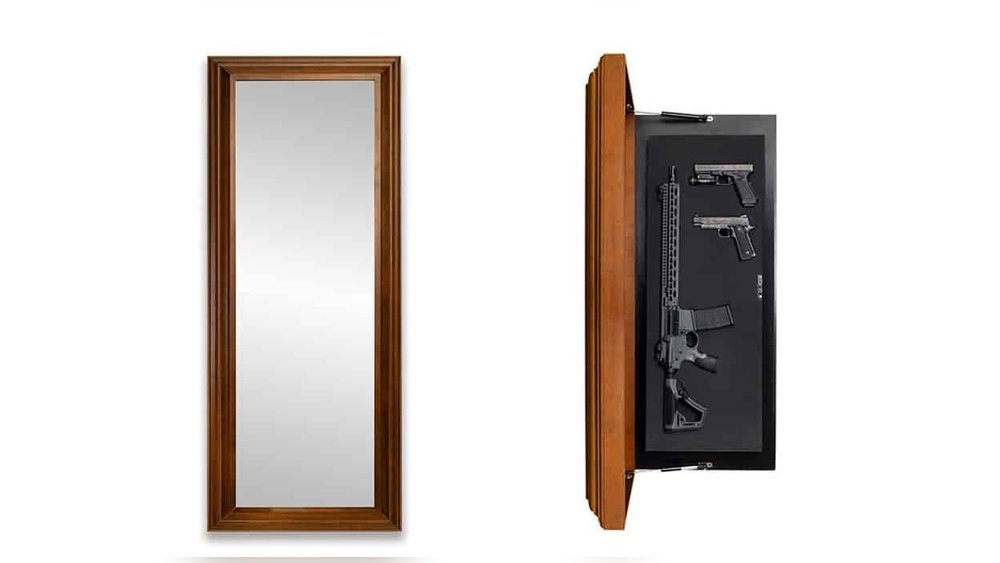
Store your AR-15 in a cool, dry safe to avoid moisture buildup. Keep it away from direct sunlight and heat sources. Use a gun sock or case to protect the finish from scratches. Always lock the safe to prevent unauthorized access. Proper storage reduces risks of corrosion and damage.
Use Of Desiccants And Dehumidifiers
Desiccants absorb moisture and keep the air dry inside the safe. Silica gel packs are common and easy to replace. A small dehumidifier can control humidity for larger safes. These tools prevent rust and corrosion on metal parts. Check desiccants regularly and replace when saturated.
Regular Maintenance Routine
Clean your AR-15 before storing it for a long time. Wipe down metal parts with oil to prevent rust. Inspect the firearm every few months for dirt or moisture. Run the action and check for smooth operation. Regular care keeps your rifle ready and safe to use.
Signs To Inspect Immediately
Knowing the signs to inspect immediately helps keep your AR-15 safe and ready. Some problems can appear quickly and cause damage. Early checks can stop bigger issues. Always watch for clear warning signs before routine checks.
Rust Or Corrosion
Rust or corrosion shows metal damage from moisture or poor storage. It weakens the gun and affects performance. Check metal parts carefully, especially around the barrel and bolts. Small rust spots need cleaning right away to prevent spread.
Mechanical Issues
Mechanical problems affect how the AR-15 works. Signs include stiff triggers, loose parts, or strange noises. These can mean worn or broken components. Test the action gently to feel for smooth movement. Fix issues quickly to avoid unsafe use.
Unusual Odors Or Residue
Unusual smells or residue inside the safe or on the gun signal trouble. It could be mold, oil buildup, or chemical leaks. These affect gun safety and reliability. Clean any residue and air out the safe to keep the firearm fresh and ready.
Frequently Asked Questions
How Often Should I Inspect My Ar-15 In A Safe?
Check your AR-15 every 3 to 6 months when stored. Regular inspections prevent rust, dirt buildup, and mechanical issues. This schedule keeps your firearm in optimal condition and ready for use.
What Maintenance Does An Ar-15 Need In Storage?
During checks, clean and lubricate your AR-15 lightly. Remove moisture, inspect for rust, and ensure parts move smoothly. Proper maintenance extends the gun’s lifespan and reliability.
Can Improper Storage Damage My Ar-15?
Yes, poor storage causes rust, corrosion, and damage. Use a dry, cool safe with a dehumidifier to protect your AR-15. Proper storage maintains function and value over time.
Should I Test Fire My Ar-15 After Storage?
Test firing after long storage ensures functionality and safety. It confirms the firearm operates correctly and detects any issues early. Always follow safety protocols during test firing.
Conclusion
Checking your AR-15 regularly keeps it safe and ready. Aim to inspect it every few months. Look for dirt, rust, or any damage. Clean and oil the parts to prevent wear. Safe storage is important, but so is maintenance. A little care now saves trouble later.
Stay responsible and keep your firearm in good shape. Simple steps help your AR-15 last longer and work well.