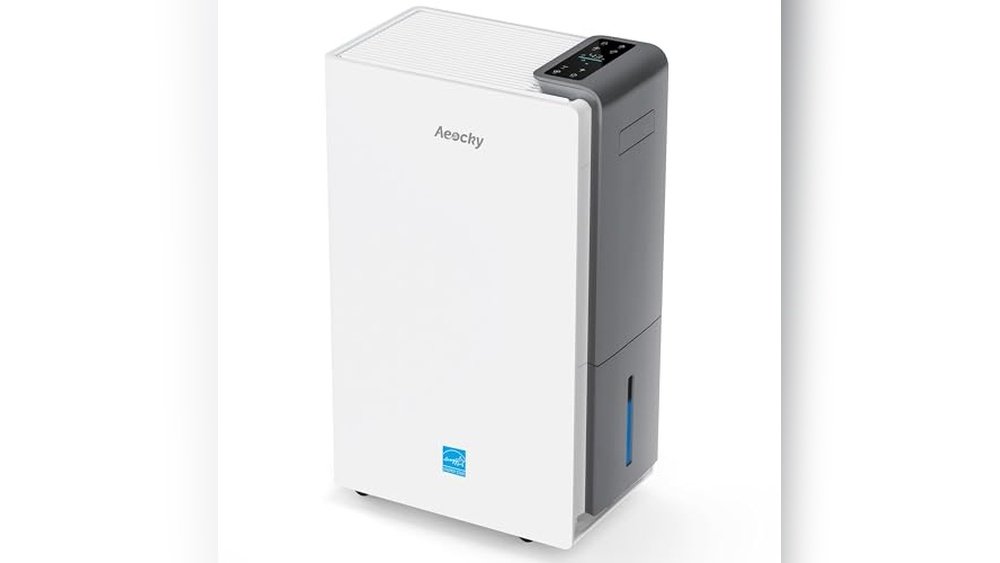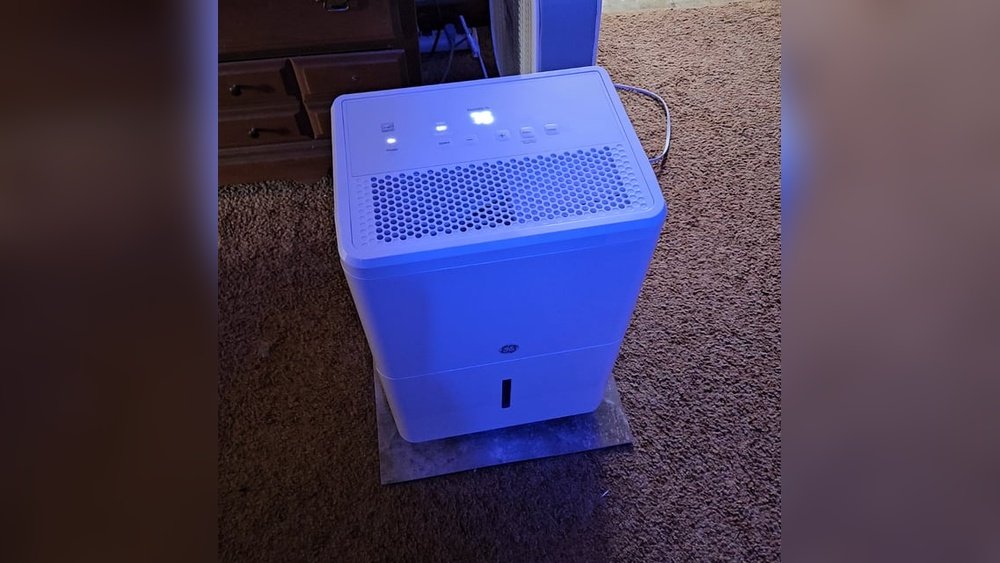
Have you ever wondered how loud a dehumidifier really is? If you’re thinking about adding one to your home, noise might be a top concern.
After all, you want a comfortable space without constant background hum or distractions. You’ll discover exactly what to expect when it comes to dehumidifier noise. You’ll learn what makes some models quieter than others and how to pick one that fits your lifestyle perfectly.
Keep reading to make sure your home stays fresh and peaceful at the same time.

Dehumidifier Noise Basics
Dehumidifiers help reduce moisture in the air to improve comfort. Many people wonder about the noise these machines make. Understanding the basics of dehumidifier noise can help set the right expectations. Noise levels vary depending on the model and size. This section explains where the noise comes from and what decibel levels mean.
Sources Of Noise
Dehumidifiers have parts that create sound during operation. The compressor is the main source of noise. It works to pull moisture from the air. Fans also add sound by moving air through the unit. Some models use pumps to drain water, which can cause extra noise. Vibrations from the motor and compressor create humming or buzzing sounds. Noise levels differ based on the design and quality of these parts.
Decibel Levels Explained
Noise is measured in decibels (dB). Lower decibel numbers mean quieter sounds. A quiet room usually measures around 30 dB. Most home dehumidifiers produce noise between 40 and 60 dB. This range is similar to a normal conversation or background music. High decibel levels can be distracting, especially in quiet spaces. Knowing decibel levels helps choose a dehumidifier that fits your noise comfort.

Comparing Noise Levels
Dehumidifiers produce different noise levels depending on their design and power. Understanding these differences helps in choosing the right model for your space. Noise levels are usually measured in decibels (dB). Lower decibels mean quieter operation.
Noise can affect comfort, especially in bedrooms or offices. Some models run almost silently. Others make noticeable sounds that might disturb some users. Here is a breakdown of common noise levels by type.
Quiet Models
Quiet dehumidifiers often operate below 40 dB. This sound level is similar to a soft whisper. They use advanced technology to reduce noise. Ideal for bedrooms, nurseries, or study rooms. These models focus on comfort without sacrificing performance.
Moderate Noise Models
Moderate noise models run between 40 and 50 dB. This is like the sound of a normal conversation. Suitable for living rooms or basements where noise is less of a concern. They offer a balance between power and noise. Some users find this level acceptable for daily use.
Louder Options
Louder dehumidifiers exceed 50 dB. This sound is close to a running dishwasher. Best for large, open spaces or areas where noise is not a problem. These models often have higher capacity and faster drying rates. The noise may be distracting in quiet rooms.
Factors Affecting Noise
Noise levels from dehumidifiers depend on several key factors. Understanding these helps you choose a quieter model. Noise can vary greatly between devices. It also changes with usage conditions.
Size And Capacity
Bigger dehumidifiers usually make more noise. They have larger motors and fans. These parts work harder to remove more moisture. Small units run quieter but cover less space. Choosing the right size helps balance noise and performance.
Type Of Dehumidifier
Different types produce different sound levels. Refrigerant dehumidifiers use a compressor that can be loud. Desiccant models run quieter but may have a fan noise. Each type has pros and cons for noise and efficiency. Knowing this helps pick a suitable option.
Fan Speed Settings
Fan speed impacts the noise directly. Higher speeds boost airflow but increase sound. Lower speeds create less noise and save energy. Many models let you adjust fan speed. This feature helps control noise based on your needs.
Noise Measurement Tips
Measuring the noise of a dehumidifier helps you understand its real sound level. This knowledge ensures the device won’t disturb your daily life. Use simple tools and methods to check noise effectively. Follow these tips to get clear and accurate results.
Using A Decibel Meter
A decibel meter measures sound levels in numbers. It shows how loud the dehumidifier is in decibels (dB). Hold the meter about three feet from the machine. Turn on the dehumidifier and note the reading. This method gives a precise noise level.
Testing In Different Rooms
Noise changes depending on room size and furniture. Test the dehumidifier in the bedroom, living room, and basement. Listen carefully to how the sound feels in each space. Smaller rooms may make noise seem louder. Larger rooms may reduce the noise impact.
Reducing Dehumidifier Noise
Dehumidifiers help keep your home dry and comfortable. Yet, their noise can be distracting. Lowering this noise improves peace and quiet. Simple steps can reduce the sound without losing performance.
Placement Strategies
Place the dehumidifier on a soft surface like a rug. Avoid hard floors that amplify noise. Keep it away from bedrooms or quiet areas. Position it near a wall to block sound. Do not block air vents; this keeps it running smoothly.
Soundproofing Ideas
Use foam panels around the machine to absorb sound. A small cabinet with ventilation can hide noise. Add weather stripping to doors near the dehumidifier. Thick curtains in the room help reduce echoes. These ideas cut down noise without extra cost.
Maintenance For Quiet Operation
Clean filters regularly to avoid strain and noise. Check and tighten loose parts that cause rattling. Empty the water tank often to prevent overflow sounds. Keep the coils free of dust and dirt. Regular care keeps the machine quiet and effective.
User Experiences And Reviews
User experiences reveal a lot about how loud dehumidifiers really are. Many buyers share their honest thoughts on noise levels. These reviews help others decide which model suits their home or office best. Listening to real users gives practical insight into everyday sound levels.
Common Noise Complaints
Several users mention a constant humming sound. Some say the noise gets louder during the fan’s operation. A few report clicking or buzzing sounds from the compressor. Noise may disturb sleep or work for sensitive people. Most complaints focus on older or budget models. Users often note that noise varies by room size and placement.
Popular Quiet Models
Many users praise models with low decibel ratings. They highlight brands known for quiet operation. These models run smoothly without disturbing daily activities. Users like dehumidifiers labeled “whisper-quiet” or “silent.” Small to medium rooms benefit most from these quiet units. Quiet models often come with adjustable fan speeds to reduce noise.

Frequently Asked Questions
How Loud Is A Typical Home Dehumidifier?
Most home dehumidifiers produce noise around 40-50 decibels. This is similar to a quiet conversation or background music. Noise levels vary by brand, model, and capacity. Larger units tend to be louder due to bigger compressors and fans.
Does Dehumidifier Noise Disturb Sleep?
Generally, dehumidifiers produce a low, consistent hum that many find non-disruptive. However, very quiet sleepers may notice the sound. Choosing a model with noise ratings below 45 decibels helps ensure minimal sleep disturbance.
Can Dehumidifier Noise Affect Work Productivity?
Dehumidifiers emit steady, low-level noise that is unlikely to disrupt focus. In quiet workspaces, some may find the hum distracting. Opting for ultra-quiet or small-capacity units can improve comfort during work hours.
What Factors Influence Dehumidifier Noise Levels?
Noise depends on compressor size, fan speed, and build quality. Larger units with powerful compressors are louder. Quality insulation and vibration dampening reduce noise. Choosing energy-efficient models often leads to quieter operation.
Conclusion
Dehumidifiers make some noise, but it varies by model. Most run quietly enough for daily use. Some sound like a soft hum or gentle fan. Noise levels depend on size and technology. Choose one that fits your comfort and space needs.
Quiet models suit bedrooms and offices best. Knowing noise levels helps avoid unwanted distractions. Consider this before buying your dehumidifier. A calm home starts with the right choice.