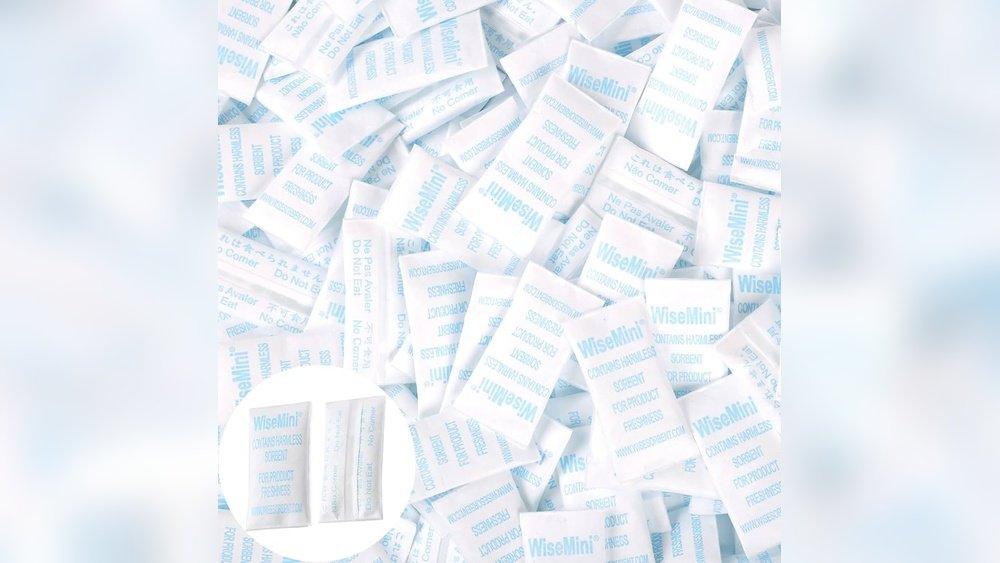
Have you ever opened a package or a box and noticed those tiny silica gel packets inside? They might seem insignificant, but they play a crucial role in keeping your belongings dry and safe.
But here’s a question you might have asked yourself: how long does it actually take for silica gel to dry out moisture? Understanding this can help you know when to replace or recharge the packets, protecting your valuables from damage.
Keep reading, and you’ll discover exactly how silica gel works, how quickly it absorbs moisture, and the best ways to keep it effective for your needs.
Silica Gel Basics
Silica gel is a small, bead-like substance found in many packages. It helps keep things dry by absorbing moisture. This keeps products safe from damage caused by water. Understanding silica gel helps explain how it works and how long it takes to dry out moisture.
People often see silica gel in shoe boxes, electronics, and food packages. It stops mold, rust, and spoilage. Knowing the basics of silica gel helps to use it better and know its limits.
What Silica Gel Does
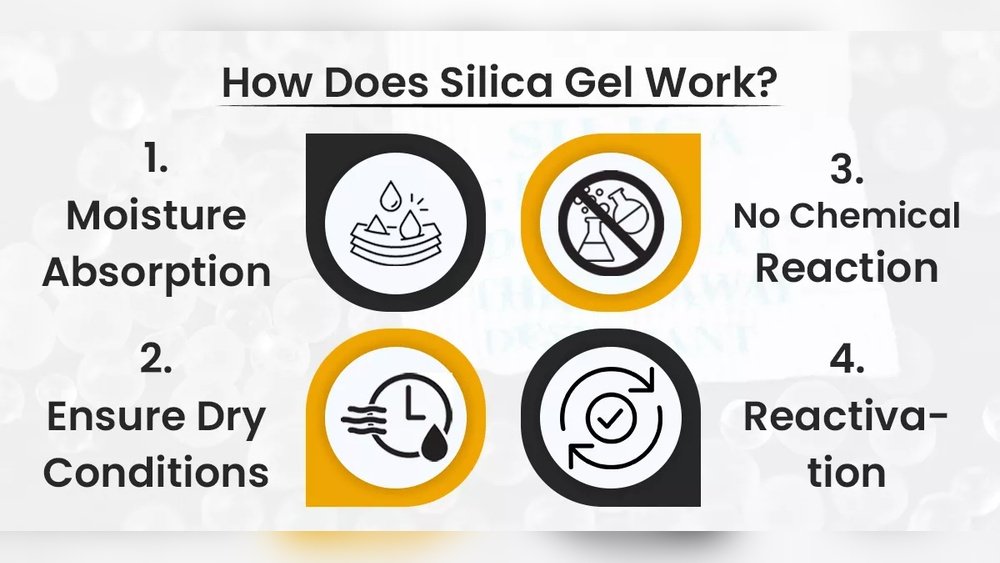
Silica gel absorbs moisture from the air around it. It traps water inside its tiny pores. This stops moisture from reaching other items nearby. It does not dissolve in water, but holds moisture like a sponge. It keeps products dry and safe during storage and shipping.
Silica gel can absorb about 40% of its weight in moisture. It works best in sealed spaces where air is limited. When full of moisture, it no longer works until it dries out again.
Types Of Silica Gel
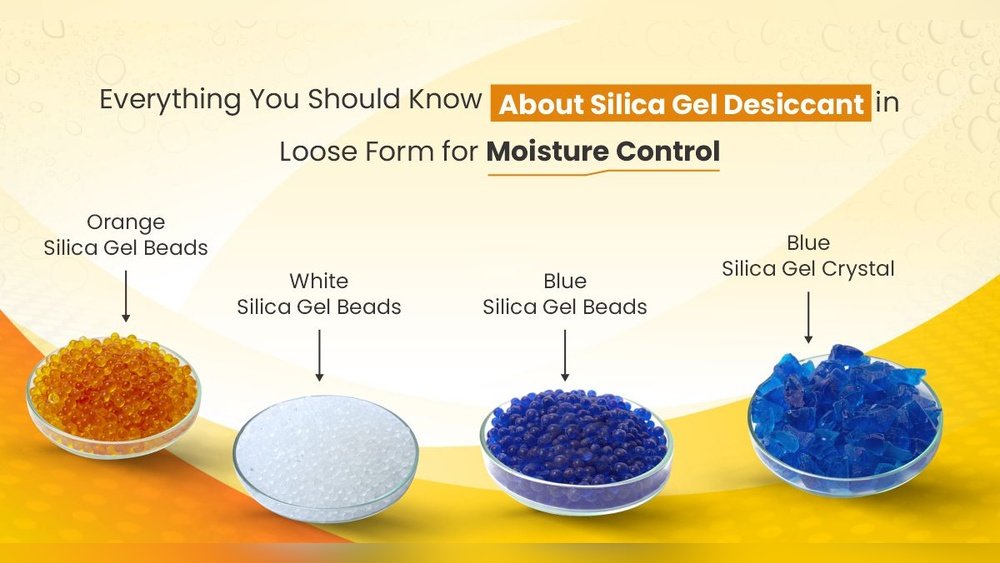
There are two main types of silica gel: indicating and non-indicating. Indicating silica gel changes color when it absorbs moisture. This shows when it needs to be dried or replaced. Common colors include blue and orange.
Non-indicating silica gel does not change color. It looks like small, clear beads. It absorbs moisture the same way but gives no visual clue. Both types are useful depending on the need.

How Silica Gel Absorbs Moisture
Silica gel is a common material used to keep things dry. It works by absorbing moisture from the air. This helps protect items from damage caused by water. Understanding how silica gel absorbs moisture can explain how it keeps spaces dry and safe.
Absorption Process
Silica gel is made of tiny beads with many holes. These holes trap water molecules from the air. The gel pulls moisture inside and holds it tightly. This stops water from floating freely. The process is called adsorption, where water sticks to the surface.
Each bead can hold a lot of moisture because of its large surface area. As the gel absorbs water, it changes from dry to wet. This makes it less effective over time. But it can be dried and reused.
Factors Affecting Efficiency
Temperature affects how well silica gel works. Higher temperatures make it absorb moisture faster. Lower temperatures slow down the process. Humidity also plays a role. More moisture in the air means faster absorption.
The size of silica gel beads matters too. Smaller beads have more surface area and absorb quicker. The amount of gel used impacts how much moisture it can hold. Using enough gel for the space is important for best results.
Drying Time Estimates
Estimating how long silica gel takes to dry out moisture is important for many uses. The drying time depends on several factors. Knowing these can help you plan better for storage or reuse. Below are some typical drying times and how the environment changes them.
Typical Duration
Silica gel usually absorbs moisture within a few hours. It can take anywhere from 4 to 24 hours to dry out completely. Small packets dry faster than large ones. The drying time also depends on how wet the silica gel is at the start. Fresh silica gel absorbs moisture quickly.
Reactivating silica gel by heating can take 1 to 3 hours. Oven drying at 250°F (120°C) speeds up the process. Some types may need longer to dry fully. It is best to check the gel’s color indicator if available.
Impact Of Environment
Humidity greatly affects drying time. High humidity slows the drying process. Low humidity helps silica gel dry faster. Temperature also plays a role. Warmer air speeds up moisture evaporation. Cooler air slows it down.
Airflow around the silica gel is important too. Good ventilation helps remove moisture quicker. Stale or closed spaces extend drying time. Proper air circulation allows faster drying and better performance.
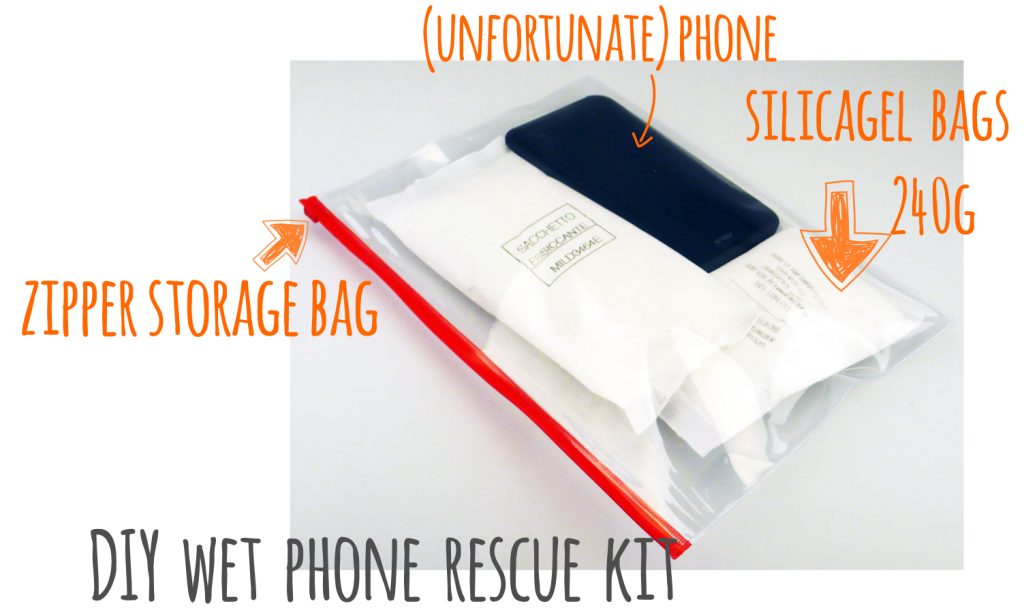
Speeding Up The Drying Process
Speeding up the drying process of silica gel helps you reuse it faster. Silica gel absorbs moisture but needs to dry out to work again. Drying silica gel quickly saves time and keeps it effective. Simple steps can make the drying process faster and easier.
Best Conditions
Drying silica gel works best in a warm, dry place. Low humidity helps the gel release moisture quickly. Good air flow also speeds up drying. Spread silica gel out in a thin layer for faster drying. Avoid crowded spaces where air cannot circulate well.
Using Heat Or Sunlight
Heat can dry silica gel faster than air alone. Use an oven at low heat, around 250°F (120°C), to dry it. Check often to prevent burning. Sunlight is another option but takes longer. Place silica gel in direct sunlight on a dry day. Heat removes moisture quickly, making silica gel ready to reuse.
Indicators Silica Gel Is Saturated
Silica gel absorbs moisture from the air and protects items from dampness. Over time, it becomes saturated and less effective. Knowing the signs of saturation helps you decide when to recharge or replace it. Here are clear indicators to watch for.
Color Change Markers
Many silica gel packs change color as they absorb moisture. Blue silica gel turns pink when full of water. Orange gel shifts to green or clear. These color changes signal the gel can no longer absorb moisture well. Watch for fading or brightening colors. It means the silica gel needs drying or replacement.
Moisture Levels
Silica gel’s moisture level rises as it absorbs water. When saturated, it cannot hold more moisture. You may notice dampness or smell mustiness near the gel. Items stored with saturated silica gel may feel clammy or wet. Measuring moisture levels with a humidity meter confirms saturation. High humidity readings indicate the gel is full.
Reactivating Silica Gel
Silica gel can absorb moisture, but it fills up over time. Reactivating silica gel restores its drying power. This process removes the moisture trapped inside the gel beads.
Reactivating silica gel saves money and reduces waste. It allows you to use the same packets many times. Two common ways to dry out silica gel are the oven and microwave methods.
Oven Drying Method
Preheat the oven to 250°F (120°C). Spread silica gel packets on a baking tray. Bake for about 1 to 2 hours. Check the packets every 30 minutes to avoid burning. Let them cool before handling. This method dries silica gel evenly and thoroughly.
Microwave Drying Method
Place silica gel packets in a microwave-safe container. Heat on medium power for 3 to 5 minutes. Stop and shake the packets every minute. Avoid overheating to prevent damage. Let the packets cool before use. This method is quick and effective for small amounts.
Practical Tips For Using Silica Gel
Silica gel helps keep things dry by absorbing moisture. Using it well extends its life and keeps items safe. Practical tips help you use silica gel correctly and effectively.
Storage Advice
Keep silica gel in an airtight container. This stops it from absorbing moisture from the air. Store unused packets in a dry place. Avoid storing near water or humid areas. Check packets regularly to see if they feel damp. Replace or dry the gel when it becomes saturated.
Safety Precautions
Silica gel is not edible. Keep it away from children and pets. Avoid opening the packets to prevent dust exposure. Use gloves if handling large amounts. Dispose of used packets properly. Follow any safety instructions on the package. Handle with care to avoid spills or leaks.

Frequently Asked Questions
How Long Does Silica Gel Take To Absorb Moisture?
Silica gel typically absorbs moisture within 24 to 48 hours. The exact time depends on humidity levels and the gel’s amount. It works faster in high moisture environments and slows down as it nears saturation.
Can Silica Gel Dry Out Moisture Completely?
Silica gel can absorb up to 40% of its weight in moisture. While it significantly reduces humidity, it may not remove 100% moisture from large or very damp areas.
How To Tell When Silica Gel Is Fully Saturated?
Saturated silica gel changes color if it has an indicator. Otherwise, it feels damp or heavy. When saturated, its ability to absorb moisture stops, signaling it’s time to recharge or replace.
How To Recharge Silica Gel For Reuse?
To recharge silica gel, heat it in an oven at 250°F (120°C) for 1-2 hours. This process evaporates absorbed moisture, restoring its drying capability for reuse.
Conclusion
Silica gel usually takes a few hours to dry out moisture. The exact time depends on humidity and temperature. Warm air helps it absorb moisture faster. You can reuse silica gel by drying it in the sun or oven. Keep silica gel packets in sealed containers for best results.
Knowing how long it takes helps protect your items from moisture damage. Simple care keeps silica gel effective for a long time. This makes it a handy tool for keeping things dry.