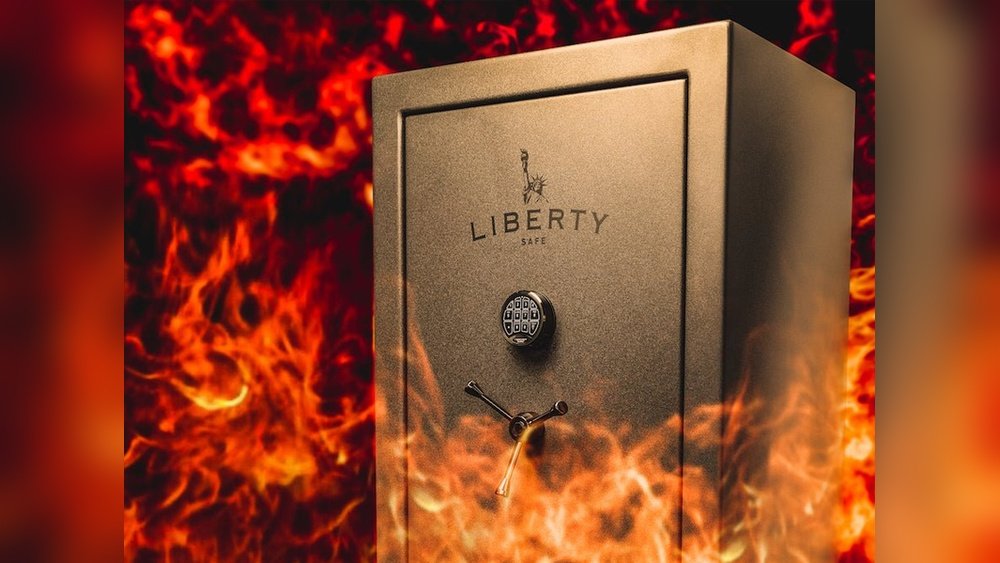
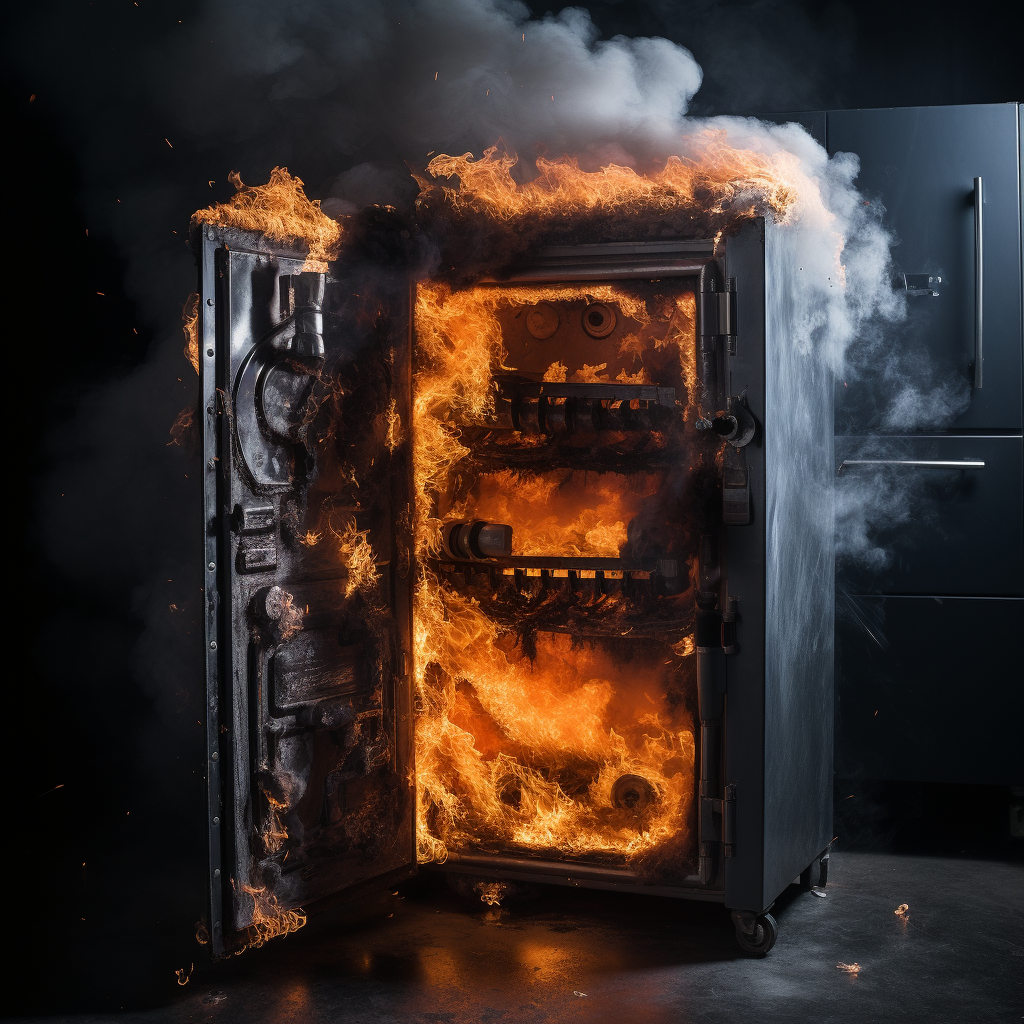
When it comes to protecting your valuable firearms, one question probably weighs heavily on your mind: how long can a fireproof gun safe really withstand fire? You want to be sure that your guns and important documents inside will survive a blaze, but not all fireproof safes are built the same.
Knowing what to expect can give you peace of mind and help you choose the right safe for your needs. Keep reading, and you’ll discover the key facts about fire resistance, what those ratings mean for your safety, and how to make the best choice to protect what matters most to you.
Fireproof Ratings Explained
Fireproof ratings help you understand how long a gun safe can protect its contents from fire. These ratings come from tests that measure heat resistance and time. Knowing these ratings guides you to pick the right safe for your needs.
Temperature Thresholds
Fireproof safes have limits on how much heat they can take. Most safes protect against temperatures up to 1,200°F or 1,700°F. Below these points, the safe keeps guns and documents safe inside. The lower the temperature it resists, the better the protection.
Duration Standards
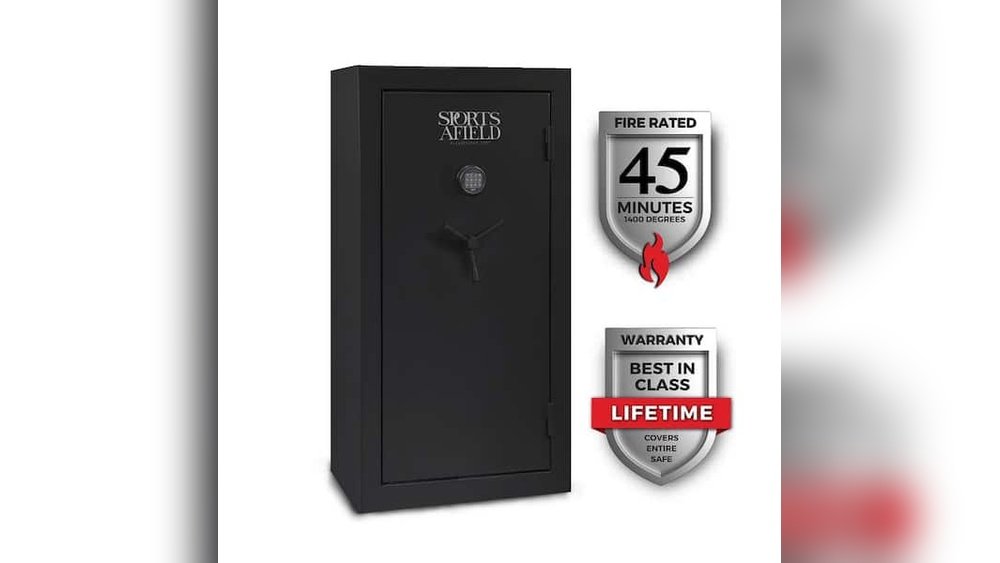
Fireproof ratings also show how long a safe lasts in fire. Common ratings are 30 minutes, 60 minutes, or 120 minutes. The longer the safe holds, the more time you have to save your valuables. Choose a safe with a duration that fits your risk level.
Testing Methods
Testing fireproof safes involves real fires or special ovens. Experts heat the safe to set temperatures for the rated time. They check inside to see if guns or papers survive. These tests ensure safes meet safety claims before selling.

Materials Used In Fireproof Safes
Fireproof gun safes protect your valuables from extreme heat and flames. The materials used in these safes play a key role in their fire resistance. Knowing what goes inside helps you understand how long your safe can withstand fire. The right materials slow heat transfer and keep the interior cool.
Insulation Types
Fireproof safes use special insulation to block heat. Common types include gypsum, perlite, and ceramic fiber. Gypsum absorbs heat and releases moisture, which cools the safe’s inside. Perlite is a lightweight mineral that traps air to reduce heat flow. Ceramic fiber offers strong heat resistance at high temperatures. These materials help keep gun safes safe during a fire.
Steel And Composite Layers
Steel is the main outer layer in most fireproof safes. It is strong and resists fire damage. Inside, layers of composite materials add extra fire protection. These layers work together to block heat and shield the safe’s contents. The steel also adds security against break-ins. The combination of steel and composites improves fire endurance time significantly.
Common Fire Duration Ratings
Fireproof gun safes come with different fire duration ratings. These ratings show how long the safe can protect your valuables during a fire. Choosing the right rating depends on your needs and the level of fire risk in your area. Below are the common fire duration ratings you will find for gun safes.
30 Minutes
A 30-minute fire rating means the safe can protect its contents for half an hour. This rating suits areas with quick emergency response times. It offers basic protection against short fires. It is a common choice for small or budget safes.
60 Minutes
Sixty minutes of fire resistance provides a stronger shield. It allows more time for firefighters to arrive. This rating works well for homes in moderate fire risk zones. It helps keep guns and documents safe during longer fire events.
90 Minutes And Beyond
Ratings of 90 minutes or more offer the highest fire protection. These safes use thicker insulation and stronger materials. They are ideal for high-risk areas or valuable collections. The longer protection time increases the chance of surviving severe fires.

Factors Affecting Fire Resistance
Fireproof gun safes protect valuables from heat and flames. Their fire resistance depends on several key factors. Understanding these helps choose the right safe for your needs.
Safe Size And Thickness
Larger safes often have thicker walls. Thicker walls slow down heat transfer during a fire. This means contents stay cooler longer. Small safes may heat up faster. Thicker steel and insulation improve fire resistance. The size and thickness work together to block heat.
Seal Quality
Good seals keep smoke and heat out. Fireproof safes have special seals around doors. These expand when heated, closing gaps tightly. Poor seals let hot air inside quickly. This raises the internal temperature fast. Quality seals are vital for protecting guns and documents.
Environmental Conditions
External factors influence fire resistance too. High fire temperatures or longer fire duration test the safe. Humidity and moisture affect insulation materials. Placement matters: safes in enclosed spaces may stay cooler. Direct exposure to flames is more dangerous. These conditions impact how long a safe protects.
Real-world Fire Safe Performance
Real-world fire safe performance shows how well fireproof gun safes protect valuables. Tests and real incidents reveal their strengths and limits. Fire safes are designed to resist heat for a certain time. Yet, actual fires can be unpredictable and intense.
Knowing how safes hold up in real fires helps buyers choose wisely. Experiences from users and case studies give practical insights. These stories show how safes perform beyond lab conditions.
Case Studies
Many fire incidents prove fire safes can protect guns and documents. One case involved a house fire lasting over 30 minutes. The gun safe inside maintained internal temperatures under 350°F. This kept firearms undamaged and safe.
Another case showed a safe surviving a wildfire. Despite flames and extreme heat, the safe’s lock still worked. Contents were untouched after firefighters controlled the blaze.
Some safes failed in fires lasting more than an hour. Heat penetrated the safe, causing damage to contents. These examples show fire rating times are guidelines, not guarantees.
User Experiences
Many users report safes protecting valuables during unexpected fires. They praise safes for keeping guns and papers intact. One user found their safe’s fire rating true after a kitchen fire.
Others noticed safes can get very hot outside but stay cool inside. This shows the insulation works well during moderate fires. Users advise placing safes away from direct fire sources.
Some users recommend checking door seals and locks regularly. These parts are crucial for fire protection. A small gap can let heat or smoke damage contents.
Overall, real users trust fireproof gun safes for peace of mind. They understand safes reduce risk but do not guarantee total protection.
Maintenance To Ensure Fire Protection
Proper maintenance keeps your fireproof gun safe reliable during a fire. Regular checks help maintain its fire protection features. Small problems fixed early prevent bigger damage later. Maintaining the safe ensures it lasts longer and protects your valuables well.
Seal Inspections
Check the door seal often for cracks or wear. The seal blocks heat and smoke from entering the safe. Replace the seal if it looks damaged or dry. Clean the seal with a soft cloth to remove dust. A tight seal improves the safe’s fire resistance.
Safe Placement Tips
Place the safe away from direct heat sources like heaters. Avoid placing it near windows where sunlight can heat it up. Put the safe on a flat, stable surface to prevent damage. Keep it in a dry area to avoid moisture problems. Proper placement helps the safe keep its fire protection ability.
Choosing The Right Fireproof Safe
Choosing the right fireproof gun safe protects your firearms and valuables from fire damage. Not all safes offer the same level of protection. Knowing what to consider helps you pick a safe that fits your needs and budget.
Assessing Your Needs
Think about what you want to store inside the safe. Fireproof safes vary in size and fire rating. Smaller safes suit handguns and documents. Larger safes hold rifles and more items.
Check the fire rating carefully. It shows how long the safe can withstand heat. Common ratings range from 30 minutes to 2 hours. Choose one that meets your protection needs.
Budget Considerations
Set a budget before shopping. Fireproof safes cost more than regular safes. Prices depend on size, fire rating, and features. Decide how much you can spend without overspending.
Balance price and quality. A cheap safe might not protect well. A good safe is an investment in safety. Avoid buying the cheapest option.
Brand Comparisons
Research brands known for quality fireproof safes. Look for customer reviews and ratings. Trusted brands often offer better warranties and support.
Compare features like lock type, weight, and construction. A heavier safe usually means stronger materials. Pick a brand that matches your safety and budget needs.
Frequently Asked Questions
How Long Do Fireproof Gun Safes Protect Against Fire?
Fireproof gun safes typically withstand fire for 30 minutes to 2 hours. The exact time varies by safe model and rating. Higher-rated safes offer longer protection, keeping internal temperatures low to prevent damage to firearms and valuables inside during a fire.
What Temperature Can Fireproof Gun Safes Endure?
Most fireproof gun safes can endure temperatures up to 1,200°F to 1,800°F. This heat resistance prevents internal temperatures from rising above 350°F, protecting guns and ammunition from heat damage during fires.
Are All Fireproof Gun Safes Equally Effective?
No, fireproof gun safes differ in fire resistance ratings and construction quality. Look for safes tested by recognized organizations like UL or ETL. Higher-rated safes provide longer fire protection and better security for your firearms.
Can Fireproof Gun Safes Protect Against Smoke Damage?
Yes, quality fireproof gun safes also protect against smoke and heat damage. Sealed doors and insulation keep smoke out, preserving the condition of guns and documents during a fire event.
Conclusion
Fireproof gun safes protect valuables from heat and flames. Most safes can withstand fire for 30 minutes to 2 hours. The exact time depends on the safe’s rating and materials. Always check the fire rating before buying a safe. Keep important items inside to stay safe during fires.
Investing in a quality fireproof safe brings peace of mind. Fire protection helps preserve your valuables when disaster strikes. Choose a safe that fits your needs and budget well. Safety matters, and a good safe can make a difference.