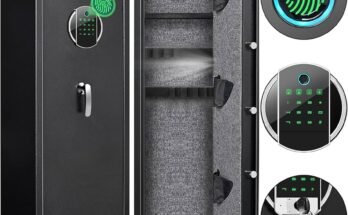
Most carbine safes weigh 60 to 250 pounds, depending on size and steel.
If you’re wondering How heavy is a typical carbine safe, you’re in the right place. I’ve installed, moved, and tested many rifle and AR-15 safes in homes and shops. In this guide, I’ll break down real weights, what changes them, and how to choose. You’ll see clear examples, simple tips, and honest trade-offs that fit your space, budget, and security needs.

What counts as a carbine safe, and what does it weigh?
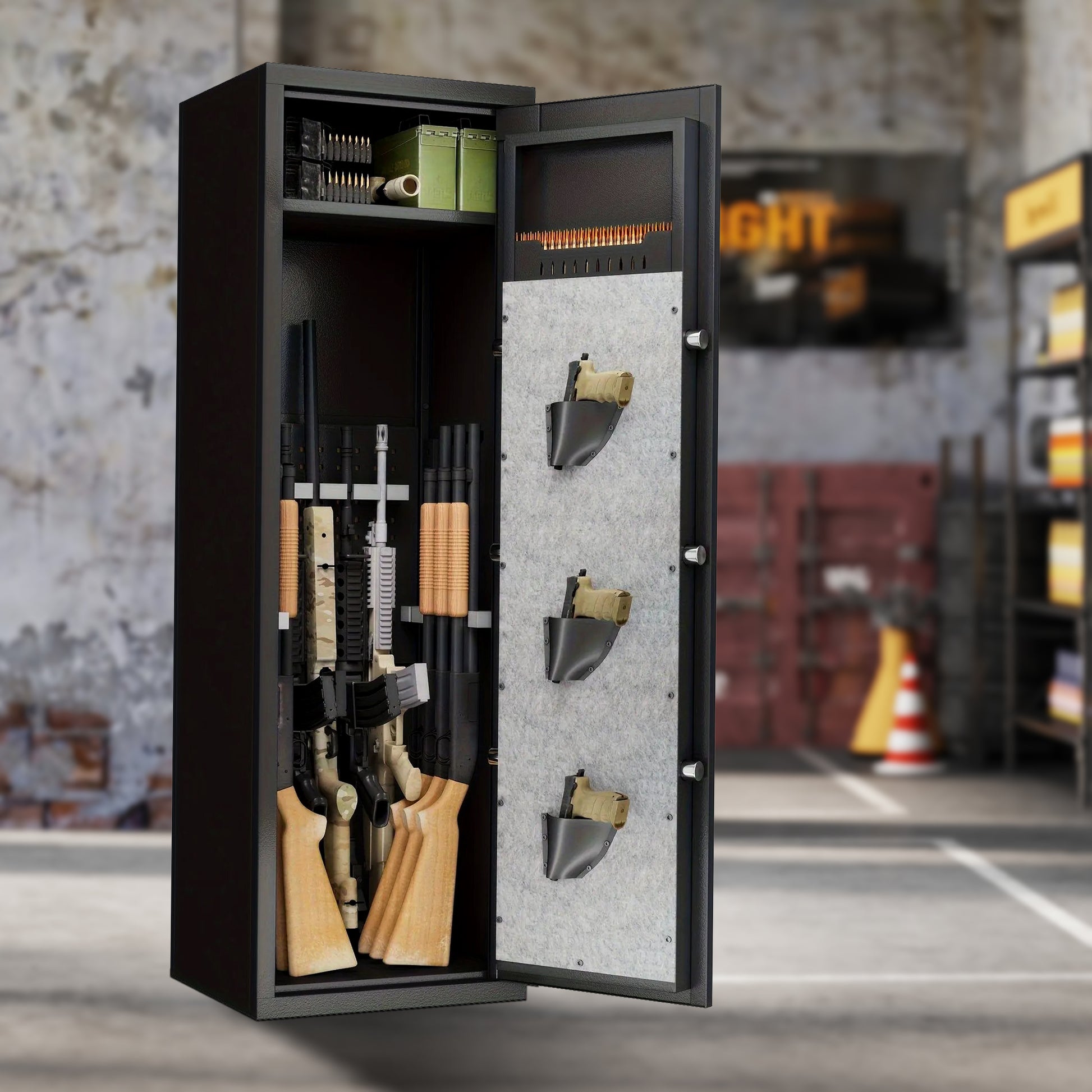
A carbine safe holds a short rifle or two, often an AR-15 or PCC. It is taller than a pistol safe, but smaller than a full long-gun safe. It focuses on quick access, secure storage, and a slim footprint.
Here’s the short breakdown most buyers want when asking How heavy is a typical carbine safe:
- Ultra-compact rifle lockers (thin steel): 40 to 80 lb
- Compact quick-access carbine safes: 60 to 150 lb
- Mid-size carbine/12-gun cabinets: 90 to 250 lb
- Compact RSC-rated long-gun safes: 200 to 400 lb
Weight rises with better steel, a thicker door, and fireboard. If you need to know How heavy is a typical carbine safe for upstairs use, plan on 80 to 200 lb for most compact models, and up to 400 lb for heavier builds.

Factors that affect weight
If you’re comparing models and still asking How heavy is a typical carbine safe, the answer lives in these variables.
Size and capacity
- Taller and deeper bodies use more steel.
- A 1–2 rifle slim safe is usually under 150 lb. A wider 8–12 gun cabinet runs heavier.
Steel thickness (gauge)
- Higher gauge number means thinner steel. 18-gauge is thin. 14-gauge is common. 12–10-gauge is stout.
- Going from 18-gauge to 12-gauge can add 30–120 lb in similar sizes.
Door and frame
- Reinforced doors, internal hinges, and multi-bolt gear add a lot of weight.
- A heavy door can be 25–40 percent of total safe weight.
Fire protection
- Fireboard layers or composite fill add mass fast.
- Expect 30–150 lb extra for real fire insulation in compact bodies.
Locking hardware
- Mechanical dials and robust gear packs add more than simple electronic latches.
- Extra steel hardplates around locks add pounds but block drilling.
Construction method
- RSC-rated safes (tested to resist forced entry) are heavier than simple cabinets.
- Composite or concrete-filled walls (rare in compact carbine safes) raise weight a lot.
Accessories and interior
- Door panels, cradle grids, shelves, and LED kits add 5–20 lb.
- Loaded mags and optics add even more once in use.
Anchoring and packaging
- Anchors, mounting brackets, and bases add a few pounds.
- Shipping pallets and cartons add 30–70 lb to the listed net weight.
These factors explain why two similar-sized units can differ by 100 lb. It’s the best way to answer How heavy is a typical carbine safe without guessing.
Real-world examples and published weights
Numbers help. These common models show the spread. Weights are approximate and can vary by year and trim.
- Slim rifle lockers (metal cabinets): Often 55–90 lb for 1–4 rifles.
- Barska biometric rifle safes: Many list 60–80 lb for compact 1–2 rifle units.
- Vaultek RS200i/RS500i: Around 60–105 lb depending on size and shelves.
- SecureIt Agile Model 52: About 90–105 lb assembled, depending on configuration.
- Stack-On 8–12 gun cabinets: Often 55–115 lb (thin steel, no real fireboard).
- Liberty Centurion 12: Roughly 240–260 lb (heavier steel, entry RSC class).
- Mid-compact RSC safes with fireboard: Commonly 250–400 lb.
If you asked me How heavy is a typical carbine safe for a condo, I’d point to 80–150 lb units for easy setup. If you want more tamper resistance, expect 200–350 lb.

Floor load, moving, and safety tips
This is where theory meets real life. I’ve moved safes up stairs, across old hardwood, and into tight closets. A few simple rules will save your back and floors.
- Plan the path. Measure doors, turns, and landings. Remove tripping hazards.
- Team lift. Use an appliance dolly with straps and stair skids. Never risk a solo move.
- Remove weight first. Empty the interior. If the door lifts off, take it off.
- Protect floors. Use plywood runners or moving sliders on vinyl and wood.
- Place near a bearing wall. Floors handle load best near walls and over joists.
- Anchor it. Two to four anchors stop tip-over and pry leverage. Check the slab or joist placement.
Typical residential live load is about 40 pounds per square foot. A 250 lb safe with a 2.5 square foot footprint puts 100 psf in theory, but load spreads across joists and through the base. When you ask How heavy is a typical carbine safe for an upstairs room, think more about smart placement and anchoring than raw pounds.
How to choose the right weight for your needs
Use case matters more than any single number. Tie your pick to risk, access, and where it will live.
-
Apartments or upper floors
Aim for 60–150 lb. Anchor to studs or concrete where allowed. Choose discreet, quick-access units. -
Suburban home, moderate risk
Pick 150–300 lb. Seek better steel and a reinforced door. Add basic fireboard if you store optics or papers. -
High risk or rural, more time to attack
Step to 250–400 lb in compact sizes. Choose RSC-rated doors, internal hinges, and a heavy body. -
Shared spaces and kids
Prioritize reliable locks and solid anchoring. Heavier is better if you can install it safely.
When friends ask me How heavy is a typical carbine safe for a first buy, I say start around 100–200 lb. It’s a solid balance of security, cost, and easy setup.
Cost, weight, and real security
Weight is not everything, but it tracks with security. More steel and better doors cost more and weigh more.
- Cabinets: Cheapest, lightest. Good for basic deterrence. 40–120 lb.
- Mid-grade safes: Thicker steel and more bolts. 150–350 lb. Big jump in pry resistance.
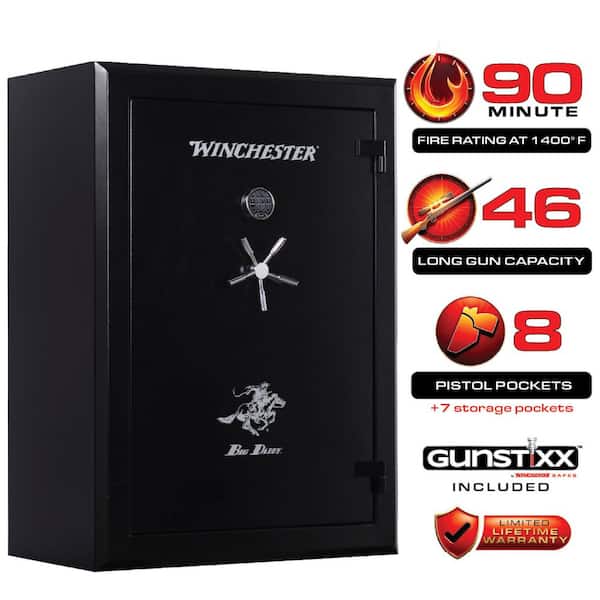
- RSC-rated units: Tested to a standard. Often 250–400 lb in compact sizes.
If your budget is tight and you still wonder How heavy is a typical carbine safe that protects well, target the heaviest model within your size and price range that you can anchor. Weight plus anchoring beats either alone.
Measuring and verifying your safe’s weight
Don’t trust guesses. Check it.
- Read the spec sheet. Note net weight versus shipping weight.
- Weigh with scales. Two bathroom scales and boards can approximate weight on each side.
- Call the maker. Ask about steel gauge, door weight, and fireboard layers.
- Confirm the path. If you’re still unsure about How heavy is a typical carbine safe for your stairs, hire a safe mover. It’s cheaper than a cracked step or a strained back.
Frequently Asked Questions of How heavy is a typical carbine safe
How heavy is a typical carbine safe for an AR-15 with optics?
Most compact AR-15 safes weigh 80 to 150 lb before gear. Add 5 to 15 lb once you load mags and mounts.
Does a heavier carbine safe always mean more security?
Usually yes, because heavier safes use thicker steel and stronger doors. Still, anchoring and lock quality matter a lot.
Can I put a 250 lb carbine safe on an upper floor?
Yes, with smart placement near a bearing wall and proper anchoring. Use a dolly, protect floors, and get help moving it.
What’s the difference between net and shipping weight?
Net weight is the safe alone. Shipping weight includes pallet, box, and packing, which can add 30 to 70 lb.
How heavy is a typical carbine safe with real fire protection?
Expect 200 to 350 lb for compact models with fireboard. Fire layers and door seals add notable weight.
Will wall-mount rifle lockers reduce weight?
Yes, many wall-mount units weigh 40 to 80 lb. They save floor space but need solid anchoring into studs or masonry.
How heavy is a typical carbine safe that meets RSC standards?
Compact RSC-rated safes often run 250 to 400 lb. The door and thicker body steel drive the increase.
Conclusion
You now have a clear view of the market and the numbers. A light cabinet runs 40–80 lb. A solid compact safe sits around 100–200 lb. Heavy-duty compact builds can reach 250–400 lb. Match the weight to your risk, your floor, and how fast you need access.
When in doubt, choose the heaviest safe you can install and anchor well. That simple rule raises real security. If this helped answer How heavy is a typical carbine safe for your space, explore more guides, compare specs, and share your setup questions in the comments.