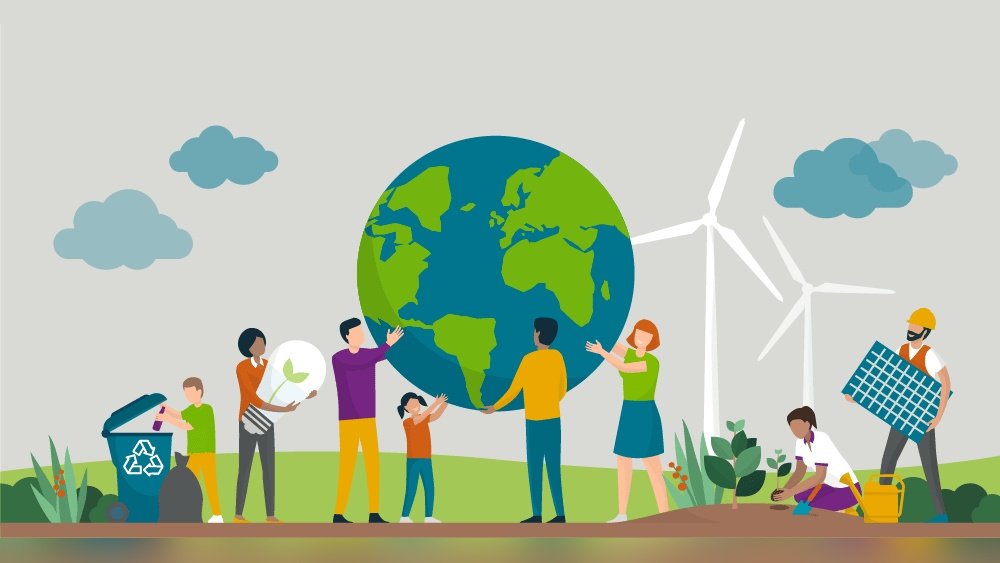
Have you ever stopped to think about how your daily choices affect the planet? Environmental protection isn’t just a big idea for scientists or governments—it’s something you can influence every single day.
The air you breathe, the water you drink, and the natural beauty around you all depend on actions taken to protect the environment. What if you could make simple changes that not only help the Earth but also improve your own life?
Keep reading to discover easy ways you can take part in protecting the environment and why it matters more than you might realize.
Causes Of Environmental Damage
Environmental damage affects the air, water, and land we depend on. Many human activities cause harm to nature. Understanding these causes helps us protect the planet better.
Industrial Pollution
Factories release harmful gases and chemicals into the air and water. These pollutants poison animals and plants. Industrial waste often ends up in rivers, killing fish and plants.
Deforestation
Cutting down trees removes homes for many animals. It also reduces the Earth’s ability to clean the air. Without trees, soil washes away, causing floods and loss of fertile land.
Climate Change Effects
Burning fossil fuels raises Earth’s temperature. This causes extreme weather like storms and droughts. Rising temperatures also melt ice, raising sea levels and harming coastal areas.
Waste Disposal Challenges
Garbage piles up in landfills and oceans. Plastic waste harms sea creatures and birds. Poor waste management spreads diseases and pollutes the soil and water.
Renewable Energy Solutions
Renewable energy solutions play a vital role in protecting our environment. These energy sources come from natural processes that replenish quickly. Using renewable energy reduces pollution and cuts down greenhouse gas emissions. It also helps lower dependence on fossil fuels, which harm the planet.
Switching to renewable energy creates cleaner air and water. It supports a healthier ecosystem and combats climate change. Many countries are investing in renewable technologies to build a sustainable future.
Solar Power Benefits
Solar power uses sunlight to generate electricity. It is abundant and free. Solar panels can be installed on rooftops or open land. They produce clean energy without polluting air or water. Solar energy lowers electricity bills and requires little maintenance. It also creates jobs in manufacturing and installation.
Wind Energy Potential
Wind energy comes from air movement. Wind turbines convert wind into electricity. It is a fast-growing renewable energy source. Wind farms can be built on land or offshore. Wind power produces no pollution and uses no water. It helps diversify energy supply and reduce carbon emissions.
Hydropower Uses
Hydropower generates electricity from flowing water. Dams and rivers provide a steady energy source. It is reliable and efficient. Hydropower plants can adjust output to meet demand. This energy source does not emit greenhouse gases. It also supports water management and irrigation.
Emerging Green Technologies
New renewable technologies are developing rapidly. These include tidal energy, geothermal power, and bioenergy. They offer more options for clean energy production. Innovations focus on efficiency and reducing costs. Emerging technologies help expand renewable energy use worldwide.
Conservation Practices
Conservation practices play a key role in protecting the environment. They help save natural resources and keep ecosystems healthy. Simple actions can make a big difference for the planet. These practices focus on using resources wisely and protecting nature for future generations.
Water Conservation Methods
Water is a precious resource. Saving water reduces stress on rivers and lakes. Fixing leaks and turning off taps while brushing helps save water. Using rainwater for gardens cuts down on water use. Choosing water-efficient appliances also lowers water waste.
Protecting Wildlife Habitats
Wildlife needs safe places to live and grow. Protecting forests, wetlands, and grasslands keeps animals safe. Avoid cutting down trees and polluting water. Planting native trees and flowers supports local wildlife. Creating protected areas helps endangered species survive.
Sustainable Agriculture
Farming can harm the environment if done carelessly. Sustainable agriculture uses fewer chemicals and saves soil. Crop rotation and composting improve soil health. Growing diverse plants reduces pests naturally. This way, farms produce food without hurting nature.
Reducing Plastic Usage
Plastic pollution harms oceans and wildlife. Using less plastic lowers waste in landfills and seas. Choose reusable bags, bottles, and containers. Avoid single-use plastics like straws and cups. Recycling plastic helps keep it out of nature.
Role Of Government Policies
Government policies play a key role in protecting the environment. They set rules and provide support to reduce pollution and conserve nature. These policies guide businesses and citizens to act in ways that help the planet. Clear laws and smart planning shape a sustainable future.
Environmental Regulations
Environmental regulations limit harmful emissions and waste. They require companies to follow safe practices. These laws protect air, water, and soil quality. Strict rules help reduce pollution and preserve natural resources. Regular monitoring ensures compliance and keeps ecosystems safe.
Incentives For Green Businesses
Governments offer incentives to encourage eco-friendly businesses. These include tax breaks, grants, and subsidies. Support makes clean energy and recycling projects affordable. Green businesses create jobs and reduce environmental harm. Incentives help new technologies grow and spread faster.
International Cooperation
Environmental issues cross borders and need global action. Governments work together on climate change and wildlife protection. Treaties and agreements set common goals and standards. Sharing knowledge and resources improves results worldwide. Cooperation strengthens efforts to save the planet.
Urban Planning For Sustainability
Urban planning shapes cities to be green and livable. It includes parks, clean transport, and energy-efficient buildings. Smart planning reduces traffic and pollution. It promotes walking, biking, and public transit. Sustainable cities improve health and lower carbon footprints.
Community Engagement
Community engagement plays a key role in protecting the environment. People working together can make a big difference. Small actions by many can lead to great results. It helps spread awareness and builds strong local support for nature.
Getting involved in your community creates a sense of responsibility. It encourages sharing ideas and learning from others. This makes environmental protection a shared goal, not just an individual effort.
Grassroots Movements
Grassroots movements start with local people who care about their environment. They organize events, clean-ups, and campaigns. These groups raise voices against pollution and habitat loss.
They bring attention to local issues that bigger organizations might miss. Their passion inspires neighbors to join and take action. Grassroots efforts often lead to policy changes and stronger environmental laws.
Environmental Education
Teaching people about the environment helps build long-term care. Schools and community centers offer programs on nature and recycling. Learning simple facts can lead to better habits.
Education also helps children understand why protecting nature matters. It encourages families to make eco-friendly choices together. Knowledge spreads, and communities grow stronger in their efforts.
Volunteer Initiatives
Volunteering connects people with hands-on ways to help the Earth. Activities like planting trees and cleaning parks make a real impact. Volunteers see the results of their work immediately.
These initiatives bring diverse groups together for a common cause. They build friendships and foster teamwork. Volunteering also teaches skills and boosts confidence in community roles.
Promoting Eco-friendly Lifestyles
Encouraging simple lifestyle changes reduces harm to the planet. Using less plastic, saving energy, and choosing public transport helps. Communities that share tips and support each other grow stronger.
Eco-friendly habits become easier when many people practice them. This creates a culture of care for the environment. Small daily actions add up to big positive effects.
:max_bytes(150000):strip_icc()/Environmental-protection-agency_final-e84b28d646514f19b74d3f1a0cf82d02.png)
Corporate Responsibility
Corporate responsibility means businesses act in ways that protect the environment. Companies have a duty to reduce harm to nature while making profits. This helps keep the planet safe for future generations. Many companies now see green practices as a key part of their work. They focus on lowering pollution and using resources wisely.
Green Business Practices
Green business practices involve using less energy and water. Companies switch to renewable energy like solar or wind power. They also recycle materials to cut waste. Using eco-friendly products reduces damage to the environment. These actions show a company cares about nature and its impact.
Reducing Carbon Footprint
Reducing carbon footprint means lowering greenhouse gas emissions. Companies use energy-efficient machines and vehicles. They encourage remote work to cut travel emissions. Planting trees helps absorb carbon from the air. Every small step helps slow climate change and protect Earth.
Sustainable Supply Chains
Sustainable supply chains focus on ethical and green sourcing. Businesses choose suppliers who follow eco-friendly methods. They avoid products that harm forests or wildlife. Using local materials reduces transport pollution. This creates a cleaner and fairer supply system.
Corporate Environmental Reporting
Corporate environmental reporting shares a company’s eco efforts with the public. It shows data on energy use, waste, and emissions. Transparency builds trust with customers and investors. Companies improve by tracking their environmental progress regularly.
Technological Innovations
Technology plays a key role in protecting our environment. New tools and methods help reduce pollution and save natural resources. These innovations make it easier to fight climate change and keep the planet clean.
Here are some important technological advancements helping the environment today.
Carbon Capture Techniques
Carbon capture traps carbon dioxide before it reaches the air. This reduces greenhouse gases that cause global warming. Plants and machines can capture carbon from factories and power plants. The captured carbon is stored underground or used in other products. These techniques help lower the carbon footprint of industries.
Waste-to-energy Technologies
Waste-to-energy turns trash into usable power. This process burns or breaks down waste to create electricity or heat. It reduces the amount of garbage in landfills. It also lowers the need for fossil fuels. These technologies make waste management cleaner and more efficient.
Smart Environmental Monitoring
Smart monitoring uses sensors and devices to track air and water quality. This data helps detect pollution early. It guides actions to protect ecosystems and human health. Real-time monitoring supports better decisions and faster responses to problems. Technology makes environmental care more precise and effective.
Advancements In Recycling
Recycling technology improves sorting and processing of materials. New machines separate plastics, metals, and paper more accurately. This increases the amount of material that can be reused. Advanced recycling reduces waste and saves energy. It supports a circular economy by turning old items into new products.

Frequently Asked Questions
What Is Environmental Protection And Why Is It Important?
Environmental protection involves safeguarding natural resources and ecosystems. It is vital to maintain biodiversity, ensure clean air and water, and prevent pollution. Protecting the environment supports human health and sustains life for future generations.
How Can Individuals Contribute To Environmental Protection?
Individuals can reduce waste, recycle, conserve water, and use energy-efficient products. Supporting eco-friendly policies and reducing carbon footprints also help. Small daily actions collectively create a significant positive impact on the environment.
What Are The Main Threats To The Environment Today?
Major threats include pollution, deforestation, climate change, and loss of biodiversity. Industrial activities and excessive resource use accelerate environmental damage. Addressing these threats is crucial to preserving ecosystems and human well-being.
How Does Environmental Protection Benefit The Economy?
Sustainable practices create green jobs and reduce health costs. Preserving natural resources ensures long-term economic stability. Eco-friendly industries also attract investments and promote innovation in clean technologies.
Conclusion
Protecting the environment matters to everyone on Earth. Small actions add up to big changes. Plant trees, save water, and reduce waste daily. Clean air and water keep us healthy. Nature gives us food, beauty, and life. We must act now to keep it safe.
Together, we can make the planet better. Every person’s effort counts in this fight. Let’s care for Earth like it cares for us. The future depends on what we do today.