Have you ever wondered if silica gel can protect your items when temperatures drop? You might be storing important gear, documents, or electronics in cold places and worry about moisture damage.
Silica gel is known for keeping things dry, but does it work well in freezing or chilly environments? Understanding this can save you from costly damage and frustration. Keep reading to discover how silica gel performs in the cold and what you need to know to keep your belongings safe.
How Silica Gel Absorbs Moisture
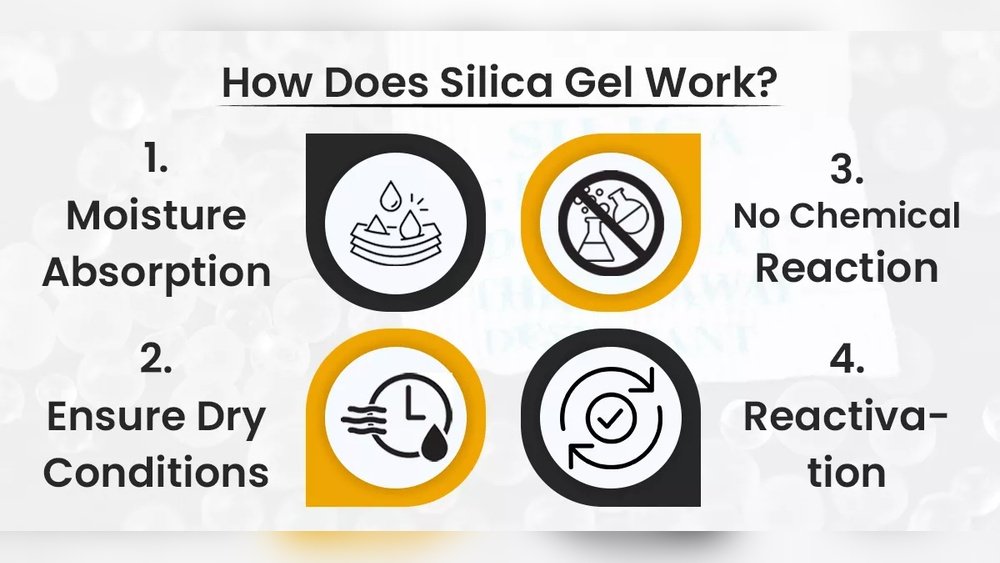
Silica gel is a common moisture absorber. It helps keep things dry by trapping water vapor. Understanding how silica gel absorbs moisture explains its use in many products. This process depends on its physical and chemical properties. Let’s explore how silica gel works.
Mechanism Behind Moisture Absorption
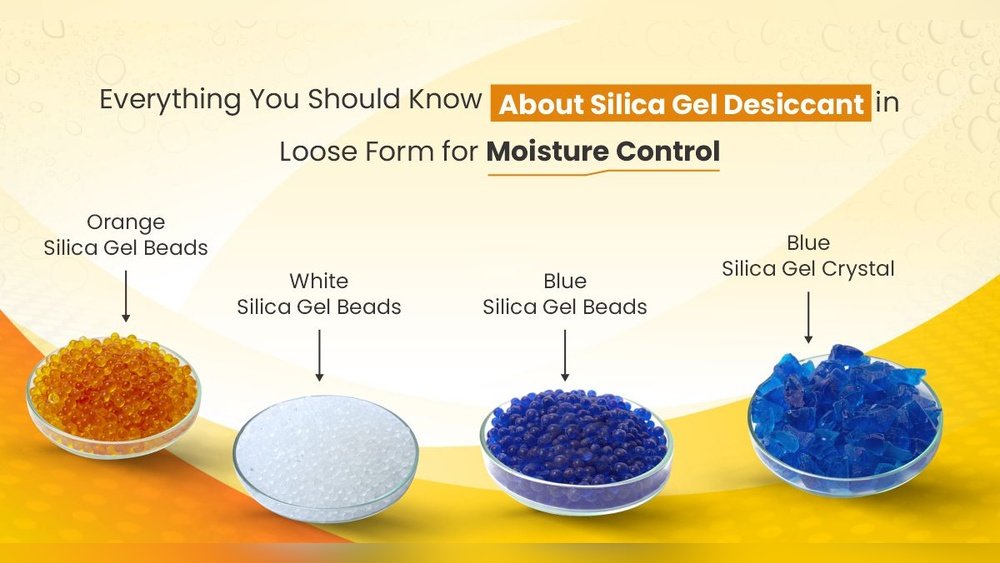
Silica gel is made of tiny beads. These beads have many small holes called pores. Water molecules stick to the surface inside these pores. This process is called adsorption. The water does not soak inside but clings to the surface. This keeps the surrounding area dry.
The beads can hold a lot of water compared to their size. They attract moisture from the air. This makes silica gel useful in packages, electronics, and more.
Effect Of Temperature On Silica Gel
Temperature changes affect silica gel’s ability to absorb moisture. At higher temperatures, silica gel can release water vapor. This means it can dry out and be reused. At low temperatures, its adsorption slows down. Cold air holds less moisture, so silica gel absorbs less.
Even in cold environments, silica gel works but less efficiently. It still protects items by reducing moisture buildup. Its performance depends on how cold the environment is and how much moisture is present.
Performance Of Silica Gel In Cold Conditions
Silica gel is a popular desiccant used to keep things dry. It works by absorbing moisture from the air. But how does it perform in cold places? Cold temperatures affect many materials. Silica gel is no different. Understanding its behavior in cold helps decide if it is useful in such environments.
This section looks at silica gel below freezing and its limits in very cold conditions. It explains what happens and what to expect.
Behavior Below Freezing Point
Silica gel can still absorb moisture below 0°C (32°F). Its structure remains stable and does not freeze. Moisture inside silica gel may turn into ice at very low temperatures. This can reduce how much water the gel can hold. The gel’s ability to dry air slows down but does not stop. Silica gel can protect items from moisture even in cold rooms or freezers.
Limitations In Extreme Cold
Extreme cold can limit silica gel’s effectiveness. At very low temperatures, moisture moves slower. The gel absorbs water less quickly. If moisture freezes inside the gel, it can damage the material. This reduces the gel’s lifespan. Also, silica gel may not dry air fast enough in very cold outdoor settings. In harsh cold, other drying methods might work better.
Comparing Silica Gel With Other Desiccants
Silica gel is a popular choice for moisture control. Other desiccants also help reduce humidity. Comparing them helps find the best option for cold places. This section looks at activated charcoal and calcium chloride, two common desiccants. It explains their strengths and limits in cold environments.
Activated Charcoal Vs Silica Gel
Activated charcoal absorbs moisture and odors. It works well in many conditions but is less effective in very cold places. Silica gel holds moisture better at low temperatures. Charcoal can trap chemicals, but silica gel focuses on water vapor. For cold spots, silica gel offers more reliable dryness. Charcoal needs frequent replacement in cold weather. Silica gel lasts longer and is reusable after drying.
Calcium Chloride In Cold Environments
Calcium chloride absorbs water quickly, even from the air. It works well in damp areas but can freeze in extreme cold. When frozen, it loses its moisture-absorbing power. Silica gel stays stable and effective at low temperatures. Calcium chloride can create a liquid brine that may cause damage. It needs careful handling and placement in cold places. Silica gel is safer and cleaner for cold use.
Practical Uses Of Silica Gel In Cold Settings
Silica gel is useful in cold settings to control moisture. It helps stop damage caused by dampness and frost. Many industries use silica gel to keep items safe and dry. Its ability to absorb water makes it valuable in cold places.
Using silica gel in cold environments prevents problems like rust, mold, and spoilage. It is small but powerful in protecting various products. Below are some practical uses of silica gel in cold settings.
Protecting Electronics And Equipment
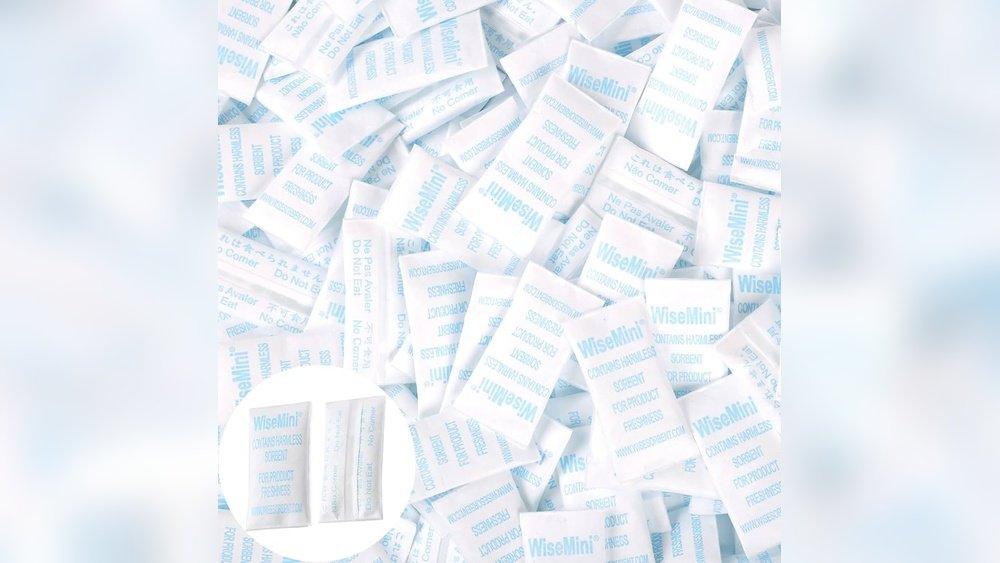
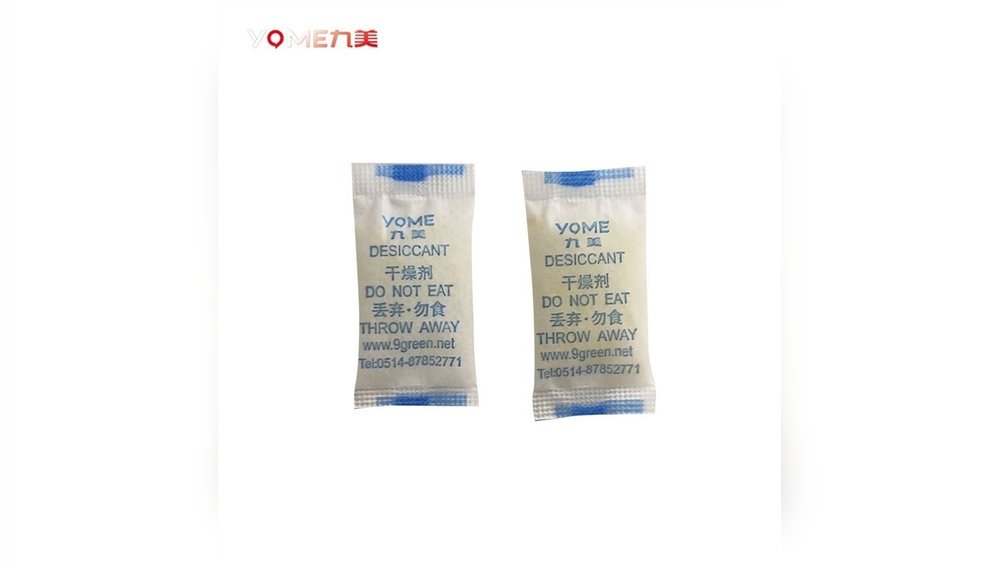
Electronics often face moisture issues in cold places. Silica gel packets absorb excess moisture inside devices. This stops corrosion and short circuits. It also helps keep equipment working well for longer. Many manufacturers include silica gel with sensitive electronics.
Cold storage rooms and transport containers use silica gel too. It keeps cameras, sensors, and tools dry. This simple step saves money on repairs and replacements.
Preserving Food And Pharmaceuticals
Food and medicine need dry conditions to stay fresh. Silica gel controls moisture inside packaging. It stops mold growth and spoilage in cold storage. This extends shelf life and keeps quality high.
Pharmaceutical products are sensitive to humidity changes. Silica gel maintains stable conditions during transport. It helps medicines keep their strength and safety. Many cold chains rely on silica gel for this purpose.
Tips To Optimize Silica Gel Efficiency
Silica gel helps keep things dry by absorbing moisture. To get the best results, follow a few simple tips. These tips help silica gel work well, even in cold places. Proper care and use keep it effective for a longer time.
Proper Storage And Handling
Store silica gel in a sealed container. Keep it away from wet air before use. Avoid touching it with wet hands. Use dry tools when handling silica gel packets. This stops them from absorbing moisture too soon. Store in a cool, dry place for best results.
Regenerating Silica Gel
Silica gel can be reused by drying it out. Heat it in an oven at 250°F (120°C) for 1-2 hours. This removes trapped moisture and restores its power. Let it cool before using again. Avoid overheating to prevent damage. Regular regeneration saves money and reduces waste.

Common Myths About Silica Gel In Cold
Silica gel is a common desiccant used to keep items dry. People often wonder if it works well in cold environments. Many myths surround its use in low temperatures. These myths can cause confusion about its effectiveness. Understanding the truth helps to use silica gel properly and avoid mistakes.
Silica Gel Freezes And Stops Working
Many believe silica gel freezes in cold weather. They think freezing stops it from absorbing moisture. This is not true. Silica gel does not freeze like water. It continues to absorb moisture even in cold conditions. Its structure remains stable and effective. It works well in refrigerators, freezers, and cold storage areas.
Unlimited Lifespan Regardless Of Conditions
Some say silica gel lasts forever no matter what. This is false. Silica gel absorbs moisture until it becomes saturated. After that, it cannot absorb more water. Cold temperatures slow down moisture absorption but do not stop saturation. The gel needs to be replaced or dried out to work again. Proper care extends its life but does not make it endless.
Frequently Asked Questions
Does Silica Gel Absorb Moisture In Freezing Temperatures?
Yes, silica gel can absorb moisture even in freezing temperatures. Its porous structure traps water vapor effectively, though absorption rate may slow down slightly as temperatures drop below freezing.
How Long Does Silica Gel Last In Cold Environments?
Silica gel lasts longer in cold environments because moisture absorption is slower. However, its effectiveness depends on exposure levels and can last from months to years.
Can Silica Gel Prevent Frost Damage In Cold Conditions?
Silica gel helps reduce moisture that can cause frost damage. It absorbs water vapor, minimizing ice formation on sensitive items stored in cold environments.
Is Silica Gel Reusable After Exposure To Cold?
Yes, silica gel is reusable after cold exposure. It can be dried and reactivated by heating, restoring its moisture-absorbing capabilities.
Conclusion
Silica gel works well even in cold environments. It absorbs moisture and keeps items dry. Cold temperatures slow moisture but do not stop silica gel’s effect. Use it in packages, storage, or tools to prevent dampness. Remember to recharge or replace silica gel regularly.
This keeps it active and effective over time. Small packets can protect valuable items from damage. Silica gel remains a simple, useful option for moisture control. It helps protect goods in many different cold places.