Have you ever opened a container only to find moisture trapped inside, ruining what’s stored? That annoying condensation can cause damage, mold, and spoilage.
You might have heard that silica gel packets can help, but does silica gel really reduce condensation in containers? If you want to keep your items dry and safe, understanding how silica gel works is key. Keep reading to discover the truth about silica gel and learn how to protect your belongings from unwanted moisture.
How Condensation Forms In Containers
Condensation happens when water vapor turns into liquid inside a container. This often occurs because of changes in temperature and humidity. Moist air touches a cooler surface, causing water droplets to form. These droplets can collect on the container’s walls or on the items inside.
Understanding how condensation forms helps in finding ways to reduce it. This is important to protect the contents from moisture damage and mold growth.
Role Of Temperature And Humidity
Temperature changes play a big part in condensation. Warm air holds more moisture than cold air. When warm, moist air meets a cold surface, the air cools down quickly. This cooling causes the water vapor to turn into liquid water. High humidity means more moisture in the air, increasing the chance of condensation. Containers kept in places with large temperature differences are more likely to have condensation inside.
Common Container Materials
The type of container affects how much condensation forms. Metal containers cool down faster than plastic ones. This quick cooling can cause more water droplets inside metal containers. Plastic containers tend to hold heat longer, so condensation may be less. Glass containers can also get cold and attract moisture. Some containers have poor ventilation, trapping moist air and increasing condensation. Choosing the right material and design can help reduce moisture buildup.
Silica Gel Basics
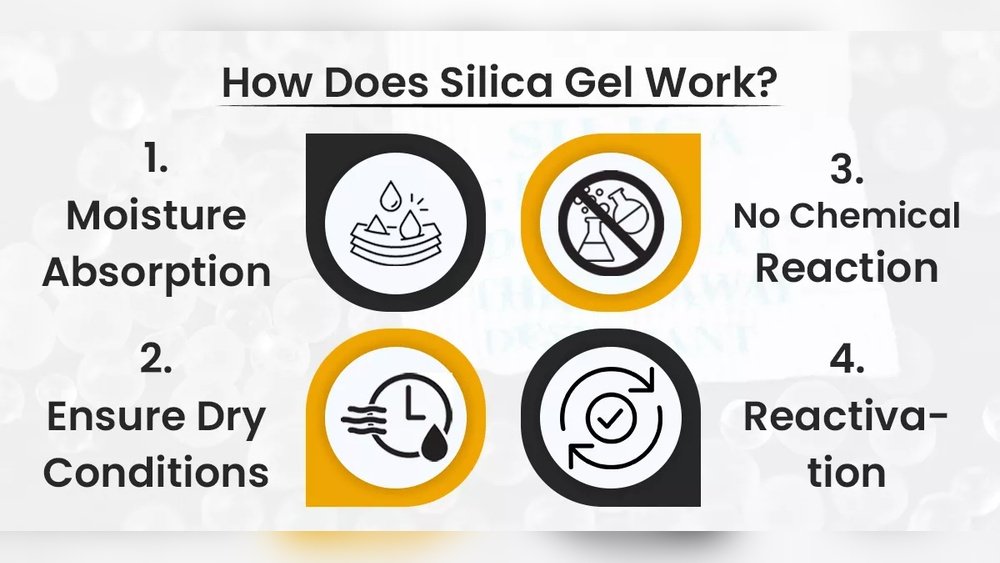
Silica gel is a common material used to control moisture. It helps keep containers dry by absorbing water vapor. This prevents condensation and protects items inside from damage. Understanding how silica gel works can help you use it better.
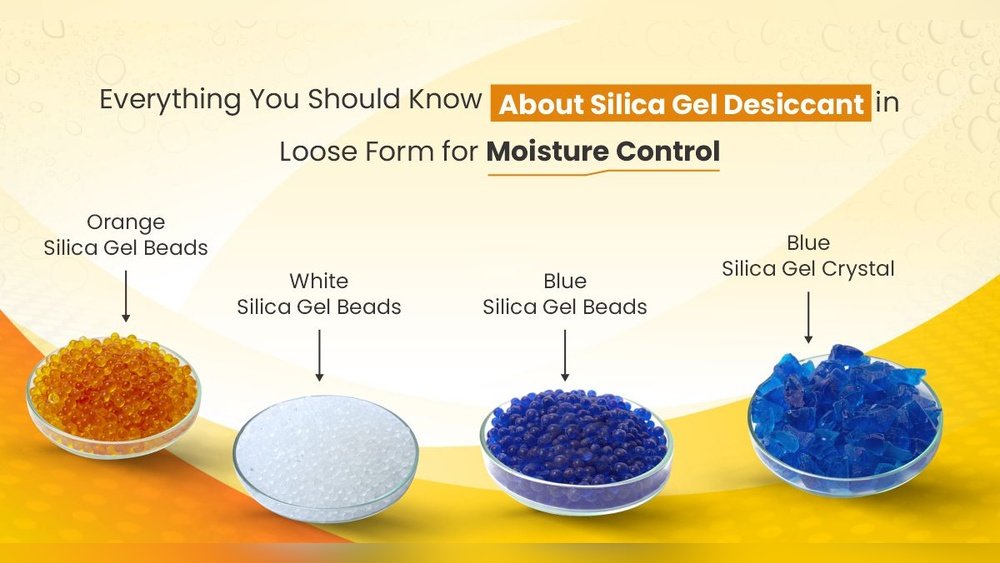
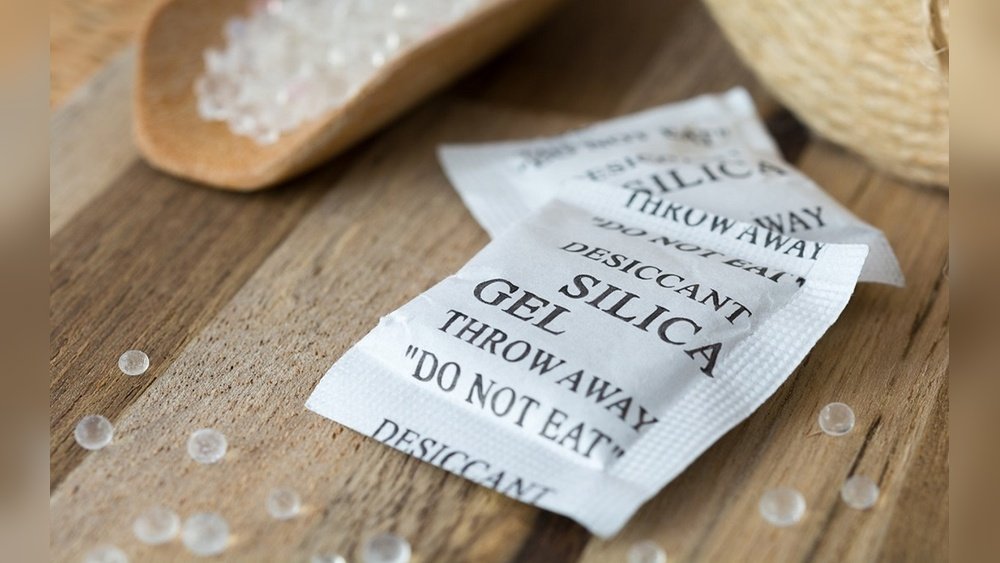
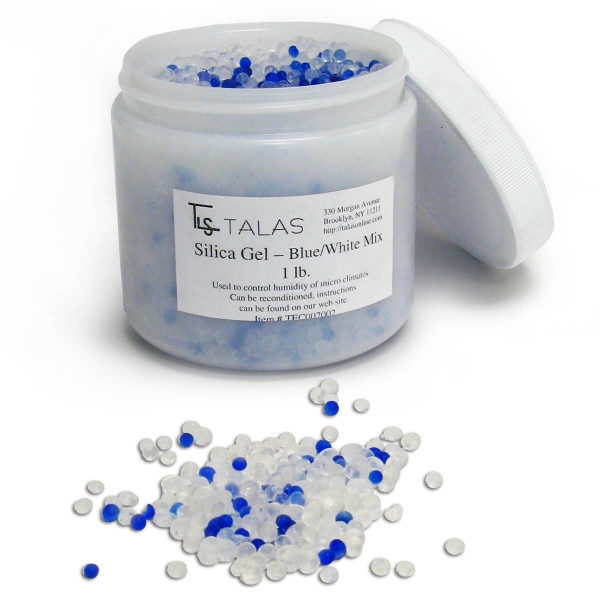
Silica gel is made of tiny beads. These beads attract and hold moisture from the air. This quality makes silica gel useful in many storage situations. It is safe to use around most items and does not leave a mess.
What Silica Gel Does
Silica gel absorbs moisture from the air inside containers. It lowers humidity, stopping water droplets from forming. This reduces condensation, which can cause mold and rust. It acts like a moisture sponge, keeping the air dry.
By controlling moisture, silica gel protects food, electronics, and documents. It extends the life of stored items. Its function is simple but very effective in small spaces.
Types Of Silica Gel Packs
Silica gel packs come in different types. The most common are indicating and non-indicating packs. Indicating packs change color when they absorb moisture. This shows when they need to be replaced or dried out.
Non-indicating packs do not change color. They are often cheaper but require more attention. Some packs are designed for specific uses, like food storage or electronics. Choose the right type for your container’s needs.
Effectiveness Of Silica Gel Against Condensation
Silica gel is a common solution to prevent moisture buildup inside containers. It works by absorbing water vapor from the air. This reduces the chances of condensation forming on the container’s walls or items inside. Understanding how effective silica gel is can help you decide if it suits your needs.
Absorption Capacity
Silica gel can absorb about 40% of its weight in moisture. It traps water vapor quickly, lowering humidity levels inside the container. This action helps keep items dry and free from mold or corrosion. The gel changes color when saturated, showing it needs replacement or reactivation. Its ability to absorb depends on the amount of gel and container size.
Limitations In Sealed Containers
In fully sealed containers, silica gel has limited capacity. It can only absorb moisture already inside the container. Once saturated, it stops working until dried out again. If moisture continues to enter, condensation will form despite the gel. Large containers or very humid conditions need more silica gel or other solutions. Proper sealing and ventilation also affect how well it works.
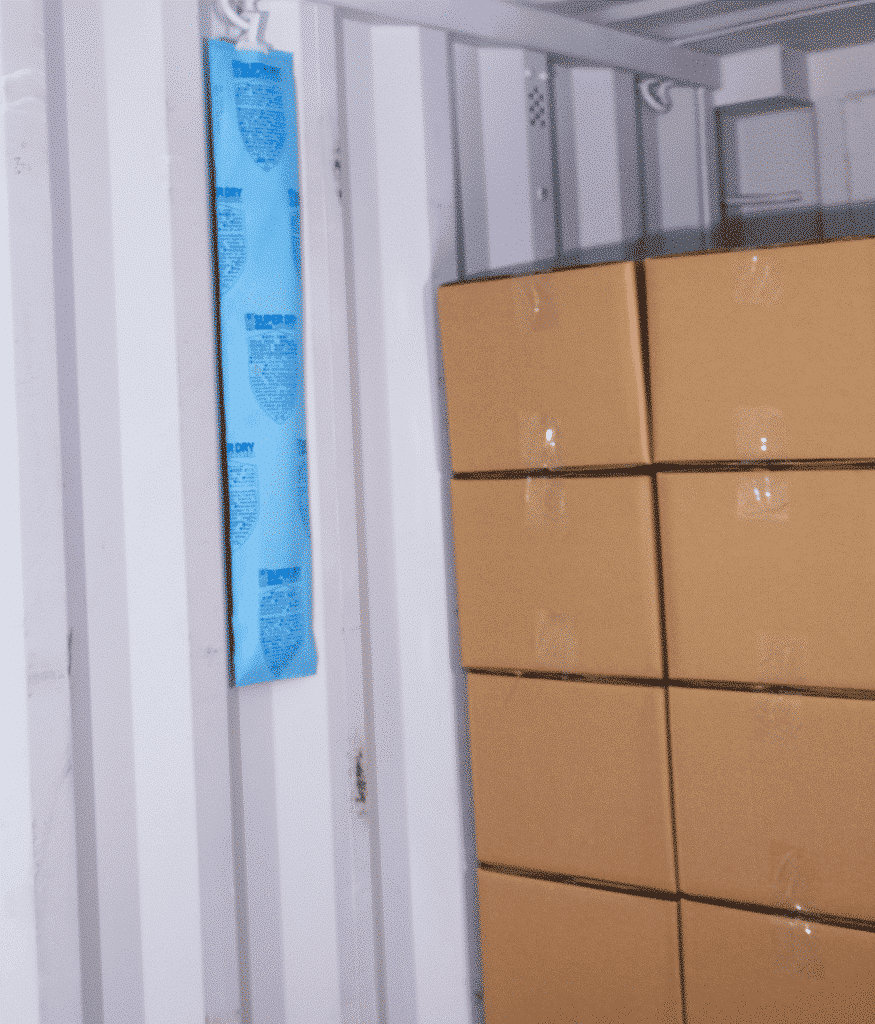
Proven Tips To Reduce Condensation
Condensation inside containers causes moisture damage and spoilage. Reducing condensation is essential to protect contents and maintain freshness. Simple, proven methods help control moisture effectively.
Using Silica Gel Properly
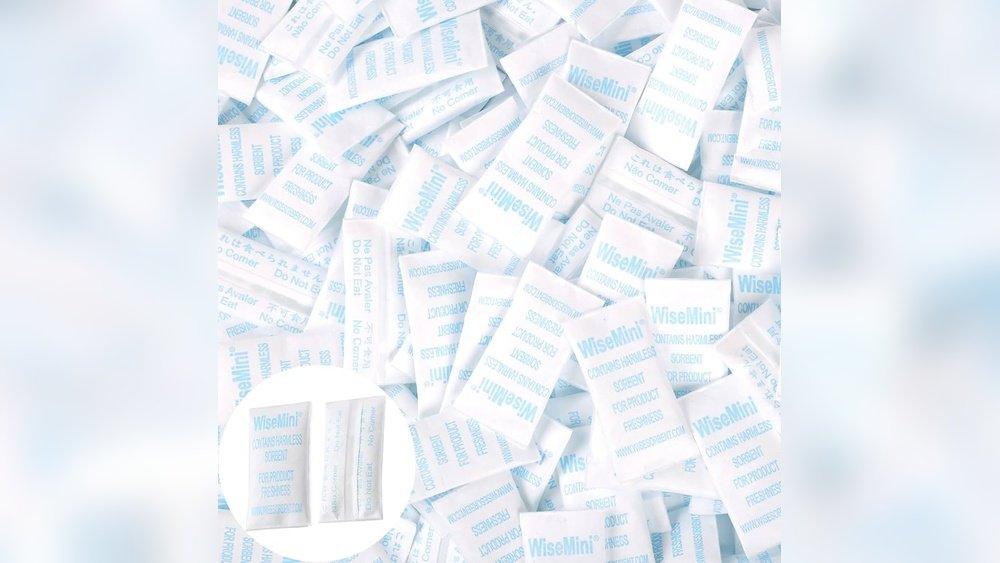
Silica gel absorbs moisture and reduces condensation well. Place packets evenly inside the container. Avoid overloading or underusing packets. Replace silica gel regularly to keep it effective. Ensure packets do not touch food directly.
Alternative Moisture Absorbers
Other materials also absorb moisture effectively. Activated charcoal and calcium chloride work well. These alternatives can suit different container types. Use them safely and follow handling instructions carefully. Rotate absorbers to maintain dryness inside containers.
Container Preparation Techniques
Prepare containers to minimize moisture buildup. Clean and dry containers before use. Use airtight seals to block humidity from outside. Add ventilation if needed to balance air flow. Store containers in cool, dry places to reduce condensation risk.
Best Practices For Storing Items
Proper storage helps protect items from damage and moisture. Using the right methods keeps belongings safe and dry. This section covers key ways to store items well and reduce condensation.
Optimal Container Choices
Select containers that seal tightly. Airtight containers block moisture from entering. Clear plastic boxes let you see contents without opening. Avoid cardboard, which absorbs moisture easily. Use containers with smooth surfaces to prevent mold growth. Choose sizes that fit items well to limit air space.
Regular Maintenance And Monitoring
Check containers often for signs of moisture. Look for water drops or damp spots inside. Replace silica gel packets when they become saturated. Open containers in dry conditions to avoid moisture entry. Keep storage areas cool and ventilated to reduce humidity. Regular care extends the life of stored items.

Frequently Asked Questions
Does Silica Gel Absorb Moisture Inside Containers?
Yes, silica gel effectively absorbs moisture inside containers. It traps water vapor, reducing humidity and preventing condensation. This keeps contents dry and protects them from mold, mildew, and damage caused by excess moisture.
How Long Does Silica Gel Prevent Condensation?
Silica gel can prevent condensation for weeks to months. Its effectiveness depends on the container’s seal and environmental humidity. Regularly replacing or reactivating silica gel ensures continuous moisture control and condensation prevention.
Can Silica Gel Be Reused To Reduce Condensation?
Yes, silica gel can be reused. Heating it in an oven dries out absorbed moisture, restoring its effectiveness. Properly reactivating silica gel helps maintain moisture control and reduces condensation repeatedly.
Is Silica Gel Safe For Food Storage Containers?
Silica gel is generally safe for food storage when kept separate from food. It does not release harmful chemicals but should not be ingested. Use food-grade silica gel packs designed specifically for edible items.
Conclusion
Silica gel helps absorb moisture inside containers. It reduces water droplets and keeps items dry. This lowers the chance of damage from condensation. Using silica gel is simple and cost-effective. It works best in small, sealed spaces. Remember to replace silica gel when it becomes saturated.
Keeping containers dry protects your stored goods. Small steps like this make a big difference. Try silica gel for better storage results.