Have you ever wondered if your shotgun shells can lose their power or become unsafe over time? If you keep your ammo without the right care, you might be risking more than just a misfire.
Imagine reaching for your shotgun and finding that your shells don’t perform like they should—this can be frustrating and even dangerous. You’ll discover what really happens to shotgun shells when they aren’t stored properly, how to spot the signs of damage, and simple tips to keep your ammo reliable.
Keep reading to protect your gear and make sure every shot counts.
Shelf Life Of Shotgun Shells
Shotgun shells have a shelf life that varies based on many conditions. Proper storage plays a big role in keeping them safe and effective. Knowing the shelf life helps avoid using damaged ammunition. This section explains how long shotgun shells last and what affects their durability.
Typical Longevity
Shotgun shells often last 5 to 10 years if stored well. Some can remain usable even longer. The key is keeping them dry and cool. Over time, the powder and primers can weaken. This lowers the reliability of the shells. Using very old shells can cause misfires or poor performance.
Factors That Affect Durability
Humidity is one major enemy of shotgun shells. Moisture can cause corrosion and damage the powder. Heat also speeds up chemical breakdown inside the shell. Sunlight exposure can degrade the plastic or paper casing. Rough handling can dent or crack shells, making them unsafe. Proper storage means a dry, dark, and cool place.
Effects Of Improper Storage
Improper storage of shotgun shells can cause serious problems. These problems affect the performance and safety of the shells. Understanding these effects helps keep your ammunition reliable and safe to use.
Shotgun shells are sensitive to their environment. They need proper conditions to stay in good shape. Poor storage can damage the shells and reduce their lifespan.
Exposure To Moisture
Moisture is one of the biggest threats to shotgun shells. Water can seep into the shell casing and powder. This causes the powder to clump or become useless. Wet shells may fail to fire or misfire. Moisture also damages the primer, making ignition unreliable.
Temperature Fluctuations
Changing temperatures can harm shotgun shells. Heat can cause the powder to degrade faster. Cold can make the plastic casing brittle and crack. Rapid temperature changes cause expansion and contraction. This weakens the shell structure over time.
Impact Of Humidity
High humidity causes moisture to build up inside storage areas. This moisture can lead to corrosion on metal parts. Corroded shells are unsafe and may fail during use. Low humidity can dry out the shell components too much. Proper humidity control is key for long-term storage.
Signs Of Degraded Shells
Shotgun shells can lose their quality over time if not stored properly. Knowing the signs of degraded shells helps keep shooting safe. Bad shells may cause problems or fail to fire. Watch for clues that show your shells might be spoiled.
Visual Indicators
Check shells closely for any changes in appearance. Look for dents or cracks in the casing. The color may fade or look dull. Rust or corrosion on the metal parts is a bad sign. Powder inside can clump or look uneven. These visual signs mean the shell may be unsafe to use.
Performance Issues
Degraded shells often cause poor shooting results. You might notice misfires or failures to ignite. The shot pattern can become inconsistent or weak. Recoil may feel different or less powerful. These issues show the shell’s power has dropped. Using bad shells can damage your gun or cause accidents.
Safe Storage Practices
Safe storage of shotgun shells is essential to keep them reliable and effective. Poor storage can cause damage and reduce their lifespan. Proper care protects your shells from moisture, dirt, and other harmful elements. Follow these simple storage practices to maintain your ammunition’s quality.
Ideal Storage Conditions
Keep shotgun shells in a cool, dry place. Avoid areas with high humidity or extreme temperatures. Stable temperatures prevent corrosion and powder damage. Aim for a room temperature around 65-70°F (18-21°C). Good ventilation helps reduce moisture buildup.
Storage Containers
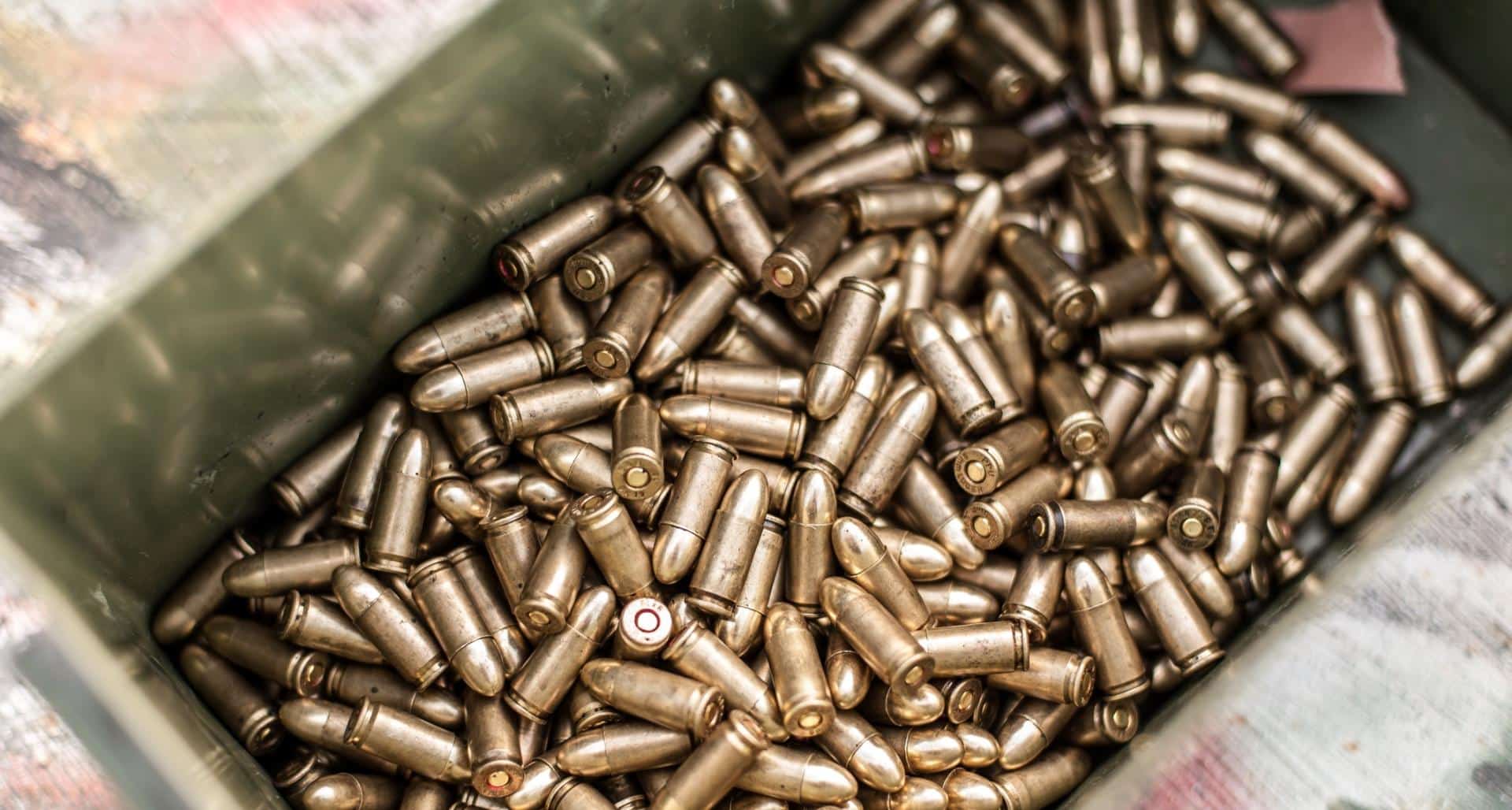
Use airtight containers to protect shells from air and moisture. Plastic ammo boxes with seals work well. Metal containers with rubber gaskets also offer strong protection. Avoid storing shells in old, damaged, or rusty boxes. Label containers clearly to find shells easily.
Location Tips
Store shells away from direct sunlight and heat sources. Avoid basements or garages prone to dampness. A closet or dedicated ammo safe is a great choice. Keep shells out of reach of children and pets. Secure storage also prevents theft or accidental use.
Handling And Maintenance
Proper handling and maintenance are vital for shotgun shells. They keep the shells safe and ready to use. Poor care can cause damage or failure. This section explains how to handle and maintain shotgun shells.
Regular Inspections
Check your shotgun shells often. Look for dents, cracks, or corrosion. Damaged shells can be dangerous to use. Inspect the primer and the casing for any issues. Throw away any shells with visible problems. Regular checks help ensure safety and reliability.
Cleaning Guidelines
Keep shotgun shells dry and clean. Use a soft cloth to wipe off dirt or dust. Avoid using water or harsh chemicals on shells. Moisture can cause corrosion and damage. Store shells in a cool, dry place to keep them fresh. Proper cleaning extends the life of your shells.
Risks Of Using Old Or Damaged Shells
Using old or damaged shotgun shells carries serious risks. These shells may not work as expected. They can cause problems that affect your safety and shooting experience.
Safety Hazards
Old or damaged shells can be dangerous. They might misfire or explode inside the gun. This can injure the shooter or bystanders. Corroded metal parts or cracked casings increase these risks. Proper storage prevents moisture and damage that cause these issues.
Reliability Concerns
Shells that are not stored well lose their reliability. The gun may fail to fire or jam. Powder inside the shell can become weak or uneven. This causes poor shooting performance. Using fresh, well-kept shells ensures your gun works every time.

Frequently Asked Questions
Do Shotgun Shells Lose Effectiveness If Stored Improperly?
Yes, improper storage can degrade shotgun shells. Moisture and extreme temperatures cause corrosion and powder deterioration, reducing performance and reliability.
How Long Can Shotgun Shells Last If Stored Correctly?
Properly stored shells can last 5-10 years. Keep them in a cool, dry place to maintain their integrity and performance.
What Happens To Shotgun Shells Exposed To Moisture?
Moisture can cause corrosion on shells and primers. It may lead to misfires, reduced velocity, and unsafe shooting conditions.
Can Expired Shotgun Shells Be Dangerous To Use?
Expired or damaged shells may misfire or explode. It’s safer to dispose of old shells and use fresh, reliable ammunition.
Conclusion
Shotgun shells can lose power if stored poorly. Moisture and heat damage their quality. Always keep shells in a cool, dry place. Proper storage helps maintain safety and performance. Old or damaged shells may misfire or fail. Check your ammunition regularly for signs of wear.
Safe storage protects both you and your gear. Remember, good care extends your shells’ life. Don’t take risks with bad ammo. Stay safe and shoot smart.