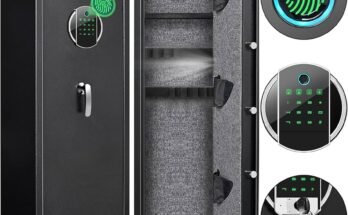
If you own a rifle safe, you probably wonder if bolting it down is really necessary. You want to protect your firearms, but is securing your safe to the floor or wall worth the effort?
The answer isn’t as simple as you might think. What if skipping this step leaves your valuables vulnerable? Keep reading to discover why bolting down your rifle safe could be the key to true security—and how it can give you peace of mind every time you walk away.
Don’t leave your safety to chance; learn what experts say about this crucial detail.
Importance Of Securing Rifle Safes
Securing a rifle safe is crucial for protecting your firearms. A safe that is not firmly fixed can be moved or stolen easily. Bolting down a rifle safe adds stability and security. It helps keep your guns out of reach from unauthorized people. Safety is a top priority for gun owners. Properly securing your safe reduces risks and keeps your firearms protected.
Risks Of Unsecured Safes
Unsecured safes can be carried away by thieves. They are easy targets for quick thefts. A safe that is not bolted down can be tipped over or broken open. This makes your firearms vulnerable. Kids or visitors might accidentally access an unsecured safe. This creates dangerous situations at home. The chance of losing valuable weapons increases without proper securing.
Consequences Of Theft
Theft of firearms can lead to serious legal problems. Stolen guns may be used in crimes or sold illegally. This can bring trouble to the owner. Losing firearms also means losing money and trust. Insurance claims might be difficult if the safe was not secured. The emotional impact of theft affects gun owners deeply. Securing your safe helps prevent these negative outcomes.
Benefits Of Bolting Down Rifle Safes
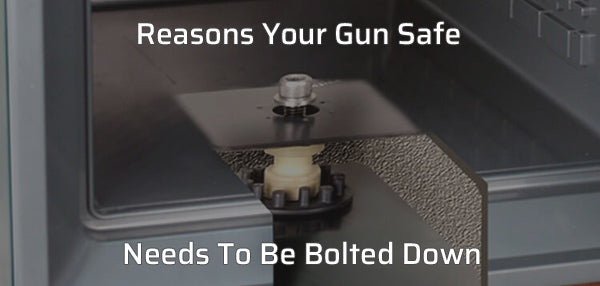
Bolting down a rifle safe provides several important benefits. It makes the safe more secure and stable. This extra security helps protect firearms from theft and accidents. Many safety rules also ask for safes to be bolted to the floor or wall.
Enhanced Stability
Bolting a rifle safe stops it from tipping over. This prevents damage to the safe and guns inside. It also keeps the safe steady during storms or earthquakes. A stable safe is safer for everyone around.
Deterrence Against Theft
Thieves find it harder to steal a bolted-down safe. The bolts add extra time and effort to move it. This often makes robbers give up and move on. Bolting the safe reduces the risk of losing firearms.
Compliance With Safety Regulations
Many laws require firearms to be stored securely. Bolting down a rifle safe meets these legal demands. It shows responsibility and care for gun safety. Following rules can prevent fines and legal trouble.
Alternatives To Bolting Down
Rifle safes do not always need to be bolted down. There are several other ways to keep your safe secure. These options can work well depending on your space and needs. They can also make moving the safe easier if needed.
Heavyweight Safes
Heavyweight safes are very hard to move. Their large weight alone can stop thieves from carrying them away. These safes often have thick steel walls for extra protection. They work well in homes where bolting down is not possible. Just make sure the floor can hold the safe’s weight.
Anchoring Systems
Anchoring systems offer a middle ground between bolting and no anchoring. They use strong cables or chains to tie the safe to heavy furniture or other fixed objects. This method stops quick thefts by making the safe hard to grab. Anchors can be easier to install than bolts but still add security.
Strategic Placement
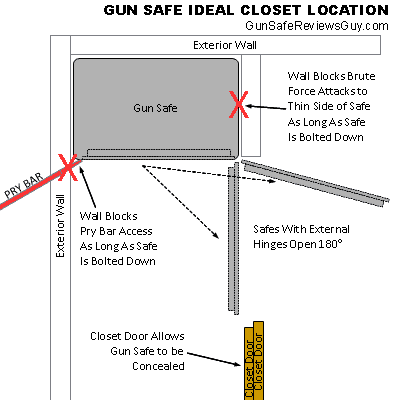
Where you place your safe matters. Putting it in a hidden or hard-to-reach spot can keep it safe. Avoid obvious places like the bedroom closet or basement corner. Use rooms that are rarely visited or locked. This reduces the chance of a thief finding the safe quickly.
How To Bolt Down A Rifle Safe
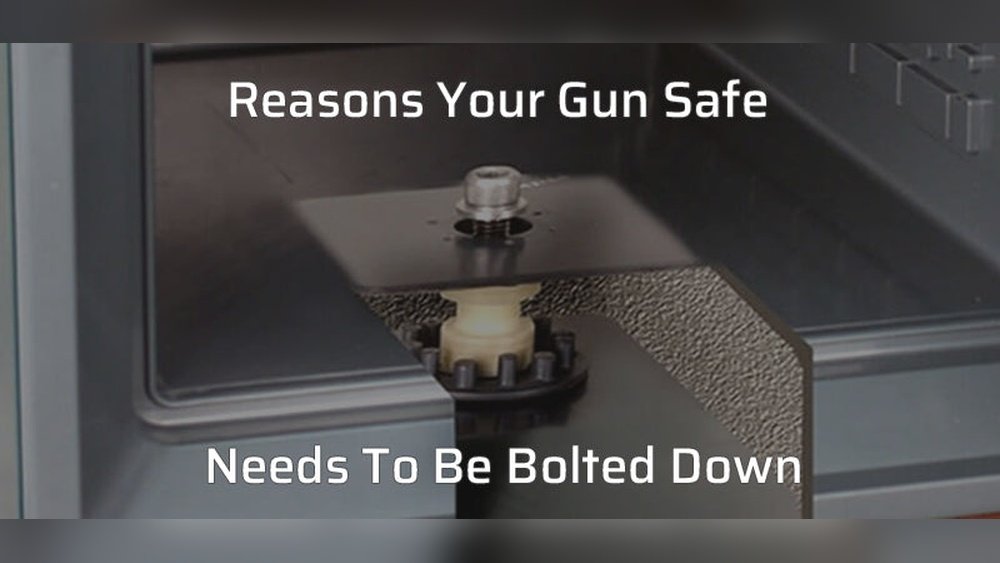
Bolting down a rifle safe improves its security. It stops thieves from moving or stealing it easily. Proper installation is key to make sure the safe is stable and safe. This guide shows simple steps to bolt down a rifle safe correctly.
Tools And Materials Needed
- Power drill with drill bits
- Anchor bolts or concrete bolts
- Wrench or socket set
- Measuring tape
- Marker or pencil
- Safety glasses and gloves
- Vacuum cleaner or brush
Step-by-step Installation
- Choose a solid floor spot, like concrete or wood.
- Place the safe where you want it to be.
- Open the safe and find pre-drilled bolt holes.
- Mark the floor through these holes using a pencil.
- Move the safe away and drill holes at the marks.
- Clean dust from holes with a vacuum or brush.
- Put anchor bolts into the holes.
- Set the safe back over the holes, aligning bolt holes.
- Tighten the bolts using a wrench or socket.
- Check the safe to ensure it is firmly fixed.
Common Mistakes To Avoid
- Not checking the floor type before drilling.
- Using wrong bolts for the floor material.
- Ignoring safety gear like glasses and gloves.
- Drilling holes too large or too small.
- Not cleaning dust from drilled holes.
- Over-tightening bolts, which can damage the safe.
- Forgetting to check bolt tightness after installation.
Additional Security Tips
Securing a rifle safe goes beyond just bolting it down. Extra steps can improve safety. These tips help protect your firearms from theft or accidents. They create layers of security to keep your guns safe.
Using Alarm Systems
Alarm systems alert you if someone tries to tamper with the safe. Choose alarms with loud sirens and smartphone alerts. They scare off intruders quickly. Some systems detect vibrations or forced entry. This makes your safe part of a larger security network.
Access Control Measures
Limit who can open the safe. Use strong, unique codes or biometric locks. Avoid simple PINs like “1234.” Store the access information securely. Keep keys or backup codes away from children. These steps reduce the chance of unauthorized access.
Regular Maintenance And Checks
Check your safe often for damage or wear. Test locks and alarms to ensure they work. Clean the safe to prevent rust or dirt buildup. Fix small issues before they become bigger problems. Regular care keeps your safe reliable and secure.
Legal Considerations
Understanding the legal side of rifle safes is important. Laws about firearm storage vary a lot. Knowing these rules helps keep your guns safe and lawful. Some laws require safes to be bolted down. Others focus on who can access the firearms. This section explains key legal points to consider.
Local Laws On Firearm Storage
Many places have laws about how to store guns safely. Some states or cities require safes to be secured to the floor or wall. This stops thieves from taking the whole safe. Rules may also say how strong the safe must be. Some areas need safes to have specific locks. Always check your local laws before buying or installing a safe.
Insurance Requirements
Insurance companies often have rules about gun safes. They may require the safe to be bolted down. This reduces the risk of theft and loss. Insurers might also ask for a certain type of lock or safe rating. Meeting these rules helps protect your insurance coverage. Talk to your insurer to understand their safe storage requirements.
Frequently Asked Questions
Do Rifle Safes Need To Be Bolted Down For Security?
Yes, bolting down rifle safes increases security by preventing theft. It makes moving the safe difficult for burglars and enhances overall firearm safety.
What Tools Are Required To Bolt Down A Rifle Safe?
You typically need a drill, masonry bit, anchor bolts, and a wrench. Proper tools ensure a strong, secure installation on concrete or wood floors.
Can A Rifle Safe Be Secured Without Bolting It Down?
While some safes have heavy weight for stability, bolting down is more secure. Unbolted safes risk being stolen or tipped over during break-ins.
Where Is The Best Place To Bolt Down A Rifle Safe?
Bolt your rifle safe to a concrete floor or solid wood base. These surfaces provide the strongest anchoring points for maximum security and stability.
Conclusion
Rifle safes offer strong protection for your firearms. Bolting them down adds extra security against theft. It stops thieves from carrying the safe away. Also, it keeps the safe stable during an earthquake. Choose a safe that fits your space and needs.
Always follow the manufacturer’s instructions when bolting it down. Safety and security should be your top priority. A bolted rifle safe gives peace of mind at home. Simple steps can keep your firearms safe and secure.