Are you worried that moisture or humidity could damage your hidden gun safe and the valuables inside? You’re not alone.
Protecting your firearms from rust and corrosion is just as important as keeping them secure from theft. But do hidden gun safes really offer the protection you need against dampness? You’ll discover the truth about moisture control in hidden gun safes and learn what features to look for to keep your guns safe and dry.
Keep reading—your firearms’ safety depends on it.
Moisture Risks For Firearms
Moisture poses a serious risk to firearms. Even small amounts of humidity can cause damage. Gun owners must understand these risks to protect their weapons. Proper storage helps keep guns safe from moisture damage. Hidden gun safes are popular, but do they shield against humidity?
Effects Of Humidity On Guns
Humidity causes metal parts to rust and corrode. Rust weakens the gun’s structure and affects performance. Wood grips and stocks can swell or crack from moisture. Internal components may seize or malfunction over time. Dirt and oil attract moisture, speeding up damage. Regular exposure to moisture reduces a firearm’s lifespan.
Common Sources Of Moisture
Air humidity inside the home changes daily. Bathrooms and kitchens have high moisture levels. Basements and garages often stay damp and cold. Rain and snow bring water into the home. Sweat from hands adds moisture to guns. Poor ventilation traps moisture, increasing risk of rust.
Types Of Hidden Gun Safes
Hidden gun safes come in various types. Each type offers different levels of protection against moisture and humidity. Understanding these types helps in choosing the right safe for your needs. Some focus on strong materials. Others emphasize sealing and insulation. These features impact how well the safe protects your guns.
Material And Design Variations
Hidden gun safes are made from steel, aluminum, or heavy-duty plastic. Steel safes offer strong protection but can rust without proper coating. Aluminum safes resist rust but may be less sturdy. Some safes have a simple box design. Others mimic furniture or household items. This design helps hide the safe better. The choice of material and design affects moisture resistance and durability.
Sealing And Insulation Features
Sealing prevents moisture from entering the safe. Some safes have rubber or silicone gaskets around the door. These gaskets block air and water. Insulation helps control temperature inside the safe. It reduces humidity and protects metal parts from rust. Well-sealed safes with good insulation keep guns dry and safe. These features make a big difference in humid areas.
Moisture Protection In Gun Safes
Moisture can damage guns inside safes. Rust and corrosion harm metal parts and reduce firearm life. Protecting guns from moisture is a key concern for gun safe owners. Many hidden gun safes claim to protect against humidity. Understanding how they handle moisture helps you choose the right safe.
Built-in Moisture Barriers
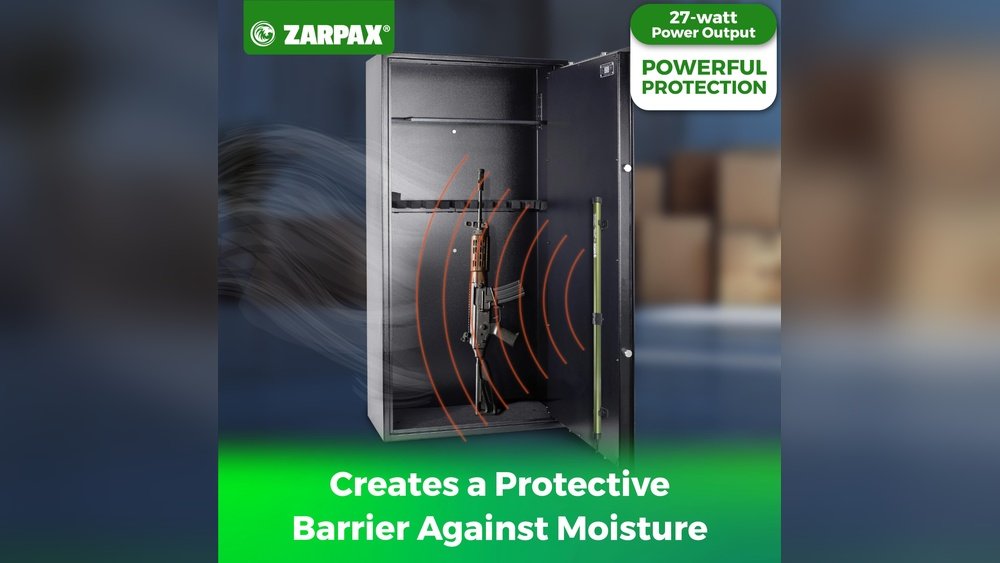
Some hidden gun safes have built-in moisture barriers. These barriers block water vapor from entering the safe. They use special seals around doors and edges. These seals keep the inside dry by stopping air leaks. Some safes include desiccant packs or dehumidifiers. These absorb moisture inside the safe. The combination reduces rust risk and keeps guns safer.
Limitations Of Standard Safes
Standard hidden safes may not fully stop moisture. Poor seals let humid air enter over time. This causes condensation inside the safe. Without active moisture control, rust can form. Safes stored in damp rooms face bigger risks. Also, changes in temperature increase moisture buildup. Relying only on a safe’s shell is not enough. Extra moisture control tools improve protection significantly.
Enhancing Moisture Defense
Protecting your firearms from moisture is crucial for long-term safety. Hidden gun safes offer some protection against humidity. Still, extra steps can improve moisture defense inside the safe. This helps prevent rust, corrosion, and damage to your guns. Simple tools and smart habits keep your firearms in top shape.
Using Dehumidifiers And Silica Gel
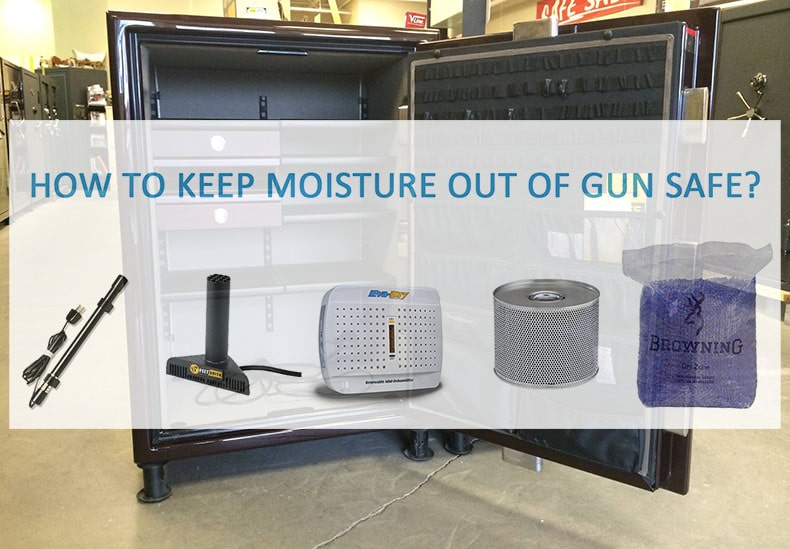
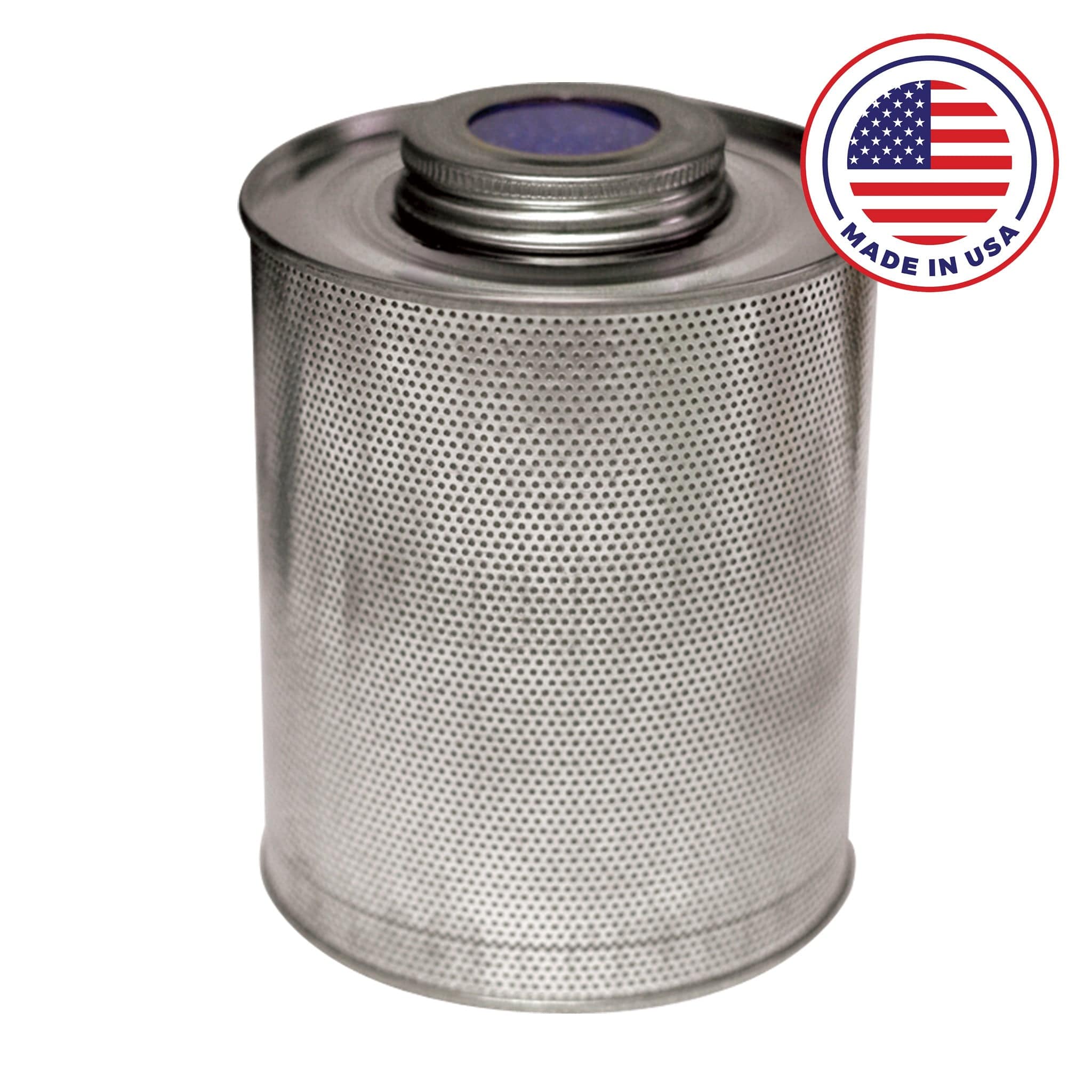
Dehumidifiers reduce moisture inside your gun safe effectively. Small electric dehumidifiers pull water from the air continuously. They work well in humid climates. Silica gel packets absorb moisture passively. Place several packets inside the safe for steady protection. Change or recharge silica gel regularly for best results. Both tools help maintain low humidity levels inside your safe.
Best Practices For Storage
Store guns clean and dry before placing them inside. Wipe off any moisture or oil residue. Avoid storing firearms with wet accessories or clothes. Leave space between guns for air circulation. Check your safe’s humidity level often with a hygrometer. Open the safe occasionally to air out if safe. These habits reduce moisture build-up and protect your guns better.
Comparing Hidden Safes To Other Storage Options
Choosing the right safe to protect guns from moisture and humidity is important. Different types of hidden safes offer varied protection levels. Comparing hidden safes to other storage options helps find the best fit for your needs.
Moisture can damage guns, causing rust and corrosion. The safe’s design and location affect how well it blocks humidity. Some safes have better seals and materials to keep moisture out.
Closet Vs. Wall Safes
Closet safes are easy to access and usually larger. They fit well in unused closet space. These safes often have some padding and seals to reduce moisture inside.
Wall safes hide inside walls, saving floor space. They are harder to find but may have less room for thick padding. Moisture can enter through wall gaps if not sealed properly.
Closet safes often provide better moisture protection due to size. Wall safes focus more on concealment than humidity control.
Portable Vs. Fixed Safes
Portable safes are small and easy to carry. They offer convenience but less protection from moisture. Their seals might be thinner, allowing some humidity inside.
Fixed safes attach firmly to floors or walls. They can have stronger seals and thicker insulation. This makes them better at keeping moisture out.
Fixed safes are usually heavier and more secure against moisture damage. Portable safes trade moisture protection for mobility.
Maintenance Tips To Prevent Rust
Rust can damage your guns and the safe that protects them. Preventing rust is key to keeping your firearms in good condition. Simple maintenance steps can help stop moisture from causing problems. These steps keep your hidden gun safe and guns safe from rust.
Regular Cleaning Routines
Clean your guns and the safe often. Use a soft cloth to wipe down surfaces. Remove dust and dirt that hold moisture. Check the metal parts for any signs of rust. Use gun oil or rust prevention spray on metal parts. Avoid using harsh chemicals that can damage finishes. Regular cleaning stops moisture buildup and rust formation.
Environmental Controls
Keep your safe in a dry, cool place. Use a dehumidifier or moisture absorber inside the safe. Silica gel packs work well to reduce humidity. Avoid placing the safe in basements or damp areas. Good air circulation around the safe helps too. Controlling the environment inside the safe reduces rust risk. It also protects your guns from moisture damage.
Choosing The Right Safe For Moisture Control
Choosing the right safe to control moisture is important for protecting your guns. Moisture can cause rust and damage to firearms. A hidden gun safe with good moisture control keeps your guns safe and in top condition. Picking the right safe means understanding what features help control humidity inside.
Key Features To Look For
Look for safes with built-in dehumidifiers or moisture absorbers. Seals around the door should be tight to block air and moisture. Some safes have vents that allow air but keep water out. Steel construction helps prevent outside moisture from entering. A digital hygrometer inside the safe shows humidity levels. Choose safes with locking systems that keep the door closed firmly.
Budget Considerations
Safes with moisture control features can cost more than basic models. Set a budget before shopping. Basic safes with good seals and space for moisture packs cost less. Higher-end safes include built-in electronic dehumidifiers but are pricier. Think about how much you want to spend and what features matter most. Spending a bit more can save money on gun repairs later.

Frequently Asked Questions
Do Hidden Gun Safes Prevent Moisture Buildup Inside?
Hidden gun safes offer some moisture resistance but are not fully waterproof. Using desiccants or dehumidifiers inside improves protection. Proper ventilation also helps control moisture and prevents rust on firearms effectively.
How Does Humidity Affect Guns In Hidden Safes?
High humidity causes metal parts to corrode and wood to warp. Hidden safes without moisture control can accelerate damage. Maintaining low humidity inside safes preserves gun condition and extends firearm lifespan.
Are Hidden Gun Safes Airtight Against Moisture?
Most hidden gun safes are not completely airtight. Small gaps allow moisture to enter over time. Adding seals or moisture absorbers enhances airtightness and protects guns from humidity damage.
What’s The Best Way To Reduce Moisture In Gun Safes?
Use silica gel packs or electric dehumidifiers inside the safe. Regularly check and replace moisture absorbers. Keeping the safe in a dry, cool area also reduces humidity risks.
Conclusion
Hidden gun safes offer some protection against moisture and humidity. They slow down dampness but do not stop it completely. Using desiccants or dehumidifiers inside helps keep guns dry. Proper placement of the safe also matters. Avoid basements or places with high humidity.
Regular checks prevent rust and damage. Protecting your firearms needs more than just a hidden safe. Combine safe storage with moisture control for best results. Stay safe, and care for your guns well.