If you own an AR-15, you know how important it is to keep it safe and in perfect condition. But have you ever wondered if your storage safe needs a dehumidifier?
Moisture can cause rust and damage, silently ruining your firearm over time. This article will help you understand why a dehumidifier might be the key to protecting your AR-15, saving you money and frustration down the road. Keep reading to find out how to keep your weapon secure and in top shape for years to come.
Risks Of Moisture In Gun Safes
Moisture inside gun safes can cause serious problems for firearms. Even small amounts of humidity create a bad environment. This risk grows if the safe is in a damp or humid place. The metal parts on your AR-15 can start to rust quickly. Wood and other materials may also get damaged. Protecting your guns from moisture is important to keep them safe and working well.
Ignoring moisture can lead to costly repairs or even replace your firearm. Understanding the risks helps you decide on proper storage solutions. Using a dehumidifier inside the safe is one way to control moisture. Knowing how humidity affects firearms and spotting early signs of damage can save you trouble.
How Humidity Affects Firearms
Humidity causes metal to rust and corrode over time. Rust weakens the metal parts of your AR-15. It can cause the barrel, trigger, and other components to fail. Moisture also affects lubricants, making them less effective. This leads to increased wear and tear. Wood stocks and grips can swell or crack from too much moisture. Moisture inside the safe can create mildew and mold. These can harm your firearm’s surface and smell bad.
Common Signs Of Moisture Damage
Look for rust spots on the metal parts. White or greenish stains may appear on some areas. The gun’s finish can look dull or patchy. Wood parts might show cracks or swelling. Sticky or gunky residue on moving parts is a warning sign. Mold or mildew smell inside the safe is another clue. Pay attention to any changes in how the gun feels or works. Early detection helps prevent bigger problems later.
Role Of Dehumidifiers In Gun Safes
Dehumidifiers help protect guns from moisture inside safes. Moisture can cause rust and damage to your firearms. A dry environment keeps metal parts safe and working well. Dehumidifiers reduce humidity, stopping rust before it starts.
Gun safes often trap moisture because they are sealed tightly. This can create a damp space inside. Using a dehumidifier controls this moisture and keeps the safe’s air dry. It helps maintain the value and function of your firearms.
Types Of Dehumidifiers For Safes
There are two main types of dehumidifiers for gun safes: electric and chemical. Electric dehumidifiers plug into a power source and remove moisture continuously. They work well in larger safes or humid places.
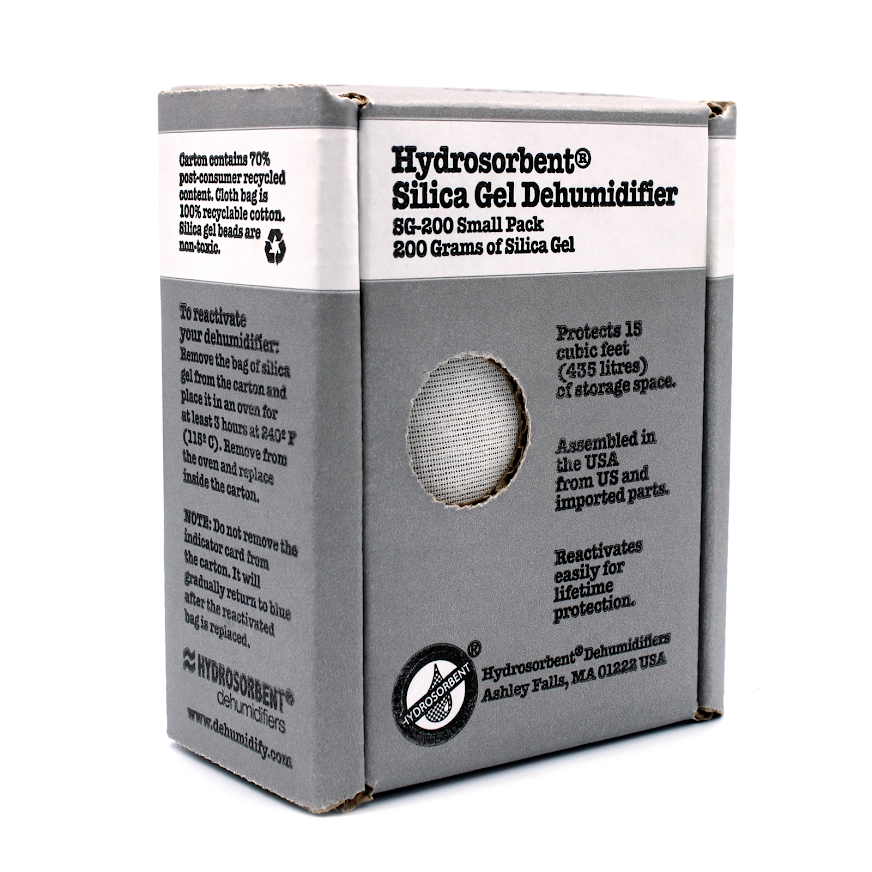
Chemical dehumidifiers use substances like silica gel. These absorb moisture without electricity. They are small, simple, and good for smaller safes or short-term use. Both types keep moisture low but suit different needs.
Benefits Of Using Dehumidifiers
Dehumidifiers prevent rust and corrosion on gun parts. They keep wood stocks from warping or cracking. This helps your firearms last longer and stay reliable. A dry safe also stops mold and mildew growth inside.
Using a dehumidifier reduces the need for frequent cleaning and oiling. It saves time and effort in gun care. Overall, dehumidifiers create a safer place for your AR-15 and other guns.
Alternatives To Dehumidifiers
Not everyone wants to use a dehumidifier in their AR-15 storage safe. There are other ways to control moisture. These alternatives help keep your firearm safe from rust and damage. They are easy and cost-effective options. Let’s explore some smart choices for moisture control.
Desiccant Packs And Their Effectiveness
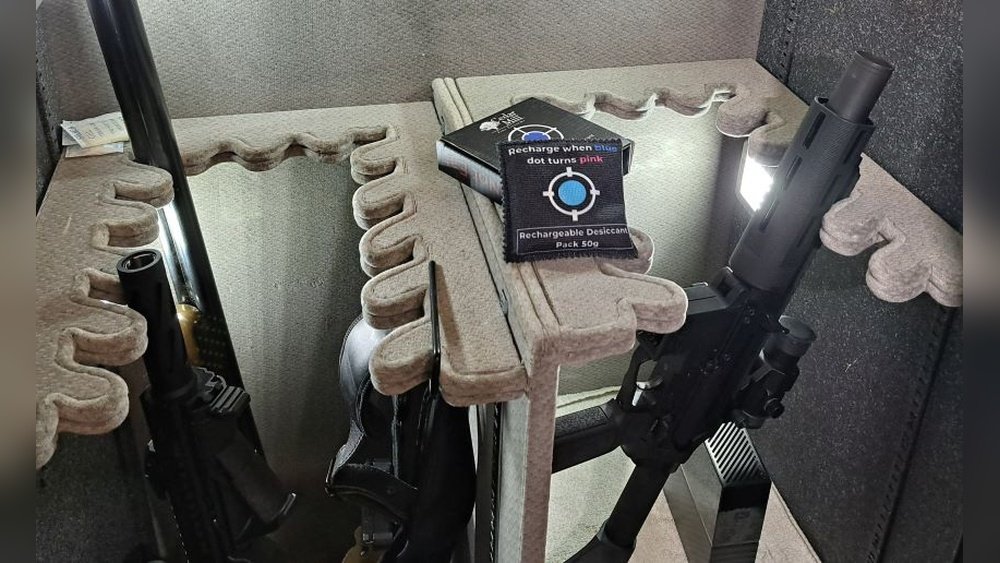
Desiccant packs absorb moisture inside a safe. They come in small packets filled with silica gel or clay. These packs pull water vapor from the air. This helps reduce rust and corrosion on your AR-15.
Desiccant packs are simple to use. Place a few inside your storage safe. Replace them when they become saturated. They are quiet, require no power, and need little maintenance. For small safes, desiccants often work well.
Safe Storage Environment Tips
Keep your safe in a cool, dry room. Avoid basements or garages where humidity is high. Try to keep temperature changes minimal. This lowers moisture buildup inside the safe.
Use weather stripping on your safe’s door. This seals out moisture and dust. Open the safe occasionally to air it out. Wipe your AR-15 with a light oil before storing. This adds a protective layer against rust.
Best Practices For Ar-15 Storage
Proper storage of your AR-15 is important for its performance and safety. Following best practices helps keep the rifle in good shape. It also prevents damage from moisture and rust. Storing the AR-15 correctly extends its life and readiness.
Cleaning And Maintenance Before Storage
Always clean your AR-15 before putting it away. Remove dirt, oil, and gunpowder residue. Use a soft cloth and proper cleaning tools. Apply a light coat of oil to metal parts. This stops rust and corrosion during storage. Check for any damage or worn parts. Fix these issues before storing the rifle.
Proper Safe Setup And Ventilation
Choose a safe that fits your AR-15 well. The safe should be dry and secure. Avoid storing the rifle in damp places. Use a dehumidifier inside the safe to control moisture. Good ventilation helps air flow and stops mold growth. Keep the safe door closed tightly to keep dust and humidity out.
Monitoring And Maintaining Safe Conditions
Keeping your AR-15 safe means more than just locking it up. The environment inside the safe plays a big role. Moisture can cause rust and damage parts. Monitoring and maintaining the right conditions helps protect your firearm over time.
Using Hygrometers To Track Humidity
A hygrometer measures the moisture level in the air. Place one inside the safe to see real-time humidity. Ideal humidity is usually between 30% and 50%. Too high means risk of rust. Too low can dry out wooden parts. Check the hygrometer often to catch any changes early.
Routine Inspection And Upkeep
Regularly inspect your AR-15 and the safe’s interior. Look for signs of rust or corrosion on metal parts. Wipe down the rifle with a dry cloth if needed. Clean and oil moving parts to keep them smooth. Check seals on the safe door to keep moisture out. Routine upkeep prevents problems and keeps your firearm ready to use.


Frequently Asked Questions
Do Ar-15 Storage Safes Need Dehumidifiers?
Yes, dehumidifiers help prevent moisture buildup inside AR-15 safes. Moisture causes rust and corrosion, damaging your firearm. Using a dehumidifier keeps humidity levels low, protecting your AR-15’s metal and wood parts effectively.
How Does Humidity Affect Ar-15 Guns In Safes?
High humidity promotes rust, corrosion, and mold on AR-15s. Moisture weakens metal and damages wooden components. Controlling humidity inside storage safes preserves your firearm’s condition and reliability.
What Type Of Dehumidifier Is Best For Ar-15 Safes?
Silica gel packs and electric dehumidifiers work well. Silica gel is affordable and easy to replace. Electric dehumidifiers offer continuous moisture control for larger safes. Choose based on safe size and climate.
Can I Store Ar-15 Without A Dehumidifier Safely?
Storing without dehumidifiers increases rust risk in humid areas. If you live in a dry climate, risks decrease but still exist. Using a dehumidifier is a smart preventive measure for long-term storage.
Conclusion
Storing an AR-15 safely protects your firearm and your investment. Moisture can cause rust and damage inside a safe. A dehumidifier helps keep the air dry and your gun in good shape. Not every safe needs one, but it is wise to check your local climate.
Dry air means less chance of corrosion and longer gun life. Consider a dehumidifier if you live in a humid area. Simple care helps your AR-15 stay reliable and ready. Protect your firearm with the right storage choices.