Are you wondering if you can bolt down a fireproof gun safe to keep your valuables extra secure? You’re not alone.
Securing your safe properly is key to protecting your firearms and important documents from theft and damage. But is bolting it down the right move? You’ll discover the pros and cons of bolting down a fireproof gun safe, plus expert tips to help you make the best choice for your home security.
Keep reading—you’ll want to know these crucial details before making your next move.
Benefits Of Bolting Down A Gun Safe
Bolting down a fireproof gun safe adds important benefits. It makes the safe more secure and stable. This simple step protects your valuables and ensures safety in your home.
Enhanced Security Against Theft
Bolting the gun safe to the floor stops thieves from moving it. Heavy safes can still be dragged or lifted. Anchoring the safe makes stealing much harder. This extra security keeps guns out of wrong hands.
Prevention Of Tip-over Accidents
Gun safes are heavy but can tip if not secured. Bolting the safe prevents it from falling over. This reduces the risk of injury, especially in homes with kids or pets. It keeps the safe stable during earthquakes or bumps.
Compliance With Safety Regulations
Some local laws require gun safes to be anchored. Bolting the safe helps meet these rules. Following safety regulations avoids fines and legal issues. It shows responsibility in storing firearms safely.
Choosing The Right Location
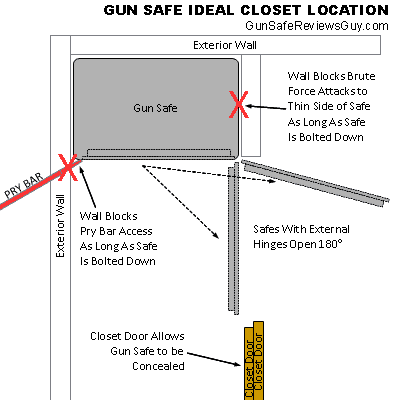
Choosing the right location for your fireproof gun safe is very important. It affects safety, durability, and ease of use. The right spot can protect your safe from damage and keep your firearms secure. Think about the floor, moisture, heat, and how easy it is to reach the safe. Each factor helps you decide where to place and bolt down your safe.
Assessing Floor Types
Check the floor where you want to install the safe. Concrete floors are strong and good for bolting down a heavy safe. Wooden floors may not hold bolts well. You might need special anchors for wood. Avoid floors that can crack or shift easily. A stable floor keeps the safe steady and secure.
Avoiding Moisture And Heat Exposure
Keep the safe away from damp areas like basements with water leaks. Moisture can damage both the safe and your guns. Avoid placing the safe near heating vents or direct sunlight. Heat can affect the fireproof materials and cause warping. A dry, cool place helps protect your safe’s integrity.
Accessibility And Discretion
Choose a spot that you can reach quickly in an emergency. Avoid places that are too hidden or hard to open. At the same time, keep the safe out of plain sight from visitors or intruders. A balance between easy access and good hiding keeps your firearms safe and ready.
Tools And Materials Needed
Bolting down a fireproof gun safe requires the right tools and materials. Proper equipment ensures the safe stays secure and stable. Prepare all items before starting the installation. This step saves time and avoids mistakes.
Anchors And Bolts Selection
Choose anchors and bolts that fit your safe and floor type. Heavy-duty anchors work best for concrete floors. Lag bolts are good for wooden floors. Use corrosion-resistant bolts to prevent rust. Correct size bolts keep the safe firmly in place.
Drilling Equipment
A power drill is essential for making holes. Use a drill bit designed for the floor material. Masonry bits work well on concrete. Wood drill bits are best for wooden floors. Have a hammer drill ready for tough surfaces.
Protective Gear
Wear safety goggles to protect your eyes from dust and debris. Use gloves to protect your hands during drilling. Ear protection helps reduce noise from the power tools. A dust mask prevents inhaling harmful particles. Safety gear keeps you safe while working.

Step-by-step Bolting Process
Bolting down a fireproof gun safe adds extra security. It stops thieves from moving or stealing it. The process needs care and the right tools. Follow these steps to bolt your safe safely and firmly.
Preparing The Safe And Floor
Clear the area around the safe. Make sure the floor is clean and dry. Check the safe’s bottom for pre-drilled holes. If no holes exist, you may need to drill yourself. Gather tools: drill, anchors, bolts, and a wrench.
Marking Drill Points
Place the safe in the desired spot. Use a pencil to mark the floor through the safe’s holes. Double-check that marks align with the safe’s holes. Remove the safe carefully without smudging the marks. These marks guide your drilling.
Drilling And Installing Anchors
Use a drill bit made for your floor type. Drill holes exactly where you marked. Clean dust from holes after drilling. Insert anchors into the holes firmly. Anchors hold bolts tightly in the floor. Ensure anchors fit snugly before moving on.
Securing The Safe
Place the safe back over the drilled holes. Insert bolts through the safe into the anchors. Tighten bolts using a wrench. Check all bolts are secure and tight. Avoid over-tightening to protect safe and floor. The safe should now be firmly fixed.
Fireproof Safe Considerations
Fireproof gun safes protect valuables from fire damage. Bolting them down adds security but needs care. Some steps can affect the fireproof features. Consider these key points before bolting your safe.
Material Compatibility
Fireproof safes use special materials to resist heat. Drilling or bolting can damage these layers. Some safes have insulation that must stay intact. Check if the bolt holes match safe materials. Use correct tools to avoid cracks or breaks.
Maintaining Fireproof Integrity
Fireproof safes rely on tight seals and insulation. Bolting might create gaps that let heat in. Avoid removing or altering fireproof panels. Keep the safe’s structure strong and sealed. Test bolts carefully to keep fire resistance.
Manufacturer Guidelines
Each safe brand has specific rules for bolting. Follow the instructions to keep warranty valid. Some models allow bolting only in certain spots. Contact the manufacturer for advice if unsure. Proper installation protects both safe and contents.
Common Mistakes To Avoid
Bolting down a fireproof gun safe helps keep your firearms secure and stable. Many make mistakes that reduce safety or damage the safe. Avoid these common errors to protect your investment and ensure the safe stays firmly in place.
Using Incorrect Anchors
Choose anchors that fit your floor type. Using the wrong anchors can cause weak hold or damage. Concrete anchors work best on concrete floors. Wood anchors suit wooden floors. Avoid using generic anchors without checking compatibility.
Ignoring Floor Stability
Check your floor for cracks or weaknesses before installation. A weak floor can shift or break under the safe’s weight. Secure the safe only on stable, solid surfaces. Avoid placing it on thin or damaged flooring.
Overlooking Safe Weight Distribution
Place the safe to spread weight evenly. Uneven weight can cause tipping or stress on bolts. Use a level to ensure the safe sits flat. Balance helps bolts hold better and prevents damage to floors.
Alternative Securing Methods
Securing a fireproof gun safe is vital for protecting your valuables. Bolting it down is common, but not the only way. Alternative methods can offer strong security without drilling into floors or walls. These options adapt to different spaces and needs.
Cable Locks
Cable locks wrap around the safe and a heavy object. They prevent easy removal and offer flexible placement. These locks are simple to use and work well for quick setups. Choose thick, cut-resistant cables for better security.
Concrete Encasement
Concrete encasement involves surrounding the safe with concrete. This method makes moving or stealing the safe very hard. It is a permanent solution and adds extra fire protection. Planning is important, as the safe becomes fixed in one spot.
Security Cabinets
Security cabinets are heavy, locked boxes that hold your gun safe. They add a second layer of protection and can be bolted down. These cabinets often come with reinforced steel and strong locks. They are ideal for extra security in homes or offices.

Maintenance And Safety Checks
Maintaining your fireproof gun safe is crucial for its long-term security and performance. Regular checks help spot issues early and keep your safe functioning well. Safety starts with proper care and ongoing attention.
Regular Bolt Tightening
Bolt-down fireproof gun safes can loosen over time. Vibrations and movements cause bolts to shift. Check bolts every few months. Use a wrench to tighten bolts securely. Loose bolts reduce the safe’s stability and security.
Inspecting For Damage
Look closely at the safe’s body and locking system. Fireproof safes may face heat, moisture, or physical wear. Search for dents, rust, or cracks. Damaged parts can weaken protection. Replace or repair parts if needed. Early fixes prevent bigger problems later.
Updating Security Measures
Security needs change over time. Upgrade locks or add new security features. Electronic locks may need new batteries or software updates. Consider adding alarms or surveillance near the safe. These steps improve safety and keep unauthorized access away.
Frequently Asked Questions
Can You Bolt Down A Fireproof Gun Safe Safely?
Yes, you can bolt down a fireproof gun safe safely. It adds stability and theft protection. Use proper anchors and follow the manufacturer’s guidelines for best results.
What Tools Are Needed To Bolt Down A Gun Safe?
You typically need a drill, masonry bit, bolts, and a wrench. Anchoring hardware depends on your floor type, like concrete or wood.
Does Bolting A Safe Affect Its Fireproof Rating?
No, bolting does not affect the safe’s fireproof rating. The fire protection is built into the safe’s materials and design, independent of installation methods.
Where Is The Best Place To Bolt Down A Gun Safe?
Bolt your safe to a concrete floor or wall for maximum security. Avoid weak surfaces like drywall or thin wood floors.
Conclusion
Bolting down a fireproof gun safe adds extra security and peace of mind. It keeps the safe from moving during a fire or theft. Make sure to follow the manufacturer’s instructions for proper installation. Use strong anchors and bolts suitable for your floor type.
Remember, a well-secured safe protects your valuables better. Choose the right spot that is both hidden and sturdy. Taking these steps helps keep your guns and important items safe at all times. Safety and security go hand in hand.