Are you worried that the light inside your gun safe might harm your firearms? It’s a question many gun owners ask but few fully understand.
After all, your firearms are valuable and need proper care. Could something as simple as a safe light cause damage over time? You’ll discover the truth about gun safe lights, how they interact with your firearms, and what you can do to protect your investment.
Keep reading to learn what really matters when it comes to keeping your guns safe and in top condition.
Impact Of Light On Firearms
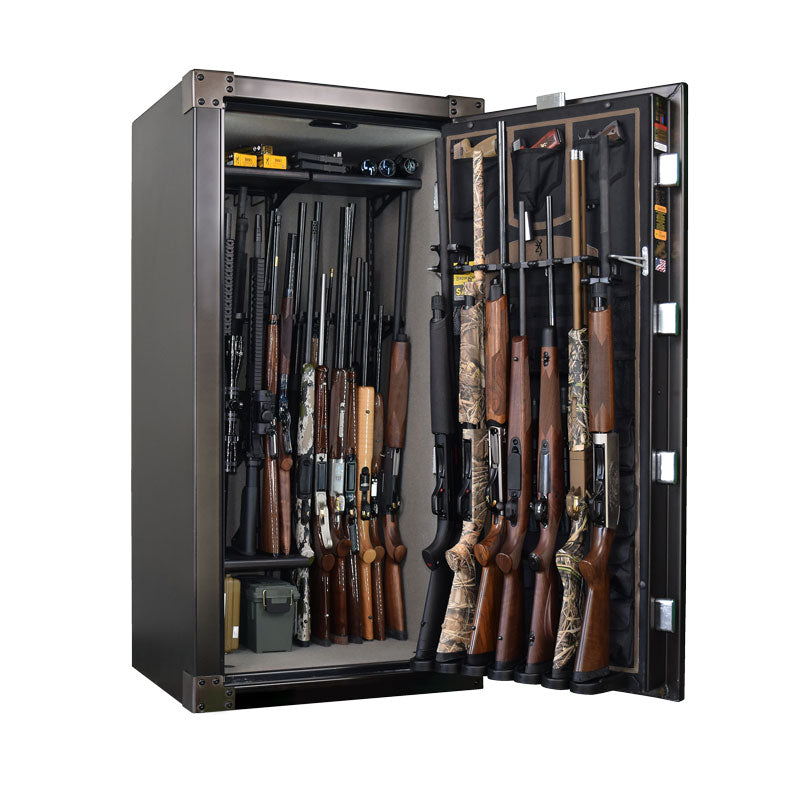
Light exposure can affect firearms over time. It can cause changes in metal and wood parts. Understanding how light impacts guns helps in safe storage. Proper gun safe lighting is key to protecting your firearms.
Types Of Gun Safe Lights
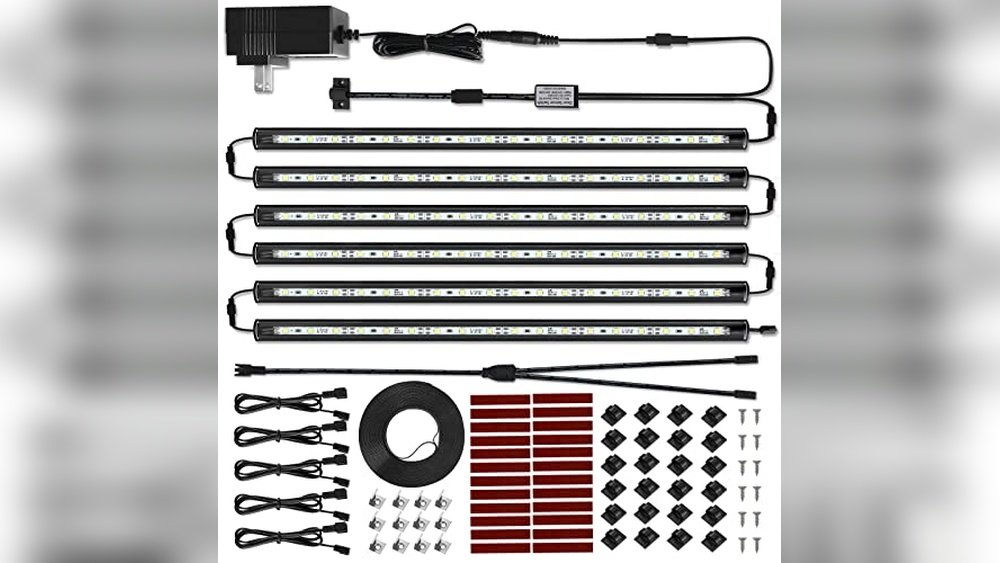
LED lights are common in gun safes. They use low heat and energy. LED lights do not emit much ultraviolet (UV) light. UV light can cause damage to gun finishes and wood.
Incandescent bulbs produce more heat and UV light. They can harm firearm finishes if left on too long. Many gun owners avoid incandescent lights for safes.
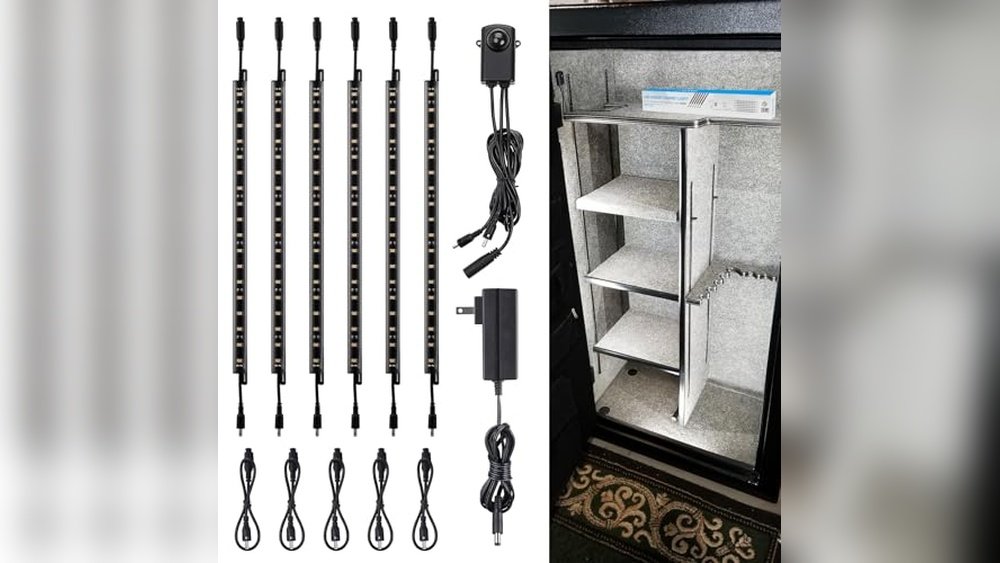
Some safes use motion-activated lights. These turn on only when the safe is opened. This limits the time firearms are exposed to light. It helps reduce any potential damage.
Common Concerns About Light Exposure
Many worry that light causes rust or fading. Direct sunlight or strong UV light can fade wood stocks. It can also damage bluing or coatings on metal parts.
Continuous exposure to bright light may dry out wood. Dry wood can crack or shrink. Metal parts can lose their protective finish over time.
LED lights inside safes usually do not cause damage. They emit very little heat and UV light. Still, it is best to turn off lights when not needed.
Keeping firearms in a cool, dark place is ideal. Minimal light exposure helps preserve their condition. Proper storage extends the life of your guns.
Effects On Different Firearm Materials
Firearms consist of different materials. Each reacts differently to light exposure inside a gun safe. Understanding these effects helps protect your weapons from damage. This section explores how gun safe lights impact metal, wood, and polymer parts.
Metal Components And Light Exposure
Most firearms have metal parts like barrels and slides. These metals are usually resistant to light damage. Bright lights in a gun safe do not cause rust or corrosion directly. The real risk is heat from powerful lights. Too much heat can affect metal finishes and lubricants. Low-heat LED lights are safer for metal components. They do not raise temperatures or harm the metal surface.
Wood And Polymer Parts Under Light
Wood stocks and grips can be sensitive to light. Continuous exposure to bright light may cause fading or drying. This leads to cracks or warping in wood over time. Polymer parts are more durable against light. They resist fading and cracking better than wood. Still, extreme heat from some lights can soften polymers. Using soft, cool lighting protects wood and polymer parts best.
Moisture And Heat Factors
Moisture and heat play a big role in firearm safety inside gun safes. Both can cause damage over time. Understanding how gun safe lights affect moisture and heat helps protect your guns. Lights can raise temperature and change humidity levels inside the safe. These changes may lead to rust, corrosion, or weakening of parts.
Heat Generation From Lights
Lights inside gun safes produce heat. This heat can raise the internal temperature. Higher temperatures speed up metal corrosion and oil breakdown. Even small heat increases matter. LED lights produce less heat than incandescent bulbs. Using low-heat lights helps keep the safe cooler. Proper ventilation inside the safe also controls heat buildup.
Light-induced Humidity Changes
Light can affect humidity inside the safe. Warmer air holds more moisture. When lights heat the air, moisture levels may rise. Higher humidity causes rust on metal parts. It also damages wooden gun stocks. Moisture buildup leads to mold and mildew. Using moisture absorbers can reduce humidity risks. Keep the safe dry to protect your firearms.
Best Practices For Safe Lighting
Proper lighting inside gun safes helps you see your firearms clearly. It reduces the risk of accidents and damage. Using safe lighting methods protects both your guns and your eyes. Follow these best practices for safe lighting to keep your firearms in good condition.
Choosing The Right Light Type
Use LED lights inside your gun safe. They stay cool and do not harm gun finishes. Avoid incandescent bulbs that get hot and can damage metal parts. Battery-powered lights are good because they do not need wiring. Look for lights with a soft, warm color to reduce glare.
Optimal Placement Inside Gun Safes
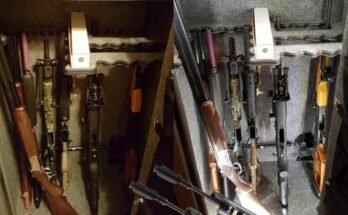
Place lights where they shine evenly on your firearms. Avoid direct light on sensitive parts like wooden stocks. Mount lights at the top or sides to cover the entire safe. Use motion sensor lights to turn on only when you open the safe. This prevents heat buildup and saves battery power.
Expert Opinions And Research Findings
Experts and research provide valuable insight about gun safe lights and firearm safety. Understanding their views helps gun owners make smart choices. This section shares expert opinions and scientific findings on the topic.
Industry Expert Insights
Many firearm experts say gun safe lights do not harm guns. They explain that short exposure to LED or low-heat lights is safe. These lights do not cause rust or damage gun finishes.
Experts warn against strong or heat-producing lights. Intense heat can affect gun oils and finishes. Most gun safes use safe, low-heat LED lights to avoid problems.
Experts also stress proper gun care. Regular cleaning and oiling protect guns better than light exposure.
Scientific Studies On Light And Firearms
Scientific research supports expert views on safe lighting. Studies show low-intensity LED lights do not change metal or wood parts. No chemical reactions or corrosion happen under normal safe lighting.
Research warns against strong ultraviolet (UV) light. UV light can degrade some gun materials over time. Still, standard gun safe lights rarely use UV sources.
Most studies conclude that light from common gun safe LEDs poses no risk. Proper maintenance remains key to keeping firearms safe.
Frequently Asked Questions
Can Gun Safe Lights Harm Firearm Finishes?
No, most gun safe lights use LED bulbs that emit minimal heat. This prevents damage to firearm finishes over time, keeping your guns safe and well-preserved.
Do Gun Safe Lights Affect Firearm Functionality?
No, gun safe lights do not impact firearm mechanics or performance. They only provide illumination inside the safe for easy access and inspection.
Are Led Lights Safe For Gun Safes?
Yes, LED lights are safe for gun safes. They produce low heat and consume little power, reducing risks of damage or fire hazards inside the safe.
How Long Can Gun Safe Lights Stay On Safely?
Gun safe lights can safely stay on for hours. LEDs generate minimal heat, so prolonged use won’t harm firearms or the safe’s interior.
Conclusion
Gun safe lights usually do not harm firearms. Most lights use safe, low heat bulbs. Bright light can help you find guns quickly. Keep bulbs cool and avoid direct heat on guns. Use lights designed for gun safes to be safe.
Check your gun regularly for any damage. Proper care keeps your firearms in good shape. Bright, safe lighting adds convenience without risk. Choose quality lights made for gun safes. Protect your guns and see them clearly.