Are you worried about keeping your ammo and accessories safe from fire damage? You’re not alone.
Whether you store bullets, gun parts, or other gear, protecting them from unexpected fires is crucial. But can a fireproof safe really do the job? You’ll discover how these safes work, what they can protect, and what you need to look for to keep your valuables secure.
Keep reading to make sure your ammo and accessories stay intact, no matter what happens.

Fireproof Safe Basics
Fireproof safes offer essential protection for valuable items. They shield contents from high heat and flames during a fire. Understanding the basics helps you choose the right safe. This section covers the materials and construction of fireproof safes and explains fire ratings.
Materials And Construction
Fireproof safes use special materials to resist heat. Thick steel walls are common, providing strong protection. Inside, fire-resistant insulation blocks heat from reaching the interior. This insulation can be made from gypsum, concrete, or other fire-retardant materials. The door seals tightly to prevent smoke and heat entry. Proper construction ensures the safe keeps its shape in extreme heat.
Fire Ratings Explained
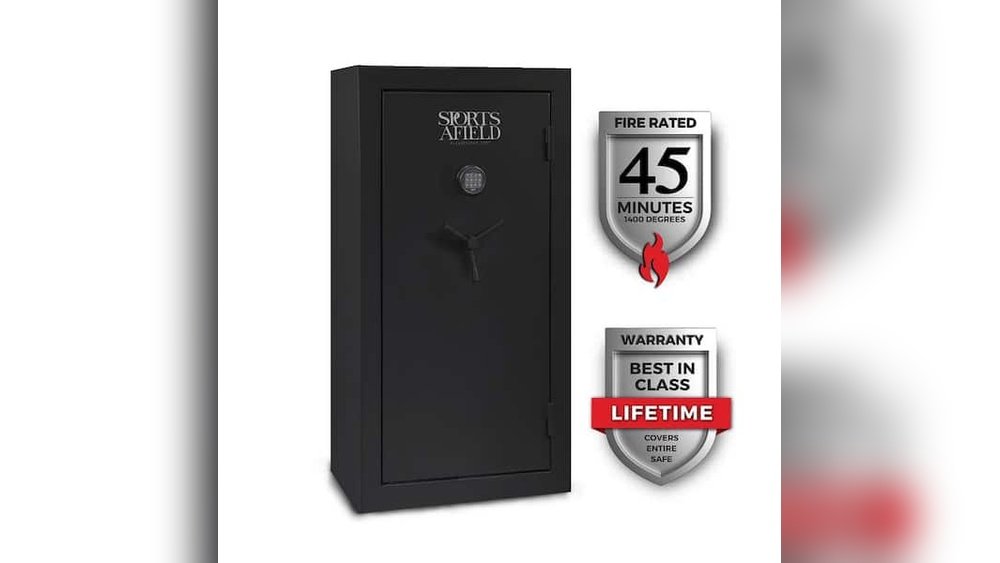
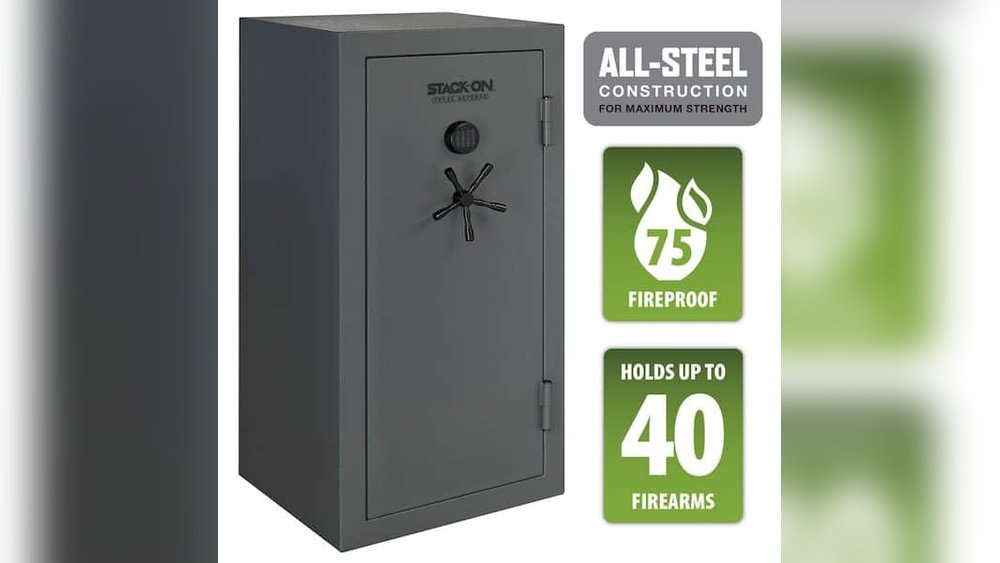
Fire ratings show how long a safe can resist fire. Ratings are given in minutes or hours, like 30 minutes or 1 hour. The rating also includes the maximum temperature inside the safe. This temperature must stay low enough to protect the contents. Different safes have different ratings for paper, digital data, or other items. Choosing a safe with the right rating ensures your ammo and accessories stay safe in a fire.
Ammo Vulnerability To Heat
Ammunition can suffer serious damage from high heat. Heat changes the chemical and physical makeup of ammo. This can cause the ammo to misfire or become unsafe to use. Knowing how heat affects ammo helps you protect it better.
Ammo is not just metal and gunpowder. It has small parts sensitive to heat. Extreme temperatures can cause these parts to expand, leak, or ignite. Fires bring intense heat, which makes ammo very vulnerable.
How Heat Affects Ammunition
Heat causes the gunpowder inside ammo to burn faster. This can lead to explosions inside the cartridge. The primer, a small explosive part, can ignite too soon. This makes the ammo unsafe and unreliable.
High heat can melt or warp the casing of a bullet. This damages the bullet and changes how it fits in a gun. The bullet may jam or not fire correctly after heat exposure.
Repeated exposure to heat weakens the ammo’s overall stability. Even if it looks fine, the ammo may fail when used. Proper storage away from heat is critical for safety.
Common Risks During Fires
Fires generate extreme heat quickly. Ammo stored in a fire may ignite or explode. This can cause additional damage or injury. Even sealed containers may not stop the heat from affecting ammo.
Smoke and soot can also harm ammunition. These can enter containers that are not airtight. Contaminants may cause corrosion or malfunction in ammo.
Fires cause rapid temperature changes. This sudden heat shock stresses ammo parts. It can crack or weaken them, risking failure when fired.
Safe Protection Capabilities
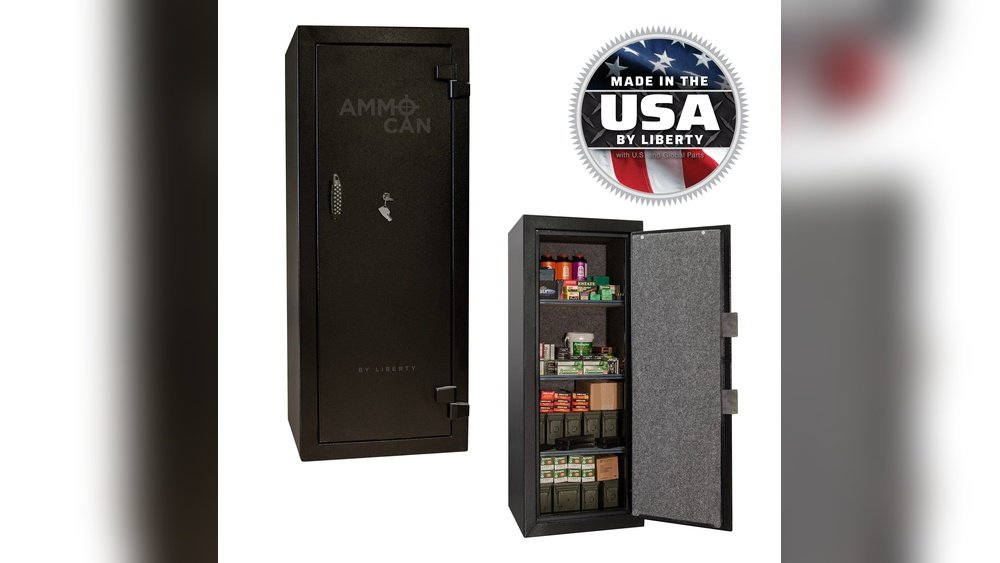
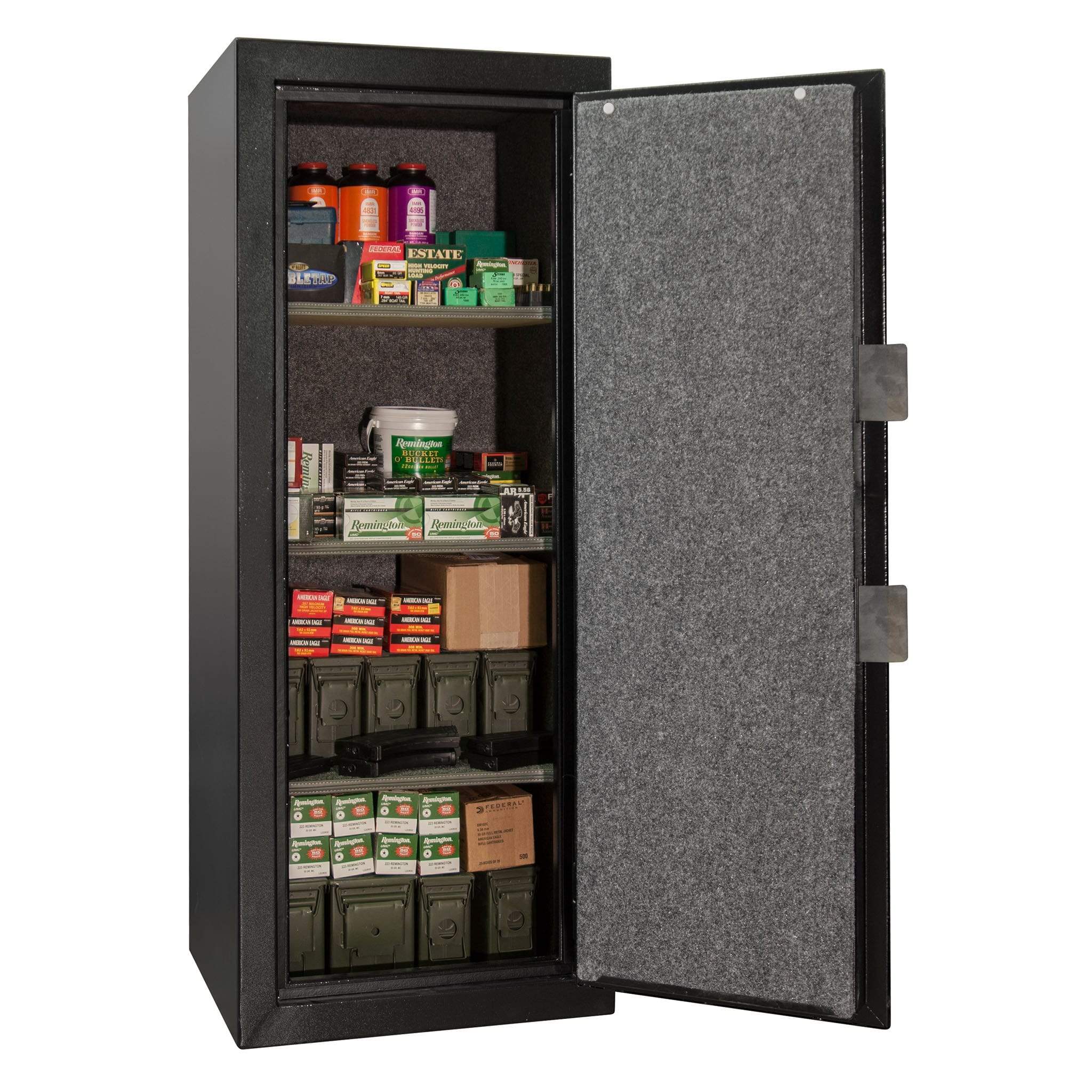
Fireproof safes offer important protection for your ammo and accessories. They are designed to keep the contents safe from heat and flames. Understanding their protection capabilities helps you choose the right safe. You want to know if your ammo will survive a fire inside the safe. This depends on the safe’s temperature limits and special features.
Not all fireproof safes protect ammo equally. Some safes keep temperatures low enough to prevent damage. Others have features that help protect against moisture and impact. Knowing these details helps you protect your valuable items better.
Temperature Thresholds For Ammo
Ammunition can be damaged by high heat. Most ammo starts to degrade at around 120°F (49°C). A good fireproof safe keeps the inside below this temperature. Many safes offer protection up to 1,200°F (649°C) outside. Inside, the temperature stays much lower for a set time.
The safe’s fire rating shows how long it can keep heat out. Look for safes rated for at least 30 minutes to one hour. Longer protection times are better for severe fires. The safe’s insulation slows heat transfer to keep ammo safe.
Safe Features That Matter
Strong materials like steel help keep fire out. The door seal is important to stop smoke and heat from entering. Some safes have special fire-resistant seals that expand in heat. This blocks fire from reaching inside.
Moisture control is also key. Fires can cause water damage from sprinklers or hoses. A dry interior protects ammo from rust and corrosion. Look for safes with good moisture barriers or dehumidifiers inside.
Impact resistance helps if the safe falls or is hit. Solid construction prevents damage from shock. Choose safes with thick walls and secure locking systems. These features keep both fire and physical damage away from your ammo and accessories.
Storing Accessories Safely
Storing ammo accessories safely inside a fireproof safe requires careful thought. These items can be delicate and sensitive to heat. Proper storage helps keep them in good shape. It also ensures they last longer and work well when needed.
Types Of Accessories To Protect
Ammo accessories include items like cleaning kits, scopes, magazines, and gun oil. Each has a specific use and material makeup. Cleaning kits often have brushes and solvents. Scopes contain glass lenses and electronic parts. Magazines are metal or plastic containers for bullets. Gun oil prevents rust and keeps parts moving smoothly.
All these accessories need protection from heat and fire. Damage to any part can stop your ammo from working properly. A safe that protects these items keeps them ready and reliable.
Heat Sensitivity Of Accessories
Many ammo accessories cannot handle high temperatures. Heat can warp plastic, ruin oils, and damage electronic scopes. Solvents in cleaning kits may evaporate or catch fire. Metal parts can lose strength or become deformed.
A fireproof safe offers a temperature-controlled environment. It prevents heat from reaching dangerous levels inside. This protection helps keep accessories safe during a fire. Choosing a safe with good heat resistance is essential.
Choosing The Right Fireproof Safe
Protecting ammo and accessories requires more than just any safe. The right fireproof safe can keep your items secure from heat and flames. Picking a safe involves understanding its features and certifications. This knowledge helps ensure your belongings stay intact during emergencies.
Not all fireproof safes offer the same level of protection. Some are better at resisting heat, while others focus on impact resistance. Choosing wisely means balancing your needs with the safe’s capabilities. Safety starts with knowing what to expect from the safe.
Key Features To Look For
Look for safes with fire resistance rated for at least 1 hour. The safe’s interior temperature should stay below 350°F to protect ammo. Thick walls and doors improve heat insulation. A tight seal keeps smoke and gases out. Consider safes with impact resistance to guard against drops and shocks. Size matters; ensure the safe fits your ammo and accessories comfortably.
Certifications And Testing
Trust safes tested by independent labs. UL (Underwriters Laboratories) and ETL certifications show reliable fire protection. Check for ratings like UL 72 or UL 350, which indicate heat resistance levels. Some safes undergo real fire tests to confirm durability. Certification labels give peace of mind about the safe’s quality. Avoid safes without proper testing or unclear claims.
Additional Fire Safety Tips
Protecting ammo and accessories from fire needs more than just a fireproof safe. Extra steps improve safety and keep your items secure. Small actions make a big difference in emergencies.
Placement And Installation
Choose a safe spot away from heat sources. Avoid placing the safe near stoves, heaters, or direct sunlight. Install the safe on a sturdy, flat surface to keep it steady. Secure the safe to the floor or wall to stop tipping or moving during a fire or quake. Keep the safe in a low traffic area to reduce accidental damage.
Maintenance And Inspection
Check your safe regularly for damage or wear. Look for cracks, dents, or rust that could weaken fire protection. Test the lock and hinges to ensure smooth operation. Replace worn-out seals to keep smoke and heat out. Clean the safe inside and out to avoid dirt buildup that can affect function. Regular care extends the safe’s life and keeps contents safer.

Frequently Asked Questions
Can A Fireproof Safe Protect Ammunition Safely?
Yes, a fireproof safe can protect ammunition by keeping it away from heat and flames. Look for safes with high fire ratings and proper seals to ensure ammo remains intact and functional during fire emergencies.
Are Fireproof Safes Moisture Resistant For Ammo Storage?
Many fireproof safes also offer moisture resistance. This feature prevents rust and corrosion on ammunition and accessories, ensuring they stay in good condition over time. Check product specifications for moisture protection details.
How Long Can Ammo Stay Safe In A Fireproof Safe?
Ammo can remain safe inside a quality fireproof safe for several hours, depending on the safe’s fire rating. Choose safes rated to withstand high temperatures for at least 30 to 60 minutes for optimal protection.
Can A Fireproof Safe Protect Gun Accessories Too?
Yes, fireproof safes protect gun accessories like scopes, magazines, and cleaning kits from fire damage. Ensure the safe has enough space and cushioning to avoid damage from heat or impacts.
Conclusion
A fireproof safe offers good protection for ammo and accessories. It can keep them safe from heat and flames for some time. Still, not all safes provide the same level of safety. Check the safe’s fire rating before buying. Proper storage helps keep ammo dry and stable.
Fireproof safes add peace of mind, especially during emergencies. Choose a safe that fits your needs and budget. Keep your gear secure and ready when you need it most. Safety matters. Protection matters.