If you own an AR-15, you probably want the best way to store it safely and access it quickly. But when it comes to choosing between vertical and horizontal racks, which one truly fits your needs?
You might be wondering if vertical racks save space or if horizontal racks protect your rifle better. The right choice can make a big difference in how you organize your gear and keep your AR-15 ready for action. Keep reading to discover the pros and cons of each option, so you can make a smart decision that works perfectly for you.
Vertical Ar-15 Racks
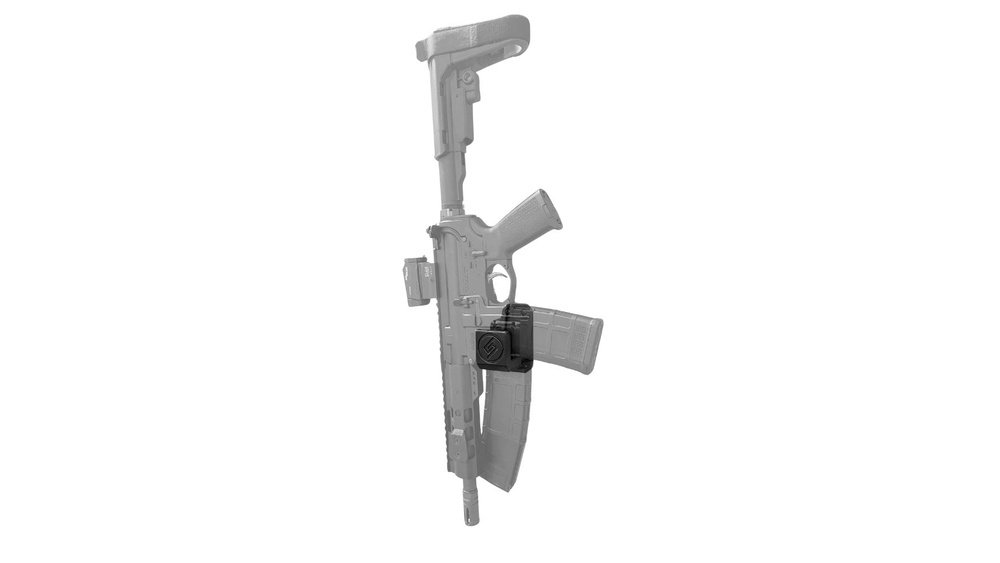
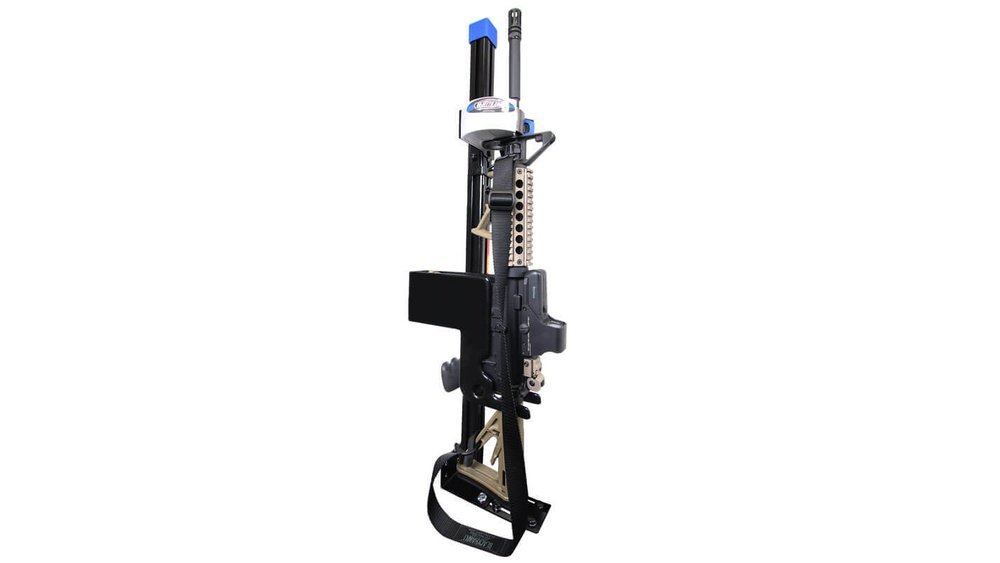
Vertical AR-15 racks hold rifles upright. They keep guns in a standing position. This style offers a unique way to store firearms safely and neatly. Many gun owners prefer vertical racks for their convenience and practicality. Understanding their design and benefits helps choose the right storage solution.
Design And Structure
Vertical AR-15 racks stand tall and slim. They have slots or hooks to hold rifles upright. The structure often uses wood, metal, or plastic. The design aims to protect the gun’s finish and parts. Most racks have padding or soft materials to prevent scratches.
Space Efficiency
Vertical racks save floor space by using height. They fit well in closets or small rooms. This design allows storing many rifles side by side. It keeps your collection organized without spreading out too much. Vertical racks maximize storage in limited areas.
Accessibility And Handling
Rifles in vertical racks are easy to grab quickly. No need to lift other guns to reach one. Each gun stays separate, reducing the chance of damage. This setup makes handling firearms safer and simpler. It suits those who need fast access.
Safety Considerations
Vertical racks keep firearms secure and stable. They reduce the risk of guns tipping over or falling. Proper locking mechanisms enhance security. Vertical storage prevents accidental damage to triggers or barrels. This method supports safe and responsible gun storage.
Installation And Setup
Most vertical racks install easily on walls or inside cabinets. Some models stand freely on the floor. Setup usually requires basic tools like screws and anchors. Clear instructions come with most racks for smooth assembly. Vertical racks offer flexible placement options.
Horizontal Ar-15 Racks
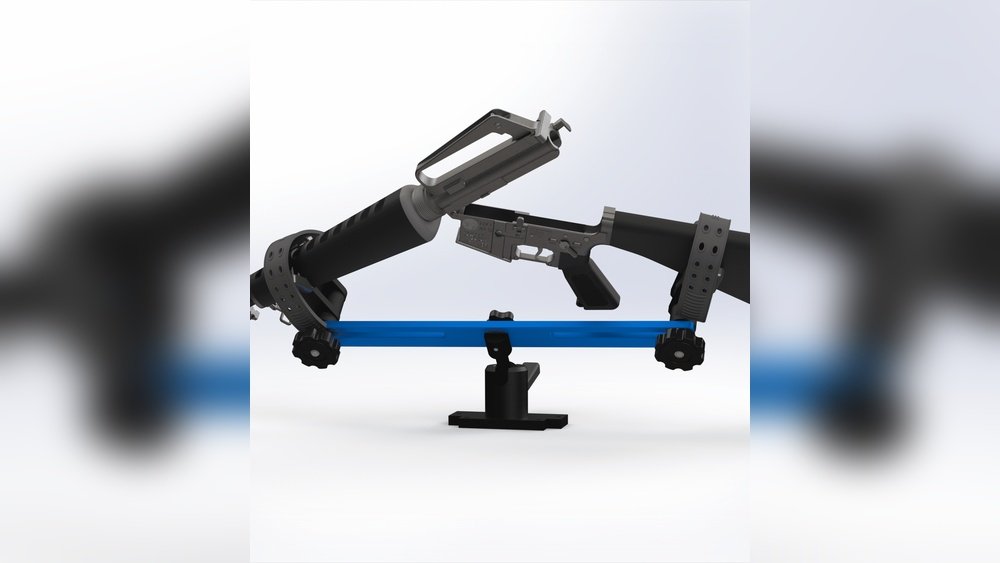
Horizontal AR-15 racks hold rifles in a flat, side-by-side position. This style keeps guns lined up horizontally against a wall or inside a cabinet. Many gun owners favor these racks for their straightforward design and ease of use. They offer a clear view of each rifle’s details, making quick selection simple. Understanding their features helps decide if they suit your storage needs.
Design And Structure
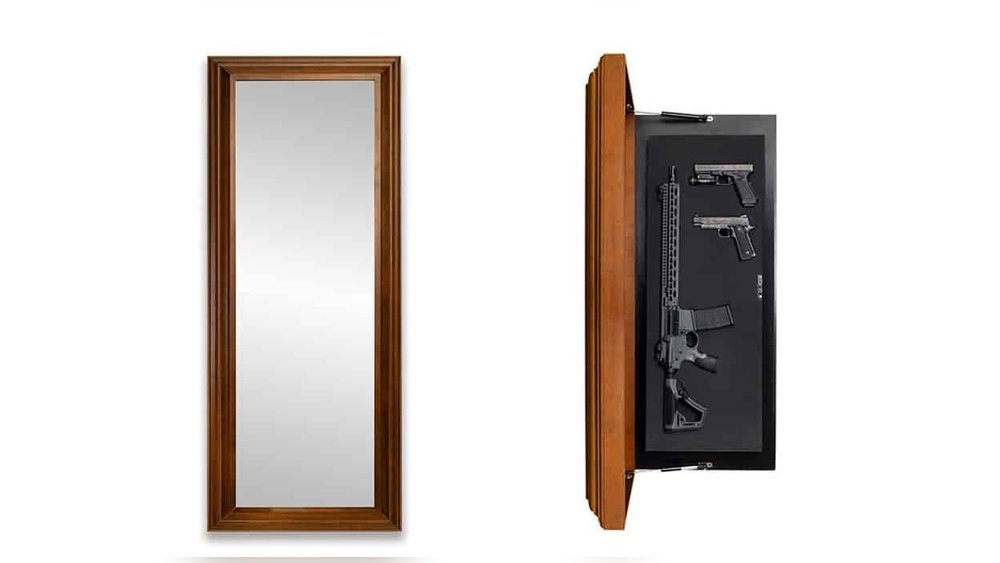
Horizontal racks use a long base with slots or hooks. Each slot holds one rifle securely in place. The rifles rest on their sides, often supported by padded surfaces. Materials like wood, metal, or plastic are common. Designs range from simple bars to enclosed cases. The structure aims to keep guns stable and organized.
Space Efficiency
These racks spread rifles across a horizontal space. They need enough wall length or shelf depth. This layout works well for wide rooms or large storage areas. Horizontal racks can fit many rifles side by side. They do not use vertical height as much. This setup suits places with ample wall space.
Accessibility And Handling
Rifles in horizontal racks are easy to reach and remove. Each gun lies flat, making handling safer. Users can quickly grab a rifle without shifting others. This design helps avoid damage from bumping guns together. Clear visibility lets users identify rifles fast. Perfect for those who need fast access.
Safety Considerations
Horizontal racks keep rifles stable to prevent falling. Padding or rubber grips protect guns from scratches. Proper spacing avoids contact between rifles. Locks or enclosed cases add extra security. The flat position lowers the risk of accidental drops. These racks support safe storage habits.
Installation And Setup
Installing horizontal racks is usually simple. Many come with wall-mount kits or stand-alone bases. Mounting requires level surfaces and sturdy walls. Setup often needs basic tools like drills and screws. Users can customize rack length to fit spaces. Some models allow easy expansion for more rifles.
Comparing Space Usage
Comparing space usage is key when choosing between vertical and horizontal AR-15 racks. The way each rack fits in your room affects how much space you save or use. Understanding these differences helps you pick the best option for your needs.
Wall Space Requirements
Vertical racks use less wall space because they hold guns upright. They fit better in narrow spaces or corners. Horizontal racks need longer wall areas since guns lie flat. This can limit where you place them on your wall.
Floor Space Impact
Vertical racks usually take up less floor space. They stand tall and keep the floor clear. Horizontal racks may require more floor room, especially if placed on low shelves. This can make a room feel crowded.
Storage Capacity
Vertical racks often store more rifles in the same wall space. Guns stack closely without overlapping. Horizontal racks spread out guns side by side, needing more space for the same number. This affects how many rifles you can store efficiently.

Ease Of Access
Ease of access is key when choosing between vertical and horizontal AR-15 racks. It affects how quickly you can grab your rifle and how comfortable the process feels. Storage style also impacts how easy it is to clean and maintain your firearm.
Quick Retrieval
Vertical racks often allow faster rifle removal. The gun stands upright, making the barrel and grip easy to reach. This setup reduces fumbling and saves time. Horizontal racks usually require sliding the rifle out, which can slow you down.
User Ergonomics
Vertical racks keep rifles at a natural hand level. This reduces bending and awkward reaching. They work well for small spaces or tight corners. Horizontal racks might need more arm movement and can be harder on the back if placed low.
Maintenance And Cleaning
Vertical racks expose more of the rifle’s surface. This makes wiping down and inspecting easier. Dust and debris fall away more easily from vertical storage. Horizontal racks may trap dirt under the rifle, requiring extra effort to clean.
Safety And Security
Safety and security are key when storing AR-15 rifles. Proper racks help prevent accidents and protect your firearms. Choosing the right rack supports secure and stable storage. This keeps your guns safe from damage and unauthorized access.
Stability And Support
Vertical racks often use gravity to hold rifles upright. This helps keep each AR-15 steady and less likely to fall. Horizontal racks support guns lying flat, spreading the weight evenly. Both types must be strong enough to hold the rifle’s weight. Check that the rack fits your rifle size. A stable rack reduces the risk of guns tipping over or getting scratched.
Locking Mechanisms
Locks are essential for firearm security. Vertical racks can include built-in locks or space for padlocks. Horizontal racks often offer lockable cabinets or cases. Choose racks with reliable locking systems. They stop unauthorized people from accessing your firearms. A good lock gives peace of mind and meets legal requirements.
Child And Pet Safety
Racks must keep guns away from children and pets. Vertical racks may be harder for small kids to reach. Horizontal racks inside lockable cabinets offer extra protection. Always place racks in secure, out-of-reach areas. Proper storage prevents accidents and keeps your home safer.

Aesthetic And Practical Preferences
The choice between vertical and horizontal AR-15 racks often boils down to how they look and how they work in daily use. Both styles offer unique visual and practical benefits. Understanding these can help you pick the right rack for your space and needs.
Visual Appeal
Vertical racks show rifles standing up straight. This style often looks cleaner and modern. It can make a room feel taller and less cluttered. Horizontal racks lay rifles flat, which can look more traditional. They can fill a space evenly, creating balance on a wall. The right look depends on your room and taste.
Customization Options
Vertical racks often come with adjustable slots. This lets you fit different gun sizes and shapes. Some vertical racks allow adding lights or labels for easy ID. Horizontal racks usually offer wide shelves or hooks. These can hold ammo boxes or accessories too. Both styles let you change the setup as needed.
Durability And Materials
Vertical racks often use metal or hardwood for strength. They must hold rifles securely without tipping. Horizontal racks also use sturdy wood or metal. These racks spread the weight evenly across the shelf. Both types resist damage and keep guns safe. Material choice affects how long the rack lasts and how it looks.
Cost And Value
Cost and value are key factors when choosing between vertical and horizontal AR-15 racks. The initial price matters, but so does what you get for your money. Consider how the rack lasts and the support from the maker. These points help decide which rack fits your budget and needs best.
Price Comparison
Vertical AR-15 racks often cost less upfront. They use less material and take up less space. Horizontal racks usually cost more. They require more parts and a bigger design. Your budget can guide this choice, but think about what you get.
Long-term Investment
Quality affects how long the rack lasts. Vertical racks save space but can be less stable. Horizontal racks hold guns more securely but need more room. A strong rack protects your firearms better. Choose a rack that lasts and keeps guns safe.
Warranty And Support
Check the warranty before buying. Some racks come with a longer, better warranty. Good support means you can fix or replace parts easily. This adds value and peace of mind. A solid warranty shows confidence from the maker.
User Experiences
User experiences offer valuable insight into how vertical and horizontal AR-15 racks perform. These real opinions highlight practical benefits and drawbacks. Users share their day-to-day interactions with both rack types. This helps others decide what fits their needs best.
Common Feedback
Many users find vertical racks save space effectively. They say these racks keep rifles easy to grab. Some mention worries about scratches from close placement. Horizontal racks often get praised for secure holding. Users like how these racks prevent rifles from tipping. A few report horizontal racks take more wall space.
Expert Opinions
Experts often note that vertical racks suit small rooms. They point out better visibility of each rifle. Some experts warn about stability issues in vertical racks. Horizontal racks get high marks for safety and stability. Professionals emphasize choosing racks with padding to protect finishes. They advise matching rack style to room size and use.
Real-world Scenarios
Gun owners in tight spaces prefer vertical racks. They mention easy access during quick use. Shooting ranges favor horizontal racks for organized storage. Police and military use horizontal racks for secure transport. Hunters sometimes combine both racks for different needs. Each setting shows how user goals shape rack choice.
Choosing The Right Rack
Choosing the right rack for your AR-15 is important. It affects how safe and easy it is to store your rifles. Different racks suit different needs and spaces. Think about what fits best in your home or gun room. This helps keep your collection organized and accessible.
Assessing Your Space
Start by measuring the area where you want to place the rack. Vertical racks take up less floor space. They fit well in tight corners or narrow rooms. Horizontal racks need more wall space but hold guns side by side. Consider ceiling height for vertical racks. Check if the space is easy to reach for daily use.
Matching Usage Needs
Think about how often you use your rifles. Vertical racks make quick access easier for many users. They keep guns upright and visible. Horizontal racks protect rifles better from bending or warping. They work well for long-term storage. Choose a rack style that suits your handling habits and safety needs.
Balancing Pros And Cons
Vertical racks save space and offer fast access. But they may expose rifles to dust or damage if not padded. Horizontal racks provide stable support and better protection. They take up more room and may be harder to reach in tight spaces. Weigh these points to find the right balance for your needs.
Frequently Asked Questions
What Are The Main Benefits Of Vertical Ar-15 Racks?
Vertical AR-15 racks save space by storing rifles upright. They offer quick access and better visibility. These racks also reduce pressure on the firearm’s barrel, enhancing longevity and safety.
How Do Horizontal Ar-15 Racks Compare In Durability?
Horizontal AR-15 racks provide stable support, minimizing rifle movement. They protect the barrel and stock evenly. This design often features padded rests to prevent scratches and damage during storage.
Which Rack Style Offers Better Firearm Safety?
Vertical racks keep rifles locked and upright, reducing accidental falls. Horizontal racks spread weight evenly and prevent barrel bending. Both styles enhance safety when properly installed and used.
Are Vertical Racks Easier To Install Than Horizontal Racks?
Vertical racks usually require less wall space and simpler mounting. Horizontal racks may need more precise alignment and support points. Installation complexity depends on rack design and user skill.
Conclusion
Choosing between vertical and horizontal AR-15 racks depends on your space and needs. Vertical racks save floor space and offer quick access. Horizontal racks hold more guns and can fit better in certain spots. Both types keep your rifles safe and organized.
Think about your room size and how you use your guns. Pick the rack that fits your lifestyle best. Storage should be simple and secure. That’s the key to keeping your AR-15 safe and ready.