When you think about protecting your firearms, you probably focus on security from theft. But what about protecting them from something just as destructive—your house catching fire?
You might wonder, are fireproof gun safes really effective in a house fire? Can they truly keep your valuable guns safe from intense heat and smoke? You’ll discover the truth behind fireproof gun safes and whether investing in one is worth it for your peace of mind.
Keep reading to find out how these safes work and what you need to know to protect your firearms when it matters most.

Fireproof Gun Safes Basics
Fireproof gun safes protect valuable firearms during house fires. They are built to withstand high temperatures and keep guns safe. Understanding their basics helps you choose the right safe for your home. Here is a look at what makes a fireproof gun safe effective.
Materials And Construction
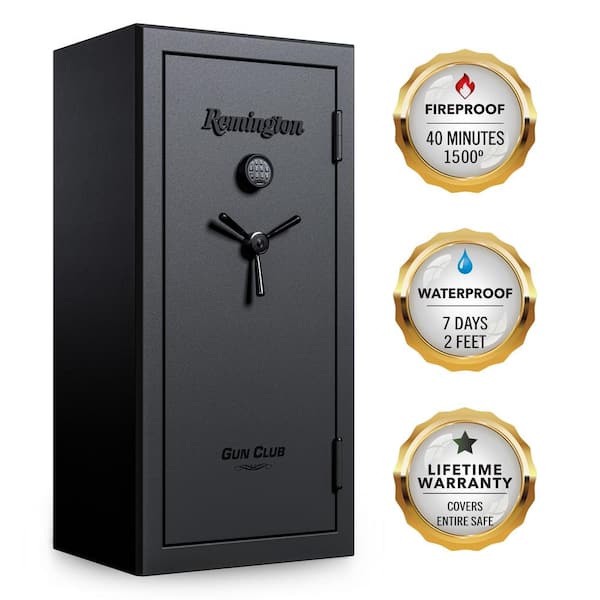
Fireproof gun safes use special materials to block heat. Thick steel walls shield the safe from flames. Inside, fire-resistant insulation slows heat transfer. This keeps the inside cool, protecting guns and ammo. The door seals tightly to prevent smoke and heat from entering.
Fire Resistance Ratings
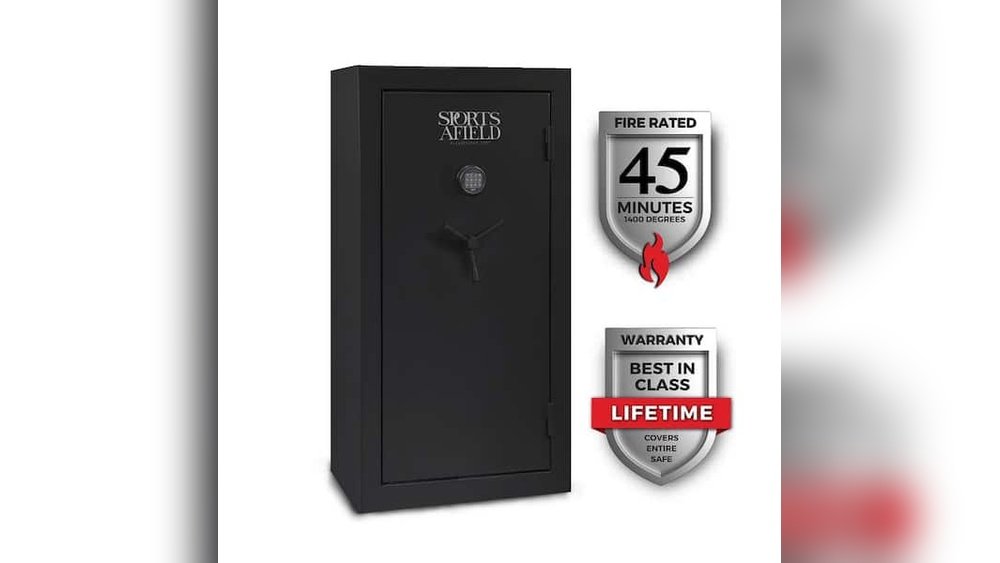
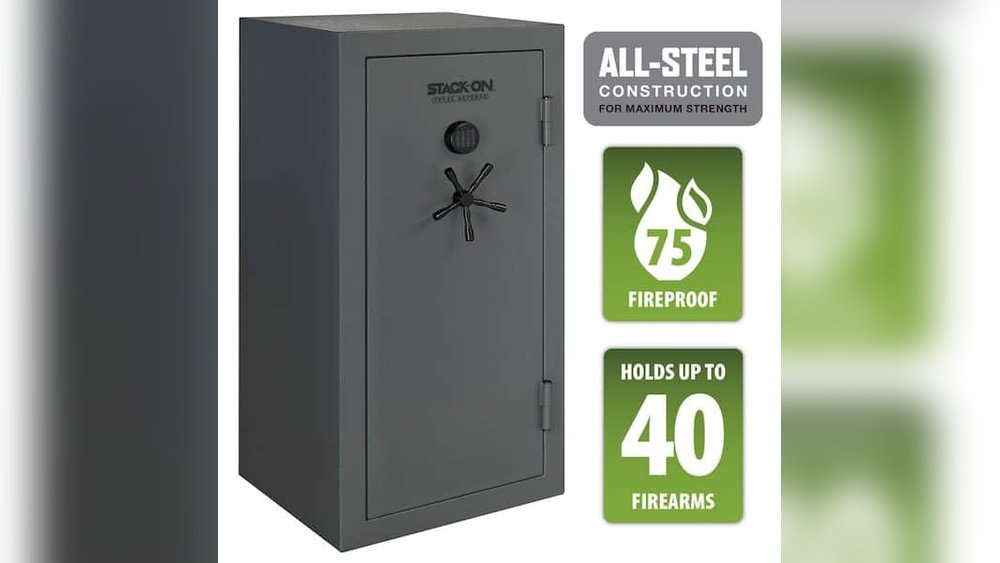
Safes have fire resistance ratings to show how long they protect. Ratings like 30 minutes or 1 hour mean the safe resists heat for that time. Testing uses high temperatures, often over 1,000°F (538°C). A higher rating means better protection during longer fires.
Common Safety Features
Most fireproof safes include locks to stop theft. Digital or mechanical locks keep guns secure. Some safes have waterproof seals to protect from water damage. Heavy weight and bolt-down options prevent easy removal. These features add layers of safety beyond fire protection.
How Fires Affect Gun Safes
Fires can be very dangerous to gun safes and the guns inside them. Not all safes protect well during a fire. Understanding how fire affects gun safes helps you choose the right one. Several factors decide if a safe keeps your guns safe during a fire.
Heat, smoke, and water can damage the safe and the firearms inside. The length of time the safe is in the fire also matters. Let’s see how these elements impact gun safes.
Heat Exposure And Duration
Heat is the main threat to gun safes during a fire. High temperatures can damage the safe’s structure. Most fireproof safes resist heat for a set time, like 30 minutes or an hour.
If the fire lasts longer or is very hot, the safe might fail. Heat can warp metal and weaken locks. The longer the heat exposure, the higher the risk of damage.
Smoke And Water Damage
Smoke can enter the safe if it is not sealed properly. Smoke leaves residue and smells that are hard to remove. Water used to put out the fire can also harm the safe.
Water can cause rust and corrosion inside the safe. It can ruin the guns and ammo stored inside. A good fireproof safe should also be water resistant.
Impact On Firearm Integrity
Heat and smoke can hurt the guns inside the safe. High heat can melt plastic parts and damage finishes. It can also change the shape of metal parts.
Smoke and water can cause rust and corrosion on guns. Damaged guns may not work properly or safely. Keeping guns in a quality fireproof safe protects their condition.
Testing Fireproof Gun Safes
Testing fireproof gun safes is crucial to know if they protect guns during a fire. These safes claim to resist heat and keep firearms safe. But testing helps prove their real strength. Different tests measure how well these safes hold up under extreme heat. Understanding these tests helps buyers make smart choices.
Industry Standards And Certifications
Fireproof gun safes follow strict industry rules. These rules set limits for heat resistance and time. Certifications from organizations like UL show a safe meets these rules. UL 72 is a common test for fire resistance. It checks if a safe can protect contents for 30 minutes or more at high heat. Certified safes offer some trust in their fire protection claims.
Independent Lab Results
Independent labs test safes outside the manufacturer’s control. They use controlled fires and heat sensors to check safes. These tests reveal how hot the safe’s inside gets over time. Labs also check if locks and seals stay intact during heat. Reports from labs provide honest data on safes’ fire protection. They help buyers see which safes perform best in real fire conditions.
Real-life Fire Incident Reports
Real fires test safes in unpredictable ways. Incident reports from house fires show how safes react to real heat and smoke. Some safes keep guns safe, while others fail. These reports give practical proof of a safe’s effectiveness. They show what happens in actual emergencies. Knowing this helps owners pick safes that protect their firearms when it matters most.
Limitations Of Fireproof Safes
Fireproof gun safes offer protection during fires, but they have limits. Understanding these limits helps set realistic expectations. Fireproof does not mean fireproof forever. Each safe has specific conditions it can handle before damage occurs.
Temperature Thresholds
Every fireproof safe has a maximum temperature it can resist. Most safes protect guns up to 1,200°F (649°C). House fires can reach temperatures above 1,800°F (982°C). If the fire gets hotter, the safe’s interior may fail. High heat can damage guns and ammunition inside.
Time Constraints
Fireproof safes only protect for a limited time. Common ratings last from 30 minutes to 1 hour. Fires that burn longer can break down the safe’s insulation. Prolonged heat exposure causes temperature inside the safe to rise. This increase can harm firearms and electronics stored within.
Potential Weak Points
Some parts of a safe may be weaker than others. The door seal is often the most vulnerable area. If the seal breaks, heat and smoke can enter. Locks and hinges also face stress during fires. Poor quality or old safes might fail at these points. Proper maintenance and quality checks improve safety.
Improving Fire Protection For Guns
Protecting guns from fire is a key concern for many gun owners. A fireproof gun safe offers some protection, but you can improve safety further. Taking extra steps helps keep firearms safe in a house fire. Small changes make a big difference in fire protection.
Understanding how to boost fire resistance helps you prepare better. Fireproof safes vary in quality and fire rating. Combining methods provides stronger defense against heat and flames.
Additional Fireproofing Measures
Use fire-resistant blankets or wraps inside the safe. These materials add an extra layer of heat protection. You can also place silica gel packs inside. They absorb moisture, preventing rust after exposure to heat. Check the safe’s seals and replace worn ones. Tight seals block smoke and heat from entering. Regular maintenance ensures the safe stays fire-ready.
Safe Placement Tips
Place the safe on a concrete floor, not on wood or carpet. Concrete resists heat better, lowering fire risk. Avoid placing safes near windows or vents. These areas may allow heat or flames to reach the safe faster. Position the safe away from the kitchen and heating appliances. These spots have higher fire chances. A basement or interior closet often offers better protection.
Combining Fire And Theft Protection
Choose a safe with both fire and theft ratings. This ensures guns stay secure from fire and burglars. Bolt the safe to the floor or wall. Securing the safe stops thieves from removing it. Use strong locks, like combination or biometric locks. They add security without sacrificing fire protection. A well-secured safe protects your guns fully.
Alternatives To Fireproof Gun Safes
Fireproof gun safes offer protection, but other options exist. Some alternatives may suit different needs and budgets. Exploring these choices helps ensure your firearms stay safe.
Fire-resistant Cabinets
Fire-resistant cabinets provide solid protection against heat and flames. They usually cost less than full gun safes. These cabinets can hold multiple guns and other valuables. Their fire rating shows how long they withstand heat. Not as secure as a gun safe but better than no protection.
Portable Fireproof Containers
Small, portable fireproof containers protect important items from fire. Easy to carry during emergencies. Useful for storing documents, small firearms, or ammunition. Lightweight and compact, they fit in various spaces. Good for quick access and added fire resistance.
Offsite Storage Options
Storing firearms offsite keeps them safe from home fires. Professional storage facilities offer high security and fire protection. Ideal for rare or valuable guns. Access requires a visit, so not for daily use. Adds peace of mind against natural disasters at home.
Choosing The Right Fireproof Gun Safe
Choosing the right fireproof gun safe is key to protecting your firearms in a fire. Not all safes offer the same level of protection. Knowing what to consider helps you pick the best safe for your home. Focus on your risks, budget, and trusted brands for the best results.
Assessing Your Risk Factors
Start by thinking about your home’s fire risks. Do you live in a wildfire area or a place with old wiring? Consider how likely a fire could happen. Also, think about what you store inside the safe besides guns. Some items need higher fire protection. This helps decide the safe’s fire rating you need.
Balancing Cost And Protection
Fireproof gun safes vary in price and protection levels. Cheaper safes may not last long in intense heat. Expensive models offer better fire resistance and durability. Set a budget but focus on safes with tested fire ratings. A good safe protects your valuables and your investment.
Brands And Warranty Considerations
Choose brands known for quality and reliability. Read reviews to see real user experiences. A strong warranty shows the brand’s confidence in its product. Warranties often cover fire damage and defects. This gives peace of mind after purchase and during use.

Frequently Asked Questions
Are Fireproof Gun Safes Truly Fire-resistant?
Fireproof gun safes are designed to withstand high temperatures. They protect firearms from heat and smoke damage during fires. However, effectiveness depends on the safe’s fire rating and construction quality. Choosing a certified safe ensures better protection in house fires.
How Long Can Gun Safes Survive A House Fire?
Most fireproof gun safes can endure fire for 30 minutes to 2 hours. The duration varies by model and fire rating. Longer fire resistance means better protection for firearms and valuables inside during a typical house fire.
Do Fireproof Gun Safes Protect Against Smoke Damage?
Yes, quality fireproof gun safes offer airtight seals. These seals prevent smoke and soot from entering. This feature protects guns and documents from smoke damage and corrosion, preserving their condition after a fire.
Are All Gun Safes Fireproof?
No, not all gun safes are fireproof. Many safes provide security but lack fire resistance. Always check product specifications for fire ratings before purchasing to ensure your safe offers fire protection.
Conclusion
Fireproof gun safes offer important protection during house fires. They help keep guns and valuables safe from heat and flames. Not all safes perform the same, so choosing one with good fire ratings matters. Remember, no safe can guarantee 100% protection in extreme fires.
Still, these safes greatly reduce damage risks. Investing in a reliable fireproof safe gives you peace of mind. It’s a smart step to protect your belongings and your family’s safety. Stay informed and choose wisely for the best protection.