If you own an AR-15, you know how important it is to keep it safe and secure. But are cable locks really the best choice for storing your rifle?
You might think they’re simple and convenient, but can they truly protect your firearm from unauthorized access? You’ll discover the truth about cable locks—how reliable they are, their strengths and weaknesses, and what you should consider to keep your AR-15 safe.
Keep reading to make sure you’re not leaving your weapon vulnerable when it matters most.
Cable Locks Basics
Cable locks are a popular choice for securing AR-15 rifles. They offer a simple way to prevent unauthorized use. Understanding the basics helps decide if cable locks fit your storage needs.
These locks are easy to use and carry. They provide a visible barrier and can deter quick access. Let’s look at how they work and the types available.
How Cable Locks Work
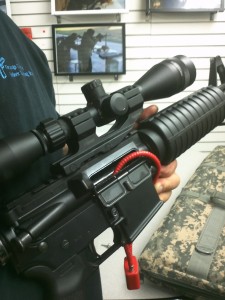
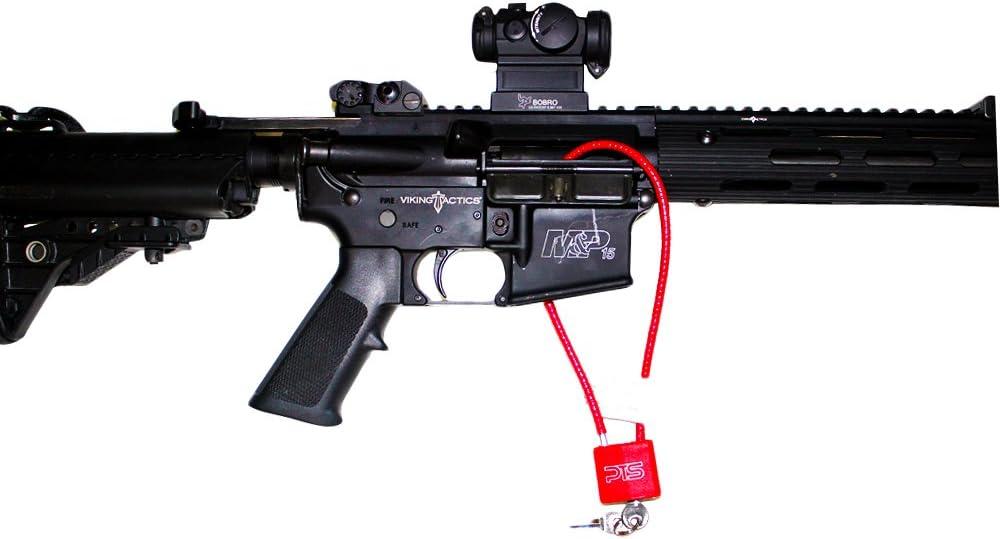
Cable locks use a flexible metal cable threaded through the rifle. The cable passes through the action or magazine well. This stops the rifle from being loaded or fired.
Once the cable is in place, you secure it with a key or combination lock. This prevents removing the cable without permission. The lock itself is usually small and portable.
Types Of Cable Locks
There are mainly two types of cable locks. The first uses a key to open and close the lock. This type requires keeping the key safe and handy.
The second type features a combination dial. You enter a code to unlock it. This eliminates the need for a physical key but requires remembering the code.
Both types come in different cable lengths and thicknesses. Thicker cables offer more strength but less flexibility. Choosing the right type depends on your needs and preferences.

Security Level Of Cable Locks
The security level of cable locks for AR-15 storage varies depending on their design and build quality. These locks offer a basic layer of protection by physically blocking access to the firearm. They are easy to use and can deter casual or unintentional access. Understanding how well cable locks resist tampering and their common vulnerabilities helps in choosing the right storage option.
Resistance To Tampering
Cable locks provide moderate resistance to tampering. The steel cable resists cutting and pulling under normal conditions. Many models use hardened steel or braided cables for added strength. The locking mechanism is designed to prevent picking or forced opening. Some cable locks include combination or key locks for extra security. They can slow down an intruder but may not stop a determined person with tools.
Common Vulnerabilities
Cable locks have weaknesses that reduce their security level. Thin cables can be cut with wire cutters or bolt cutters. Cheap locks may have weak locking cylinders that open easily. The cable can sometimes be slipped off if not properly secured. Locks with plastic components are less durable and easier to break. Storing the AR-15 with a cable lock alone does not guarantee full protection.
Cable Locks Vs Other Locking Methods
Cable locks are one popular option for storing AR-15 rifles safely. They offer a simple way to block the firearm’s action and prevent use. Other locking methods also exist, each with unique features and levels of security. Comparing cable locks to trigger locks and gun safes helps understand their strengths and weaknesses. This helps pick the best way to keep your AR-15 secure.
Comparison With Trigger Locks
Trigger locks cover the trigger area, stopping the gun from firing. They fit tightly around the trigger guard. This blocks access to the trigger directly. Cable locks pass a steel cable through parts of the gun, like the barrel or action. This stops the gun from loading or firing.
Trigger locks are usually smaller and lighter than cable locks. They are easy to put on and take off. Cable locks take a bit longer to secure. Trigger locks only block the trigger. Cable locks block the gun’s action or chamber. This can offer better safety in some cases.
Both types prevent unauthorized use. Cable locks can be used on more gun types. Trigger locks fit specific models better. Some users prefer cable locks for their flexibility. Others like trigger locks for quick use.
Comparison With Gun Safes
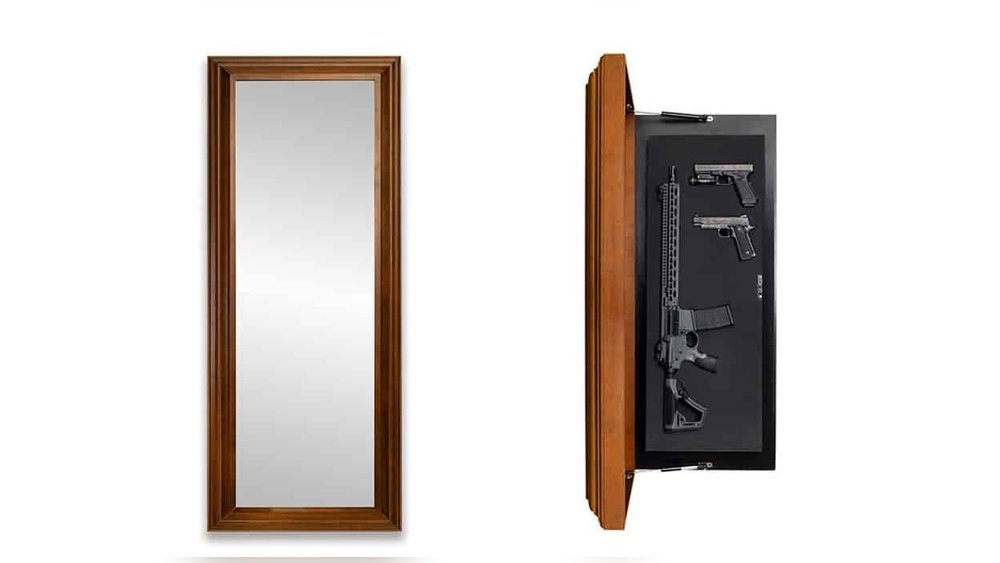
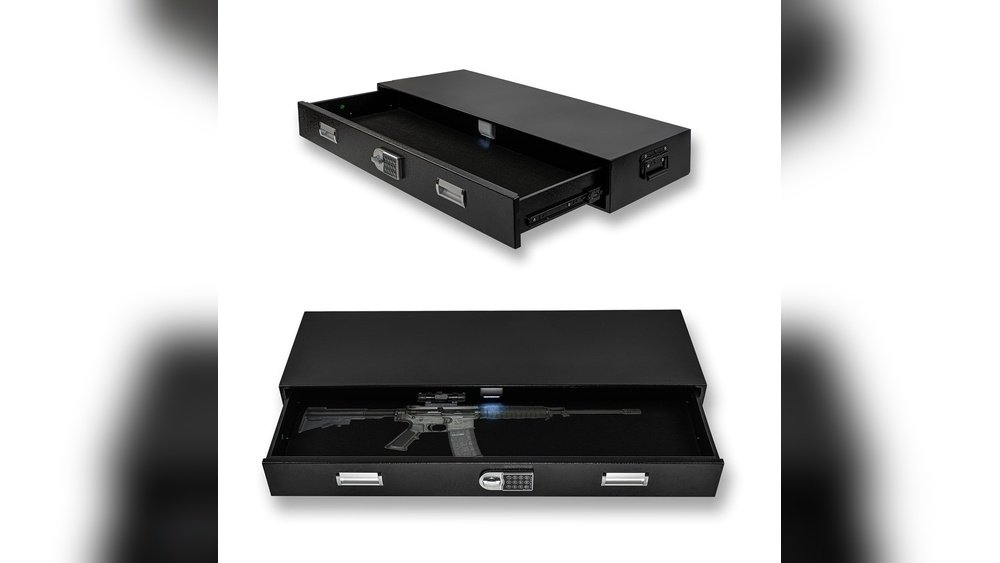
Gun safes offer a high level of security. They store firearms inside a locked box or cabinet. Safes protect guns from theft, fire, and damage. Cable locks only secure the gun itself. Safes protect multiple firearms and other valuables.
Safes are heavier and more expensive than cable locks. They take up more space and require installation. Cable locks are portable and inexpensive. They work well for temporary storage or travel.
Gun safes provide better protection against theft. Cable locks mainly prevent quick use by unauthorized persons. Safes also protect against children or accidents more effectively. Cable locks are a good backup or second layer of security.
Choosing between these depends on budget, space, and security needs. Many gun owners use both safes and cable locks together.
Expert Opinions
Experts offer valuable insights on using cable locks for AR-15 storage. Their opinions help gun owners decide if these locks provide enough security. Understanding expert views is key to safe firearm handling and storage.
Law Enforcement Perspectives
Many law enforcement officers see cable locks as a useful tool for basic firearm safety. They believe cable locks prevent quick access by unauthorized users. Officers stress that cable locks should not be the only security measure. They recommend pairing cable locks with secure gun safes for better protection. The ease of use and low cost make cable locks popular among police departments. However, some warn that cable locks can be defeated by determined thieves. Overall, law enforcement values cable locks as part of a layered safety approach.
Firearm Safety Specialists’ Views
Firearm safety experts highlight the importance of secure storage for all guns, including AR-15s. They agree cable locks offer a basic level of safety, especially in homes with children. Specialists note that cable locks prevent the weapon from being loaded or fired easily. They advise users to inspect cable locks regularly for wear or damage. Experts also suggest combining cable locks with other security devices. Their focus is on reducing accidents and unauthorized use through multiple safety steps. Cable locks are seen as helpful but limited in high-risk scenarios.
Legal Requirements And Recommendations
Storing an AR-15 safely is not just about convenience. Many states and the federal government set clear rules. These laws help prevent accidents and theft. Understanding legal requirements helps gun owners follow the law. It also protects families and communities.
State And Federal Regulations
Each state has its own rules for gun storage. Some states require firearms to be locked up. Others demand trigger locks or cable locks. Federal law requires gun dealers to lock firearms during transport. Some states also require safe storage if children live in the home. Penalties for breaking these laws can be severe. Knowing local rules keeps gun owners safe and legal.
Best Practices For Ar-15 Storage
Using a cable lock is a common safety step. It stops the gun from firing or being used easily. Pair cable locks with a sturdy gun safe or lockbox. Store guns unloaded and separate from ammunition. Keep keys or combinations secure and private. Check locks and safes regularly for wear or damage. Following these steps reduces risk of accidents and theft.
Practical Tips For Using Cable Locks
Cable locks help keep your AR-15 safe from unauthorized use. Using them properly increases their reliability. Simple steps ensure the lock works well and lasts long. Follow these tips to get the most from your cable lock.
Proper Installation
Thread the cable through the action or barrel. Avoid blocking the trigger or safety. Make sure the cable is tight and secure. Lock the ends firmly to prevent removal. Test the lock by trying to move parts. The gun should stay locked and not operate. Keep the key or combination code in a safe place.
Maintenance And Inspection
Check the cable lock regularly for damage or wear. Look for frayed wires or rust spots. Clean the lock with a dry cloth to remove dirt. Avoid using oil or water on the lock. Test the locking mechanism to ensure it works smoothly. Replace the lock if it shows signs of failure. Regular checks keep your AR-15 secure every day.
Alternatives To Cable Locks
Many gun owners want strong security for their AR-15s beyond cable locks. Cable locks can be easy to cut or bypass. Safe storage is key to preventing theft or accidents. Several alternatives provide better protection and peace of mind. These options use technology and design to keep your firearm secure.
Electronic Lock Systems
Electronic lock systems use keypads or digital codes to secure guns. You enter a code to open the lock or safe. These locks are harder to pick or break. Some models have timers and alarms for extra safety. You can change codes quickly if needed. Electronic locks provide quick access with strong security.
Biometric Safes
Biometric safes use fingerprints to unlock storage. Only registered users can open the safe. This stops unauthorized access completely. Biometric safes are fast and reliable. They offer high security without needing keys or codes. Many models store multiple fingerprints for family use. This option combines convenience with strong protection.
Frequently Asked Questions
Are Cable Locks Effective For Securing An Ar-15?
Cable locks provide a basic level of security by preventing the rifle from being fired. They are suitable for temporary storage but may not stop determined thieves. For higher security, consider using a heavy-duty gun safe or lockbox alongside the cable lock.
Can Cable Locks Prevent Unauthorized Ar-15 Use?
Yes, cable locks restrict trigger access and magazine removal, reducing unauthorized use risk. However, they are not foolproof and can be bypassed with tools. Always combine cable locks with other secure storage methods for maximum safety.
How Durable Are Cable Locks For Ar-15 Storage?
Cable locks are generally made from steel cables with plastic or vinyl coating. They resist casual tampering but can be cut with specialized tools. Their durability is enough for everyday storage but not for high-security needs.
Are Cable Locks Compliant With Firearm Storage Laws?
Cable lock requirements vary by state and local laws. Many jurisdictions accept cable locks as a minimum safety measure. Always check your area’s legal standards to ensure your AR-15 storage method complies with regulations.
Conclusion
Cable locks provide a basic level of security for AR-15 storage. They are easy to use and affordable. Still, they should not be the only safety measure. Combining cable locks with other storage options is wise. Always follow local laws and safety guidelines.
Safe storage protects both people and property. Choose the right lock to fit your needs. Keep your firearm secure and out of reach. Simple steps help prevent accidents and theft. Safety matters most when storing your AR-15.