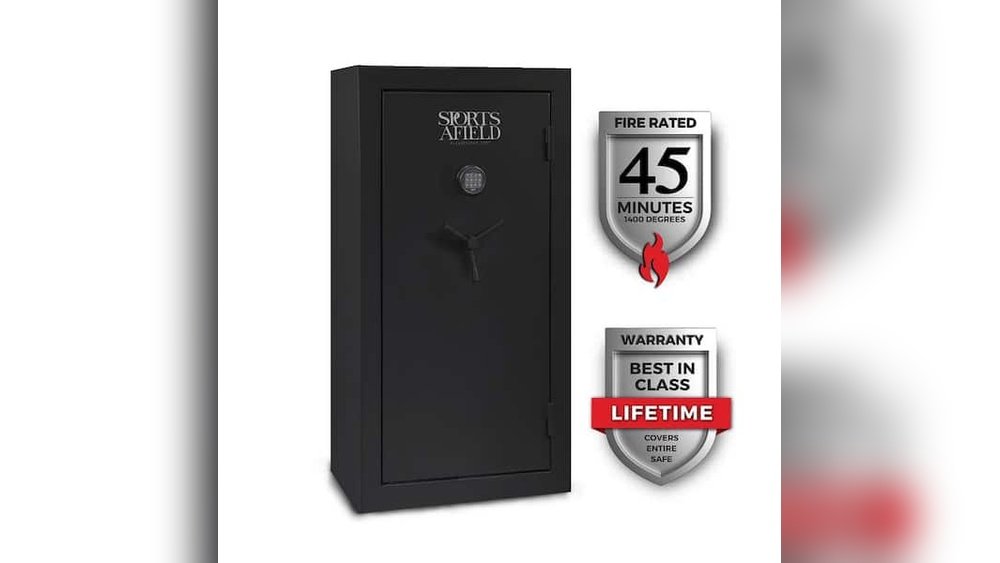
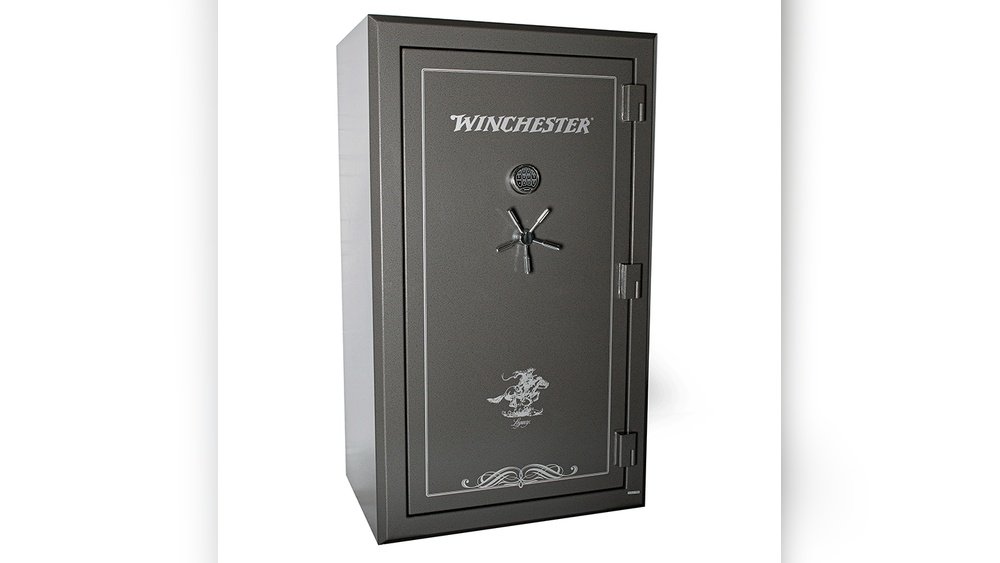
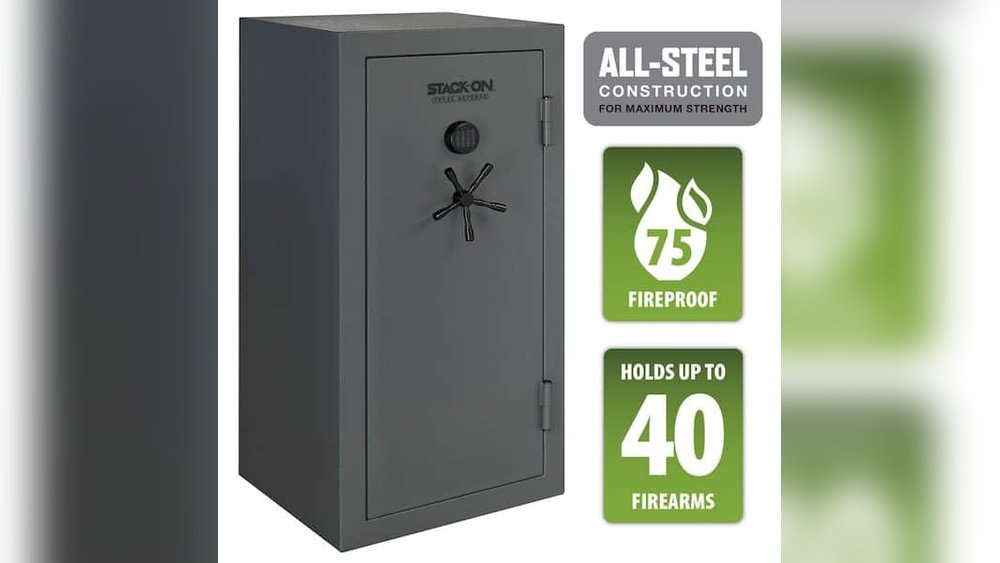
When it comes to protecting your firearms, you want a safe that is not only secure but also reliable in every situation. You’ve probably heard about biometric fireproof gun safes and wondered if they truly live up to their promises.
Can you trust that your valuables will stay safe from fire and unauthorized access? This article will help you understand how these safes work, their strengths, and what you need to watch out for. By the end, you’ll feel confident in making the right choice for your peace of mind and your safety.
Keep reading to discover if a biometric fireproof gun safe is the right fit for you.
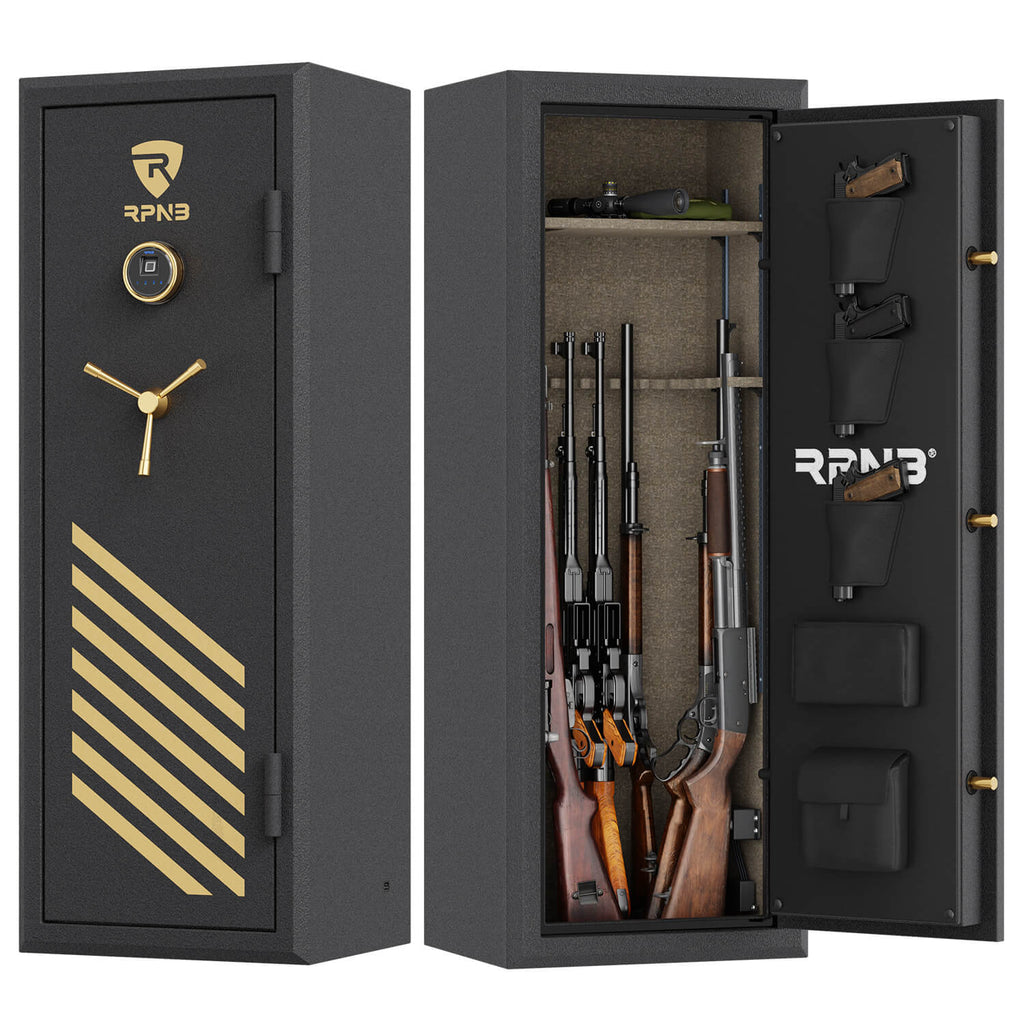
Biometric Gun Safes Basics
Biometric gun safes use advanced technology to protect firearms. They offer quick access and strong security. Understanding how these safes work helps you decide if they fit your needs.
These safes use fingerprints or other biological features to unlock. This means only authorized users can open the safe. This system combines safety with convenience.
How Biometric Locks Work
Biometric locks scan unique body features like fingerprints. The safe reads the pattern and matches it to stored data. If the match is correct, the lock opens fast.
This process uses sensors and software to check identity. It takes just seconds for the safe to respond. No keys or codes are needed.
Types Of Biometric Sensors
Common sensors include optical, capacitive, and ultrasonic types. Optical sensors use light to read fingerprint images. They capture detailed patterns but can be affected by dirt.
Capacitive sensors detect electrical signals from the skin. They offer good accuracy and resist fake prints. Ultrasonic sensors use sound waves to map finger ridges deeply.
Each sensor type has pros and cons. The choice affects speed, accuracy, and reliability of the safe.

Fireproof Features Explained
Fireproof features in biometric gun safes protect valuables from heat and flames. These features help keep guns safe during a fire. Understanding how these safes resist fire helps in choosing the right one. The materials and fire ratings play key roles in this protection.
Materials Used For Fire Resistance
Fireproof gun safes use special materials to block heat. Most safes have thick steel walls that resist fire damage. Inside, fire-resistant insulation slows heat from reaching the guns. Materials like gypsum and cement composites absorb heat effectively. These layers create a barrier that protects the safe’s contents.
The door also has fire seals. These seals expand when heated to close gaps. This stops hot air and smoke from entering the safe. The combination of steel, insulation, and seals makes the safe fire-resistant.
Fire Ratings And Standards
Fire ratings tell how long a safe can resist fire. Common ratings show protection times like 30 minutes, 60 minutes, or more. These ratings come from tests by official organizations. The tests expose safes to high heat and measure internal temperatures.
A safe with a 60-minute fire rating keeps internal heat low for one hour. This prevents damage to guns and documents inside. Look for safes tested by UL (Underwriters Laboratories) or ETL. These marks prove the safe meets fire resistance standards.
Choosing a safe with the right fire rating depends on your safety needs. Higher ratings offer more protection but may cost more. Understanding these ratings helps make a smart purchase.
Reliability Of Biometric Technology
Biometric technology in fireproof gun safes offers a modern way to secure firearms. It uses unique body features, like fingerprints, to grant access. This tech promises quick, secure entry without keys or codes. The reliability of biometric systems depends on how well they read and process these features under different conditions.
Users expect their biometric safe to respond fast and accurately every time. Trust in this technology grows when it performs consistently, even after many uses. Understanding the strengths and limits of biometric readers helps set clear expectations for safe owners.
Accuracy And Speed Of Access
Biometric readers vary in accuracy. High-quality sensors identify fingerprints correctly almost every time. This reduces false rejections, which can cause frustration. Speed is also vital. Most biometric safes open within seconds after a correct scan. Fast access is crucial in emergencies. Some models store multiple fingerprints, allowing trusted users quick entry. Environmental factors like dirt or moisture can affect sensor accuracy. Regular cleaning of the sensor keeps performance optimal.
Common Malfunctions And Fixes
Biometric safes can face common issues like sensor failure or slow response. Dirt, oil, or scratches on the sensor cause errors. Cleaning the sensor gently with a soft cloth often solves this. Battery problems may slow or stop the system. Replacing batteries promptly maintains smooth operation. Sometimes, the safe fails to recognize fingerprints due to dry or damaged skin. Registering multiple fingerprints helps avoid this problem. Resetting the system or updating firmware can fix software glitches. Routine maintenance keeps the biometric safe reliable over time.
Testing Fireproof Gun Safes
Testing fireproof gun safes is important to know how well they protect valuables. These tests show if the safe can keep guns and documents safe from fire damage. Different methods check the strength and heat resistance of each safe. Understanding these tests helps buyers choose the right safe for their needs.
Laboratory Fire Tests
Laboratory fire tests use controlled environments to measure safe durability. The safe is placed in a furnace with high temperatures. Temperatures can reach up to 1,700°F or more. The test lasts one or two hours, simulating real fire conditions. Sensors inside the safe check the heat levels. A safe passes if internal heat stays low enough to protect contents. These tests follow strict industry standards for accuracy. They give reliable data about safe performance under fire stress.
Real-world Fire Scenarios
Real-world fire tests mimic actual house or building fires. These tests are less controlled but show practical results. Safes are exposed to open flames, smoke, and heat. Sometimes, safes are placed in burning rooms or near burning materials. Observers watch for damage and internal heat rise. Real fires can be unpredictable and harsh. This testing shows how safes handle unexpected fire conditions. It helps buyers see how safes perform outside labs.
Combining Security And Fire Safety
Combining security and fire safety in one safe offers peace of mind. It protects valuables from theft and fire damage. Biometric fireproof gun safes bring together advanced locking technology and fire resistance. They promise quick access and strong protection in emergencies.
Balancing Quick Access With Protection
Biometric safes use fingerprint scanners to open fast. This helps users access guns quickly in urgent moments. At the same time, these safes must stay locked tight against intruders. The design balances speed and security carefully. It ensures only authorized users get in, while keeping the safe secure.
Impact Of Fireproofing On Biometric Performance
Fireproof materials can affect the biometric scanner’s function. Heat-resistant layers may cause small delays in reading fingerprints. Some safes add insulation without blocking sensor signals. Good models maintain scanner accuracy even under high heat. This keeps the safe reliable during fire emergencies.
User Experiences And Reviews
User experiences and reviews give real insight into biometric fireproof gun safes. They show how these safes work in daily life. Customers share their stories of success and also the problems they face. This feedback helps others decide if these safes are reliable and worth buying.
Success Stories
Many users praise the quick access offered by biometric locks. They report being able to open the safe within seconds. This fast access is crucial in emergencies. Some owners mention that the fingerprint sensor works well even with wet or dirty hands. Others appreciate the fireproof feature, saying their documents and guns stayed safe during small fires. Positive reviews highlight strong build quality and ease of use. These success stories build trust in the technology and the product.
Reported Issues
Some users face problems with the fingerprint sensor not recognizing their prints. This issue can cause frustration and delays. A few reviews mention battery life as a concern, with batteries needing frequent replacement. Others note that the fireproof rating may not meet their expectations after a real fire test. Some complain about the size being smaller than advertised. These reported issues show that biometric fireproof gun safes are not perfect. Knowing these problems helps buyers set realistic expectations.
Choosing The Right Safe
Choosing the right biometric fireproof gun safe is important for your security. You want a safe that protects your firearms from theft and fire. The safe should open quickly with your fingerprint and keep your guns secure. Not all safes offer the same features or quality. Think about what matters most for your needs before buying.
Factors To Consider
Start with the safe’s fire rating. Look for safes that can withstand high temperatures for at least 30 minutes. Check the size to fit your guns and other valuables. Battery life matters for biometric safes. Choose one with long-lasting batteries or a backup key. The lock type should be easy to use but secure. Also, check how fast the safe opens. A good safe responds quickly to your fingerprint. Lastly, consider the safe’s weight and installation options. Heavy safes are harder to steal.
Top Brands And Models
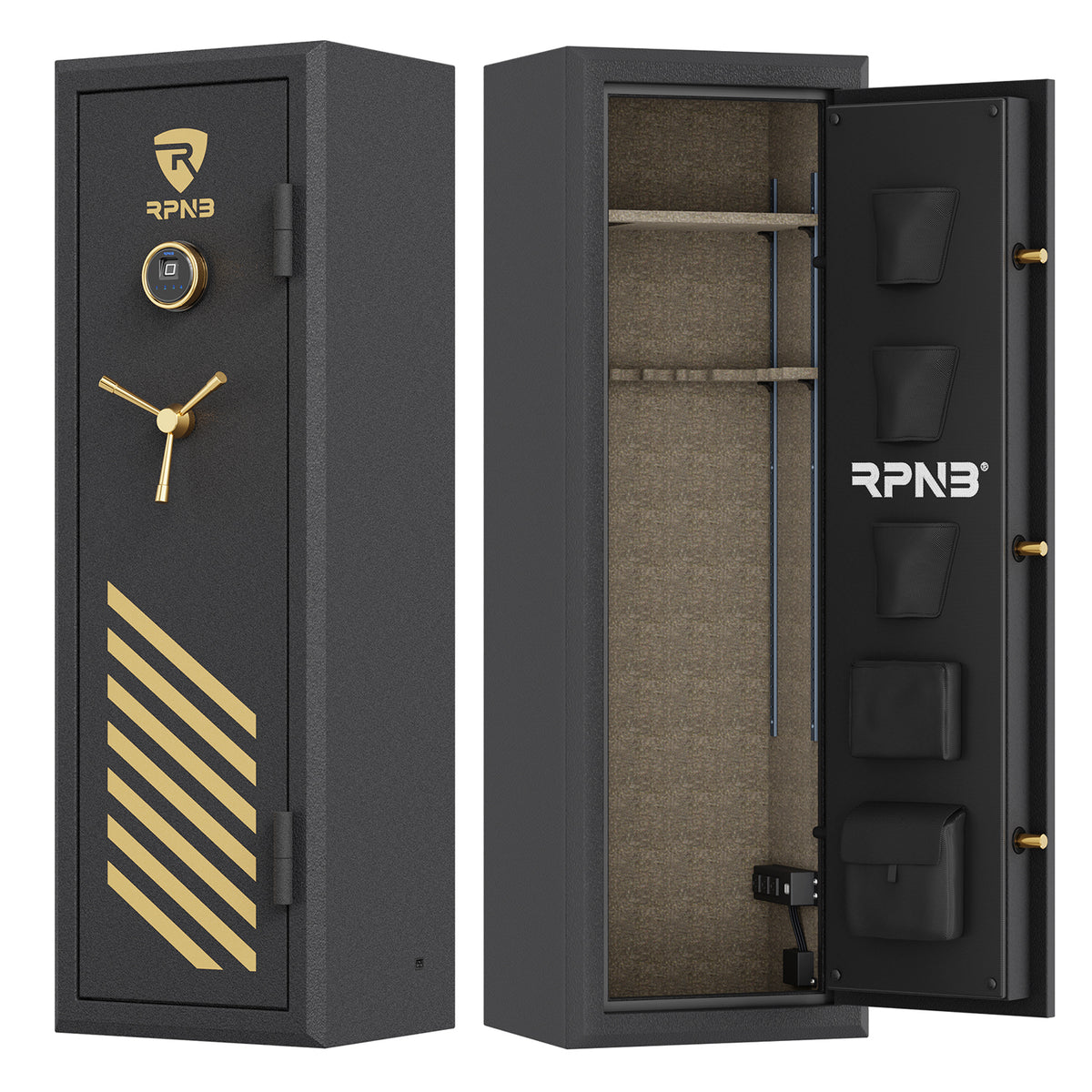
Some brands have earned trust for making reliable biometric fireproof safes. Brands like Barska, Vaultek, and SentrySafe offer good options. Barska safes are known for fast fingerprint recognition. Vaultek models often include smart features and good fire resistance. SentrySafe provides strong fireproof protection with biometric locks. Compare models based on size, fire rating, and battery life. Reading reviews helps find safes that work well in real life.
Maintenance And Care Tips
Proper maintenance and care keep your biometric fireproof gun safe reliable. Small actions can extend its life and ensure it works well. Regular attention prevents malfunctions and protects your valuables.
Ensuring Biometric Sensor Longevity
Keep the sensor clean and dry. Use a soft cloth to wipe away dust and dirt. Avoid harsh chemicals that may damage the sensor’s surface. Moisture can cause errors, so keep the area dry.
Enroll fingerprints carefully. Ensure fingers are clean and dry before scanning. Re-register fingerprints periodically to maintain accuracy. Test the sensor regularly to confirm it reads correctly.
Fireproof Safe Upkeep
Check the safe’s seals for cracks or damage. Replace seals if they no longer fit tightly. Avoid placing the safe in damp or extreme temperature spots. Clean the exterior with mild soap and water to prevent rust.
Lubricate hinges and locks with light oil to keep them smooth. Avoid over-lubrication, which can attract dust and grime. Inspect fireproof ratings and certifications periodically to ensure protection standards.
Frequently Asked Questions
What Makes Biometric Fireproof Gun Safes Reliable?
Biometric fireproof gun safes combine fingerprint technology with fire-resistant materials. They offer quick access, strong security, and protection from heat damage. Their reliability depends on sensor accuracy and build quality, ensuring firearms stay secure and intact during emergencies.
How Secure Are Biometric Locks Compared To Traditional Safes?
Biometric locks use unique fingerprints, making unauthorized access difficult. They are generally more secure than traditional key or combination locks. However, quality and sensor technology affect security levels. High-end models provide faster, safer access while maintaining strong protection against tampering.
Do Fireproof Gun Safes Protect Firearms During Fires?
Yes, fireproof gun safes are designed to withstand high temperatures. They protect firearms and ammunition from heat and smoke damage. Certification ratings indicate how long and at what temperature safes can endure fires, ensuring your guns remain safe in emergencies.
Can Biometric Safes Fail To Recognize Fingerprints?
Biometric safes may occasionally fail due to dirt, moisture, or sensor issues. Regular maintenance and clean fingers improve accuracy. Most models allow multiple fingerprint registrations and alternative access methods, reducing the risk of lockout.
Conclusion
Biometric fireproof gun safes offer good security and quick access. They protect firearms from fire damage and theft. Fingerprint recognition works well but may sometimes fail. Regular maintenance keeps the system reliable over time. These safes add convenience without sacrificing safety.
Choosing a model with strong fire ratings matters. Always compare features before making a decision. Overall, they provide a smart way to store guns safely. Consider your needs and budget carefully. This helps ensure you pick the right safe for you.