Are you wondering if ammo cans can keep your gear dry no matter what? Whether you’re storing important tools, emergency supplies, or valuable items, knowing if ammo cans are truly waterproof is crucial.
You don’t want to open your can and find everything soaked or damaged. You’ll discover the real truth about ammo cans and their ability to protect your belongings from water. Keep reading to find out how reliable they really are—and what you can do to make sure your stuff stays safe and dry.
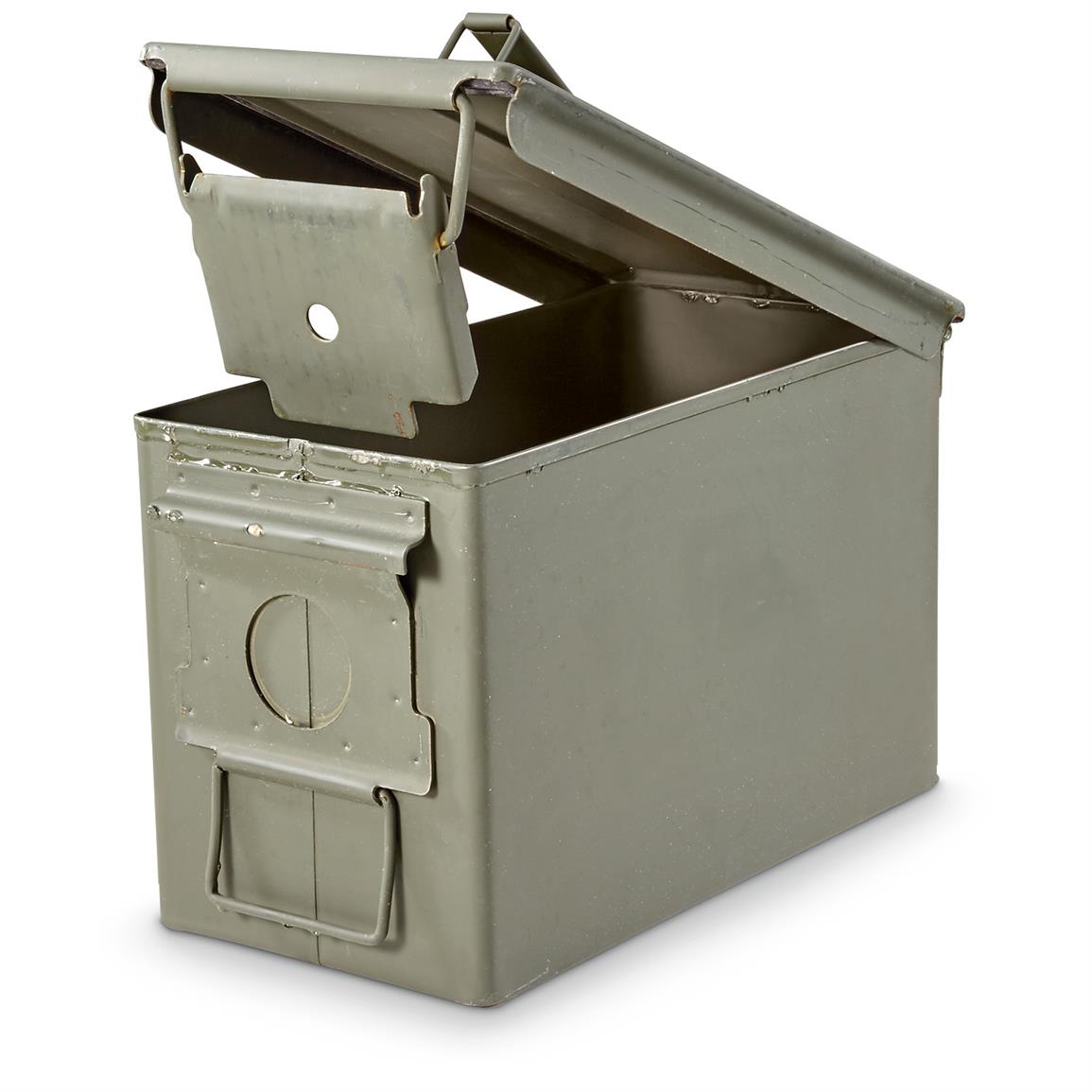
What Are Ammo Cans Made Of
Ammo cans are popular for storing and protecting ammunition. Their material plays a big role in their strength and durability. Knowing what ammo cans are made of helps understand their features and limitations.
Steel Construction
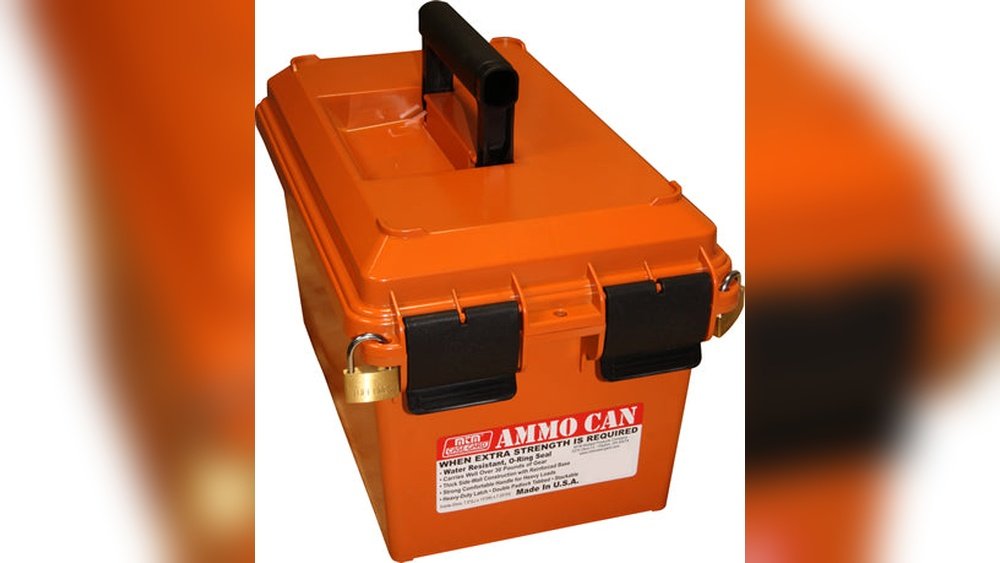
Most ammo cans are made from steel. Steel provides strong protection against impacts and rough handling. It keeps the contents safe from crushing or breaking.
Powder Coating
The steel is coated with powder paint. This coating stops rust and corrosion. It also gives a smooth, lasting finish to the can.
Rubber Gasket Seal
Ammo cans have a rubber gasket inside the lid. This gasket creates a tight seal when closed. It helps keep water, dust, and air out.
Sturdy Latch Mechanism
The cans feature a metal latch to lock the lid. This latch keeps the lid secure and sealed. It prevents accidental opening during transport.
Design Features Affecting Water Resistance
The water resistance of ammo cans depends largely on their design features. These features help keep water out and protect the contents inside. Different elements work together to make an ammo can more or less waterproof.
Understanding these design features can help you choose the right ammo can. It also helps you know how well it will hold up in wet conditions.
Seals And Gaskets
Seals and gaskets are the first line of defense against water. Most ammo cans have rubber or silicone gaskets around the lid. These create a tight seal when the lid is closed. A good gasket keeps water from leaking inside, even during heavy rain or submersion.
Over time, gaskets can wear out or dry up. This reduces their ability to block water. Regular checks and replacements keep the ammo can waterproof.
Latch Mechanisms
The latch mechanism holds the lid firmly in place. A strong latch presses the lid down evenly onto the gasket. This ensures a tight seal all around the edges.
Some ammo cans have simple metal latches. Others use locking clips or cam locks for extra pressure. The better the latch, the less chance water has to enter.
Material Coating
The coating on the ammo can’s metal also affects water resistance. Many cans have a rust-resistant paint or powder coating. This coating protects the metal from corrosion caused by moisture.
Rust can create holes or cracks that let water inside. A strong, durable coating keeps the metal safe and the can waterproof longer.
Common Types Of Ammo Cans
Ammo cans come in different types. Each type has unique features for storage and protection. Knowing the common types helps in choosing the right one. This section explains three popular ammo can types and their waterproof qualities.
Military Surplus Cans
Military surplus cans are strong and made for tough use. They have a rubber gasket inside the lid. This gasket helps keep water out. These cans are usually waterproof but may wear over time. They are great for storing ammo and other gear safely.
Commercial Ammo Cans
Commercial ammo cans are made by private companies. They often copy military designs but vary in quality. Some have good seals that keep water away. Others may not be fully waterproof. Check the seal and material before buying. They offer good protection if well made.
Specialty Waterproof Containers
Specialty waterproof containers are designed for full water protection. They use advanced seals and tough materials. These containers are ideal for harsh environments. They keep ammo dry even in wet conditions. Perfect for long trips or outdoor storage needs.
Testing Ammo Cans For Waterproofing
Testing ammo cans for waterproofing helps to know their true protection level. It shows how well these containers keep water out. People test them in different ways. This gives clear proof of their strengths and weaknesses.
Field Tests
Field tests put ammo cans in real outdoor conditions. They get exposed to rain, mud, and puddles. Some testers leave cans in water for hours or days. They check inside for any moisture or damage. These tests show how cans perform outside.
Laboratory Tests
Laboratory tests use controlled settings to check cans. Water pressure and humidity levels get precisely measured. Testers spray water or submerge cans under exact conditions. This method finds small leaks or weak seals. Lab tests give detailed and repeatable results.
User Experiences
Many users share their stories online and in forums. They report how cans handled rain or floods. Some users say cans stayed dry for years. Others notice rust or dampness after heavy use. These real-life accounts help buyers decide.
Limitations Of Ammo Cans In Water Protection
Ammo cans are often praised for their water-resistant qualities. They have seals and strong metal bodies that keep moisture out. Still, these cans are not completely waterproof in all conditions. Understanding their limits helps avoid damage to the contents inside. Water protection depends on several factors that can reduce the can’s effectiveness over time.
Duration Of Water Exposure
Ammo cans can handle short periods of water contact. Brief exposure to rain or splashes usually does not cause leaks. Long-term submersion, however, increases the risk of water seeping inside. The longer the can stays underwater, the higher the chance of moisture entering.
Pressure And Depth Factors
Water pressure rises with depth. Ammo cans are not designed for deep underwater use. Higher pressure can push water past the seals. Even a strong seal may fail under significant pressure. This limits the use of ammo cans in deep water or high-pressure situations.
Wear And Tear Impact
Seals and metal bodies wear down over time. Frequent opening and closing can weaken the rubber gasket. Scratches, dents, and rust damage the metal structure. These problems reduce water resistance. Regular inspection and maintenance are needed to keep cans effective.
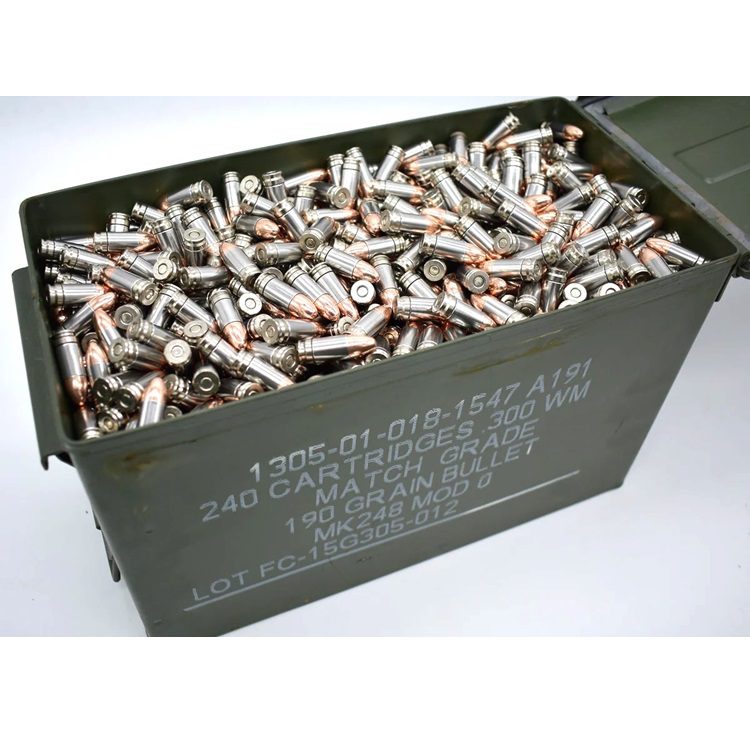
Tips To Enhance Ammo Can Waterproofing
Ammo cans are built tough, but extra care can improve their waterproofing. Small steps keep moisture out and protect your ammo better. These tips help you get the most from your ammo cans.
Adding Extra Seals
Check the can’s original seal for cracks or wear. Add a silicone or rubber gasket around the lid for better protection. This extra layer stops water from sneaking in. Make sure the seal fits tightly when you close the lid.
Using Desiccants
Place silica gel packs or other desiccants inside the ammo can. They absorb moisture and keep the air dry. Change or recharge them often to keep them effective. This prevents rust and keeps ammo in good shape.
Regular Maintenance
Inspect your ammo cans regularly for dents or rust spots. Clean the seals and lid edges to remove dirt and debris. Lubricate the seals lightly to keep them flexible. Proper care extends the waterproof life of the can.
Alternatives To Ammo Cans For Waterproof Storage
Ammo cans are popular for waterproof storage, but other options exist. These alternatives provide strong protection from water and keep your items safe and dry. Each option fits different needs and budgets. Here are some reliable choices for waterproof storage beyond ammo cans.
Pelican Cases
Pelican cases are tough and fully waterproof. They have strong seals that keep water out even under pressure. These cases are used by professionals for cameras and electronics. They are lightweight yet very durable. Pelican cases come in many sizes and shapes. They include foam inserts to protect delicate items from shocks.
Dry Bags
Dry bags are made from waterproof materials like PVC or nylon. They seal tightly to prevent any water from entering. These bags are great for outdoor activities such as hiking or boating. Dry bags are flexible and easy to carry. You can roll or fold them when not in use. They protect clothes, electronics, and food from rain and splashes.
Waterproof Plastic Containers
Waterproof plastic containers offer a budget-friendly solution. Many have snap-tight lids with rubber gaskets for sealing. These containers are lightweight and stackable for easy storage. They work well for small tools, documents, and camping gear. Look for containers labeled as waterproof or water-resistant. They can protect items from moisture and dust.
Frequently Asked Questions
Are Ammo Cans Fully Waterproof For Outdoor Use?
Ammo cans are designed to be water-resistant, not fully waterproof. Their rubber gaskets protect contents from moisture but may not withstand submersion. For long-term outdoor exposure, additional waterproofing measures are recommended.
How Does The Rubber Gasket Keep Ammo Cans Dry?
The rubber gasket creates a tight seal between the lid and the can. This seal prevents water and dust from entering, keeping the contents dry and safe from humidity or light rain.
Can Ammo Cans Protect Against Humidity And Rust?
Yes, ammo cans help protect against humidity and rust by sealing out moisture. However, for extreme conditions, adding desiccant packs inside improves rust prevention and keeps ammunition in optimal condition.
Are All Ammo Cans Equally Water-resistant?
No, water resistance varies by brand and model. Military-grade ammo cans typically offer better seals and durability than civilian versions. Always check product specifications for water resistance before purchase.
Conclusion
Ammo cans offer good protection against water when sealed properly. Their metal build and rubber gasket help keep moisture out. Still, small leaks can happen over time or if damaged. Regular checks and maintenance improve their water resistance. For storing important items, use extra waterproof bags inside the can.
This adds a second layer of protection. Overall, ammo cans are a solid choice for keeping gear dry. They work well but need care to stay waterproof. Simple steps go a long way in protecting your stuff.