If you store ammo for the long haul, you need a smart plan to keep it fresh and reliable. Ammo rotation isn’t just a tip—it’s a game changer for anyone serious about safety and performance.
You might wonder why some stored rounds fail when you finally need them. The secret lies in how you manage your stock over time. You’ll discover simple steps to rotate your ammo like a pro, so your bullets stay ready whenever you do.
Keep reading to learn how to protect your investment and ensure your ammo works perfectly, every time.

Why Ammo Rotation Matters
Ammo rotation helps keep your stored bullets fresh and reliable. Using older ammo first prevents it from becoming too old or losing quality. This practice ensures your ammo works well when you need it most.
Ammo rotation plays a key role in keeping your ammunition safe and reliable over time. Storing ammo for years without use can cause problems. Regular rotation means using older ammo first and replacing it with fresh stock. This process helps maintain the quality and performance of your ammunition. Understanding why ammo rotation matters helps you avoid risks and get the best from your supplies.
Effects Of Aging On Ammunition
Ammunition changes as it ages. The gunpowder inside can absorb moisture from the air. This lowers the powder’s ability to burn cleanly and evenly. The primers that ignite the powder can also weaken over time. Corrosion may form on the bullet casing or inside the cartridge. These changes reduce the ammo’s reliability and accuracy.
Risks Of Using Old Ammo
Old ammo can fail to fire or misfire. This can be dangerous during use. Misfires waste time and may cause frustration or harm. Ammo that burns poorly can cause extra fouling in your gun. This leads to more cleaning and potential damage. Using old ammo can also affect shooting accuracy and performance.
Benefits Of Regular Rotation
Rotating ammo keeps your supply fresh and dependable. It lowers the chance of misfires and failures. Regular use and replacement help you spot any damaged or weak rounds. Fresh ammo performs better and keeps your firearm cleaner. Rotation also ensures you use ammo before it ages too much. This practice protects your investment and keeps you ready.
Best Practices For Ammo Storage
Storing ammo safely is key for long-term use. Proper storage keeps ammo reliable and ready. Follow best practices to protect your investment and ensure safety.
Optimal Storage Conditions
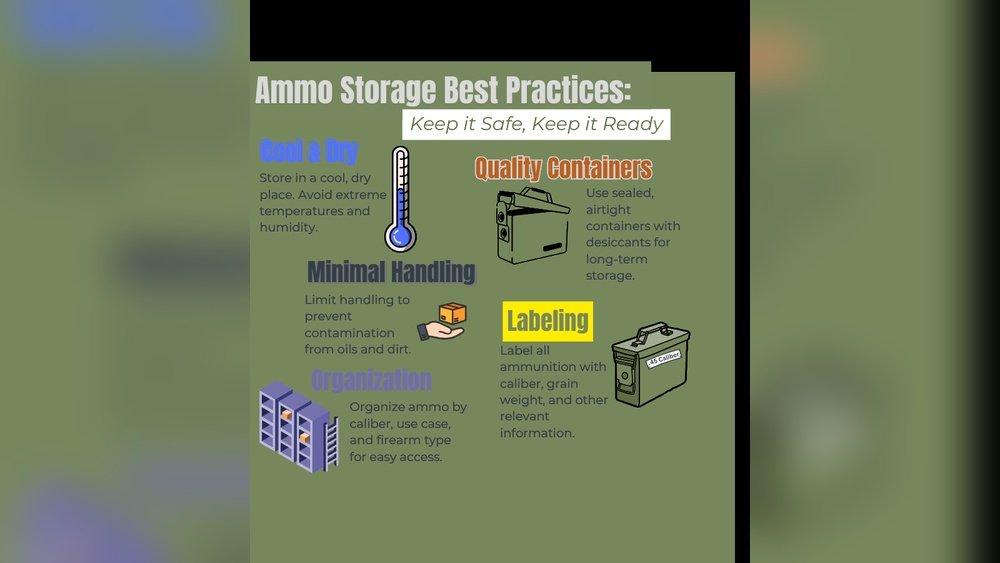
Ammo needs a dry, cool place. Avoid direct sunlight and damp areas. Dark rooms with stable temperatures work best. Keep ammo away from chemicals or dust. Good air circulation helps prevent rust and corrosion.
Packaging And Containers
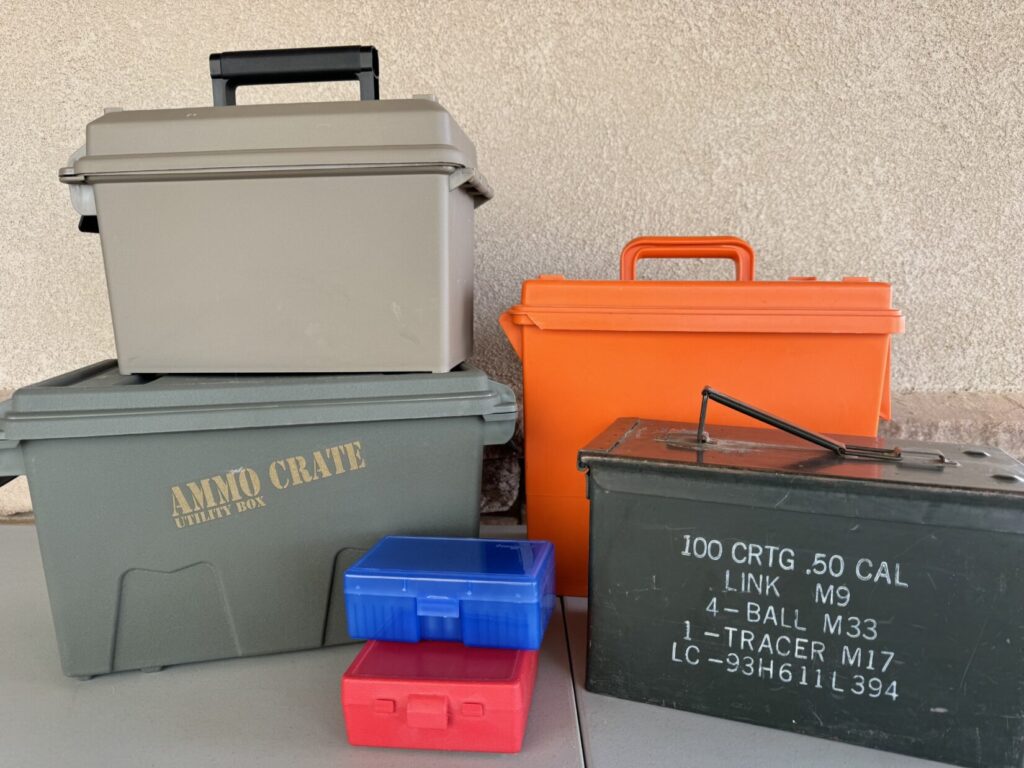
Use airtight containers to keep moisture out. Metal ammo cans with rubber seals work well. Plastic containers can be used if they seal tightly. Wrap ammo boxes in plastic for extra protection. Label containers clearly with dates and ammo type.
Temperature And Humidity Control
Keep storage temperature between 50 and 70 degrees Fahrenheit. Avoid extreme heat or cold that can damage ammo. Maintain humidity under 50 percent to stop rust. Use dehumidifiers or silica gel packs inside storage. Check conditions regularly to keep ammo safe.
How To Implement Ammo Rotation
Implementing ammo rotation is key for maintaining fresh and reliable ammunition. It helps avoid using old ammo that may lose performance over time. A good rotation system protects your investment and ensures safety during use.
Start with clear organization and simple rules. Labeling, tracking, and following a rotation method will keep your ammo ready for long-term storage and use.
Labeling And Dating Ammo
Label each ammo box or container with the purchase or manufacture date. Use waterproof markers or printed labels to keep the info clear. This helps you easily spot which ammo is oldest and needs to be used first.
Include caliber and type details on the label. Proper labeling avoids confusion and mix-ups in your storage area.
First In, First Out Method
Use the First In, First Out (FIFO) method to rotate ammo. Always use the oldest ammo before newer batches. This prevents ammo from sitting unused for too long.
Place new ammo behind older ammo on shelves or in storage bins. This ensures the oldest ammo is the easiest to access and use first.
Tracking Inventory Efficiently
Keep a simple inventory list of all ammo stored. Note the date, quantity, caliber, and location for each batch. Update the list whenever you add or remove ammo.
Digital spreadsheets or apps can help track your ammo inventory. This reduces errors and keeps your system organized.
Tools And Accessories For Rotation
Proper tools and accessories make ammo rotation easier and more effective. They help keep your ammunition safe and organized. Using the right equipment protects your ammo from damage and ensures you use the oldest stock first.
Storage Racks And Boxes
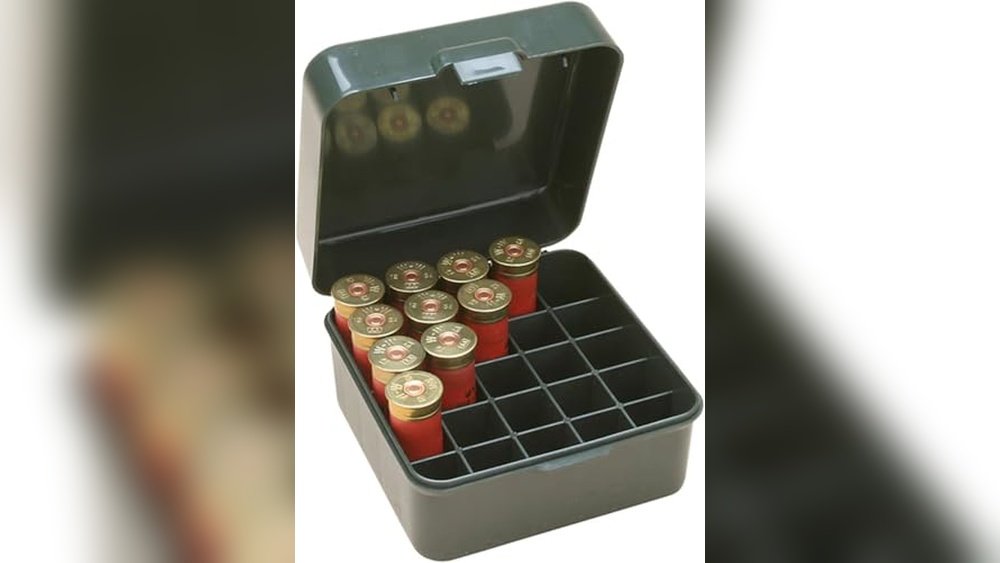
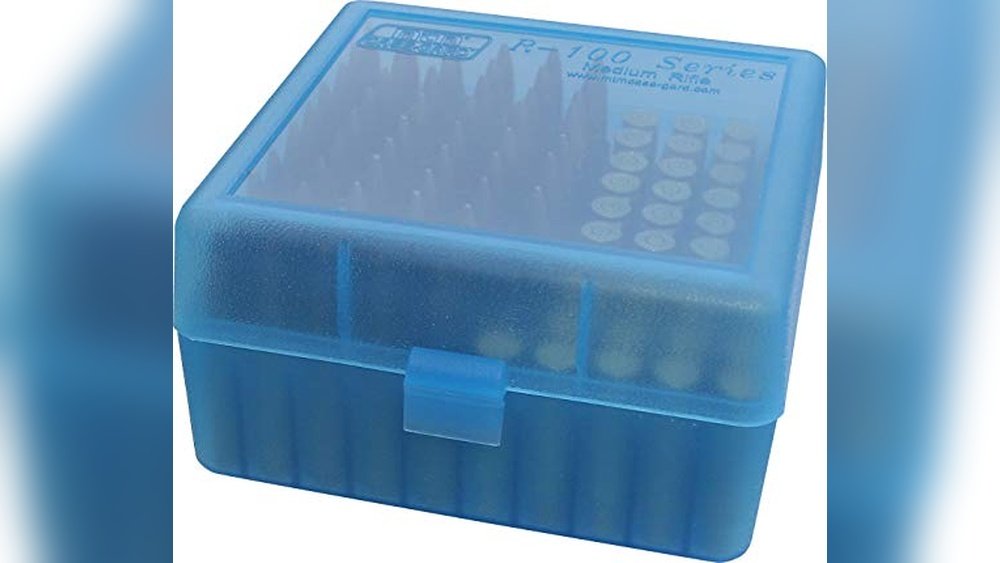
Storage racks and boxes keep ammo neat and accessible. Racks allow you to see all your rounds at once. Boxes protect ammo from dust and impact. Choose racks with sturdy materials to hold heavy ammo safely. Look for boxes with secure lids to keep moisture out.
Inventory Management Apps
Inventory management apps help track ammo stock and rotation dates. These apps send reminders for when to rotate your ammo. They reduce mistakes and save time. You can log details like caliber, purchase date, and quantity. Apps work well on phones and tablets for quick updates.
Moisture Absorbers And Seals
Moisture absorbers prevent rust and corrosion in stored ammo. Small packets or containers absorb humidity inside boxes. Seals keep air and moisture from entering storage containers. Use airtight bags or vacuum seals for best results. These tools extend ammo life and maintain reliability.
Signs Ammo Needs Replacement
Ammo stored for long periods can lose its reliability. Knowing the signs that ammo needs replacement keeps you safe. It also ensures your firearm performs well. Regular checks help catch problems early. This section explains key signs to watch for.
Visual Inspection Tips
Start by looking closely at each round. Check the casing for dents or cracks. Rust or corrosion means the ammo is bad. Bullets that look discolored or swollen should be discarded. Also, check the primer for any damage. Clean, shiny rounds usually mean good condition.
Performance Indicators
Poor ammo often causes misfires or jams. If your gun fails to fire smoothly, suspect the ammo. Notice if the bullet speed is slower than usual. Inconsistent recoil or strange noises are warning signs. Test ammo before important use to avoid surprises.
When To Dispose Safely
Dispose of ammo that shows visible damage. Any rounds causing frequent firing issues must go. Do not try to fix or reuse bad ammo. Contact your local authorities for safe disposal options. Store ammo in a dry place until you can discard it.
Frequently Asked Questions
What Is Ammo Rotation For Long-term Storage?
Ammo rotation means using older ammo first and replacing it with fresh ammo. This ensures your stored ammunition remains reliable and safe over time. It helps prevent degradation and maintains optimal performance for future use.
How Often Should I Rotate My Stored Ammunition?
Rotate your ammo every 1 to 2 years to keep it fresh. Regular rotation prevents ammo from becoming stale or unreliable. Check storage conditions and inspect ammo during rotation for any signs of damage.
Why Is Ammo Rotation Important For Long-term Storage?
Ammo rotation ensures consistent reliability and performance. It prevents issues like misfires caused by old or degraded ammunition. Proper rotation also helps maintain your supply’s safety and effectiveness during emergencies or regular use.
Can Improper Storage Affect Ammo Rotation Benefits?
Yes, improper storage can reduce ammo lifespan despite rotation. Ammo must be kept in cool, dry, and stable conditions. Proper storage complements rotation to maximize ammunition longevity and performance.
Conclusion
Ammo rotation keeps your stock fresh and reliable. Use older ammo first to avoid waste. Store ammo in cool, dry places for best results. Check your supply regularly for signs of damage. Proper rotation helps you stay prepared and safe.
Simple steps make a big difference in ammo care. Keep your collection ready for any situation. Rotate ammo often to maintain its quality. Safe storage and rotation go hand in hand. Stay smart, stay ready.