If you own a firearm chambered for +P 9mm ammo, you probably wonder how long your ammunition will stay reliable and safe to use. Knowing the shelf life of your ammo isn’t just helpful—it can be crucial for your safety and performance when it matters most.
You want your rounds to fire perfectly every time, without surprises. So, how long can you store +P 9mm ammo before it starts to lose its effectiveness? Keep reading to uncover the facts about ammo shelf life and learn how to make your investment last longer.
Shelf Life Basics
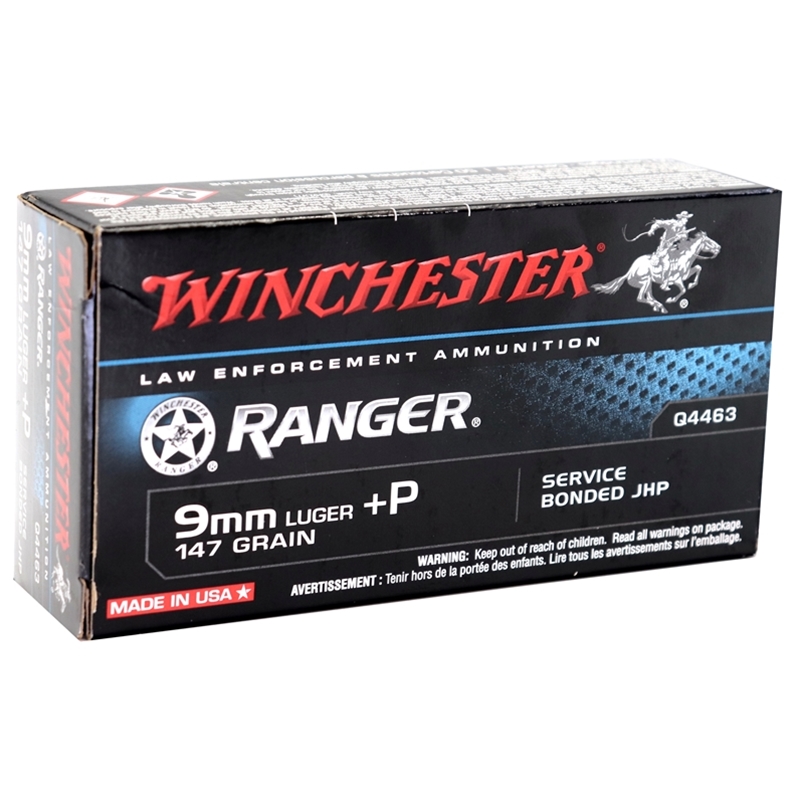
Understanding the shelf life of +P 9mm ammo is important for safe and effective use. Shelf life means how long ammo stays reliable and safe to fire. Ammo does not last forever. Over time, it can lose power or become unsafe. Knowing the basics helps you store and use ammo wisely.
Factors Affecting Shelf Life
Storage conditions play a big role in ammo shelf life. Heat, moisture, and air can damage ammo. Cool, dry places keep ammo good longer. The quality of the ammo also matters. Higher quality ammo tends to last longer. Proper packaging helps protect ammo from damage. Ammo stored in sealed containers stays fresh more time. Regular checks help spot any problems early.
Differences Between +p And Standard Ammo
+P ammo has higher pressure than standard ammo. This means it pushes harder when fired. Because of this, +P ammo may wear faster over time. Standard ammo has lower pressure and tends to last longer. +P ammo needs careful storage to keep it safe. Users should check +P ammo more often than standard. Both types can last years if stored well.
Storage Conditions
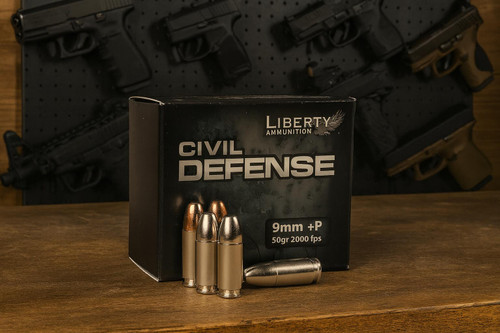
Proper storage conditions play a big role in the shelf life of +P 9mm ammo. The way you store your ammo affects its reliability and safety. Keeping ammo in the right environment helps maintain its quality for a longer time.
Ideal Temperature And Humidity
Store +P 9mm ammo in a cool, dry place. Temperatures between 50°F and 70°F are best. Avoid places that get very hot or cold. High heat can damage the powder inside the cartridge. Cold can cause moisture to form.
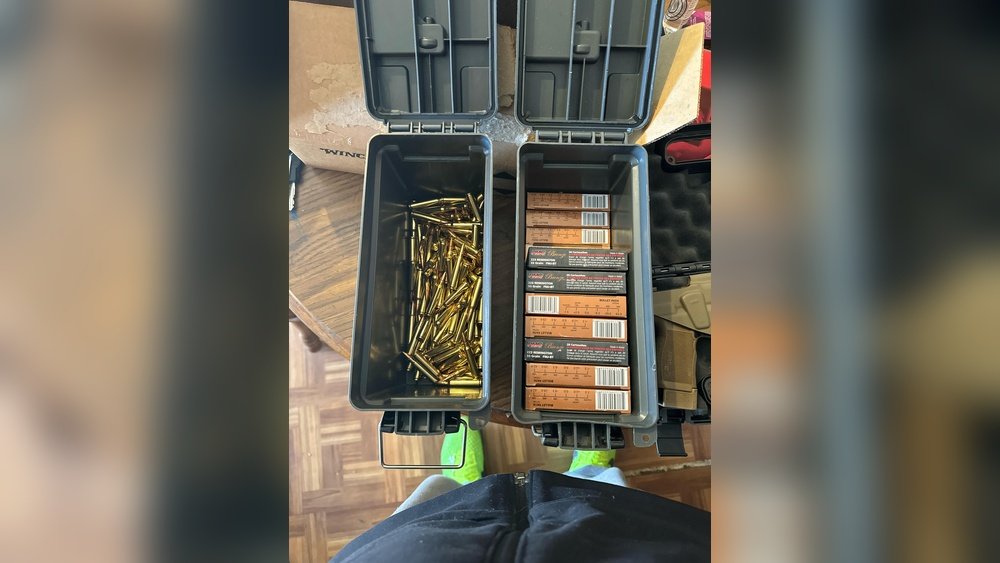
Humidity should be low. Aim for less than 50% relative humidity. Moisture can cause corrosion on the bullet and casing. Use airtight containers or ammo cans with desiccants to keep moisture out. This helps keep the ammo fresh and ready to use.
Impact Of Improper Storage
Storing ammo in bad conditions shortens its shelf life. High heat and humidity can cause rust and corrosion. This makes the ammo unsafe to fire. The powder inside may also lose its effectiveness.
Ammo exposed to moisture might misfire or fail to ignite. This can be dangerous during use. Old or damaged ammo can harm your firearm. Proper storage prevents these risks and ensures your ammo stays reliable.
Signs Of Ammo Degradation
Ammo does not last forever. Over time, it can degrade and become unsafe to use. Knowing the signs of ammo degradation helps keep you safe. It also ensures your ammo works well when you need it most. Here are key signs to watch for in +P 9mm ammo.
Visual Indicators
Look closely at the ammo’s case. Rust or corrosion on the metal is a bad sign. It means moisture reached the ammo. Bulging or dented cases show damage or pressure issues. The primer may look cracked or loose. Powder leakage or discoloration around the primer or case is unsafe. Keep an eye on the bullet’s surface. If it is dull or has white spots, it may be old or exposed to moisture.
Performance Changes
Degraded ammo often fires with less power. You might notice weak recoil or slower bullet speed. Sometimes, the gun may jam or fail to eject spent cases. Misfires or light primer strikes happen more often. Accuracy may drop because the bullet leaves the barrel unevenly. If the ammo feels different in weight or balance, it might have internal damage. Never ignore changes in how the ammo performs during shooting.
Safety Considerations
Safety is the most important factor when handling +P 9mm ammo. This type of ammunition has extra pressure, which means extra care is needed. Knowing how to handle and store it properly can prevent accidents and damage to your firearm. It is crucial to understand the risks before using old or expired +P ammo.
Handling Old +p Ammo
Always inspect old +P ammo before use. Look for signs of corrosion, dents, or damage. Store ammo in a cool, dry place away from sunlight. Avoid dropping or striking the rounds, as this can cause unsafe conditions. Use gloves to handle ammo if you notice rust or residue. Never mix old +P ammo with fresh rounds in the same container.
Risks Of Using Expired Ammo
Expired +P ammo may not perform correctly. The powder inside can degrade, causing inconsistent pressure. This may lead to misfires or jams. In worst cases, it can damage the gun or cause injury. Using old ammo increases the chance of dangerous malfunctions. Always choose fresh, reliable rounds for safety and performance.
Extending Ammo Lifespan
Extending the lifespan of +P 9mm ammo helps save money and ensures safety. Proper care keeps ammo reliable and ready to use for a longer time. Simple steps in storage and handling make a big difference. Understanding how to store and rotate ammo protects it from damage.
Best Storage Practices
Store ammo in a cool, dry place away from sunlight. Avoid areas with high humidity to prevent corrosion. Use airtight containers or ammo cans with desiccant packs. Keep ammo off the ground to avoid moisture. Label containers with purchase dates for easy tracking.
Ammo Rotation Techniques
Use the oldest ammo first to keep stock fresh. Organize ammo by date and type for quick access. Avoid mixing old and new ammo in the same container. Check ammo regularly for signs of rust or damage. Rotate stock every few months to maintain quality.
Disposal Methods
Disposing of +P 9mm ammo requires care and attention. Old or damaged ammo can be dangerous. Proper disposal prevents accidents and environmental harm. Knowing the right methods keeps you and others safe.
Safe Ammo Disposal
Do not throw ammo in the trash or fire. These actions risk explosions or pollution. Take ammo to a local shooting range or gun store. Many offer safe disposal services. Another option is to contact a hazardous waste facility. They handle ammunition safely and legally.
Local Regulations To Follow
Every area has rules for ammo disposal. Check your city or state laws before disposal. Some places require permits or special procedures. Ignoring rules can lead to fines or legal trouble. Call local authorities to get clear instructions. Follow their guidelines carefully to stay safe and legal.
Frequently Asked Questions
What Is The Typical Shelf Life Of +p 9mm Ammo?
The typical shelf life of +P 9mm ammo is around 10 to 15 years when stored properly. Proper storage means keeping it in a cool, dry place, away from moisture and extreme temperatures.
How Does Storage Affect +p 9mm Ammo Shelf Life?
Storage greatly impacts +P 9mm ammo shelf life. Ammo stored in airtight containers with low humidity lasts longer. Exposure to heat or moisture can degrade powder and primers, reducing reliability and safety over time.
Can +p 9mm Ammo Expire Or Go Bad?
Yes, +P 9mm ammo can expire or go bad. Over time, powder can lose potency, and primers may fail. Using old or improperly stored ammo risks misfires and reduced performance.
Is +p 9mm Ammo Safe After Its Shelf Life?
Using +P 9mm ammo past its shelf life is not recommended. It may not perform reliably and could be unsafe. Always inspect ammo for corrosion or damage before use, and replace old stock.
Conclusion
+P 9mm ammo lasts a long time if stored right. Keep it dry and cool to protect its quality. Old ammo can become unsafe or less reliable. Check your ammo regularly and use it within a few years. Proper care helps your ammo perform well and stay safe.
Always follow safety rules when handling or storing ammunition. Remember, good storage means better shooting and fewer problems later. Store smart, shoot safe, and keep your ammo in top shape.