Are you wondering if you can safely shoot surplus .223 ammo in your modern rifle? It’s a question many gun owners face when looking for affordable ammo options.
Surplus rounds can be tempting because they’re often cheaper and readily available. But before you load up your rifle, it’s important to know the facts. Using the wrong ammo could damage your firearm or affect performance. Keep reading to find out what you need to know to make the best choice for your shooting needs.

Surplus .223 Ammo Basics
Surplus .223 ammo has become popular among shooters and collectors. It offers a cost-effective option for practicing and training. Understanding its basics helps decide if it fits your modern rifle. This section breaks down key points about surplus .223 ammo.
Types And Origins
Surplus .223 ammo comes from military stockpiles worldwide. Common sources include Eastern Europe, Russia, and former Soviet states. These rounds were often made for military rifles like the AK-74 or M16. Types vary from ball ammo to tracer and armor-piercing rounds. Knowing the origin helps identify quality and compatibility with your rifle.
Typical Specifications
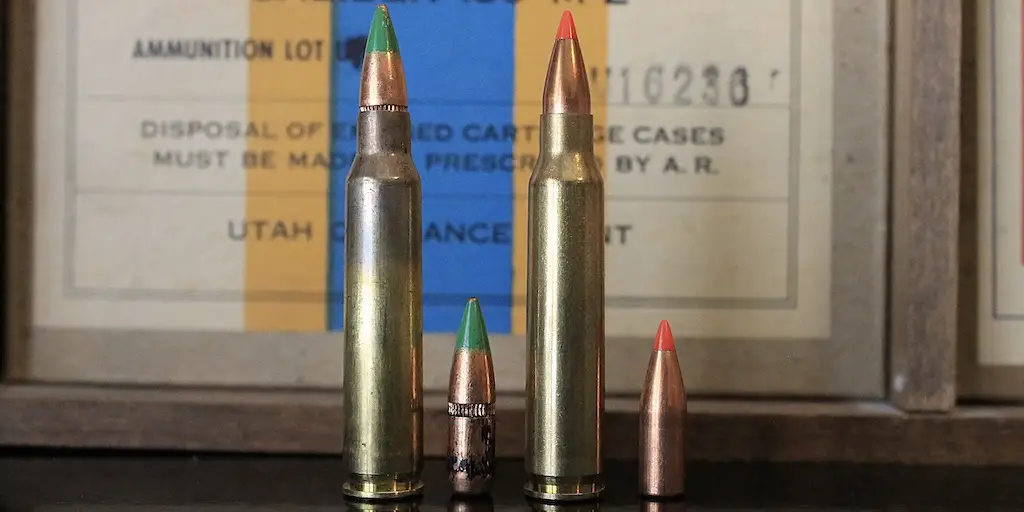
Surplus .223 ammo usually features standard bullet weight of 55 grains. The cartridge length and diameter closely match civilian .223 Remington specs. Muzzle velocity ranges from 2,800 to 3,200 feet per second. The powder load can differ, affecting pressure and recoil. Some surplus rounds have steel cases instead of brass, which may impact rifle wear. Always check your rifle’s manual before use.

Modern Rifles And .223 Caliber
The .223 caliber cartridge is popular in many modern rifles. It offers good accuracy and moderate recoil. This makes it suitable for sport shooting and hunting small to medium game.
Many shooters wonder if surplus .223 ammo is safe to use in their rifles. Understanding the rifle models and chamber standards helps answer this question. Different rifles have specific requirements for ammunition.
Common Models
Several rifles commonly chambered in .223 include the AR-15 and Ruger Mini-14. These models have a strong following among sport shooters and hunters. Their design supports the .223 cartridge well.
Other rifles like the Remington 700 and Savage Axis also come chambered for .223. Each model may have slight differences in barrel length and rifling. These differences can affect how the ammo performs.
Chamber Standards
Chamber standards define the exact dimensions of the rifle’s chamber. The SAAMI standard is most common for .223 Remington. It ensures safe pressure limits and proper cartridge fit.
Some rifles are chambered for 5.56 NATO, which is similar but operates at higher pressure. Using surplus .223 ammo in a 5.56 NATO rifle is generally safe. Using 5.56 ammo in a .223 rifle may cause pressure issues.
Always check your rifle’s chamber markings. This helps confirm what ammo is safe to use. Mismatched ammo and chamber standards can affect accuracy and safety.
Safety Factors With Surplus Ammo
Shooting surplus .223 ammo in modern rifles raises important safety questions. Surplus ammo often comes from older military stockpiles. Its performance and safety may vary greatly compared to new commercial rounds. Understanding key safety factors is essential before using it in your rifle.
Surplus ammunition might not match the standards of modern loads. Differences in pressure and quality control can affect your gun’s function. These issues can lead to malfunctions or even damage. Careful consideration and proper knowledge help avoid risks.
Pressure Differences
Surplus .223 ammo can have different pressure levels than commercial ammo. Some surplus rounds may generate higher pressure. Others might be lower than standard loads. Modern rifles are designed for specific pressure ranges. Using ammo outside these ranges can cause problems. High pressure can damage the barrel or bolt. Low pressure might cause the gun to jam or misfire. Always check the ammo’s pressure rating before shooting.
Quality Control Concerns
Surplus ammo often lacks strict quality control. Manufacturing standards in the past were not as high. Some rounds may have inconsistent powder amounts or faulty primers. This inconsistency can lead to unpredictable performance. Poor quality ammo can cause feeding issues or failure to fire. Inspect each round carefully before use. Avoid ammo with corrosion or visible damage. Using reliable ammo helps keep your rifle safe and functional.
Performance In Modern Rifles
Surplus .223 ammo often comes at a lower price, tempting many shooters to try it in modern rifles. Understanding its performance is key to safe and effective shooting. Modern rifles have specific design needs. Surplus ammo may or may not meet these needs fully.
Accuracy Considerations
Surplus .223 ammo can show varied accuracy in modern rifles. Factors like bullet weight and powder load affect precision. Some surplus rounds use older manufacturing methods. This can lead to inconsistent bullet flight. Modern rifles, designed for tight tolerances, may not perform best with surplus ammo. Testing your ammo before critical use is wise. Accuracy may be good enough for practice but less so for hunting or competition.
Reliability Issues
Reliability is crucial for any rifle ammo. Surplus .223 often has different powder types and primers. These differences can cause feeding or ignition problems in modern rifles. Some surplus ammo has corrosive primers, requiring careful cleaning after shooting. The ammo’s age and storage conditions also impact reliability. Using a few test rounds first helps check for malfunctions. Many shooters find surplus ammo less reliable than new, factory-made rounds.
Legal And Warranty Implications
Shooting surplus .223 ammo in modern rifles raises important legal and warranty questions. Knowing these issues helps protect your rights and gear. Understanding the rules and manufacturer advice keeps your shooting safe and worry-free.
Manufacturer Recommendations
Manufacturers often give clear guidance on ammo types. Using non-recommended ammo can void your rifle’s warranty. This means repairs might not be covered if damage occurs. Some rifles handle surplus ammo well. Others do not. Always check the manual or official website for advice. Sticking to their guidelines helps keep your rifle in good shape.
Legal Restrictions
Laws about surplus ammo vary by location. Some places restrict certain types or calibers. Using banned ammo can lead to fines or legal trouble. Always verify local and federal laws before shooting. Regulations may change over time. Staying updated ensures you remain compliant. Safe and legal shooting protects you and others.
Tips For Using Surplus Ammo Safely
Using surplus .223 ammo in modern rifles requires care and attention. Surplus ammo may not always meet the same quality standards as new factory rounds. This means you must take extra steps to keep shooting safe and reliable.
Following simple safety tips helps prevent damage to your rifle and protects you from accidents. Always inspect each round carefully and test fire before regular use. These steps reduce risks and improve your shooting experience.
Inspection Before Use
Check every cartridge for visible damage or corrosion. Look for dents, cracks, or rust on the casing. Discard any rounds with deformities or signs of wear.
Ensure the primer is intact and not pierced or bulged. Inspect the bullet for proper seating and no signs of movement. Proper inspection helps avoid misfires or jams during shooting.
Test Firing Guidelines
Before using surplus ammo for serious shooting, fire a few rounds at a safe range. Start with one shot, then check your rifle for any issues. Look for unusual noises or ejection problems.
If the test rounds fire cleanly, continue with a small batch to confirm reliability. Always wear eye and ear protection during test firing. This process helps ensure your rifle handles the ammo safely.
Alternatives To Surplus .223 Ammo
Surplus .223 ammo is popular for many shooters due to its low cost and availability. Still, there are other ammo choices for modern rifles that offer better quality and performance. These alternatives often provide more reliability and consistency, which many shooters prefer for target practice or hunting.
Commercially Manufactured Options
Commercially manufactured .223 ammo is made by well-known brands. This ammo goes through strict quality control to ensure safety and accuracy. It usually uses new, fresh components instead of recycled parts. This results in cleaner shooting with less risk of malfunctions. Many shooters trust these brands for consistent performance and better precision.
Reloaded Ammunition
Reloaded ammo is made by handloading used cartridges with new powder and bullets. It offers a way to customize loads for specific needs. Reloaders can save money while tailoring ammo for accuracy or power. Quality varies depending on the person who reloads it, so buying from a trusted source is important. Properly made reloaded ammo can perform as well as factory rounds.
Frequently Asked Questions
Can You Use Surplus .223 Ammo In Modern Rifles?
Yes, most modern rifles chambered for. 223 Remington can safely fire surplus. 223 ammo. Ensure the ammo matches your rifle’s specifications for pressure and bullet size before use.
Is Surplus .223 Ammo Reliable For Target Shooting?
Surplus. 223 ammo can be reliable for target shooting but varies in quality. Test your ammo first, as some surplus rounds may have inconsistent performance or accuracy.
Are There Safety Concerns With Surplus .223 Ammo?
Surplus. 223 ammo is generally safe if it’s stored well and not corroded. Always inspect rounds for damage and avoid using ammo that looks compromised to prevent malfunctions.
Does Surplus .223 Ammo Damage Modern Rifle Barrels?
Properly functioning surplus. 223 ammo typically does not damage barrels. However, poorly manufactured or corrosive surplus ammo may cause wear, so cleaning your rifle after use is essential.
Conclusion
Surplus. 223 ammo can work in many modern rifles safely. Always check your rifle’s manual for ammo compatibility. Quality and condition of surplus ammo vary a lot. Use fresh, well-stored rounds for best results. Test a few rounds first before regular use.
Proper care helps your rifle last longer. Shooting surplus ammo saves money but needs caution. Stay safe, know your gear, and enjoy shooting.