Are you wondering if .223 ammo is the right choice for your precision shooting competitions? You might have heard mixed opinions about its accuracy and performance.
Choosing the right ammo can make or break your score, so it’s important to know what works best for your rifle and skill level. You’ll discover the truth about using. 223 ammo in precision shooting and how to get the most out of it.
Keep reading to find out if this popular round can help you hit your targets dead center every time.

.223 Ammo Basics
.223 ammo is popular among shooters worldwide. It is known for its balance of speed, accuracy, and low recoil. Understanding its basics helps in deciding if it suits precision shooting competitions.
This section breaks down the key points about .223 ammo. Learn about its caliber, common uses, and ballistics performance.
Caliber Characteristics
.223 refers to the bullet diameter of .223 inches. It is a small, lightweight round. This size allows for faster speeds and less recoil. The cartridge case is short and slim. It fits well in rifles designed for quick handling. The overall design supports stable flight and accuracy.
Common Usage
.223 ammo is popular for target shooting and hunting small to medium game. It is widely used in AR-15 style rifles. Law enforcement and military also use it for training and patrol. The ammo is affordable and easy to find. Many shooters appreciate its low recoil for practice sessions.
Ballistics Performance
.223 ammo offers high velocity, often above 3,000 feet per second. This speed helps keep the bullet on a flat path. It reduces bullet drop over distance. The round has moderate energy, enough for precise hits at mid-range. Wind can affect the light bullet more than heavier rounds. This requires careful aiming in outdoor conditions.

Precision Shooting Requirements
Precision shooting requires more than just good aim. It demands strict standards for accuracy and consistency. Shooters must understand what is expected to perform well in competitions. The rules and conditions shape how shooters prepare and choose their ammo.
Accuracy Standards
Competitions expect tight groupings on the target. Shooters aim for small, precise circles. The ammo must deliver consistent bullet speed and trajectory. Any variation can affect the shot’s placement. Accuracy is the key measure of performance in these contests.
Range And Conditions
Matches happen at different distances, from 100 to 600 yards. Weather conditions like wind and temperature also affect shots. Shooters must adjust for these factors. The ammo should perform reliably despite these changes. Consistency under varied conditions helps maintain precision.
Competition Rules
Each event has specific rules about calibers and ammo types. Some allow only certain bullet weights or brands. Others limit the rifle modifications. Shooters must follow these rules closely. Using ammo that fits the rules is essential for eligibility and fairness.
.223 Ammo In Competitions
.223 ammo is a popular choice in many shooting competitions. Its light recoil and accuracy make it suitable for precision shooting. Shooters appreciate its balance between performance and cost. This ammo often appears in smallbore and tactical matches. Understanding its role can help competitors choose the right load for their needs.
Choosing the right ammo affects shot placement and score. Competitors often test different loads to find the best match for their rifle. The consistency of .223 ammo is key in hitting tight groups.
Suitability For Precision
.223 ammo offers low recoil, which helps maintain control. This makes it easier to stay on target for follow-up shots. The round’s flat trajectory allows shooters to aim with less adjustment. Many precision shooters find .223 suitable for distances up to 300 yards. Its availability and variety make it a reliable choice in competitions.
Performance Compared To Other Calibers
.223 ammo performs well against larger calibers in many matches. It is lighter and causes less fatigue during long sessions. Compared to calibers like 7.62×39 or .308, it has less recoil. This can improve accuracy, especially for newer shooters. The trade-off is less power and range but more control and speed. Many shooters prefer .223 for its balance of these traits.
Popular Load Types
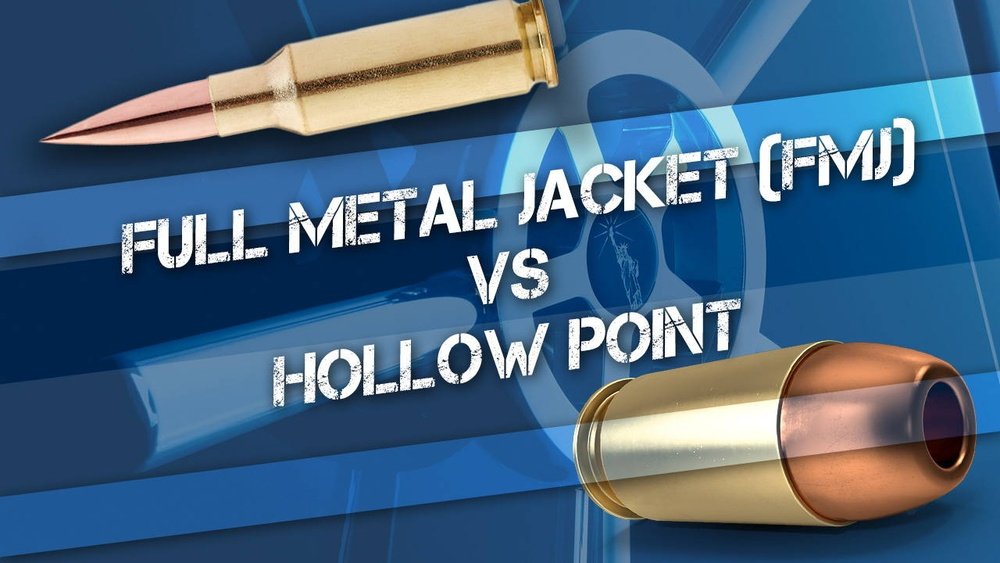
Match-grade .223 loads are common in precision shooting. These rounds use high-quality bullets and consistent powder charges. Hollow point and boat tail bullets are popular for accuracy. Shooters also choose heavier bullets for better wind resistance. Handloading allows for fine-tuning the ammo to the rifle. This customization can improve group size and shot consistency.

Expert Opinions
Expert opinions provide clear views on using .223 ammo for precision shooting competitions. Different professionals share their experiences and facts. These insights help shooters decide if .223 ammo fits their needs.
Competitive Shooters’ Insights
Many competitive shooters say .223 ammo works well for short to medium ranges. They like its low recoil and fast velocity. This helps them keep control and shoot more accurately. Some mention that the ammo’s consistency is key for good scores. Others prefer heavier bullets for better stability at longer distances.
Ballistics Experts’ Views
Ballistics experts explain that .223 ammo has a flat trajectory and decent accuracy. It performs best under 300 yards. Beyond that, bullet drop and wind effects increase. Experts stress matching bullet weight and powder load to your rifle. Precision depends on careful selection and testing of ammo types.
Manufacturer Recommendations
Manufacturers often design .223 ammo for training and varmint hunting. They advise checking the rifle’s chamber specifications before using it in competitions. Some brands offer match-grade .223 ammo made for precision shooting. Following the manufacturer’s guidelines ensures safety and better performance.
Improving .223 Accuracy
Improving accuracy with .223 ammo is key for precision shooting competitions. Small changes can make a big difference in your shot groupings. Focus on three main areas: the ammo quality, your rifle setup, and your shooting technique. Each factor affects how well you hit your target.
Selecting Quality Ammo
Choose ammo designed for precision. Match-grade bullets offer better consistency. Avoid cheap or mixed batches. Look for tight manufacturing tolerances. Consistent bullet weight and powder load improve shot accuracy. Test different brands to find what works best with your rifle.
Rifle And Barrel Considerations
A good rifle is crucial for accuracy. Use a barrel with a quality rifling pattern. Longer barrels can help with velocity and stability. Keep the barrel clean and well-maintained. A free-floating handguard prevents pressure on the barrel. Ensure the rifle has a solid, stable rest or bipod for shooting.
Shooting Techniques
Practice steady breathing and trigger control. Use a slow, smooth trigger pull. Avoid jerking the trigger or flinching. Maintain a consistent shooting position. Use proper cheek weld and eye relief on your scope. Dry fire practice helps build muscle memory. Small details improve your shot precision significantly.
Alternatives To .223 Ammo
Choosing the right ammo can affect your precision shooting results. Alternatives to .223 ammo offer different benefits. These choices depend on your competition style and needs.
Other Popular Calibers
.308 Winchester is a favorite for long-range shooting. It has more power and better accuracy over distance. 6.5 Creedmoor is gaining popularity. It offers low recoil and excellent precision. .22 LR is common for close-range and training. It is affordable and has low noise.
Pros And Cons Comparison
.223 ammo is light and has low recoil but less range. .308 delivers stronger impact but more recoil and weight. 6.5 Creedmoor balances recoil and distance well. .22 LR is easy to shoot but lacks power for serious competition.
Choosing Based On Competition Type
Short-range matches may favor .22 LR or .223. Long-range competitions benefit from .308 or 6.5 Creedmoor. Consider ammo cost and rifle compatibility too. Match rules often limit caliber choices. Pick ammo that fits your skill and event demands.
Frequently Asked Questions
Can .223 Ammo Deliver Accuracy For Precision Shooting?
Yes,. 223 ammo can provide good accuracy in precision shooting. High-quality match-grade. 223 rounds improve consistency and grouping. Proper rifle setup and shooter skill are also crucial for achieving precision.
Is .223 Ammo Suitable For Long-range Competitions?
. 223 ammo is less ideal for extreme long-range shooting due to lower energy and drop. It performs well at medium distances but may fall short against larger calibers beyond 500 yards.
What Factors Affect .223 Ammo Performance In Competitions?
Ammo quality, bullet weight, and barrel length influence. 223 performance. Match-grade bullets and consistent powder loads enhance precision. Environmental conditions and rifle maintenance also impact competitive results.
Can I Use Standard .223 Ammo In Precision Competitions?
Standard. 223 ammo is less consistent than match-grade rounds. For competitive shooting, match-grade ammo is preferred for tighter groups and better reliability under pressure.
Conclusion
. 223 ammo can work well in many shooting contests. It offers good accuracy for medium-range targets. Shooters often choose it for its availability and cost. Still, some prefer other rounds for extreme precision. The right choice depends on your skill and needs.
Practice and good equipment always help improve results. Try different ammo types to find your best fit. Precision shooting is about consistency and focus. . 223 ammo remains a solid option for many shooters.