Are you wondering if you can safely shoot .223 ammo in every AR-15 platform you own or plan to buy? It’s a common question among shooters and gun enthusiasts like you.
Using the wrong ammo can affect your gun’s performance and even cause damage. But how do you know which AR-15 models can handle. 223 rounds without risking safety or accuracy? You’ll discover the key facts that will help you make smart choices every time you load your rifle.
Keep reading to find out what really works and what you need to watch out for.
Differences Between .223 And 5.56 Ammo
The .223 Remington and 5.56x45mm NATO cartridges look very similar. Many shooters think they are the same. Yet, small differences affect their use in AR-15 rifles. Knowing these differences helps choose the right ammo for your gun. Safety and performance depend on understanding these key points.
Case Dimensions And Pressure Levels
The .223 Remington and 5.56 NATO cases have slight size differences. The 5.56 case is a bit thicker and stronger. This allows it to handle higher pressure safely. The 5.56 NATO pressure can reach up to 62,000 psi. The .223 Remington runs at about 55,000 psi. Using 5.56 ammo in a .223 chamber can be risky due to these pressures.
Performance Variations
5.56 ammo often has a faster bullet speed and more energy. It works well for military and tactical use. The .223 is designed more for civilian shooting and hunting. It has a slightly lower recoil, which helps with accuracy. Each round performs best in its intended role and chamber.
Chamber Specifications
The 5.56 NATO chamber has a longer throat or leade. This space allows the bullet to build up pressure safely. The .223 chamber has a shorter throat, designed for lower pressure rounds. Firing 5.56 rounds in a .223 chamber can cause higher pressure. This may lead to dangerous malfunctions. AR-15s marked for 5.56 NATO can safely fire both rounds. Guns made only for .223 should avoid 5.56 ammo for safety.

Ar-15 Chamber Types
The AR-15 rifle comes in different chamber types. These chambers affect which ammo you can safely use. Understanding these types helps you choose the right ammunition for your rifle. The three main chamber types are .223 Remington, 5.56 NATO, and hybrid chambers. Each has unique features and pressure standards.
.223 Remington Chambers
The .223 Remington chamber is designed for .223 ammo only. It has a shorter throat, which is the space before the bullet hits the rifling. This chamber fits lower pressure rounds. Shooting 5.56 NATO ammo in a .223 chamber can cause higher pressure, which may be unsafe. Most .223 chambers work well with .223 Remington ammo for target shooting and hunting.
5.56 Nato Chambers
5.56 NATO chambers are built for higher pressure ammo. They have a longer throat than .223 chambers. This extra space allows safe use of both 5.56 NATO and .223 Remington ammo. The 5.56 NATO chamber is common in military-style AR-15 rifles. It offers more flexibility with ammo choices. Using .223 Remington ammo in a 5.56 chamber is safe and reliable.
Hybrid Chambers
Hybrid chambers combine features of both .223 and 5.56 chambers. They allow safe firing of both ammo types without pressure issues. These chambers are popular among shooters who want versatility. Hybrid chambers provide a good balance of accuracy and safety. They often have dimensions close to 5.56 NATO but tuned for better .223 accuracy. Choosing a hybrid chamber can simplify ammo selection for AR-15 owners.
Compatibility Of .223 Ammo In Ar-15
The AR-15 platform is popular for its versatility and wide ammunition options. One common question is whether .223 ammo can be used in all AR-15 rifles. Understanding the compatibility depends on the chamber specifications of the firearm. Most AR-15 rifles have chambers marked for either .223 Remington or 5.56 NATO. These two cartridges look similar but have different pressure levels and dimensions. Knowing these differences helps ensure safe and reliable shooting.
Using the right ammunition for your AR-15 is important. It affects performance and safety. Some rifles can safely shoot both .223 and 5.56 ammo. Others are designed for only one type. Checking your rifle’s chamber marking is the first step before choosing ammo.
Shooting .223 In 5.56 Chambers
Rifles with 5.56 NATO chambers can usually fire .223 Remington ammo safely. The 5.56 chamber is slightly larger and built to handle higher pressure. This means .223 rounds fit well and work without issues. Many shooters prefer using .223 ammo in 5.56 chambers for better availability and lower cost. The performance remains reliable, and the rifle stays safe.
5.56 chambers offer a bit more room for gas expansion. This helps reduce wear on the rifle parts. The small difference in cartridge size does not cause feeding or extraction problems. Shooting .223 in a 5.56 chamber is common and widely accepted among AR-15 owners.
Risks Of Using 5.56 Ammo In .223 Chambers
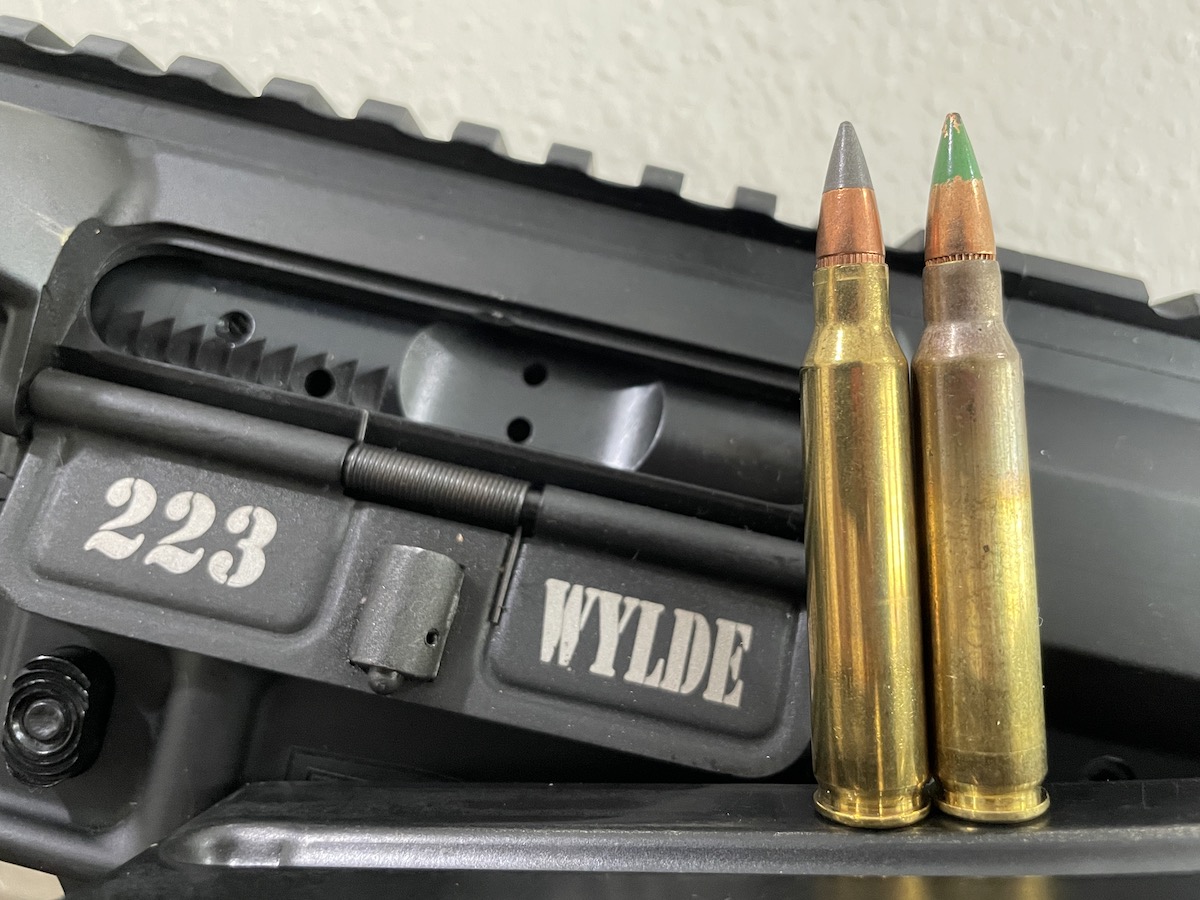
Using 5.56 NATO ammo in a .223 Remington chamber carries risks. The 5.56 round operates at higher pressure than .223. This can cause extra stress on the rifle’s barrel and chamber. Some rifles may experience increased recoil or gas blowback. In rare cases, this mismatch can lead to damage or safety hazards.
Manufacturers often warn against firing 5.56 rounds in .223 chambers. The tighter chamber tolerances in .223 rifles are not designed for the higher pressure. If unsure, consult your firearm’s manual or a gunsmith. Prioritizing safety ensures a better shooting experience.
Safety Considerations
Safety is the top priority when using .223 ammo in AR-15 platforms. Not all .223 rounds behave the same. Differences in pressure and design can affect how the gun performs. Understanding these safety points helps prevent damage and injury. Always consider the gun’s specifications before shooting.
Pressure Differences And Barrel Stress
.223 ammo comes in different pressure levels. Some rounds create higher pressure than others. High pressure can strain the barrel and parts of the AR-15. Using ammo with too much pressure may cause damage or unsafe conditions. Always check the pressure rating of your ammo and gun.
Potential For Malfunctions
Using the wrong .223 ammo can cause malfunctions. The gun might jam or fail to cycle properly. This occurs when ammo does not match the firearm’s design. Malfunctions can lead to unsafe situations. Proper ammo keeps the gun running smoothly and safely.
Manufacturer Recommendations
Gun makers give clear advice on which ammo to use. Following their guidelines ensures safety and performance. Using ammo outside these recommendations can void warranties. It may also increase the risk of accidents. Always read and follow the manufacturer’s instructions before shooting.
Performance Impact
Understanding the performance impact of using .223 ammo in AR-15 platforms helps shooters make better choices. The type of ammo affects how the rifle shoots and feels. Different factors change the accuracy and power delivered by the bullet. These differences matter for target shooting, hunting, or self-defense. Knowing what to expect can improve your shooting experience and results.
Accuracy Factors
Accuracy depends on the ammo quality and rifle condition. Variations in bullet weight and shape affect the bullet’s flight path. Barrel length and twist rate also influence accuracy. Using the right .223 ammo type helps maintain consistent groupings. Mismatched ammo can cause wider shot patterns and less precision.
Velocity And Energy Variations
Velocity means how fast the bullet travels after firing. Different .223 ammo loads produce different speeds. Faster bullets hit targets quicker and flatter. Energy relates to the bullet’s power on impact. Higher energy means more stopping power but can increase recoil. Velocity and energy changes affect how the rifle handles and performs.
Choosing The Right Ammo For Your Ar-15
Choosing the right ammo for your AR-15 is important. The ammo affects your shooting accuracy and the rifle’s performance. Using the wrong ammo can cause jams or even damage your rifle. Knowing what ammo fits your AR-15 keeps you safe and helps you shoot better.
Identifying Your Chamber Type
Check the markings on your rifle barrel. Most AR-15s are chambered for .223 Remington or 5.56 NATO. The chamber type decides what ammo you can safely use. A 5.56 NATO chamber is more flexible and can handle both 5.56 and .223 rounds. A .223 chamber should only use .223 ammo. Mixing ammo and chamber types can lead to pressure problems and poor performance.
Ammo Selection Tips
Choose ammo that matches your rifle’s chamber type. Buy quality rounds from trusted brands. Avoid cheap ammo that might cause malfunctions. Match the bullet weight to your shooting needs. Lighter bullets work well for target shooting. Heavier bullets offer better control and penetration. Test different ammo types to find what works best with your rifle. Always follow safety rules when handling and shooting ammo.
Common Myths About .223 And 5.56 Ammo
Many shooters wonder about the differences between .223 and 5.56 ammo. These two rounds look similar and often cause confusion. Some myths spread about their use in AR-15 rifles. Clearing these myths helps shooters make safe choices.
The following sections explain common misunderstandings. Knowing the facts ensures better performance and safety.
Misconceptions On Interchangeability
People often think .223 and 5.56 ammo are exactly the same. They are not. The 5.56 NATO round has higher pressure than .223 Remington. Most AR-15s can shoot both, but not all.
AR-15s with a .223 chamber may not handle 5.56 ammo safely. Using 5.56 in a .223 chamber can cause problems. The reverse is usually safe, but accuracy may drop.
Clarifying Pressure Concerns
Pressure differences are key to understanding these rounds. 5.56 NATO ammo is loaded to higher pressure than .223. This means 5.56 pushes the bullet faster and harder.
Shooting 5.56 ammo in a .223 chamber risks damage. The rifle may experience more stress than it was designed for. Some barrels marked “5.56/.223” can safely fire both types.
Frequently Asked Questions
Can .223 Ammo Be Used In All Ar-15 Rifles?
Most AR-15 rifles can safely shoot. 223 ammo, but always check your firearm’s specifications. Some AR-15s are chambered for 5. 56 NATO, which is slightly different.
Is .223 Ammo Compatible With 5.56 Nato Ar-15 Barrels?
Yes,. 223 ammo can generally be fired in 5. 56 NATO barrels. However, 5. 56 NATO ammo should not be used in barrels marked only for. 223.
What Are The Risks Of Shooting .223 In A 5.56 Ar-15?
There are minimal risks since. 223 is lower pressure than 5. 56 NATO. Always verify your rifle’s chamber markings to ensure compatibility.
Can I Shoot 5.56 Nato Ammo In A .223 Ar-15?
No, shooting 5. 56 NATO in a. 223-only AR-15 can be unsafe due to higher pressure. Use ammo matching your rifle’s chamber.
Conclusion
. 223 ammo fits most AR-15 platforms but not all. Check your rifle’s specifications first. Some AR-15s need specific ammo types for safety and performance. Using the wrong ammo can cause damage or injury. Always read the manual and follow manufacturer advice.
Choose ammo that matches your firearm’s chamber size. This keeps shooting safe and accurate. Remember, not all. 223 rounds work the same in every AR-15. Stay informed and shoot responsibly.