Choosing the right .223 ammo for hunting can make all the difference between a successful trip and a frustrating one. You want rounds that deliver accuracy, power, and reliability every time you pull the trigger.
But with so many options out there, how do you know which ammo will work best for your needs? This guide will help you cut through the confusion and find the perfect. 223 ammo to boost your confidence and improve your hunting results.
Keep reading to discover the key factors you need to consider before making your choice.

Types Of .223 Ammo
Choosing the right .223 ammo for hunting depends on understanding the types available. Each type has a unique design and purpose. Knowing these helps you pick ammo that fits your hunting needs. Below are the common types of .223 ammo used in hunting.
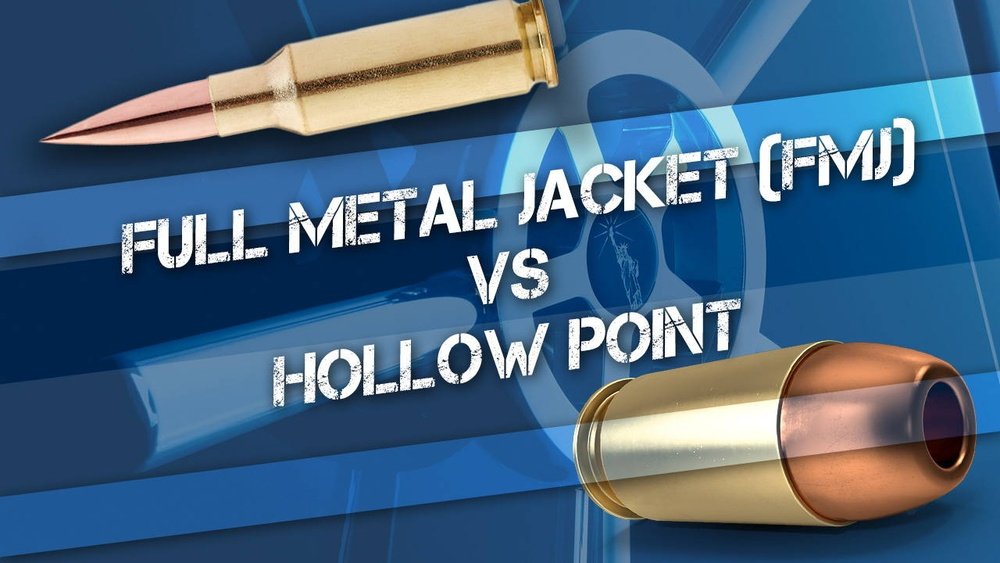
Full Metal Jacket
Full Metal Jacket (FMJ) bullets have a soft core wrapped in a hard metal shell. They are strong and penetrate deeply. FMJ ammo works well for target shooting but is less ideal for hunting. It may pass through the animal without causing much damage.
Soft Point
Soft Point bullets have an exposed lead tip. This design allows the bullet to expand on impact. Expansion causes more damage, making Soft Point ammo good for hunting medium-sized game. It offers a balance between penetration and stopping power.
Hollow Point
Hollow Point bullets have a hollowed tip. This design makes the bullet expand quickly upon impact. Hollow Point ammo creates a larger wound channel, helping with a quick and humane kill. It is popular for hunting small to medium game.
Ballistic Tip
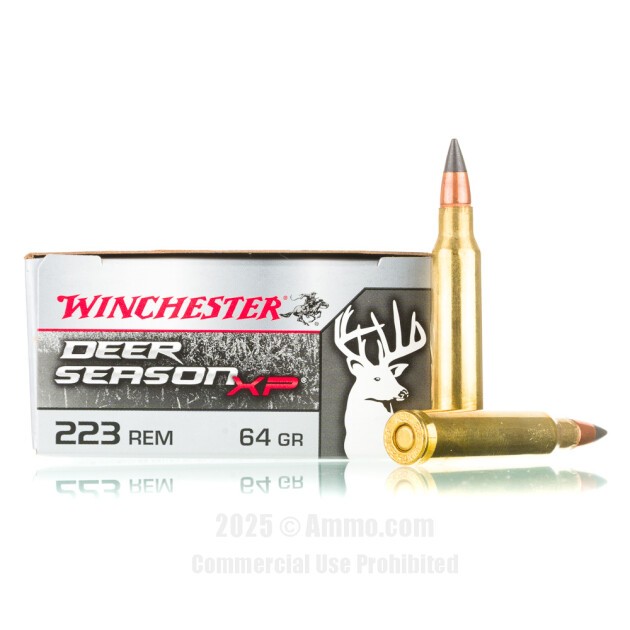
Ballistic Tip bullets combine a hollow point with a plastic tip. The tip improves accuracy and helps the bullet expand reliably. This ammo type offers good flight performance and strong impact. Ballistic Tip is excellent for precise shots on game animals.
Key Factors For Hunting Ammo
Choosing the right .223 ammo for hunting depends on several important factors. These factors affect how well the bullet performs in the field. Understanding these key points helps you pick ammo that fits your hunting needs. Focus on bullet weight, velocity and energy, and accuracy and consistency.
Bullet Weight
Bullet weight plays a big role in hunting success. Heavier bullets carry more energy and penetrate deeper. Lighter bullets travel faster but may lose power quickly. Choose a weight that matches your game size and hunting style. For small to medium animals, 55 to 62 grains is common. Bigger game may need heavier bullets for better impact.
Velocity And Energy
Velocity shows how fast the bullet leaves the barrel. Higher velocity means flatter shots and less drop. Energy is the force the bullet hits with. More energy means better stopping power. Good hunting ammo balances velocity and energy. This helps ensure a quick, ethical kill and reduces animal suffering.
Accuracy And Consistency
Accuracy is how close shots hit to the target point. Consistency means each bullet performs the same way. Both are vital for hunting success. Ammo that is accurate and consistent builds confidence. It helps you place shots where they count. Always test ammo before hunting to find the best match for your rifle.
Matching Ammo To Game
Choosing the right .223 ammo depends on the type of game you plan to hunt. Different animals need different bullet types and weights. Matching ammo to game helps ensure a clean, ethical kill. It also improves your shooting accuracy and hunting success.
Small Game Considerations
Small game like rabbits and squirrels need light, fast bullets. Use ammo with a bullet weight between 40 and 55 grains. These bullets cause less damage to the meat. Hollow point or soft point bullets work well. They expand quickly and stop the animal fast. Avoid heavy bullets that may over-penetrate or destroy the meat.
Medium Game Options
Medium game includes animals like coyotes and deer. Choose bullets between 55 and 62 grains. Soft point or ballistic tip bullets are good choices. They offer good expansion and penetration. This balance helps deliver a quick, humane kill. Match your ammo to the animal’s size and distance. This improves accuracy and effectiveness.
Large Game Challenges
Large game such as elk or wild hogs need heavier bullets. Pick ammo with bullet weight above 62 grains. Heavy soft point or bonded bullets provide deep penetration. They keep their shape on impact and cause more damage. Large animals require precise shot placement and strong bullets. Make sure your ammo can handle tough hides and bones.
Ammo Brands To Consider
Choosing the right .223 ammo brand matters for successful hunting. Different brands offer various qualities, prices, and special features. Knowing reliable options helps you pick ammo that fits your needs and budget. Below are some ammo brands to consider for hunting with your .223 rifle.
Top Premium Brands
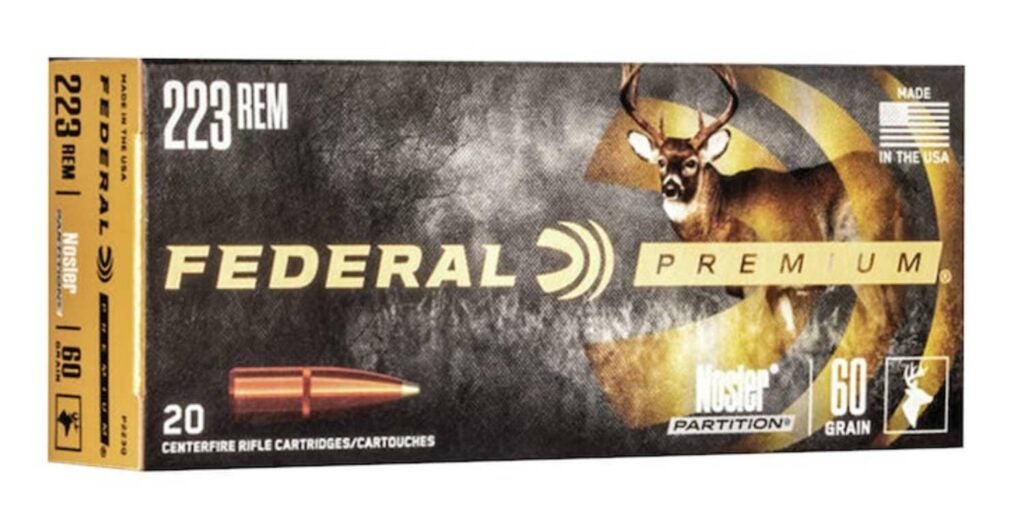
Premium brands focus on quality and consistent performance. Federal, Hornady, and Nosler are popular choices. They use high-quality bullets and powders. These brands offer excellent accuracy and reliable expansion on impact. Hunters trust these brands for clean and ethical kills.
Budget-friendly Choices
Affordable ammo brands still provide good performance for hunting. Winchester and Remington offer budget-friendly options. These brands balance price and quality well. They are great for practice and hunting small to medium game. Buying in bulk from these brands can save money.
Specialty Hunting Ammo
Specialty ammo is designed for specific hunting needs. Brands like Barnes and Hornady make ammo with controlled expansion bullets. These bullets increase stopping power and reduce meat damage. Specialty ammo suits hunters seeking precision and quick kills. It is ideal for game requiring deep penetration.
Testing And Selecting Ammo
Testing and selecting the right .223 ammo for hunting is crucial. It affects accuracy, performance, and your overall success in the field. Not all ammo works well with every rifle or hunting situation. Taking time to test helps find the best match for your needs.
Try different brands and bullet types. Observe how each performs at various distances. This process leads to more confidence and better results when hunting.
Range Testing Tips
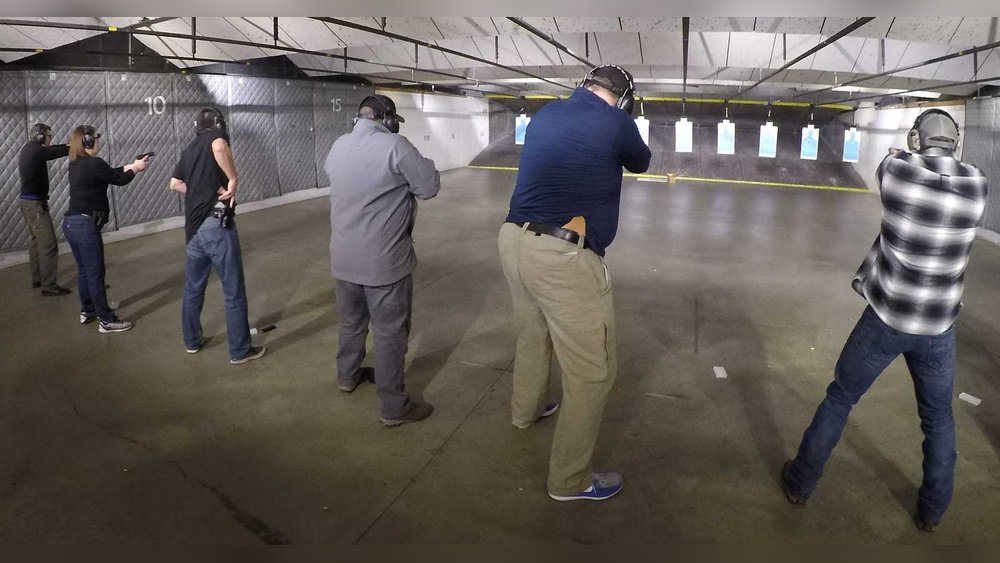
Start testing at a controlled shooting range. Use a stable rest or bench to reduce movement. Shoot groups of three to five rounds to check consistency. Measure the size of the group to see how tight your shots are. Test ammo at different distances to see how it behaves over range. Keep notes of each ammo type and results for comparison later.
Evaluating Performance
Look for accuracy and reliability first. Ammo should hit close to the same point every time. Watch for any misfires or jams during testing. Check bullet expansion and penetration on test targets or ballistic gel. Consider recoil and noise level to ensure comfort while shooting. Good performance means better hunting success and less wasted ammo.
Adjusting For Conditions
Environmental factors change how ammo performs. Temperature, wind, and humidity all play a role. Test ammo in different weather to see how it behaves. Choose ammo that stays accurate in your usual hunting conditions. Adjust your shooting technique if needed to match the ammo. Being prepared ensures better results on the hunt.
Legal And Safety Aspects
Choosing the best .223 ammo for hunting involves more than just performance. Understanding legal and safety aspects is crucial. These ensure a safe hunt and avoid legal trouble. Follow rules and handle ammo carefully for a good experience.
Hunting Regulations
Hunting laws vary by state and region. Check local rules before buying .223 ammo. Some areas ban certain bullet types or sizes. Using the wrong ammo can lead to fines or loss of hunting rights. Know the allowed calibers and bullet types for your game. Respect season dates and bag limits to stay legal.
Safe Handling Practices
Always store .223 ammo in a cool, dry place. Keep it away from heat and moisture. Handle ammo with clean hands and avoid dropping it. Use proper containers to prevent damage. Never mix different ammo types in one box. Follow firearm safety rules when loading and shooting. Wear eye and ear protection during hunting.
Frequently Asked Questions
What Factors Affect .223 Ammo Selection For Hunting?
Choosing. 223 ammo depends on bullet weight, type, and intended game. Accuracy and terminal performance are crucial for ethical kills. Match your ammo to your rifle and hunting conditions for best results.
Is Heavier Or Lighter .223 Ammo Better For Hunting?
Heavier ammo offers deeper penetration and energy transfer, ideal for larger game. Lighter bullets provide flatter trajectories and less recoil, suitable for small to medium targets and longer shots.
Can .223 Ammo Effectively Hunt Medium-sized Game?
Yes, with the right bullet design and weight,. 223 ammo can ethically hunt medium game like coyotes and hogs. Use controlled-expansion bullets to ensure humane kills.
How Does Bullet Type Impact .223 Hunting Ammo?
Bullet types like soft point, hollow point, and polymer tip influence expansion and penetration. Choose controlled-expansion bullets for reliable stopping power and minimal meat damage.
Conclusion
Choosing the right. 223 ammo improves your hunting success. Consider bullet type, weight, and accuracy carefully. Match ammo to your hunting needs and local laws. Test different rounds to see what works best. Quality ammo gives better control and reduces waste.
Keep safety and ethics in mind while hunting. Good ammo helps you take clean, humane shots. Take your time and choose wisely for best results.