Are you curious about saving money and getting the most out of your shooting sessions? If so, you might be wondering, can you use reloadable brass for .223 ammo?
This question is more important than you think. Using the right brass affects your ammo’s performance, safety, and accuracy. You’ll discover the truth about reloadable brass, how to identify it, and whether it’s a smart choice for your. 223 rounds.
Keep reading to make sure your next reload is both safe and effective.
Reloadable Brass Basics
Reloadable brass is a key part of making your own .223 ammo. It lets shooters save money and control the quality of their rounds. Understanding the basics helps you choose the right brass and use it safely. This section explains the essentials of reloadable brass for .223 ammo.
What Is Reloadable Brass
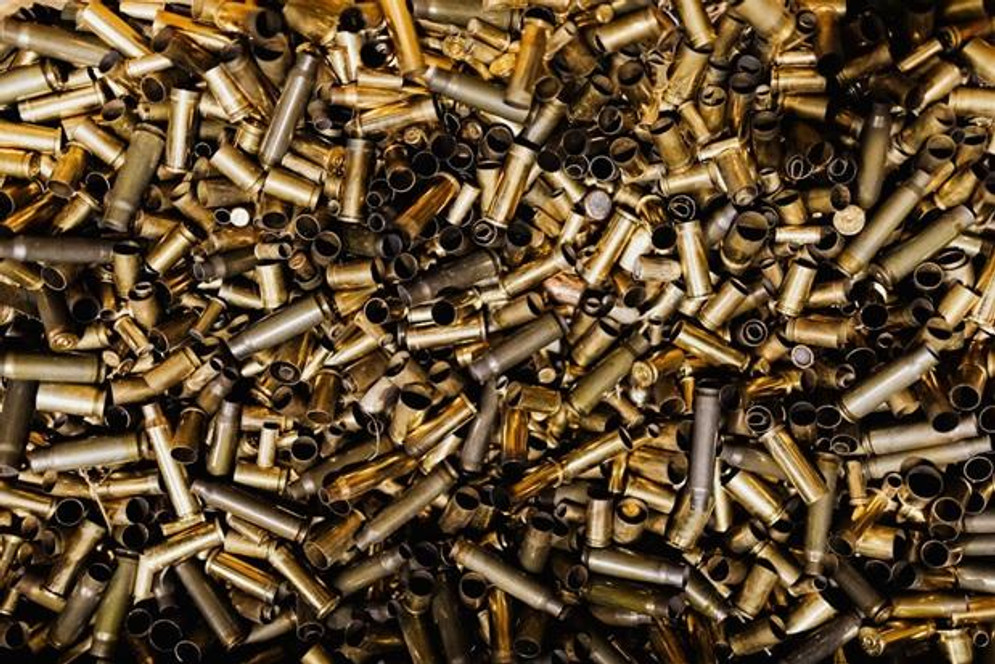
Reloadable brass is spent cartridge cases that you can reuse. These cases hold the bullet, powder, and primer. After firing, the brass can be cleaned, resized, and refilled with new components. Good brass keeps its shape and strength through several uses.
Not all brass is reloadable. Some cases weaken or crack after one use. High-quality brass is made to last through many reloads. This saves money and reduces waste for shooters.
Types Of Brass For .223 Ammo
The most common types of brass for .223 ammo are new, once-fired, and military brass. New brass is fresh and has never been fired. It is the best choice for beginners.
Once-fired brass has been used but is still good for reloading. It is cheaper than new brass. Military brass is strong but may need extra cleaning and inspection before reuse.
Each type has pros and cons. Choose based on your budget, experience, and reload goals.

Benefits Of Using Reloadable Brass
Reloadable brass offers many benefits for shooters using .223 ammo. It provides more control and value compared to buying new brass each time. Users can enjoy better shooting experiences while saving money and reducing waste.
Using reloadable brass also allows customization that fits personal needs. This flexibility helps improve accuracy and consistency. Below are some key benefits that make reloadable brass popular among shooters.
Cost Savings
Reloading brass saves money over time. New brass can be expensive, especially for frequent shooters. By reusing brass, you cut down on the cost of buying new cases. Reloading also reduces the need to purchase complete ammo sets. This makes shooting more affordable and accessible.
Customization Options
Reloadable brass allows you to adjust loads for better performance. You can change bullet weight, powder type, and charge amounts. This helps tailor ammo to specific guns or shooting styles. Custom loads improve accuracy and control at the range. Reloading gives flexibility not found in factory ammo.
Environmental Impact
Using reloadable brass helps reduce waste. Empty cases are recycled and reused instead of thrown away. This lowers the amount of metal sent to landfills. Reloading also cuts down on production energy for new brass. It is a greener choice that supports sustainability in shooting sports.
Potential Risks And Challenges
Reloading .223 ammo with brass cases can save money and reduce waste. Still, it carries certain risks and challenges. Understanding these helps you reload safely and effectively. Careful attention to brass quality, wear, and safety is key for good results.
Brass Quality Variations
Reloadable brass varies in quality. Cases from different brands or batches may not perform the same. Some brass may have thin walls or weak primer pockets. This can cause poor accuracy or case failure. Inspect each case closely before reloading. Discard any with visible defects or damage.
Wear And Tear Issues
Brass wears out after several reloads. Each firing causes stress, stretching the case. Over time, cases may crack or split. Watch for signs like neck cracks or loose primers. Using worn brass risks case rupture during firing. Track how many times you reload each case. Retire cases that show wear signs.
Safety Concerns
Reloading with brass carries safety risks. Poor quality or damaged cases can cause misfires or explosions. Always use the right powder charge and bullet weight. Overloaded rounds increase pressure dangerously. Wear eye protection and reload in a safe area. Follow published load data and never guess. Safety must always come first in reloading.
Expert Tips For Reloading .223 Ammo
Reloading .223 ammo can save money and improve shooting accuracy. Experts share key tips to reload safely and effectively. Follow these steps to handle reloadable brass properly and get the best results.
Careful attention to detail makes a big difference in your reloads. Keep your process clear and consistent for safety and performance.
Selecting The Right Brass
Choose brass cases that are strong and undamaged. Reloadable brass usually has a thicker wall for durability. Avoid cases with dents, cracks, or heavy corrosion. Use brass from reputable brands or previous reloads that worked well. Proper brass selection ensures reliable ammo and reduces risk of failure.
Proper Cleaning And Inspection
Clean brass thoroughly before reloading. Use a tumbler or ultrasonic cleaner to remove dirt and powder residue. Inspect each case for signs of wear, such as splits or bulges. Check the primer pocket and flash hole for debris. Clean and inspect brass improves cartridge safety and accuracy.
Reloading Techniques
Use the correct powder charge for .223 caliber. Follow load data from trusted sources to avoid overpressure. Resize brass carefully to maintain case shape without damage. Seat bullets to the right depth for consistent chambering. Use a reliable press and quality dies. Consistent technique helps produce accurate, safe rounds every time.
Comparing Factory And Reloaded Ammo
Comparing factory and reloaded ammo reveals key differences for shooters. Factory ammo is made by companies using strict controls. Reloaded ammo is brass cases reused by hand loaders.
Both types serve specific needs. Many ask if reloaded brass can match factory ammo in quality and performance. Understanding these differences helps in choosing the right ammo for .223 rifles.
Performance Differences
Factory ammo often has consistent powder loads and bullet weights. This makes shots more predictable. Reloaded ammo can vary more because it depends on the loader’s skill and equipment.
Reloaded brass can perform well if carefully prepared. But slight variations in powder or seating depth affect bullet speed and accuracy. Factory ammo usually offers better uniformity for competition or defense use.
Reliability Factors
Factory ammo is tested to avoid misfires or jams. Reloaded ammo depends on the quality of brass and careful assembly. Using worn or damaged brass can cause feeding problems.
Reloaded brass should be inspected and resized correctly. Proper attention to detail improves reliability. Factory ammo is less likely to have defects since it undergoes strict quality checks.
Cost Analysis
Reloading brass saves money over time, especially for frequent shooters. Buying components in bulk reduces cost per round. Factory ammo costs more but requires no extra work.
Reloaded ammo needs equipment and supplies upfront. Time investment is another factor. For many, the cost savings justify the effort and equipment needed for reloading.
Legal And Regulatory Considerations
Using reloadable brass for .223 ammo involves legal rules you must know. These rules help keep everyone safe and ensure responsible use. Understanding the laws can prevent problems with law enforcement and keep your shooting activities smooth.
Ownership And Usage Laws
Many places allow owning and using reloadable brass for .223 ammo. Some areas require you to follow specific rules for reloading. Laws may restrict who can reload or how much ammo you can make. Always check local and federal laws before reloading. Ignoring laws can lead to fines or other penalties.
Transporting Reloaded Ammo
Transporting reloaded ammo has its own set of rules. Ammo must be stored safely during transport. Some regions require ammo to be separate from firearms. Use secure containers to avoid accidents or legal issues. Know the rules of each place you travel through to avoid trouble.
Common Myths About Reloadable Brass
Reloadable brass for .223 ammo is often misunderstood. Many shooters believe wrong ideas that keep them from reusing brass effectively. These myths can stop reloaders from saving money and making good ammo. Understanding the truth helps you get better results.
Brass Reuse Limits
Some say you can only reuse brass a few times. The truth is brass can last many reloads. Proper care, like cleaning and inspecting, extends its life. Look for cracks or dents before reuse. If the brass looks good, it is safe to reload again.
Accuracy Concerns
People worry that reloadable brass lowers accuracy. Good brass, sized correctly, keeps consistent bullet seating. Consistency in your reloads matters more than new or used cases. Many shooters find no accuracy loss with reused brass. Proper reloading steps keep your shots on target.
Frequently Asked Questions
Can You Safely Reload Brass For .223 Ammo?
Yes, you can safely reload brass for. 223 ammo if the brass is in good condition. Ensure proper resizing, trimming, and inspection to avoid malfunctions or safety issues. Reloading brass saves money and allows customization of loads.
How Many Times Can .223 Brass Be Reloaded?
. 223 brass can typically be reloaded 5 to 10 times. The exact number depends on brass quality, care, and reloading practices. Inspect for cracks or wear before each reload to maintain safety.
Is Reloadable Brass Better Than Once-fired Brass?
Reloadable brass is often higher quality and thicker than once-fired brass. It offers better durability for multiple reloads. However, once-fired brass is usually cheaper and still suitable for many reloaders.
What Equipment Is Needed To Reload .223 Brass?
Reloading. 223 brass requires a resizing die, powder measure, primer tool, and case trimmer. A reliable reloading press and safety gear are essential for consistent, safe ammo production.
Conclusion
Reloadable brass can work for. 223 ammo if handled with care. It saves money and reduces waste. Always check the brass condition before reloading. Use proper tools and follow safety steps every time. Reloading needs patience and attention to detail.
This practice suits those who enjoy shooting often and want to reuse materials. Keep learning and practicing to get better results. Stay safe and reload responsibly for the best experience.