You’ve stored your .223 ammo for a while, but now you’re wondering if it’s still safe and reliable to use. It’s natural to worry about how long ammunition lasts and whether it can still perform well after sitting on a shelf.
Using old or damaged ammo can be risky and might affect your shooting experience. You’ll learn simple, effective ways to check if your. 223 ammo is still good after long-term storage. By the end, you’ll feel confident about handling your ammo safely and making smart decisions before your next trip to the range.
Keep reading to protect yourself and your gear.
Signs Of Ammo Degradation
Ammo can lose quality over time, especially after long storage. Signs of ammo degradation help you know if your .223 rounds are safe to use. Checking these signs keeps you safe and your gun working well.
Some changes in the ammo show it may not fire correctly. These signs are easy to spot with a close look. Always check your ammo before use.
Visual Inspection Tips
Look at each bullet carefully. The bullet tip should be clean and smooth. Avoid ammo with dents or cracks on the bullet. Check the color; it should not be faded or discolored. Keep an eye out for powder leaks or any sticky residue.
Corrosion And Rust Effects
Rust or corrosion on ammo is a big warning. It can cause misfires or damage your gun. Check the casing and bullet for any reddish or greenish spots. Corrosion weakens the metal and may let moisture inside. Do not use ammo with visible rust.
Primer And Casing Condition
The primer is the small circle at the back. It should be flat and clean. Bulging or dented primers mean the ammo is unsafe. The casing must be shiny and smooth, without cracks or dents. Damaged casings can cause feeding problems or failure to fire.

Storage Factors Affecting Ammo
Ammo quality depends greatly on how it is stored over time. Many factors affect whether .223 ammo remains safe and reliable after long storage. Knowing these factors helps you check the condition of your ammo better. This section covers key storage elements that influence ammo life.
Temperature And Humidity Impact
High temperature can damage ammo by speeding up chemical changes. Ammo stored in hot places may lose power or become unsafe.
Humidity causes rust and corrosion on bullets and casings. Moist air can let water enter the cartridge, ruining it.
Ideal storage keeps ammo cool and dry. Consistent temperature and low humidity preserve ammo quality longer.
Packaging And Container Types
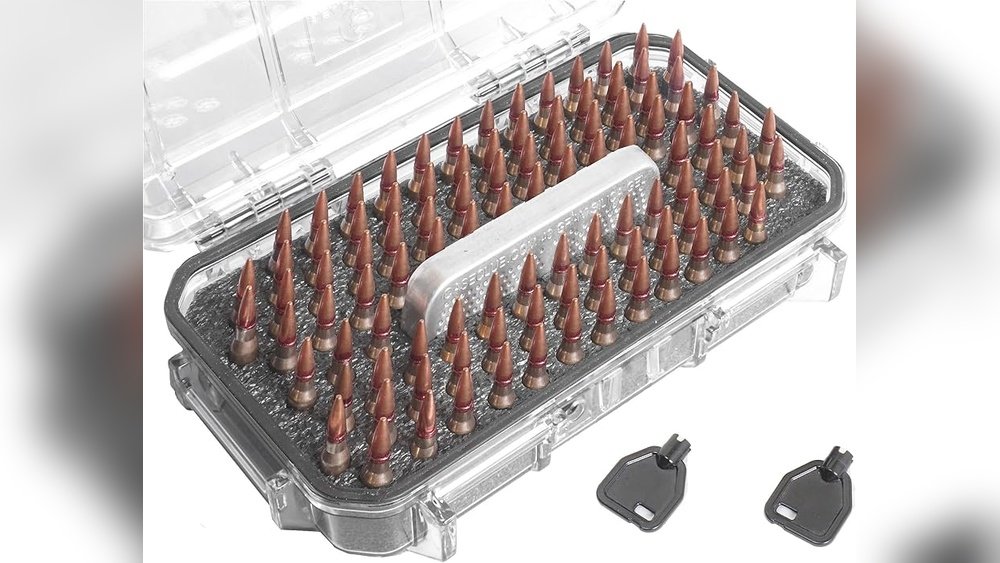
Ammo in sealed, airtight containers resists moisture and air better. Good packaging slows down corrosion and deterioration.
Original factory boxes or metal tins offer decent protection. Plastic bags alone do not protect well against humidity.
Using desiccants inside containers helps absorb moisture. Proper packaging extends ammo shelf life significantly.
Environmental Exposure Risks
Exposure to sunlight can heat ammo and cause damage. UV rays may weaken cartridge components over time.
Contact with chemicals, oil, or dirt harms ammo integrity. Contaminants can cause misfires or jams during use.
Ammo stored near water sources or in damp basements faces higher risk of rust. Safe storage areas prevent environmental harm.
Testing Ammo Performance Safely
Testing ammo performance safely is important before using old .223 rounds. It helps avoid accidents and ensures reliable shooting. Follow safe steps to check if the ammo still works well after long storage. Never skip safety during testing. A careful approach protects you and others around.
Conducting A Function Test
Start with a function test using your firearm. Load a few rounds and fire them at a safe range. Watch for any misfires, jams, or unusual behavior. This test shows if the ammo feeds and fires properly. Use only a small amount of ammo for this test. Stop immediately if you notice any problems.
Using A Chronograph
A chronograph measures bullet speed. It helps check if the ammo still produces consistent velocity. Set up the chronograph at the shooting range. Shoot several rounds through it and record the speeds. Compare the results to factory specs or fresh ammo. Large speed differences may mean the ammo is old or degraded.
Safety Precautions During Testing
Always wear eye and ear protection during testing. Keep your firearm pointed in a safe direction. Test ammo only at a controlled shooting range. Inspect each cartridge before loading. Look for corrosion, dents, or damage. Do not use ammo that looks questionable. Follow all range rules and local laws for ammo testing.
When To Dispose Of Old Ammo
Knowing when to dispose of old .223 ammo is important for safety. Ammo that is no longer good can cause problems. It may not fire correctly or could be dangerous. Properly checking and deciding when to get rid of old ammo keeps you safe and protects your gear.
Identifying Unsafe Ammo
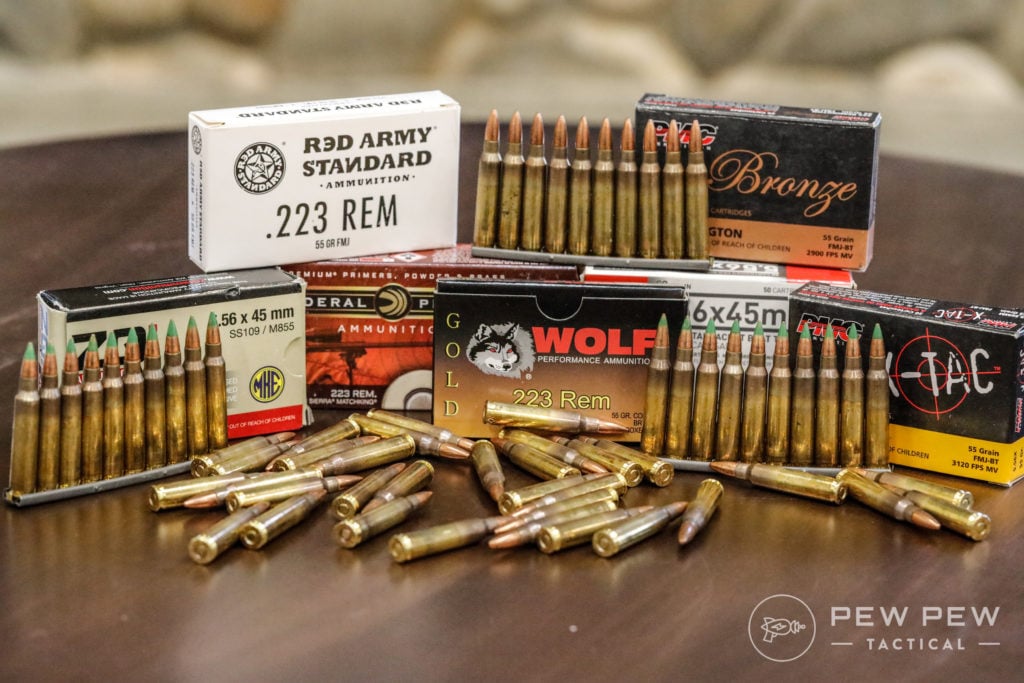
Look closely at the ammo before use. Bullets with corrosion, rust, or dents are unsafe. Check for cracks in the casing or powder leakage. Bullets that are wet or have a strange smell should be discarded. Also, ammo that is very old and stored poorly may be unsafe.
Proper Disposal Methods
Do not throw old ammo in the trash. Take it to a local shooting range or police station. Many places offer ammo disposal services. You can also contact hazardous waste facilities. Always follow safe handling rules when transporting old ammo.
Legal Considerations
Different areas have laws about ammo disposal. Some places require special handling or permits. Check local rules before disposing of ammo. Following the law helps avoid fines and legal trouble. Always use official disposal sites or services approved by authorities.
Tips For Extending Ammo Shelf Life
Extending the shelf life of your .223 ammo keeps it reliable and safe for use. Proper care stops damage from moisture, heat, and other risks. Simple habits help preserve ammo quality over time. These tips make your stored ammo last longer and perform better.
Ideal Storage Practices
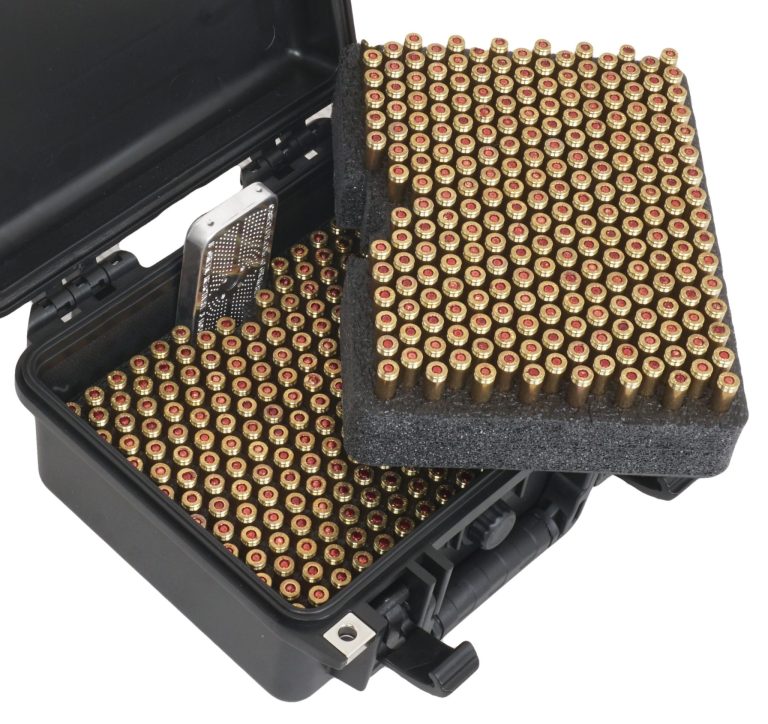
Store ammo in a cool, dry place. Avoid spots with high humidity or extreme temperatures. A metal or plastic ammo box with a tight lid works well. Keep ammo off the ground to prevent moisture absorption. Avoid direct sunlight exposure to protect the powder and primer.
Regular Ammo Maintenance
Check your ammo every few months. Look for signs of corrosion, rust, or damage. Clean any dirt or residue gently with a dry cloth. Rotate older ammo to the front of your storage. Use the oldest ammo first to maintain freshness.
Using Desiccants And Sealants
Place silica gel packs inside ammo containers. These absorb moisture and reduce humidity. Consider sealing ammo boxes with weatherproof tape. This blocks out air and water vapor. These steps help keep your ammo dry and safe over long periods.
Frequently Asked Questions
How Can I Visually Inspect .223 Ammo For Quality?
Check for corrosion, dents, or discoloration on the casing and bullet. Damaged or rusted rounds should not be used. Properly stored ammo usually appears clean and intact.
Does Stored .223 Ammo Lose Effectiveness Over Time?
Yes, ammo can degrade due to moisture and temperature changes. However, well-sealed and stored. 223 ammo can remain effective for several years.
What Tests Confirm If .223 Ammo Is Still Good?
Perform a primer strike test or fire a few rounds in a safe setting. Consistent ignition and bullet velocity indicate good ammo condition.
How Does Storage Affect .223 Ammo Longevity?
Storing ammo in a cool, dry, airtight container prevents moisture and corrosion. Proper storage significantly extends the usable life of. 223 cartridges.
Conclusion
Checking your. 223 ammo after long storage is important. Look for rust, dents, or discoloration on the cartridges. Smell the powder for any odd odors that seem off. Test a few rounds safely to see if they fire properly. Store ammo in a cool, dry place to keep it fresh longer.
Taking these steps helps ensure your ammo works when you need it. Stay safe and keep your gear in good shape. Your careful checks will give you peace of mind.