If you own high-caliber ammo, you know how important it is to keep it safe and ready when you need it. But storing it the right way isn’t always simple.
Your ammo can lose power or even become unsafe if not stored properly over time. Imagine reaching for your ammo only to find it damaged or unusable—that’s the last thing you want. You’ll discover the best methods to store your high-caliber ammo for the long term.
By following these tips, you’ll protect your investment and ensure your ammo performs perfectly when it counts. Keep reading to learn how to safeguard your ammo like a pro.
Choosing Ammo For Storage
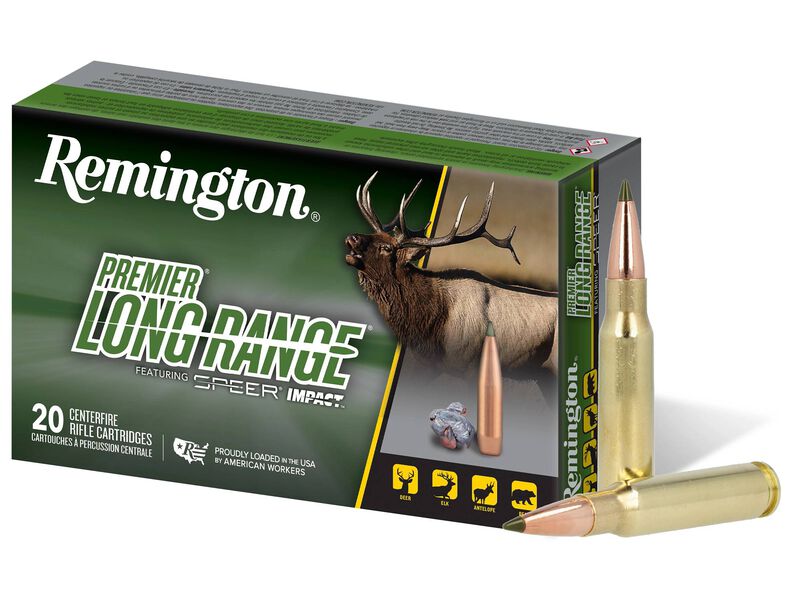
Choosing the right ammo for long-term storage is very important. The type of ammo affects how well it stays usable over time. This section covers key points to consider when selecting ammo for storage. These tips help keep your ammo safe and ready for use when needed.
Caliber Selection
Select calibers that you use often or are easy to find. Common calibers have better availability and usually cost less. Avoid rare calibers unless you have a specific need. Choose ammo that matches your firearms exactly. Proper caliber reduces wear on your guns and ensures safety.
Factory Vs Reloaded Ammo
Factory ammo is made under strict controls. It usually has consistent quality and lasts longer. Reloaded ammo can be cheaper but varies in quality. Choose reloaded ammo only from trusted sources. For long storage, factory ammo is often more reliable.
Inspecting Ammo Quality
Check each box of ammo before storing. Look for dents, corrosion, or discoloration on cartridges. Damaged ammo can cause malfunctions or be unsafe. Store ammo in a dry, cool place to keep it in good condition. Regularly inspect stored ammo to catch problems early.
Ideal Storage Conditions
Storing high-caliber ammo properly is key to keeping it safe and usable. The right conditions stop damage and keep ammo reliable. Small changes in storage can make a big difference over time.
Temperature Control
Keep ammo in a cool place, ideally between 55°F and 70°F. Avoid areas with sudden temperature changes. Heat can cause powder to degrade. Cold temperatures can also harm the casing and primer. A steady temperature helps preserve ammo quality.
Humidity Management
Humidity causes corrosion and rust on ammo. Aim for a humidity level below 50%. Use desiccants or moisture absorbers inside storage containers. Keep ammo in sealed containers to block moisture. Dry air keeps metal parts from breaking down.
Light Exposure
Direct light, especially sunlight, can damage ammo over time. UV rays break down the casing and powder. Store ammo in dark places or opaque containers. Avoid clear plastic boxes that let light in. Darkness helps keep ammo stable and long-lasting.
Storage Containers And Materials
Choosing the right containers and materials is key for storing high-caliber ammo safely. Proper storage prevents damage and keeps ammo ready for use. The right container protects against moisture, dirt, and physical harm.
Quality containers also help organize your ammo by type and size. This section covers the best options for long-term storage.
Ammo Cans And Boxes
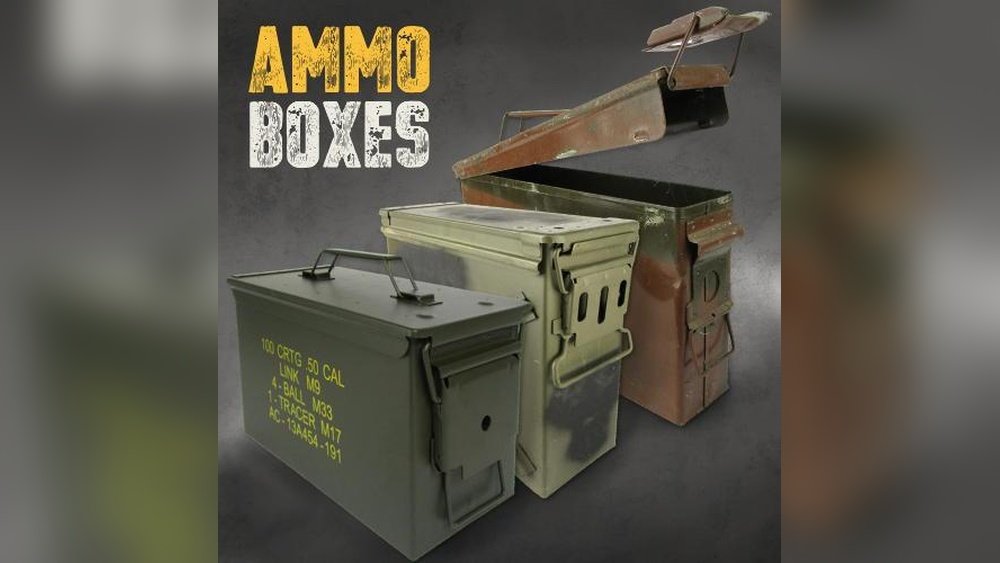
Ammo cans are sturdy metal boxes designed to hold ammunition securely. They offer excellent protection from outside elements. Many cans have rubber seals to keep moisture out.
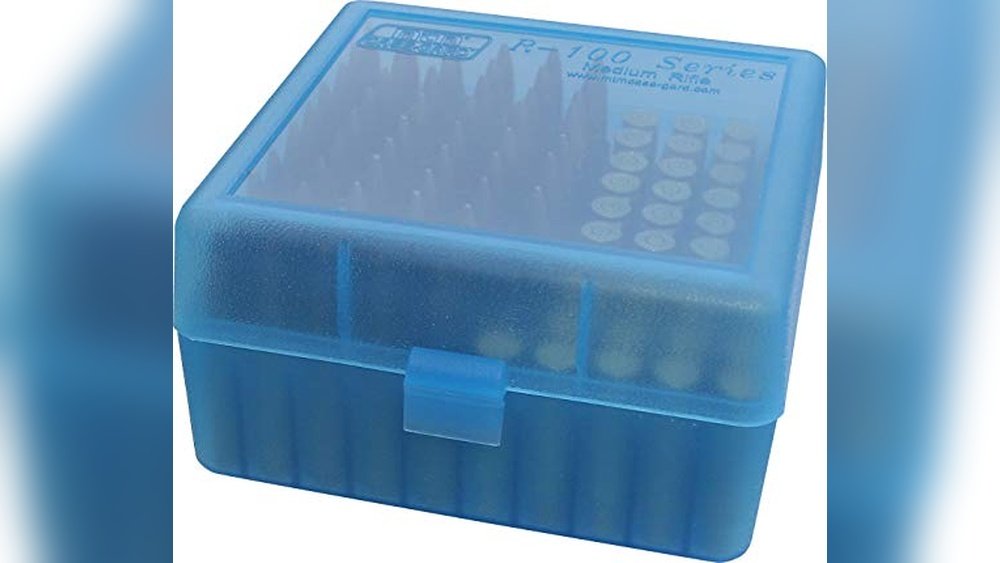
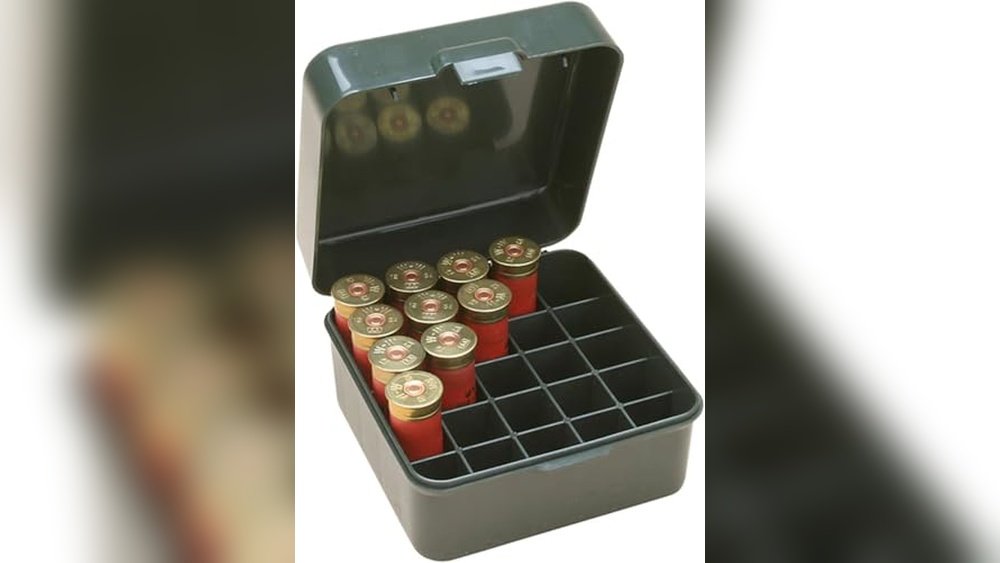
Plastic ammo boxes also work well and are lightweight. Look for ones with tight-fitting lids to block dust and water. Choose containers that fit your ammo size and quantity.
Sealing Techniques
Sealing ammo properly keeps air and moisture away. Use good-quality rubber gaskets or O-rings on container lids. Check seals regularly for cracks or wear.
For extra protection, wrap ammo in plastic or vacuum-seal bags before placing it in containers. This method limits exposure to air and humidity.
Desiccants And Moisture Absorbers
Desiccants absorb moisture inside ammo containers. Silica gel packets are common and easy to use. Replace them periodically to maintain dryness.
Other moisture absorbers include clay-based packs and activated charcoal. These help prevent rust and corrosion on ammo cases and bullets.
Organizing And Labeling
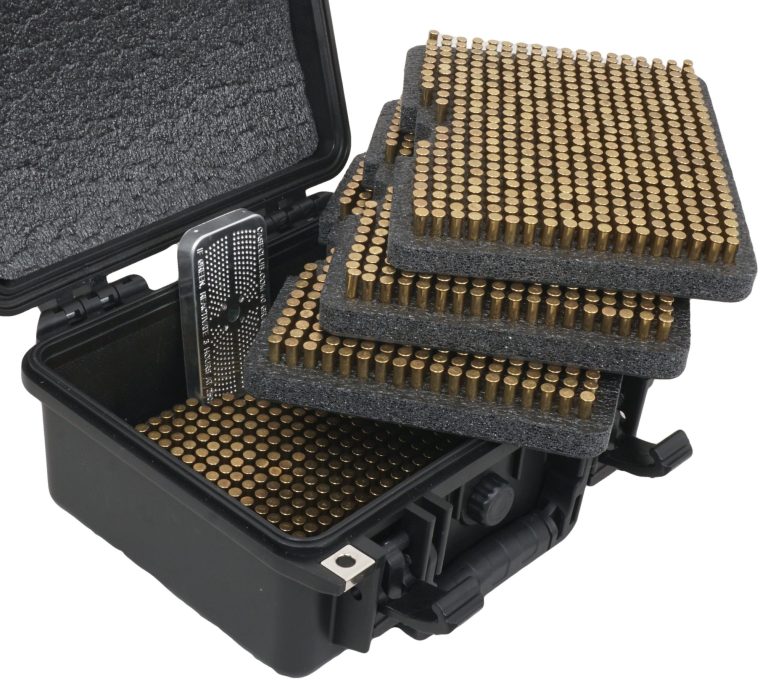
Keeping high-caliber ammo organized and well-labeled is key for long-term storage. Proper organization saves time and reduces errors. It helps you track ammo condition and usage easily. Clear labeling prevents confusion and ensures safety. Simple systems work best for managing your ammo stock.
Inventory Systems
Use a basic inventory system to list each ammo type. Record quantity, caliber, and storage location. Update the list every time you add or remove ammo. Paper logs or digital spreadsheets both work well. Regular checks keep your inventory accurate and reliable.
Date And Batch Tracking
Label ammo boxes with purchase or manufacture dates. Include batch numbers for precise tracking. This helps identify older ammo to use first. It also aids in spotting any quality issues. Clear date and batch info make rotation easier.
Safe Handling Practices
Label ammo containers with clear safety warnings. Store ammo away from heat and moisture. Handle boxes gently to avoid damage. Wear gloves if needed to keep ammo clean. Safety labels remind everyone to handle ammo carefully.
Periodic Maintenance
Periodic maintenance is key to keeping high-caliber ammo safe and ready. Proper care stops damage and keeps your rounds reliable. Setting a schedule for checks can save you from future problems. This process helps spot issues early and extends ammo life.
Regular Inspections
Check your stored ammo at least twice a year. Look for corrosion, dents, or discoloration on the cartridges. Inspect the storage container for moisture or pests. Remove any damaged rounds immediately to avoid risk. Keep the storage area clean and dry always.
Testing Ammo Reliability
Test a small number of rounds to ensure they fire well. Use a safe range and follow all safety rules. Note any misfires, squibs, or unusual behavior. Replace ammo that shows signs of failure. Regular testing builds confidence in your stored supply.
Reconditioning Stored Ammo
Cleaning brass cases can improve ammo performance. Use safe methods to remove dirt and corrosion gently. Avoid harsh chemicals that can damage primers or powder. Re-lubricate primers lightly if needed. Proper reconditioning can restore older ammo to good condition.
Legal And Safety Considerations
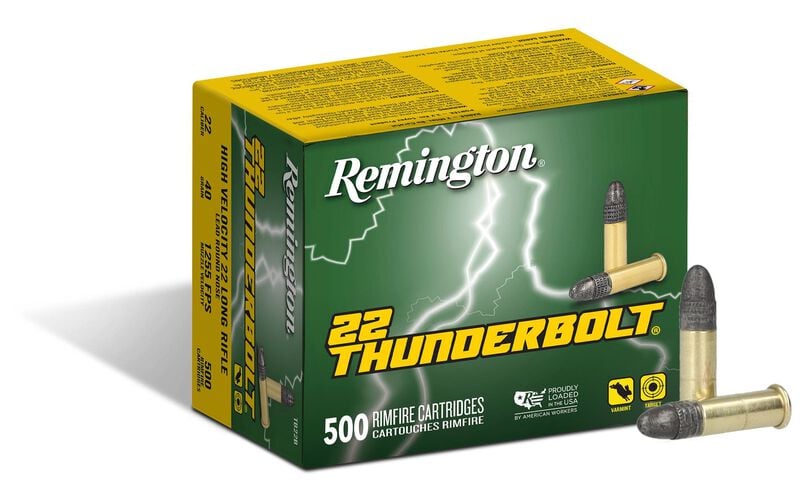
Storing high-caliber ammo for a long time requires careful attention to legal rules and safety. Proper storage protects people and property from accidents. It also ensures compliance with laws. Understanding these considerations helps avoid serious problems and keeps ammunition in good condition.
Storage Regulations
Different places have different laws for storing ammo. Some states limit the amount you can keep at home. Others require special permits or storage methods. Always check local laws before storing high-caliber ammo. Follow all rules to stay safe and legal.
Safe Storage Locations
Store ammo in cool, dry places away from heat and moisture. Use locked containers or safes designed for ammunition. Keep ammo out of reach of children and unauthorized people. Avoid storing near flammable materials or open flames. Choose places with stable temperatures to prevent damage.
Emergency Preparedness
Plan for emergencies like fires or floods. Use fireproof and waterproof storage options. Keep a list of your ammo and its location. Share emergency plans with family or trusted people. Regularly check storage conditions to ensure safety and readiness.
Frequently Asked Questions
How Should I Store High-caliber Ammo Long-term?
Store high-caliber ammo in a cool, dry place with low humidity. Use airtight containers or ammo cans with desiccants to prevent moisture damage and corrosion. Avoid exposure to direct sunlight and temperature extremes for best preservation.
What Materials Best Protect Ammo During Storage?
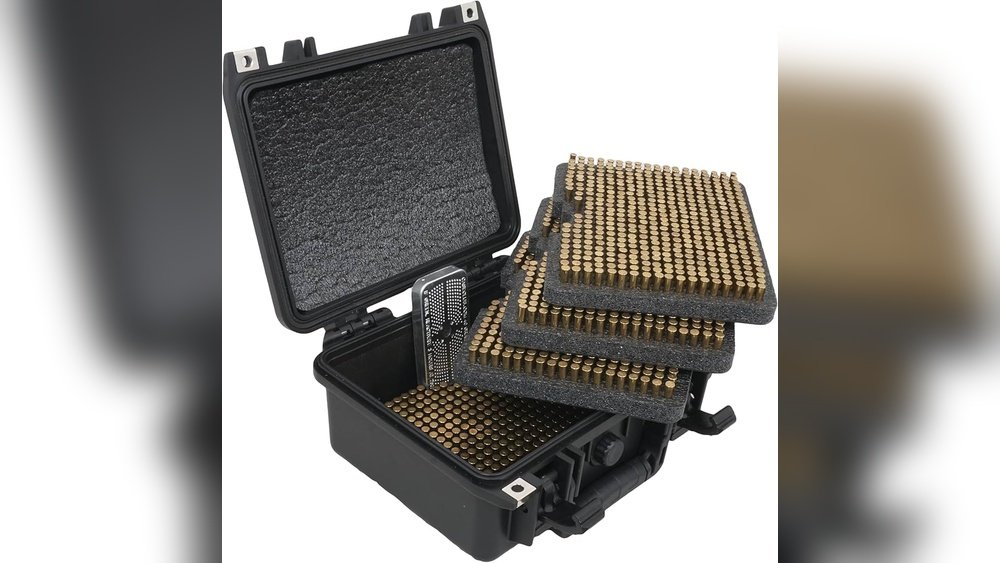
Steel or plastic ammo cans with rubber gaskets offer excellent protection. These containers keep moisture and air out, preserving the ammo’s integrity. Adding silica gel packs further reduces humidity inside the storage container.
How Often Should I Inspect Stored High-caliber Ammo?
Inspect stored ammo every 6 to 12 months for signs of corrosion or damage. Check seals on storage containers and replace desiccants as needed. Regular inspection ensures your ammo remains safe and reliable for future use.
Can Temperature Fluctuations Affect Ammo Quality?
Yes, frequent temperature changes can cause condensation, leading to corrosion. Keep ammo storage areas temperature-stable and avoid places with large daily temperature swings to maintain ammo quality and safety.
Conclusion
Storing high-caliber ammo safely keeps it ready for use anytime. Choose a cool, dry place to avoid damage. Use airtight containers to stop moisture and rust. Regularly check your stock for signs of wear or corrosion. Keep ammo away from extreme heat or direct sunlight.
Label your storage to find what you need fast. Good storage protects your investment and ensures safety. Remember, simple steps make a big difference over time. Safe storage means reliable ammo when you need it most.