Have you ever wondered if your ammo could explode just by being stored the wrong way? It’s a question that might not cross your mind every day, but it’s one you should never ignore.
How you handle and store your ammunition can make a huge difference in safety—not just for you but for everyone around you. Keep reading to discover the surprising facts about ammo storage, the risks you might not be aware of, and simple steps you can take right now to protect yourself and your loved ones.
Don’t let a small mistake turn into a big danger. Your safety starts with the way you store your ammo.

Ammo Basics
Ammunition, or ammo, is a key part of firearms. Knowing its basics helps understand its risks. Safe storage depends on knowing what ammo is made of and how it works.
Ammo is not just a bullet. It has several parts that work together to fire a shot. Each part plays a role in safety and function.
What Ammo Is Made Of
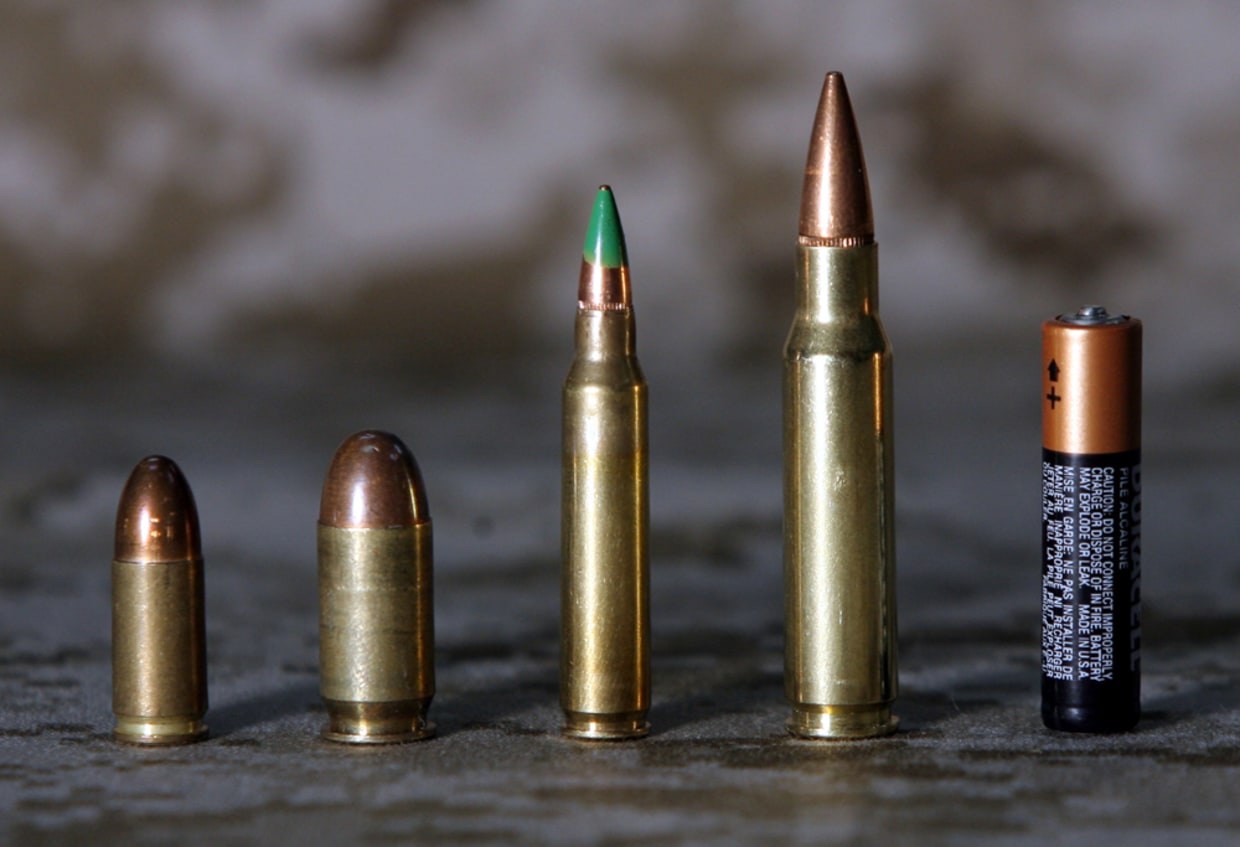
Ammo usually has four parts. The bullet is the metal piece that shoots out. The casing holds everything together. Inside, the gunpowder burns fast to create pressure. The primer ignites the gunpowder when hit.
Each material must be kept dry and cool. Heat or moisture can damage them. This damage can cause ammo to misfire or even explode.
How Ammo Functions
When the trigger is pulled, the firing pin hits the primer. The primer sparks and lights the gunpowder. The burning gunpowder creates gas that pushes the bullet out. This happens in milliseconds.
Proper storage keeps ammo stable. If ammo is stored badly, the primer or powder can become unstable. This can make the ammo dangerous to handle or use.

Storage Risks
Storing ammunition incorrectly can cause serious problems. It may lead to damage or even accidental explosions. Knowing the risks helps keep you and others safe.
Common Storage Mistakes
Many people store ammo in places that are too hot or damp. Storing ammo near chemicals or open flames is very risky. Using containers that are not airtight lets moisture in. Old or damaged boxes can break and expose the ammo. Mixing different types of ammo in one place can cause confusion and accidents. Storing ammo where children or pets can reach it is dangerous.
Environmental Factors
Heat is a major enemy of ammo safety. High temperatures can cause the powder inside to degrade or ignite. Humidity causes rust on the metal parts of bullets and casings. Rust weakens ammo and can cause misfires or explosions. Sunlight can heat ammo containers quickly, raising internal temperatures. Cold weather may not damage ammo but can affect performance. Proper ventilation and climate control reduce these risks greatly.
Explosion Triggers
Ammo can explode if stored the wrong way. Certain triggers can cause this dangerous event. Understanding these triggers helps keep ammo safe. Three main causes can set off an explosion: heat exposure, physical damage, and chemical reactions.
Heat Exposure
High temperatures make ammo unstable. Heat can cause the gunpowder inside to ignite. Leaving ammo in a hot car or near a fire is risky. Even direct sunlight for a long time can heat the rounds. This heat builds pressure inside the casing. Eventually, the ammo may explode or leak.
Physical Damage
Ammo is sensitive to strong impacts or drops. Crushing, bending, or striking ammo can harm its structure. A damaged round may ignite unexpectedly. Mishandling ammo during transport or storage raises this risk. Always handle ammo gently and avoid rough places.
Chemical Reactions
Certain chemicals can react with ammo components. Moisture causes corrosion on metal parts and primer. Corroded ammo becomes unstable and prone to explosion. Mixing ammo with household chemicals or fuels is dangerous. Store ammo in a dry, clean place away from chemicals.
Safety Tips
Storing ammo safely is very important. Proper care stops accidents and keeps everyone safe. Follow safety tips to handle and store ammo correctly. These tips reduce the chance of ammo exploding or causing harm.
Ideal Storage Conditions
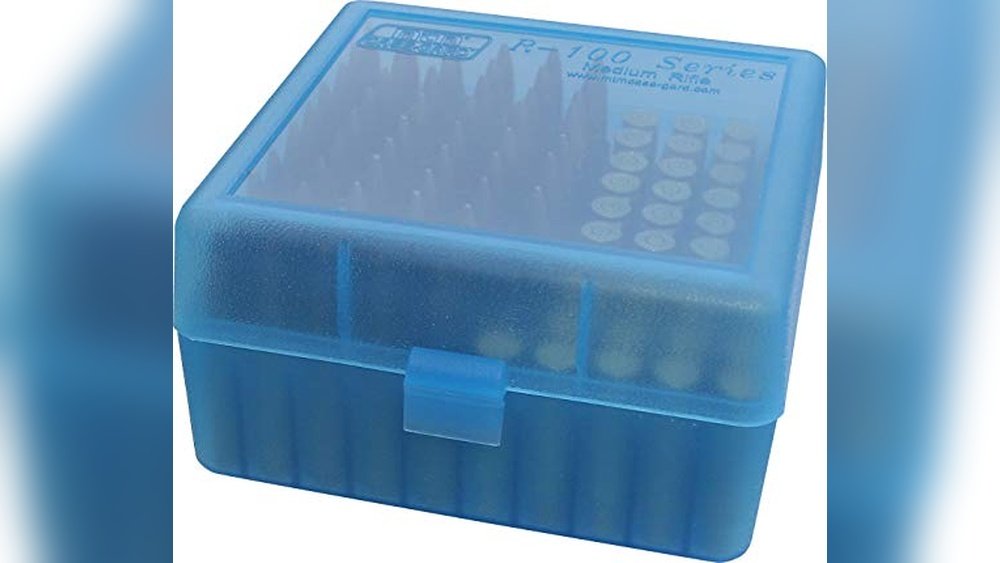
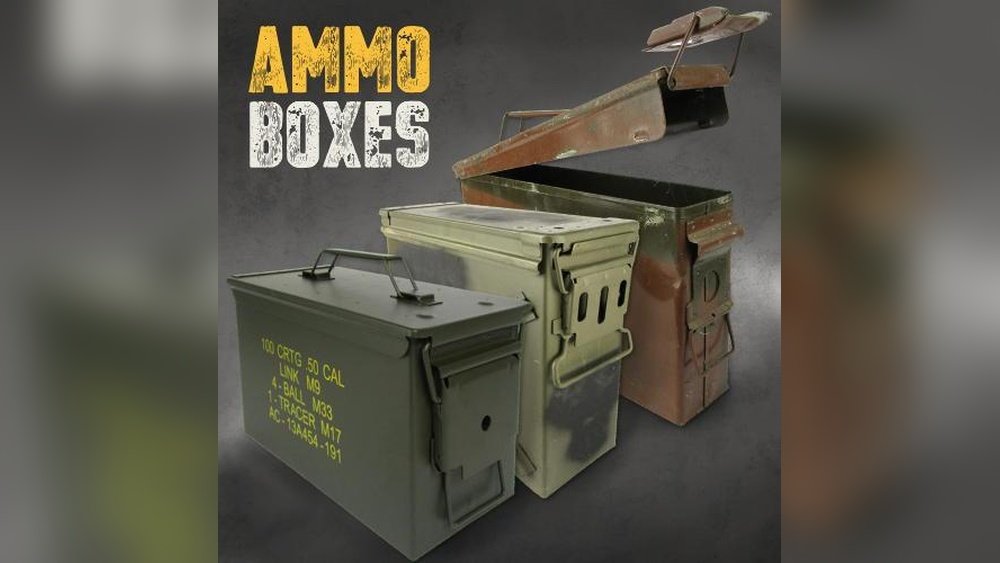
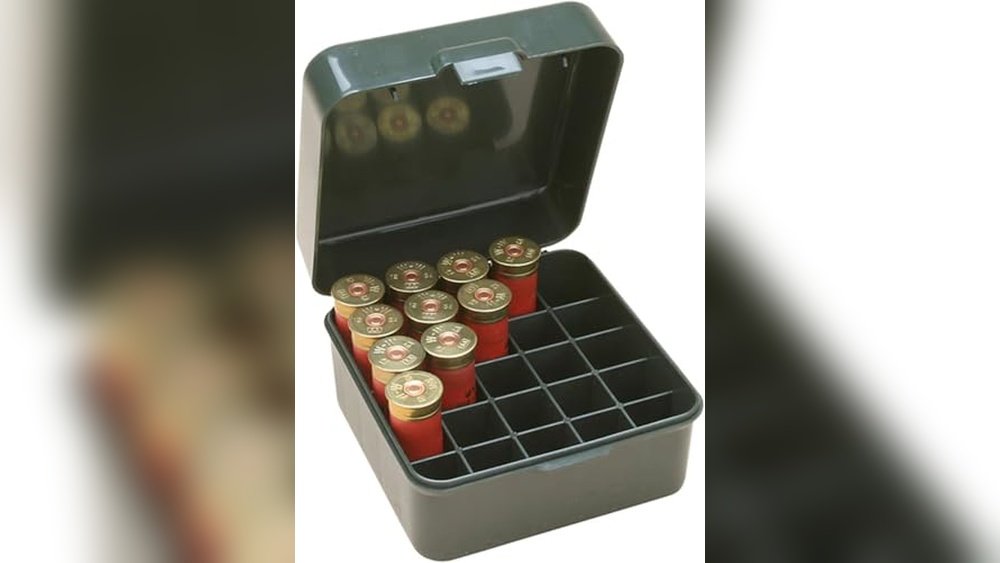
Keep ammo in a cool, dry place. Heat can cause ammo to degrade or explode. Avoid places with high humidity to stop rust and damage. Store ammo in a locked container to prevent unauthorized access. Use original packaging or special ammo boxes for extra safety. Keep ammo away from direct sunlight and heat sources.
Handling Guidelines
Handle ammo gently to avoid damage. Do not drop or hit bullets hard. Check ammo regularly for signs of damage or corrosion. Dispose of old or damaged ammo safely and legally. Always wash hands after handling ammo to remove residues. Never mix different types or brands in the same container.
Emergency Response
Emergency situations involving ammunition require quick and calm action. Ammo can ignite or explode if stored improperly, creating serious dangers. Knowing how to respond can save lives and reduce damage.
Being prepared helps you act fast and keep yourself and others safe. Keep these key points in mind for emergencies related to ammunition.
What To Do If Ammo Ignites
Move away from the ammo immediately. Do not try to pick it up or move it by hand. Call emergency services right away. Warn others to stay clear of the area. Use a fire extinguisher only if trained and safe to do so. Do not use water on burning ammo. Wait for professionals to handle the situation.
Preventing Accidents
Store ammo in a cool, dry place away from heat and sparks. Use a locked container designed for ammunition. Keep ammo separate from firearms. Avoid storing large amounts in one place. Regularly check for signs of damage or corrosion. Follow manufacturer guidelines for storage and handling. These steps greatly reduce the risk of accidents.
Frequently Asked Questions
Can Ammo Explode If Stored In High Temperatures?
Yes, storing ammo in high heat can increase explosion risk. Heat can degrade gunpowder and primers, causing instability. Always keep ammo in a cool, dry place to prevent accidents and maintain performance.
Does Moisture Affect Ammo Safety During Storage?
Moisture can damage ammo by causing corrosion and primer failure. Wet conditions can lead to misfires or dangerous malfunctions. Store ammo in airtight, moisture-proof containers to ensure safety and reliability.
What Storage Methods Prevent Ammo From Exploding?
Use cool, dry environments with stable temperatures for storage. Keep ammo in sealed containers to avoid moisture and contamination. Proper storage extends ammo life and reduces explosion risk.
Can Old Or Expired Ammo Explode Unexpectedly?
Old ammo is more prone to misfires and instability due to degraded components. While unlikely to explode spontaneously, it can malfunction dangerously. Dispose of expired ammo safely and avoid using it.
Conclusion
Ammo can be dangerous if not stored the right way. Heat, moisture, and pressure can cause it to explode. Keep ammo in a cool, dry place away from direct sunlight. Use proper containers designed for ammunition storage. Check your ammo regularly for signs of damage or corrosion.
Safe storage protects you, your family, and your property. Always treat ammo with care and respect. Safety first—always.