When it comes to storing your ammunition, extreme temperatures can be a hidden enemy that threatens its reliability and safety. You might not realize how much heat or cold can affect your rounds until it’s too late.
But don’t worry—knowing the right steps to protect your ammo can save you from costly mistakes and dangerous situations. You’ll discover simple, effective ways to keep your ammunition in top shape, no matter the weather outside. Keep reading to ensure your ammo is always ready when you need it most.

Safe Storage Basics
Storing ammunition safely is important, especially in extreme temperatures. Proper storage keeps ammo reliable and prevents damage. Understanding the basics helps protect your investment and ensures your ammo works when needed.
Choosing The Right Container
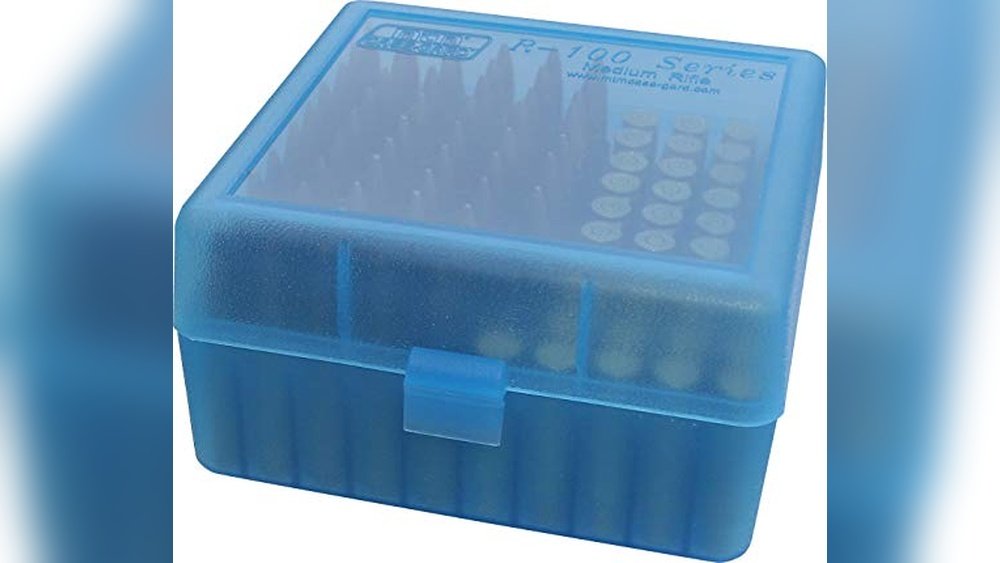
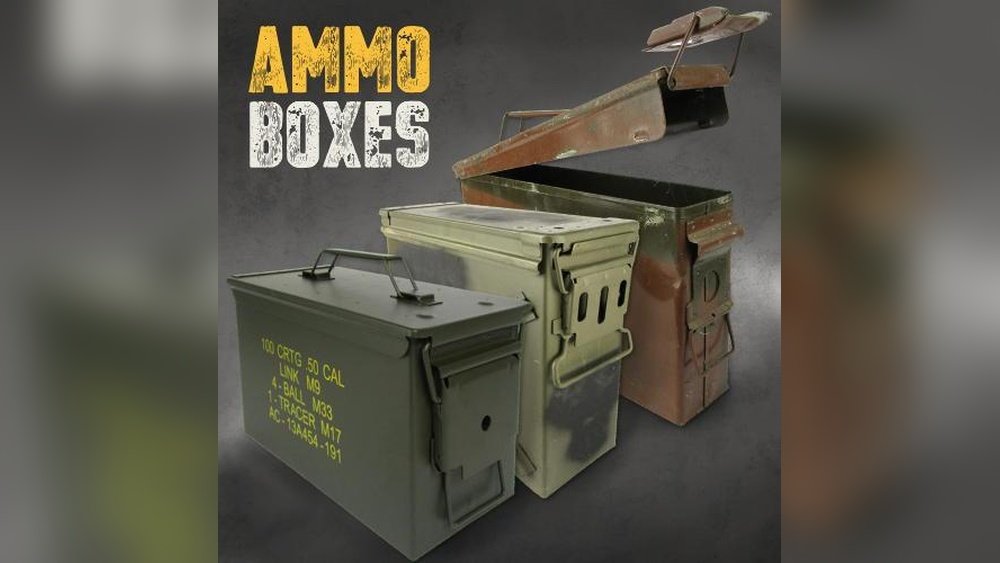
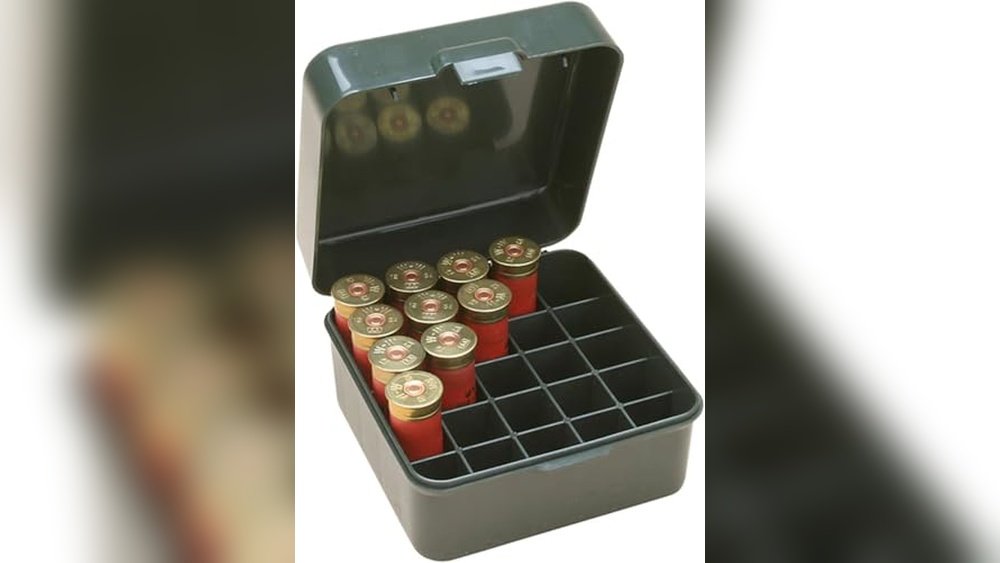
Pick containers made of metal or hard plastic. These materials protect ammo from physical damage. Look for containers with tight seals to keep out dirt and moisture. Ammo cans with rubber gaskets work well. Avoid cardboard boxes as they absorb moisture and break down easily.
Importance Of Dryness
Moisture can ruin ammunition quickly. Keep ammo dry at all times. Use silica gel packs inside containers to absorb humidity. Store containers in a place with low humidity. Check moisture levels regularly to prevent rust and corrosion. Dry ammo lasts longer and performs better.
Temperature Considerations
Extreme heat can weaken gunpowder inside bullets. Avoid direct sunlight and hot storage areas. Cold temperatures may cause condensation inside containers. Store ammo in a stable temperature environment. Aim for cool, dry places that do not fluctuate wildly. Proper temperature helps maintain ammo quality and safety.
Storing Ammunition In Heat
Storing ammunition in heat needs special care. High temperatures can harm the ammo’s quality and safety. Heat causes the gunpowder inside the cartridges to degrade faster. This leads to misfires or poor performance when shooting. Proper storage helps keep ammo reliable and safe.
Avoiding Heat Damage
Keep ammunition away from direct sunlight. Sunlight raises the temperature inside storage areas. Avoid places like attics, car trunks, or near heaters. Heat can cause the metal cases to expand and weaken. Store ammo in cool, dry places to prevent damage. Check your ammo regularly for signs of corrosion or swelling.
Ideal Storage Locations
Basements or underground rooms stay cooler than other parts of a house. Closets inside air-conditioned rooms work well too. Use sealed containers to protect ammo from humidity and heat. Metal ammo boxes or plastic containers with tight lids are best. Keep the storage area well-ventilated to avoid heat buildup.
Using Cooling Solutions
Small coolers or insulated bags can help during hot weather. Place cold packs near the ammo but not touching it. Electronic cooling devices like portable air conditioners work for larger storage rooms. Avoid freezing ammo; cold can also damage it. Regularly monitor the temperature to ensure it stays stable.
Storing Ammunition In Cold
Storing ammunition in cold weather requires special care. Low temperatures can affect the performance and safety of your ammo. Moisture and freezing can cause damage. Proper storage helps keep ammunition reliable and ready to use. Follow these tips to protect your ammo in cold conditions.
Preventing Freezing Effects
Freezing can cause moisture inside ammo to expand. This damages the casing and powder inside. Store ammunition in airtight containers to block moisture. Use desiccant packs to absorb any dampness. Keep ammo off cold floors and walls. Avoid storing ammo outdoors or in unheated spaces.
Humidity Control
Cold air often holds little moisture but condensation can form. This causes rust and corrosion. Use a dehumidifier in storage rooms to control humidity. Silica gel packets help keep ammo dry inside boxes. Check ammo regularly for signs of rust or dampness. Good ventilation also prevents moisture buildup.
Warming Techniques Before Use
Cold ammo can misfire or perform poorly. Warm up your ammunition slowly before use. Bring it inside from cold storage a few hours early. Avoid sudden temperature changes to prevent condensation. Store ammo in a cool, dry place near your shooting area. Proper warming improves reliability and safety.

Handling And Inspection
Handling and inspecting ammunition stored in extreme temperatures is crucial for safety and performance. Ammunition can degrade faster under harsh conditions. Regular checks help spot problems early. Proper handling prevents accidents and damage.
Regular Inspection Tips
Check your ammunition often. Look for rust, corrosion, or discoloration. Keep rounds in a dry place during inspection. Use a clean cloth to wipe off dust and dirt. Store ammo away from direct sunlight and moisture. Keep a log of inspection dates and findings.
Signs Of Damage
Look for cracks on the casing or bullet. Bulges or dents can mean internal damage. Corrosion appears as green or white powder. Sticky or oily residue is a warning sign. Damaged primers or loose bullets need immediate attention. Do not use ammo showing these signs.
Safe Handling Practices
Always handle ammunition with clean, dry hands. Avoid dropping or striking rounds. Store ammo in a sturdy, sealed container. Keep it away from heat sources and flames. Separate different types of ammo to avoid mix-ups. Use safety glasses during inspection and handling.
Long-term Storage Strategies
Storing ammunition for a long time in extreme temperatures needs careful planning. The goal is to keep the ammo dry and safe. Proper methods help keep the ammo reliable and ready to use. Long-term storage can avoid damage and prevent failures.
Vacuum Sealing Options
Vacuum sealing removes air and moisture from the package. This stops rust and corrosion on the bullets and casings. Use strong vacuum bags made for heavy-duty storage. Seal the ammo tightly to keep out humidity. Vacuum sealing also helps keep the ammo stable in cold or hot places.
Using Desiccants
Desiccants absorb moisture inside ammo containers. Silica gel packs are common and easy to find. Place them with the ammunition to reduce humidity. Change desiccants regularly to keep them effective. This method helps prevent rust and powder degradation. Desiccants work well with sealed containers or boxes.
Rotation And Usage
Use older ammunition first to keep stock fresh. Mark the dates on ammo boxes for easy tracking. Rotate ammo regularly to avoid long storage times. Regular use helps ensure reliability in extreme conditions. Check ammo for signs of damage before use. Proper rotation extends the life of your ammunition.
Frequently Asked Questions
How Does Extreme Heat Affect Ammunition Storage?
Extreme heat can cause ammunition to deteriorate faster. It may lead to powder degradation and primer failure. Always store ammo in a cool, dry place to maintain reliability and safety.
Can Cold Temperatures Damage Ammunition Performance?
Cold temperatures can reduce gunpowder effectiveness temporarily. However, it usually doesn’t cause permanent damage if ammo is stored properly. Allow ammo to warm before use in freezing conditions.
What’s The Best Container For Ammo In Harsh Climates?
Use airtight, waterproof containers with desiccants to prevent moisture damage. Metal or heavy-duty plastic cases work well. Proper sealing protects ammo from temperature and humidity fluctuations.
How Often Should I Check Ammo Stored In Extreme Conditions?
Inspect stored ammo every 3 to 6 months for signs of corrosion or damage. Regular checks help ensure safety and reliability when using ammunition stored in extreme environments.
Conclusion
Storing ammunition safely in extreme temperatures is very important. Keep ammo dry and cool when possible. Use sealed containers to protect from moisture and heat. Check ammo often for any damage or rust. Avoid direct sunlight and places with big temperature changes.
Proper storage helps ammo last longer and work better. Simple steps can keep your ammo safe and ready. Stay careful and store ammunition with care always.