If you own a rifle safe, you already know how important it is to keep your firearms secure. But have you ever thought about how easy it might be for someone to just pick up your safe and walk away with it?
Bolting down your rifle safe is a simple step that can make a huge difference in protecting your valuables. You’ll learn exactly how to bolt down your rifle safe quickly and effectively. By the end, you’ll feel confident that your firearms are locked up tight and much harder for thieves to steal.
Keep reading to discover the easy steps you can take right now to boost your safe’s security.
Choosing The Right Location
Choosing the right location to bolt down your rifle safe is important for safety and convenience. The right spot keeps your safe secure and easy to use. Think about the floor type, traffic around the area, and how easy it is to reach the safe.
Assessing Floor Material
Check the floor where you want to place the safe. Concrete floors work best for bolting down safes. Wood floors are less stable and may need extra support. Avoid carpeted areas because bolts may not hold well there. A strong floor helps keep the safe steady and hard to move.
Avoiding High-traffic Areas
Pick a quiet corner or a room with little traffic. High-traffic areas risk accidental bumps or unwanted attention. A less busy spot keeps your safe more private and safe. It also reduces noise when opening or closing the safe.
Considering Accessibility
Make sure you can easily get to your safe. Place it where you can open it fully without obstacles. Quick access helps in emergencies or daily use. Avoid tight spaces or places blocked by furniture. Accessibility makes your safe both secure and practical.

Gathering Necessary Tools
Before bolting down a rifle safe, gathering the right tools is crucial. This step ensures the installation is secure and safe. Having all tools ready saves time and avoids interruptions during the process.
Tools vary depending on the safe type and floor material. Prepare carefully to avoid mistakes and ensure a strong hold.
Types Of Bolts And Anchors
Choose bolts that fit your safe’s size and weight. Lag bolts and concrete anchors are common choices. Lag bolts work well on wood floors. Concrete anchors suit concrete or masonry floors. Select heavy-duty anchors for extra security. Proper bolts keep the safe firmly in place.
Drills And Drill Bits
A powerful drill is essential for making holes. Use a cordless drill for easy handling. Pick drill bits matching the bolts and floor type. Masonry bits work for concrete floors. Wood bits are best for wooden floors. Correct drill bits prevent damage and ensure clean holes.
Safety Gear Essentials
Wear safety glasses to protect your eyes from debris. Use gloves to guard your hands during drilling. Ear protection helps reduce noise from drilling. Proper safety gear keeps you safe and comfortable. Never skip these essential precautions.
Preparing The Safe And Floor
Preparing the safe and floor is a vital step before bolting down a rifle safe. It ensures the safe stays secure and stable. Proper preparation helps avoid mistakes and saves time during installation. Follow these steps carefully to get the best results.
Cleaning The Installation Area
Clear the floor space where the safe will sit. Remove dust, dirt, and debris. A clean surface helps bolts hold tighter. Sweep or vacuum the area thoroughly. Check for any moisture that could weaken the floor or bolts. Dry the spot completely before moving on.
Marking Bolt Positions
Place the safe exactly where it will be installed. Use a pencil to mark bolt hole locations on the floor. Mark all holes clearly for easy drilling. Double-check the marks to ensure accuracy. Correct placement avoids alignment problems later.
Pre-drilling Holes
Select the right drill bit for the floor material. Concrete needs a masonry bit, wood requires a wood bit. Drill holes at the marked spots carefully. Make holes slightly deeper than the bolt length. Clean out dust from holes to help bolts fit well.
Bolt Down Techniques
Bolt down techniques are key to securing a rifle safe firmly to the floor. Properly bolting down your safe stops thieves from moving or stealing it. Various bolt types work better on different floors and safe models. Choosing the right bolts and installing them correctly ensures strong protection.
Below are common bolt down methods. Each uses a different type of bolt. Follow the steps carefully to secure your rifle safe.
Using Expansion Bolts
Expansion bolts work well on concrete floors. They expand inside the hole for a tight fit. Start by drilling a hole where you want to bolt. The hole size must match the bolt diameter exactly. Insert the expansion bolt into the hole. Tighten the bolt to expand the anchor inside the concrete. This creates a strong hold. Place the safe over the bolt holes before tightening. Expansion bolts resist pulling and twisting forces.
Installing Wedge Anchors
Wedge anchors provide a secure hold in solid concrete. Drill a hole deeper than the wedge anchor length. Clean the hole of dust and debris for better grip. Insert the wedge anchor into the hole. Tap it with a hammer to set the wedge. Place the safe over the hole and screw the nut on top. Tighten the nut to lock the wedge anchor in place. These bolts resist strong forces and keep the safe stable.
Securing With Lag Bolts
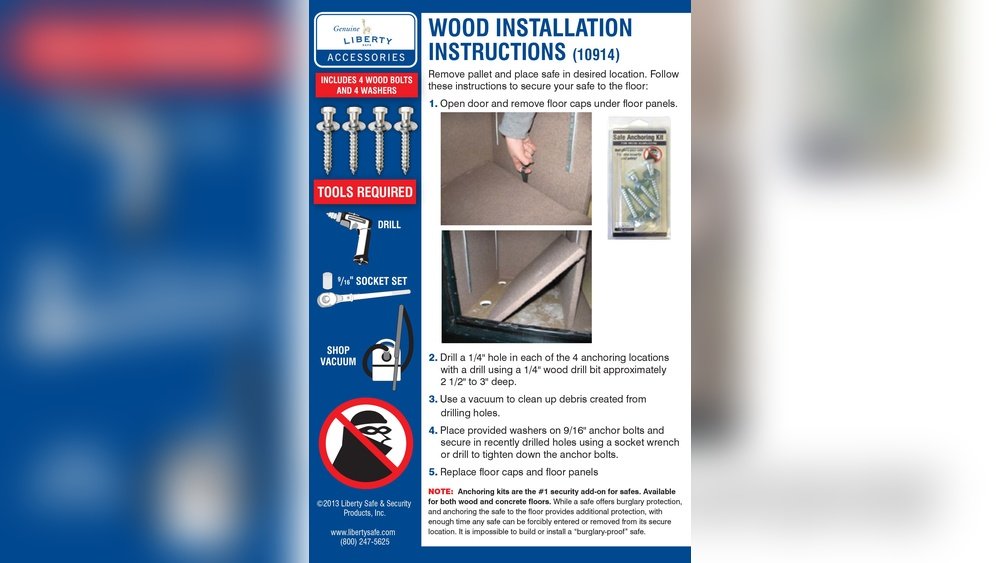
Lag bolts are ideal for wooden floors or platforms. Use a drill bit slightly smaller than the lag bolt. Drill pilot holes through the safe base and into the wood floor. Insert the lag bolt through the safe base into the pilot hole. Tighten the bolt with a wrench or socket. Lag bolts hold well in wood and reduce safe movement. Make sure bolts are long enough to reach deep into the wood.
Checking Stability
Checking the stability of your rifle safe after bolting it down is crucial. A secure safe keeps your firearms protected and prevents theft or accidents. Stability ensures the safe does not move or wobble, even if someone tries to force it open or move it.
This step requires careful attention. You want to confirm the bolts hold tight and the safe sits firmly in place. Testing movement and making adjustments improve security. Let’s explore how to check stability effectively.
Tightening Bolts Properly
Start by tightening each bolt firmly. Use a wrench to turn bolts until they feel snug. Avoid over-tightening to prevent damage to bolts or the floor. Tight bolts hold the safe steady and stop unwanted movement.
Testing Safe Movement
Push and pull the safe gently. Try rocking it side to side and front to back. The safe should not move or shift. If it wobbles, the bolts may be loose or the floor may not be even. Testing movement helps find weak spots.
Adjusting For Extra Security
Fix any wobble by tightening bolts further or adding washers. Place a sturdy base or metal plate under the safe if the floor is uneven. These adjustments increase the safe’s grip and prevent shifting. Extra security keeps your rifle safe where it belongs.

Additional Security Tips
Bolting down a rifle safe is just the first step to securing your firearms. Adding extra security layers can protect your safe from theft or tampering. These tips help increase the strength and safety of your safe setup.
Using Security Plates
Security plates add a strong barrier between the safe and the floor. They cover the bolt holes, making it hard to access the bolts. These plates are made from thick steel to resist cutting or drilling. Installing one makes it tough for thieves to remove the safe.
Anchoring To Walls Or Cabinets
Anchoring your safe to a wall or inside a cabinet adds more protection. Walls and cabinets offer extra support and make moving the safe difficult. Use heavy-duty bolts and screws to secure the safe firmly. This method stops thieves from dragging the safe away.
Combining With Alarm Systems
Alarm systems alert you if someone tries to tamper with your safe. Motion detectors or vibration sensors can trigger loud alarms. These alarms scare off intruders and notify you immediately. Pairing alarms with bolting increases your safe’s security.
Common Mistakes To Avoid
Bolting down a rifle safe secures your firearms and prevents theft. Mistakes during installation reduce safety and waste effort. Avoiding common errors ensures your safe stays firmly in place and protects your valuables.
Ignoring Floor Type
Not all floors are the same. Concrete, wood, and tile need different bolts and anchors. Bolting a safe into wood using concrete anchors will fail. Check your floor material before buying hardware. Choose bolts made for your floor type for strong hold.
Using Incorrect Hardware
Using the wrong bolts or anchors weakens your safe’s security. Short screws or thin bolts can pull out easily. Use heavy-duty, long bolts recommended by the safe manufacturer. Avoid cheap hardware from general stores. Proper tools keep your safe stable and secure.
Skipping Safety Precautions
Drilling into floors can be dangerous. Wires and pipes may run under the surface. Always check for hidden hazards before drilling. Wear safety glasses and gloves. Use a stud finder or scanner to avoid accidents. Safety protects you and your home.

Frequently Asked Questions
How Do I Bolt Down A Rifle Safe Securely?
To bolt down a rifle safe securely, use heavy-duty anchor bolts. Drill holes into a concrete or wooden floor. Align the safe’s pre-drilled holes with the drilled holes. Insert bolts and tighten them firmly to prevent movement or theft.
What Tools Are Needed To Bolt Down A Rifle Safe?
You need a power drill, masonry or wood drill bits, anchor bolts, a wrench, and a tape measure. These tools help ensure precise drilling and secure fastening of the safe to the floor.
Can I Bolt A Rifle Safe To A Wooden Floor?
Yes, you can bolt a rifle safe to a wooden floor. Use lag bolts or heavy-duty wood screws. Ensure the floor is sturdy enough to hold the safe and bolts securely.
Why Should I Bolt Down My Rifle Safe?
Bolting down your rifle safe prevents theft and accidental tipping. It adds an extra layer of security, especially if the safe is lightweight or placed on a vulnerable floor.
Conclusion
Bolting down a rifle safe adds important security to your home. It keeps your firearms safe from theft or accidents. Choose the right tools and follow clear steps for strong installation. Check the floor type before drilling holes. Tighten bolts firmly but avoid damage.
Regularly inspect the safe to ensure bolts stay secure. Taking these simple actions gives you peace of mind. Safe storage protects your family and valuables. Secure your rifle safe well and enjoy safer storage every day.