If you own antique ammo, you know it’s more than just old bullets—it’s a piece of history. But do you really know how to keep it safe?
Storing antique ammo incorrectly can be dangerous and can ruin its value. You want to protect both your collection and yourself. You’ll discover simple, effective ways to store your antique ammo safely. Keep reading to learn the secrets that every collector needs to know.
Your peace of mind and your prized collection depend on it.
Choosing The Right Storage Environment
Choosing the right storage environment is key for keeping antique ammo safe. Old ammunition can change or break down if stored poorly. Protecting it from damage helps keep its value and prevents accidents. Understanding the best conditions helps preserve your collection for many years.
Temperature And Humidity Control
Keep ammo in a cool place with steady temperatures. Avoid high heat that can cause powder to degrade. Low temperatures slow chemical changes and keep ammo stable.
Humidity must stay low. Moist air causes rust on metal cases and can weaken the ammo. Use a dehumidifier or silica gel packs to keep moisture out.
Avoiding Direct Sunlight
Sunlight adds heat and UV rays. These can break down the outer casing of ammo. Store ammo in dark or shaded areas.
Avoid windows or places where sunlight hits directly. This prevents fading and damage to labels on the ammo boxes.
Selecting A Secure Location
Choose a locked and secure spot to store your antique ammo. This keeps it safe from children and unauthorized people.
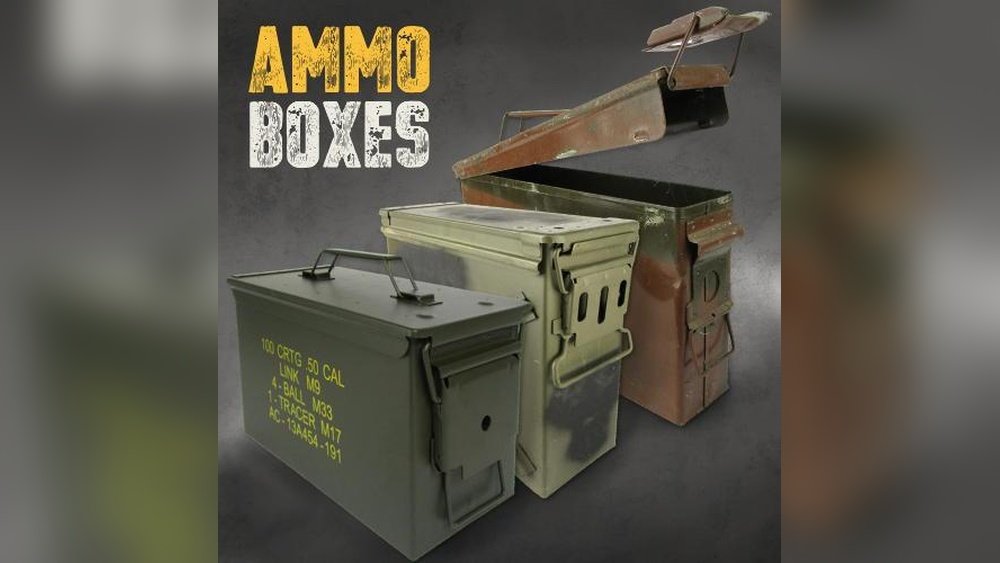
Use a strong metal cabinet or safe designed for ammo. Avoid damp basements or garages that can have temperature swings.
Proper Containers For Antique Ammo
Storing antique ammo requires careful choice of containers. The right container protects the ammo from damage and keeps it safe for years. Using proper containers prevents moisture, rust, and other hazards. This helps keep the ammo in good condition and maintains its value.
Using Airtight And Rust-resistant Boxes
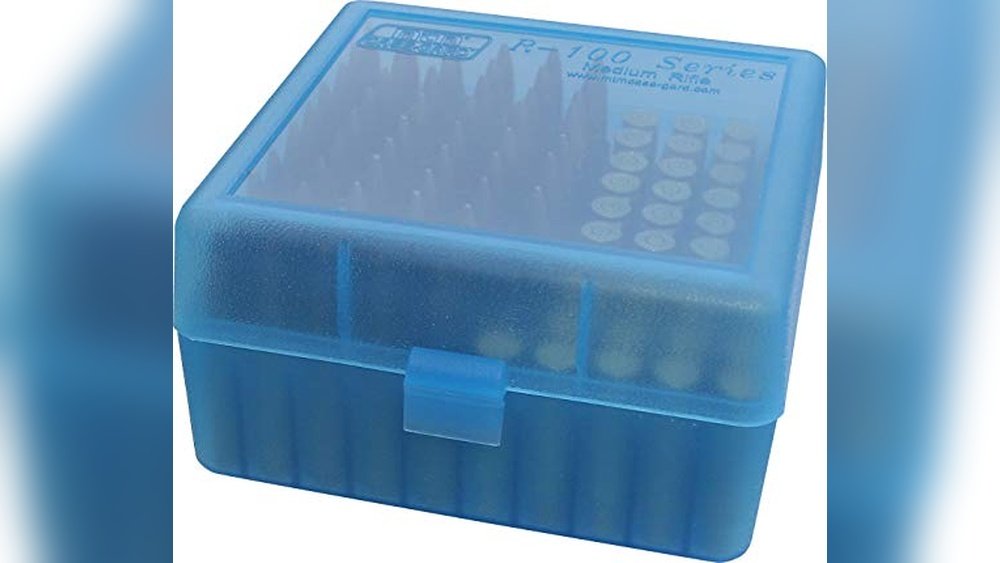
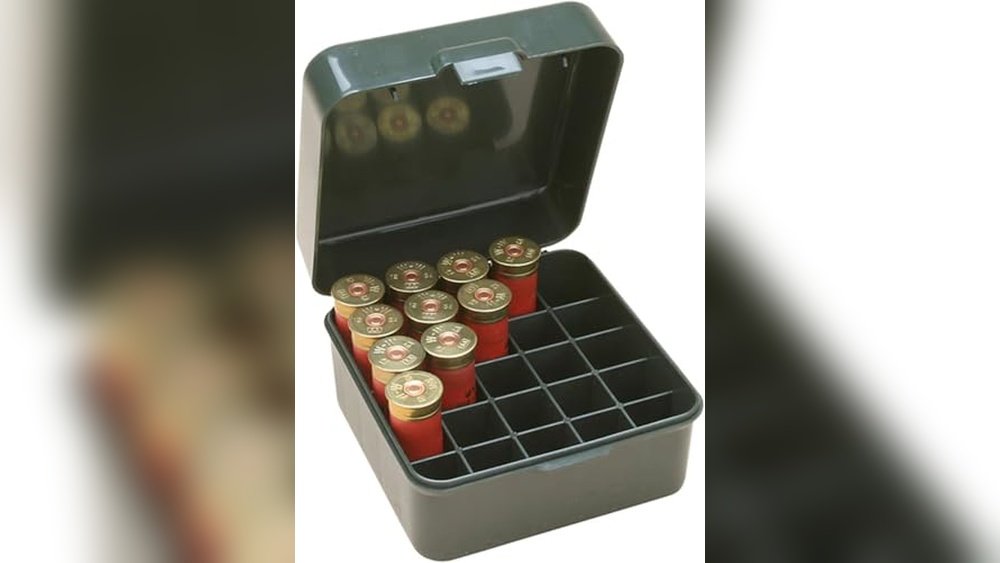
Airtight boxes stop moisture from reaching the ammo. Rust-resistant materials prevent corrosion on metal parts. Look for containers made of plastic or metal with sealed lids. These boxes create a dry environment and protect against air and water. Keep the boxes in a cool, dry place to avoid rust and damage.
Labeling And Organization Tips
Label each container clearly with the ammo type and date. Use waterproof labels or permanent markers. Organize ammo by caliber, age, or condition. This saves time and reduces handling risks. Store heavier boxes on lower shelves for safety. Proper labels help track your collection easily and avoid confusion.
Materials To Avoid
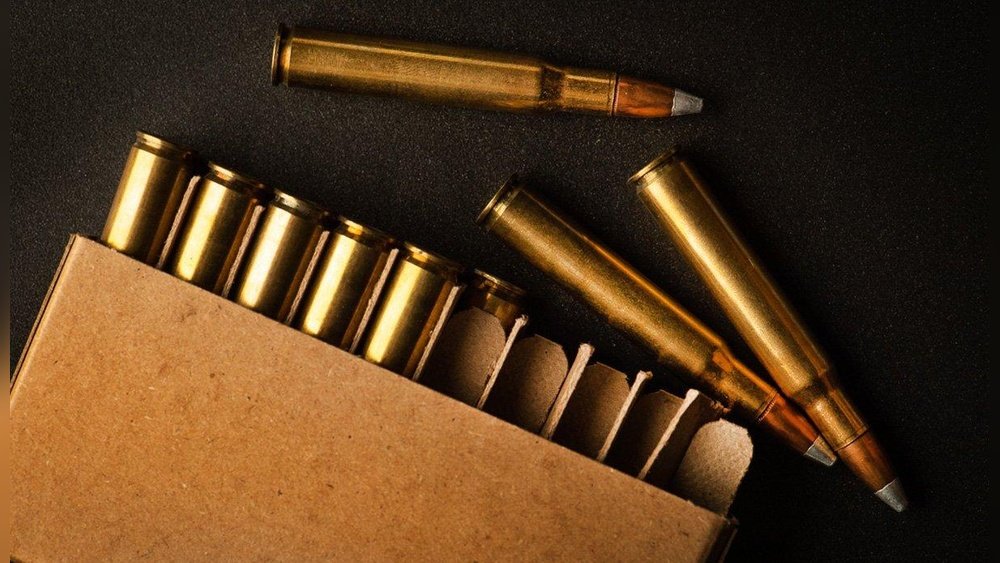
Avoid cardboard boxes as they absorb moisture and weaken over time. Do not use containers that rust easily, like thin steel. Avoid plastic bags that trap humidity and cause corrosion. Stay away from containers with acidic materials that harm metal and powder. Use only stable, non-reactive containers for long-term storage.
Handling And Safety Measures
Handling antique ammo requires great care. These items can be fragile and potentially dangerous. Proper safety measures protect both you and your collection. Follow strict rules to avoid accidents and damage. Treat every piece with respect and caution.
Wearing Protective Gear
Always wear gloves when touching old ammo. This protects your skin from harmful chemicals and lead. Use safety glasses to guard your eyes from dust or debris. A mask can prevent inhaling dust or powder. Protective gear keeps you safe during inspection and cleaning.
Safe Handling Practices
Handle each round gently and avoid dropping it. Keep ammo away from heat and flames. Do not try to disassemble or alter antique cartridges. Store them in a cool, dry place with low humidity. Use containers that prevent movement and avoid impact.
Keeping Ammo Away From Children And Pets
Store antique ammo in locked boxes or cabinets. Place these storage units out of reach of children and pets. Teach family members about the dangers of handling ammo. Never leave rounds unattended in common areas. Safety starts with careful and secure storage.
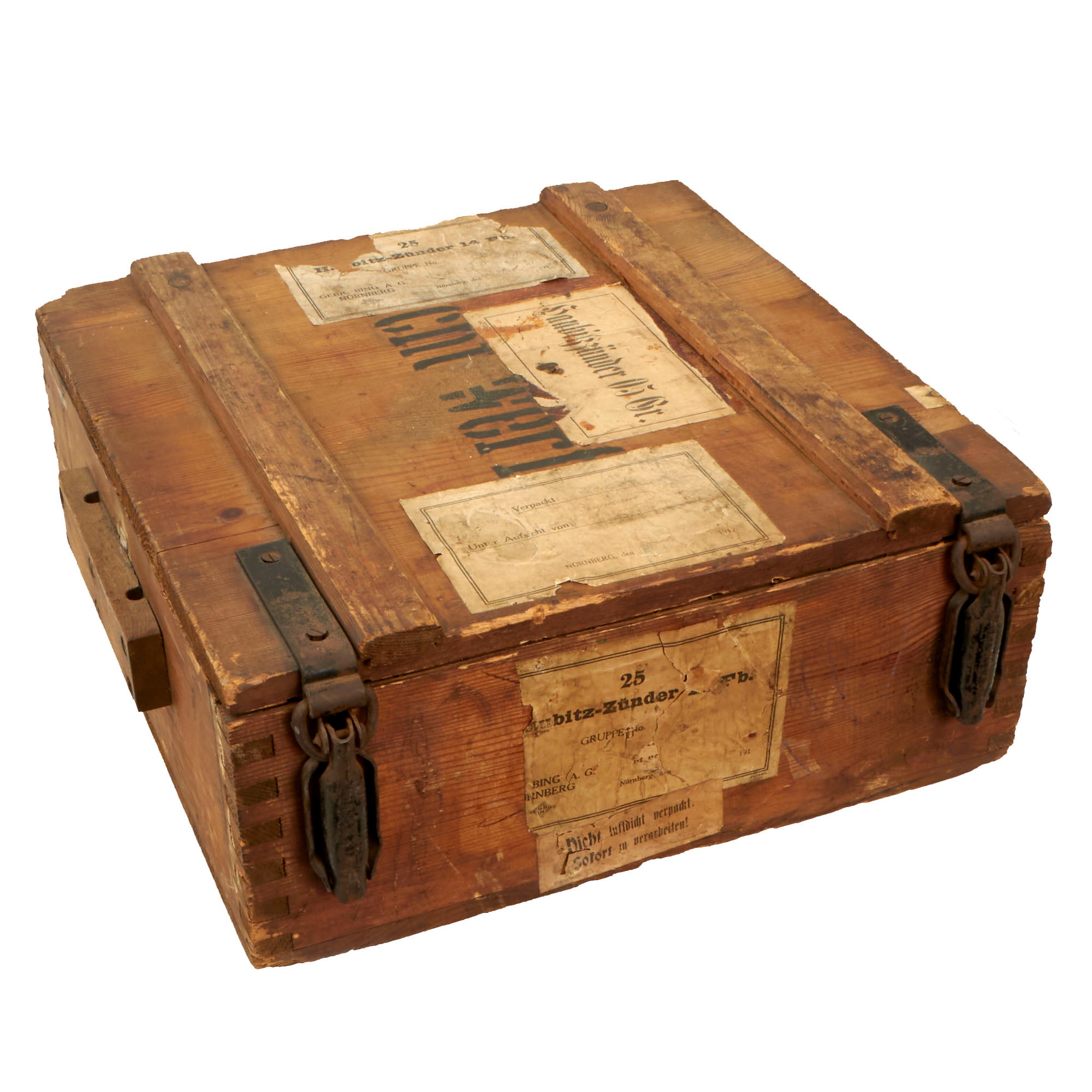
Maintenance And Inspection
Proper maintenance and inspection keep antique ammo safe for years. Regular checks help catch problems early. This prevents accidents and preserves value. Careful handling and clear records also support safe storage. Let’s explore key steps to maintain and inspect your antique ammo.
Regular Condition Checks
Check your ammo often, at least twice a year. Look for signs of damage or wear. Inspect the casing, primer, and bullet closely. Make sure no parts are loose or cracked. Keep a log of each inspection for reference. Consistent checks reduce risk and keep ammo in good shape.
Dealing With Corrosion And Damage
Corrosion can ruin antique ammo quickly. Rust or greenish spots mean moisture is present. Clean gently using a dry cloth or soft brush. Avoid water or harsh chemicals that can worsen damage. For minor corrosion, light rubbing may help. Always store ammo in a dry, cool place to prevent corrosion.
When To Consult A Professional
Some damage is too risky to handle alone. If you see bulging casings or leaking powder, stop inspection. Contact a professional gunsmith or ammo expert immediately. They can safely evaluate and dispose of unsafe ammo. Professionals offer advice on preservation and safe storage too.
Legal Considerations
Storing antique ammo requires careful attention to legal rules. These laws vary by location. Knowing them helps avoid trouble and keeps you safe. Follow all regulations strictly to protect yourself and others.
Understanding Local Regulations
Each place has different rules about antique ammunition. Some areas treat it like modern ammo. Others have special laws for antiques. Check your local government website for clear rules. Learn what is allowed and what is not. This prevents legal problems and fines.
Permits And Documentation
Some regions require permits to own or store antique ammo. You may need proof of ownership or purchase. Keep all paperwork in a safe place. Having documents ready makes inspections easier. It also shows you follow the law.
Transporting Antique Ammo Safely
Transport rules can differ from storage rules. Use secure containers to carry ammo. Avoid loose or open packaging. Keep ammo separate from firearms during transport. Know the laws about vehicle storage. This ensures safe and legal movement of your collection.
Long-term Preservation Strategies
Storing antique ammo safely requires careful long-term strategies. These strategies help keep ammo stable and prevent damage. Proper storage protects both the value and the condition of your collection. Use practical methods to control moisture, air quality, and regular checks.
Using Desiccants And Moisture Absorbers
Moisture causes rust and corrosion in antique ammo. Desiccants absorb water vapor inside storage containers. Silica gel packs are common and easy to use. Place them near ammo but not touching it directly. Replace desiccants regularly to keep them effective. This simple step reduces humidity and protects metal parts.
Controlled Atmosphere Storage
Controlled atmosphere storage limits oxygen and moisture exposure. Use airtight containers or sealed cabinets for best results. Some collectors use nitrogen or argon gas to displace air. This slows chemical reactions that harm ammo. Keep storage areas cool and dark. Avoid temperature swings that can cause condensation.
Periodic Rotation And Reassessment
Check your antique ammo regularly for signs of damage. Rotate items to ensure even exposure and prevent long-term pressure on one area. Look for corrosion, discoloration, or changes in the casing. Reassess storage conditions and replace any worn materials. This routine keeps your collection safe over time.

Frequently Asked Questions
How Should I Store Antique Ammo Safely At Home?
Store antique ammo in a cool, dry place away from sunlight. Use airtight containers to prevent moisture damage. Keep ammo away from heat sources and handle it gently to avoid corrosion and degradation.
Can Antique Ammo Degrade Over Time If Not Stored Properly?
Yes, antique ammo can degrade from moisture, heat, and air exposure. Improper storage causes rust, corrosion, and powder deterioration, making ammo unsafe and unusable. Proper storage extends its lifespan and preserves its condition.
What Materials Are Best For Antique Ammo Storage Containers?
Use airtight plastic or metal containers with desiccants to control moisture. Avoid cardboard or paper that absorbs humidity. Containers should be sturdy, rust-resistant, and seal tightly to protect ammo from environmental damage.
Is It Safe To Handle Antique Ammo Regularly?
Handle antique ammo carefully and minimally to prevent damage. Use gloves to avoid oils and moisture from skin. Frequent handling can cause corrosion and weaken the ammo’s integrity, so limit contact.
Conclusion
Storing antique ammo safely protects both your collection and your home. Keep it dry and cool to avoid damage. Use sturdy containers made for ammunition storage. Regularly check for signs of rust or corrosion. Always store ammo away from children and pets.
Proper care helps preserve history and value. Small steps make a big difference in safety. Stay cautious and handle old ammo with respect. Safe storage means peace of mind for you.