When it comes to protecting your rifles, fire safety is a top priority. You want a safe that doesn’t just lock up your firearms but also shields them from flames and heat.
But what materials actually make a rifle safe fire-resistant? Knowing this can help you choose the right safe to keep your valuable guns secure, even in emergencies. You’ll discover the key materials that build fire-resistant rifle safes and why they matter for your peace of mind.
Keep reading to find out how to protect what matters most to you.
Fire-resistant Safe Basics
Fire-resistant rifle safes protect firearms from extreme heat and flames. These safes use special materials to slow down heat transfer. The goal is to keep the inside temperature low enough to avoid damage. Understanding the basics of fire resistance helps in choosing the right safe.
Importance Of Fire Resistance
Fire resistance keeps guns safe during house fires. Heat can ruin gun parts and ammo. A fire-resistant safe prevents heat from reaching critical levels inside. This protection helps preserve the value and function of rifles. Fire-resistant safes offer peace of mind to gun owners.
Common Fire Risks For Rifle Safes
House fires often start from kitchens, electrical faults, or heating devices. Flames and smoke can quickly spread through a home. High temperatures can weaken or melt safe materials. Without fire resistance, rifles inside may suffer severe damage. Choosing safes with tested fireproof materials reduces this risk.

Steel And Its Role
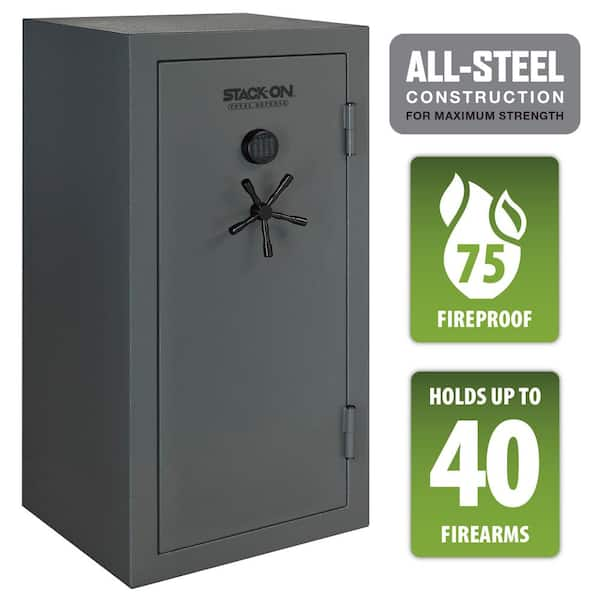
Steel plays a key role in making rifle safes fire-resistant. It acts as the main barrier against heat and flames. The quality and type of steel directly affect how well the safe protects its contents. Strong steel slows down heat transfer and helps keep firearms safe during a fire.
Types Of Steel Used
Most rifle safes use cold-rolled steel. This steel is smooth and strong. Another type is stainless steel, known for rust resistance. Some safes use alloy steel, which mixes metals for added strength. Each type offers different levels of fire protection and durability.
Steel Thickness And Fire Resistance
Thicker steel means better fire resistance. Thin steel heats up quickly and loses strength fast. Thick steel holds up longer against intense heat. Common thickness ranges from 12 to 14 gauge. Safes with thicker steel provide more time before heat reaches the inside.
Insulation Materials
Insulation materials play a key role in making rifle safes fire-resistant. They help keep the heat away from the contents inside. These materials slow down heat transfer and protect firearms and valuables from fire damage. Choosing the right insulation can improve safety and increase the safe’s fire rating.
Gypsum Boards
Gypsum boards are common in fire-resistant safes. They contain water molecules that absorb heat during a fire. This process slows down temperature rise inside the safe. Gypsum boards are affordable and easy to install. They also add structural strength to the safe walls.
Fire-resistant Cement
Fire-resistant cement is a thick, heatproof layer used in some safes. It withstands high temperatures without cracking. This cement creates a strong barrier against fire. It also prevents heat from passing through the safe’s walls. The cement lasts long and needs little maintenance.
Ceramic Fiber Insulation
Ceramic fiber insulation is a high-performance fireproof material. It can resist extreme heat for a long time. This material is lightweight and easy to fit inside safes. Ceramic fibers reduce heat transfer better than many other insulations. They keep the safe’s interior cool and protect firearms effectively.
Intumescent Coatings
Intumescent coatings are special materials used to protect rifle safes from fire. These coatings expand when exposed to high heat. The expansion forms a thick, insulating layer. This layer slows down heat transfer, keeping the safe’s contents cool longer. This helps prevent damage to rifles and other valuables inside.
How They Work
Intumescent coatings react to heat by swelling up. They create a foam-like barrier that blocks flames and hot gases. This barrier lowers the temperature on the safe’s surface. It also reduces oxygen flow, which slows the fire. The thicker the layer, the better the protection.
Application On Rifle Safes
Manufacturers apply intumescent coatings to the inside or outside of the safe. The coating can be painted or sprayed on metal surfaces. It must cover all areas to provide full protection. Some safes use multiple layers for stronger fire resistance. This coating works best combined with other fireproof materials.
Fire-rated Glass And Seals
Fire-rated glass and seals play a crucial role in making rifle safes fire-resistant. These materials help keep heat and flames from entering the safe. They protect your firearms and valuables during a fire. The right glass and seals stop smoke, water, and heat damage. Understanding these materials helps you choose a safe that truly protects.
Heat-resistant Glass Types
Fire-rated glass in rifle safes is made to resist high temperatures. It often contains special layers that absorb heat. Tempered glass is common, as it is strong and can handle heat better than regular glass. Another type is ceramic glass. It can withstand very high temperatures without breaking. This glass keeps the safe’s inside cool and safe during a fire.
Fire-seals And Gaskets
Fire seals and gaskets seal the safe’s door tightly. They expand when exposed to heat, closing any gaps. This stops fire and smoke from entering. These seals are made from materials like intumescent compounds. They swell quickly with heat, creating a strong barrier. Good fire seals add an extra layer of protection to keep your rifles safe.
Testing And Certification
Testing and certification are key to knowing if a rifle safe is truly fire-resistant. Manufacturers use strict tests to ensure safes protect guns and valuables from fire. These tests measure how well the safe can keep heat out and maintain a cool inside.
Certification from trusted labs shows the safe meets high safety standards. This helps buyers trust the product and choose the right safe for their needs.
Fire-resistance Ratings
Fire-resistance ratings tell how long a safe can protect against heat. Common ratings range from 30 minutes to 2 hours. The rating depends on how hot the fire is and how long it lasts during tests.
During testing, safes face intense heat up to 1700°F (927°C). The internal temperature must stay below 350°F (177°C). This prevents gunpowder or ammunition from igniting inside the safe.
Industry Standards To Look For
Look for certifications from well-known labs like UL (Underwriters Laboratories) or Intertek. UL 72 is a popular fire test standard for safes. It measures how long the safe protects contents at specific temperatures.
Another standard is ETL, which also tests safes for fire resistance. These certifications prove the safe passed real fire tests. Without them, a safe’s fire resistance claims may not be reliable.
Material Combinations For Optimal Protection
Choosing the right materials is key to making rifle safes fire-resistant. Combining different materials creates strong barriers against heat and flames. These combinations help keep guns safe during a fire.
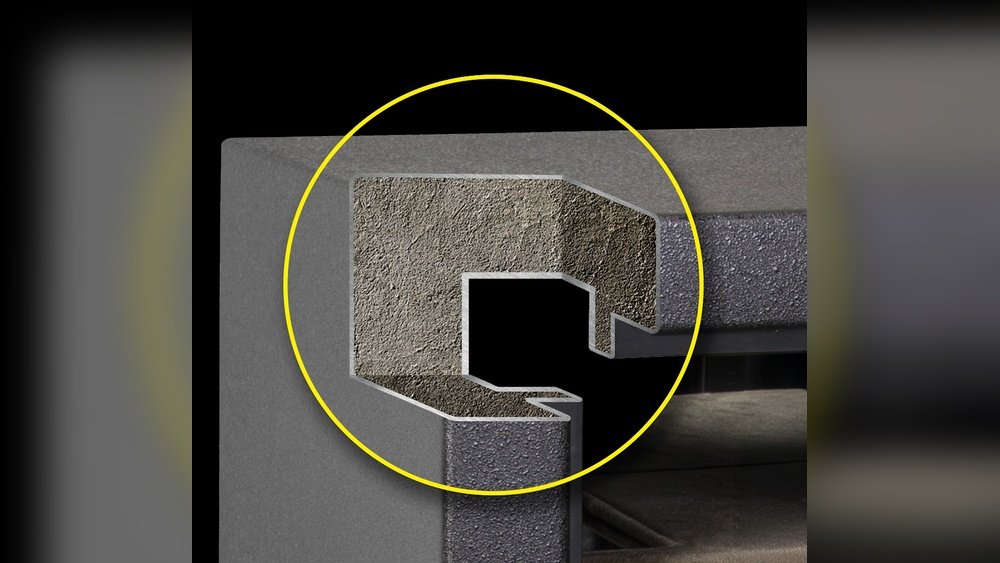
Each material plays a role. Some block heat, others absorb it. Together, they form layers that protect the safe’s interior. This layered approach offers better fire resistance than using one material alone.
Layered Construction
Rifle safes use layers of steel and fire-resistant insulation. Steel acts as a strong outer shell. It stops flames and prevents the safe from breaking open.
Inside, materials like gypsum or concrete absorb heat. These layers slow down temperature rise inside the safe. This delay protects guns and ammo from fire damage.
Some safes also include air gaps. These gaps reduce heat transfer by trapping cool air. Layering different materials creates multiple barriers against fire.
Balancing Weight And Safety
Heavier safes often mean better fire protection. Thick steel and heavy insulation block heat well. But very heavy safes can be hard to move and install.
Manufacturers use lightweight fireproof materials to balance safety and weight. Materials like ceramic fiber provide good heat resistance without adding weight. This makes safes easier to handle while still protecting guns.
Choosing the right mix of materials ensures strong fire protection without making the safe too heavy. This balance improves both safety and convenience.
Frequently Asked Questions
What Materials Ensure Rifle Safes Are Fire-resistant?
Rifle safes use steel, fireboard, and concrete to resist fire. Steel provides strength, fireboard insulates, and concrete absorbs heat, protecting contents from high temperatures.
How Does Fireboard Protect Rifle Safes From Heat?
Fireboard acts as an insulating layer inside rifle safes. It slows heat transfer during a fire, keeping internal temperatures low and preventing damage to firearms and valuables.
Why Is Steel Important In Fire-resistant Rifle Safes?
Steel offers durability and structural support to rifle safes. Its high melting point helps maintain safe integrity during fires, ensuring firearms remain secure and protected from flames.
Can Concrete Improve A Rifle Safe’s Fire Resistance?
Yes, concrete enhances fire resistance by absorbing and dispersing heat. Many rifle safes incorporate concrete layers to strengthen fire protection and maintain internal safety during extreme temperatures.
Conclusion
Rifle safes use strong materials to resist fire damage. Steel walls keep heat out and protect your guns. Fire-resistant insulation slows the spread of flames. Special seals stop smoke and heat from entering. These materials work together to keep your valuables safe.
Choosing a safe with these features helps protect your rifles. Safety matters most for every gun owner. Remember, not all safes offer the same fire protection. Always check the materials before you buy a rifle safe. Your guns deserve the best defense against fire risks.