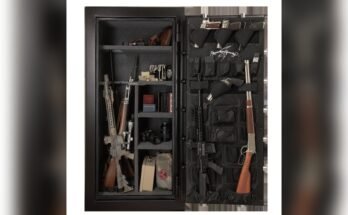
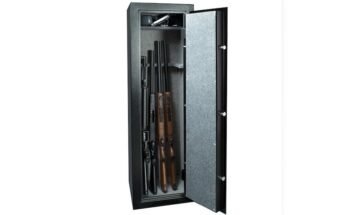
Are you wondering if your insurance company expects you to have a rifle safe? You might think that locking up your firearms is just common sense, but does your policy actually require it?
Understanding this can save you from unexpected costs or denied claims. You’ll discover exactly what insurance companies look for when it comes to rifle storage—and why having the right safe could protect both your guns and your wallet. Keep reading to find out what you need to know to stay covered and secure.

Insurance Policies And Firearm Storage
Insurance companies often set rules about how firearms must be stored. These rules protect the guns and reduce risks of theft or accidents. Safe storage can lower insurance premiums and avoid claim denials. Understanding these rules helps gun owners keep coverage and stay safe.
Different insurers have various policies. Some require specific types of safes or locks. Others focus on general safety measures. Knowing what your insurer expects is important for compliance and protection.
Common Requirements For Rifles
Many insurers ask that rifles be stored in locked safes. These safes must be sturdy and hard to break into. Some require gun cabinets with strong locks. Trigger locks or cable locks are often required as extra protection. Insurance companies want to reduce theft and accidents by enforcing these rules.
Variations Among Insurers
Each insurance company has its own rules about firearm storage. Some insurers require specific brands or types of safes. Others accept any safe that meets certain security standards. Some insurers offer discounts for using approved safes. Policies may also vary by state or region. Checking your policy details is key to meeting these variations.
Benefits Of Using Rifle Safes
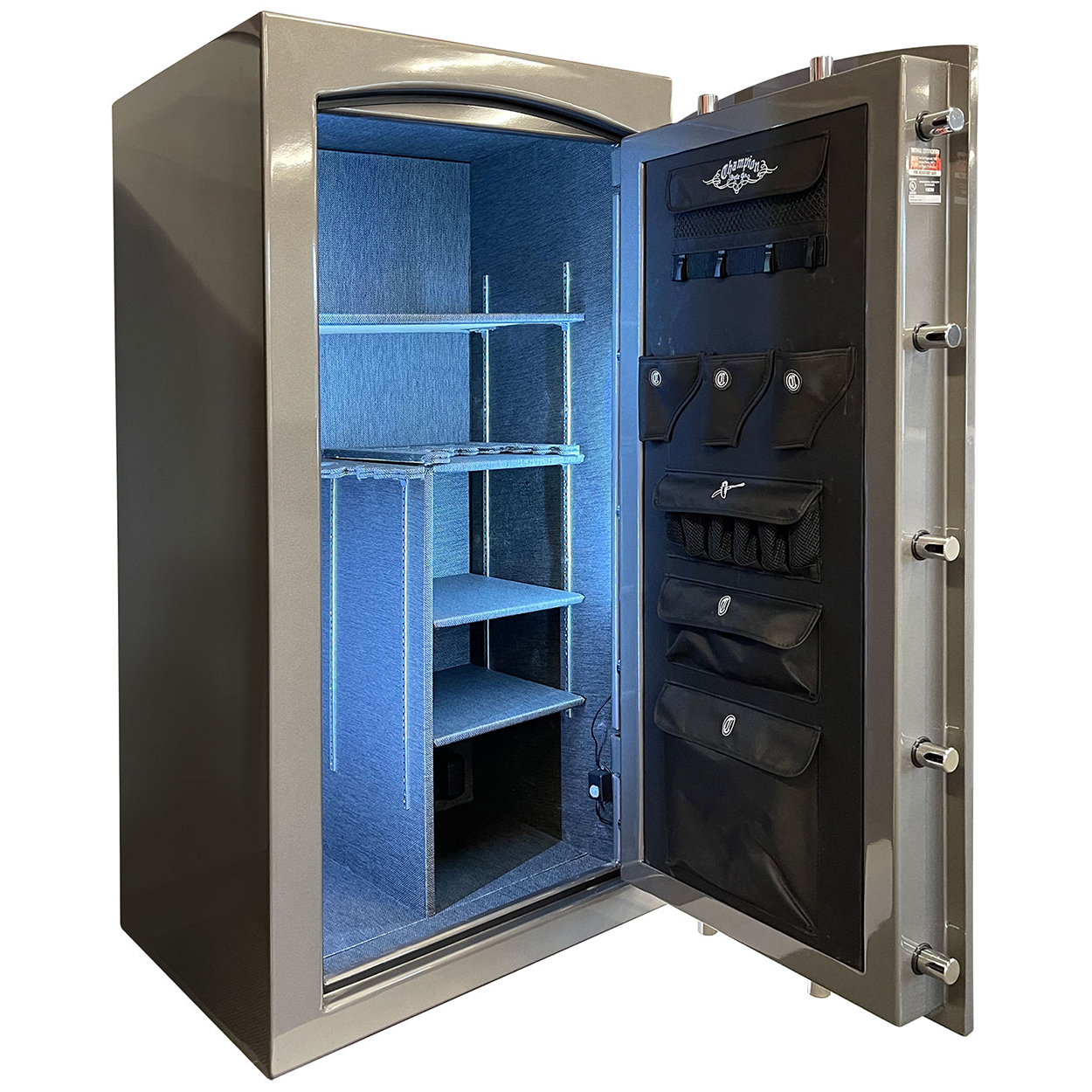
Using a rifle safe offers many advantages for gun owners. It keeps firearms secure and prevents unauthorized access. This simple step can protect your family and reduce risks around your home.
Rifle safes also help keep your guns in good condition. They protect from damage caused by moisture and dust. Storing rifles properly extends their life and maintains their value.
Enhanced Security Measures
A rifle safe adds a strong layer of protection. It locks rifles away from children, visitors, or thieves. This helps avoid accidents and theft. Many safes come with advanced locks and sturdy construction. These features make it very hard for anyone to open without permission.
Keeping rifles locked also shows responsibility. It shows you care about safety and follow laws. This is important for personal safety and community well-being.
Impact On Premium Rates
Insurance companies may offer lower rates if you use a rifle safe. Safely stored guns lower the chance of theft or accidents. This reduces the risk for insurers.
Some insurers require proof of secure storage to approve coverage. Showing you have a rifle safe can improve your insurance terms. It can also help avoid claims related to lost or stolen firearms.
Types Of Rifle Safes Accepted By Insurers
Insurance companies want to see strong protection for rifles. They accept only certain types of rifle safes. These safes must meet specific security standards. This ensures your firearms stay secure and your insurance remains valid.
Understanding what types of safes insurers accept helps you choose the right one. It also helps you avoid problems when filing claims. Below are the common types of rifle safes accepted by most insurance companies.
Standard Locking Mechanisms
Standard locking mechanisms include key locks and combination dials. These locks provide basic protection against quick access. Most insurance companies require safes with these locks at minimum. They prevent easy theft and keep rifles secure.
Key locks must have strong, pick-resistant keys. Combination dials should be hard to guess. These locks are affordable and widely available. They offer a good balance of safety and convenience for most gun owners.
Advanced Security Features
Advanced security features add extra layers of protection. Electronic keypad locks are popular for quick and secure access. Many insurers prefer safes with these locks because they reduce risk.
Other features include biometric fingerprint scanners and reinforced steel construction. These safes resist forced entry better than basic models. Insurance companies often require these features for higher coverage limits. They give peace of mind that rifles are well protected.
Legal And Safety Considerations
Legal and safety issues are important when owning rifles. These concerns affect insurance and personal responsibility. Understanding the rules helps protect your property and loved ones. It also ensures you meet insurance company standards.
Safe storage is more than a choice. It can be a legal requirement. Knowing the law helps avoid fines and legal trouble. It also reduces risks of accidents or theft.
State And Local Regulations
Laws about rifle safes vary by state and city. Some places require guns to be locked securely. Others have no specific rules about safes. Checking local rules is necessary before buying a safe.
These rules often aim to keep guns away from children. They also prevent unauthorized use or theft. Following these laws shows responsible gun ownership. It can affect your insurance coverage and claims.
Liability And Responsibility
Gun owners must act responsibly to avoid harm. Using a rifle safe helps prevent accidents and misuse. If a gun causes harm, the owner may face legal claims. Insurance companies consider safe storage in liability cases.
Failing to secure rifles might increase insurance costs or deny claims. Showing proof of safe storage can lower risks and premiums. Liability depends on how safely you store your firearms.
Tips For Choosing The Right Rifle Safe
Choosing the right rifle safe is important for keeping your firearms secure. It protects your rifles from theft, damage, and unauthorized use. Understanding key factors helps you pick a safe that fits your needs and meets insurance rules.
Focus on size, strength, and safety certifications. These features ensure your rifles stay protected and your insurance remains valid.
Size And Capacity
Pick a safe that holds all your rifles comfortably. Avoid a tight fit; it can damage your guns. Think about future purchases too. A larger safe saves money and hassle later. Check internal shelves and compartments for ammo and accessories.
Durability And Certification
Choose a safe made of strong steel to resist break-ins. Thick walls and solid locks add protection. Look for safes with certifications like UL or ETL. These prove the safe meets security standards. Insurance companies often require certified safes for coverage.

How To Verify Insurance Compliance
Verifying insurance compliance for rifle safes protects your property and reduces risks. It ensures your insurance policy covers your firearms correctly. Knowing the steps helps you avoid claim problems later. Follow these simple guidelines to check compliance with your insurance company.
Documentation And Proof
Keep all documents related to your rifle safe. Receipts, photos, and manuals show proof of purchase and installation. Some insurers ask for these during claims or policy reviews. Store these papers safely. They confirm that your safe meets insurance requirements. Regularly update your records if you change or upgrade your safe.
Working With Insurance Agents
Talk directly with your insurance agent about rifle safe rules. Ask what type of safe they require for coverage. Agents can explain policy details clearly. They help you understand the safety standards needed. Get answers in writing for future reference. This helps avoid misunderstandings and ensures your policy stays valid.
Frequently Asked Questions
Do Insurance Companies Require Rifle Safes?
Most insurance companies do not explicitly require rifle safes. However, securing firearms properly can lower your premium and liability risk. Always check your policy details or consult your insurer for specific requirements.
How Does A Rifle Safe Affect Insurance Premiums?
Using a rifle safe may reduce your insurance premiums. Insurers often view safes as a risk reduction measure, which can lower theft or damage claims. Confirm with your provider for exact discounts or benefits.
What Are Insurance Guidelines For Firearm Storage?
Insurance guidelines typically recommend storing firearms in locked safes or secure cabinets. Proper storage protects against theft and accidents. Following these guidelines helps maintain coverage and may improve your policy terms.
Can Not Having A Rifle Safe Impact Claims?
Yes, not having a rifle safe can affect claims. If firearms are stolen due to negligence, insurers may deny claims. Proper storage demonstrates responsibility and supports claim approval.
Conclusion
Many insurance companies prefer rifles stored in safes. It helps protect your firearms from theft or damage. Some policies even require a safe for coverage. Not having one could affect your claim approval. A sturdy rifle safe adds security and peace of mind.
Check your insurance terms carefully to know the rules. Safe storage benefits both you and your insurer. It shows responsibility and can lower your risk. Always choose a reliable safe that fits your needs. Secure your rifles smartly to stay protected and insured.