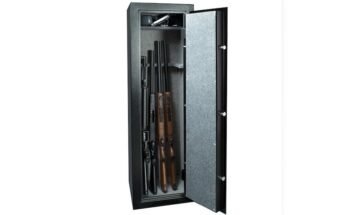
Your rifle safe is only as reliable as its power source. When the batteries run low or die, you risk being locked out or, worse, having your firearms unprotected.
Changing the batteries might seem tricky, but it’s simpler than you think—and doing it right keeps your safe working smoothly. In this guide, you’ll learn exactly how to change batteries in your rifle safe quickly and safely, so you never have to worry about losing access when it matters most.
Keep reading to make sure your rifle safe stays ready for anything.
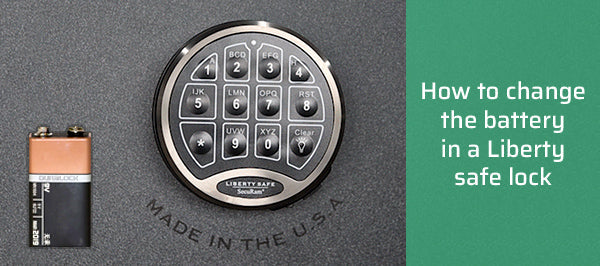
Tools Needed
Changing the batteries in a rifle safe is simple with the right tools. Having these tools ready saves time and avoids frustration. Each tool plays a key role in a smooth battery replacement.
Battery Type And Replacement Batteries
Know the exact battery your rifle safe uses. Most safes require 9-volt or AA batteries. Keep fresh batteries of the correct type nearby. This ensures you don’t stop midway.
Screwdriver
A screwdriver is necessary to open the battery compartment. Most safes use Phillips or flathead screws. Use the right size screwdriver to avoid stripping screws. It helps to have both types on hand.
Flashlight
A flashlight improves visibility inside the safe. Battery compartments can be dark and small. A bright light helps you see clearly and work faster.
Soft Cloth Or Gloves
Use a soft cloth or gloves to handle batteries. This keeps dirt and oils off the contacts. Clean contacts improve battery life and safe operation.

Locating The Battery Compartment
Locating the battery compartment in a rifle safe is the first step to changing its batteries. This part holds the power source for the safe’s electronic lock. Knowing where it is helps you replace batteries quickly and keep your safe working smoothly.
Battery compartments vary by safe model. Some are easy to find, while others need a closer look. It often depends on the brand and design of your rifle safe.
Check The Inside Of The Door
Most rifle safes have the battery compartment inside the door. Look near the keypad or handle area. It may have a small cover or panel that snaps or slides open. This spot is common because it keeps batteries close to the lock system.
Look For A Battery Cover
Battery covers are small and sometimes blend with the safe’s color. They usually have a notch or tab to lift or slide the cover off. Use your fingers or a flat tool to open it carefully without damage.
Consult The User Manual
The user manual is a great help. It shows the exact location of the battery compartment. It also has images or diagrams. Manuals often explain how to open the cover safely and what type of batteries to use.
Check The Back Or Bottom Panel
Some safes place batteries at the back or bottom. This design keeps batteries out of sight. Look for a small panel with screws or clips. You may need a screwdriver to open it. Be gentle to avoid scratches or damage.
Removing The Old Batteries
Removing the old batteries from your rifle safe is the first step in the battery replacement process. It ensures your safe keeps working properly and stays secure. Always handle the batteries carefully to avoid damage or leaks.
Before opening the battery compartment, make sure your hands are clean and dry. This helps prevent dirt or moisture from getting inside the safe. Take your time to avoid causing any harm to the battery holder or the safe’s electronics.
Locate The Battery Compartment
Find the battery compartment on your rifle safe. It is usually behind the keypad or inside the door panel. Check your safe’s manual if unsure. The compartment often has a small cover or latch.
Open The Battery Compartment
Use your fingers or a small tool to open the battery cover. Be gentle to avoid breaking the cover or clips. Keep the cover safe as you will need it to close the compartment later.
Remove The Old Batteries
Carefully take out the old batteries one by one. Note their orientation, so you can insert the new ones correctly. Dispose of used batteries properly to protect the environment.

Choosing The Right Replacement Batteries
Choosing the right replacement batteries for your rifle safe is important. The correct batteries keep the safe working smoothly. Using the wrong type can cause damage or poor performance. Batteries also affect how long your safe operates without changes.
Here are some tips to help you pick the best batteries for your rifle safe.
Check The Manufacturer’s Recommendations
Start by reading the rifle safe’s manual. It usually lists the exact battery type needed. Follow these instructions carefully. This helps avoid errors and keeps your safe warranty valid.
Use High-quality Alkaline Batteries
Choose alkaline batteries for longer life and steady power. They perform well in cold and warm conditions. Avoid cheap or old batteries. They can leak or lose power quickly.
Consider Battery Size And Fit
Make sure the new batteries match the size of the old ones. Most rifle safes use AA or 9V batteries. Check the battery compartment for the right size. A proper fit ensures good contact and power flow.
Avoid Rechargeable Batteries Unless Specified
Rechargeable batteries may not work well in all rifle safes. They often provide lower voltage than regular batteries. Use them only if the manual approves. Otherwise, stick to standard alkaline types.
Keep Spare Batteries Ready
Store extra batteries in a cool, dry place. Replace batteries at the first sign of low power. This prevents lockouts and keeps your safe secure. Regular checks help avoid emergency battery changes.
Installing New Batteries
Changing batteries in a rifle safe is simple and quick. Start by opening the battery compartment, removing old batteries, and inserting new ones. Ensure the batteries fit correctly for the safe to work properly.
Preparing The New Batteries
Start by checking the type of batteries your rifle safe needs. Most safes use AA or AAA batteries. Use fresh batteries for the best performance. Avoid mixing old and new batteries. This keeps the safe working properly.
Inserting The Batteries Correctly
Open the battery compartment on your rifle safe. Look for the plus (+) and minus (–) signs inside the compartment. Match the battery ends to these signs carefully. Insert each battery one by one. Make sure they fit snugly without forcing them.
Closing The Battery Compartment
After inserting the batteries, close the compartment cover securely. Some safes have a latch or screw to keep it closed. Ensure it is tight to prevent the batteries from moving. A loose cover can cause the safe to lose power.
Testing The Safe After Installation
Turn on the safe or enter your code to check power. The keypad should light up or beep. If it does not respond, double-check battery placement. Replace batteries if needed. Confirm the safe locks and unlocks smoothly.
Testing The Safe After Replacement
Testing the safe after replacing the batteries is a crucial step. It ensures the lock works correctly and the safe remains secure.
Without testing, you might face problems opening the safe later. Simple checks can save time and prevent frustration.
Check The Lock Function
After battery replacement, try opening the safe with your code. Enter the code slowly and carefully. The lock should respond immediately. If it does not open, try again to confirm.
Listen for any strange sounds. The keypad should beep or light up. These signals show the battery powers the lock.
Test The Backup Key
Most rifle safes include a backup key. Use it to open the safe. This test confirms the key lock works if the battery fails.
Insert and turn the key smoothly. The safe should open without resistance. Keep the key in a safe place.
Check The Battery Life Indicator
Some safes show a battery life indicator. Check this after installation. It tells if the new batteries are working well.
If the indicator stays low or blinks, replace the batteries again. Proper power is necessary for safe operation.
Perform Multiple Open And Close Cycles
Open and close the safe several times. This confirms the lock operates consistently. Watch for delays or failures.
Consistent operation means the battery replacement was successful. If issues appear, repeat the battery check or consult the manual.
Battery Maintenance Tips
Battery maintenance is key to keeping your rifle safe working well. Good care helps avoid lockouts and failures. Simple steps can extend battery life and save frustration.
Check batteries often. Replace them before they get too low. Low batteries can cause slow response or no response at all. Don’t wait for the safe to warn you.
Store Batteries Properly
Keep spare batteries in a cool, dry place. Avoid heat and moisture that can damage them. Store batteries in their original packaging or a sealed container.
Clean Battery Contacts
Dirty contacts block power flow. Use a dry cloth or a cotton swab to clean contacts. Remove dust or corrosion gently to keep a strong connection.
Use Quality Batteries
Choose reliable battery brands. Cheap batteries may leak or drain fast. High-quality batteries ensure steady power and longer life for your safe.
Remove Batteries If Not Used
If you won’t use the safe for a long time, remove batteries. This prevents leakage that can harm the lock system. Store batteries separately until needed.
Troubleshooting Common Issues
Changing batteries in a rifle safe is simple, but some common issues may occur. Knowing how to fix these problems saves time and frustration. Troubleshooting helps keep your safe working smoothly.
Read on to learn solutions for the most frequent battery-related problems in rifle safes.
Battery Not Recognized By The Safe
Check if the battery is placed correctly. Remove and reinstall it with the right polarity. Clean the battery contacts gently using a dry cloth. Dirt or corrosion can block power flow.
Try using a new, high-quality battery. Old or cheap batteries may not work well.
Safe Does Not Open After Battery Change
Wait a few seconds after inserting new batteries. Some safes need time to reset. If it still doesn’t open, press the reset button if available. Consult your safe’s manual for reset instructions.
Check the battery voltage. Low power causes the safe to stay locked.
Battery Drains Quickly
Battery drain often happens due to leaving the keypad lit. Turn off keypad lights if possible. Avoid frequent or long keypad use without need.
Inspect the battery compartment for loose wires or damage. Repair or replace parts as needed.
Keypad Or Lock Beeps But Does Not Respond
This usually means the battery is low or faulty. Replace batteries with fresh ones. Make sure they fit tightly in the compartment.
Reset the safe after changing batteries. This can clear errors and restore function.
Frequently Asked Questions
How Do I Know When To Change Rifle Safe Batteries?
You should change rifle safe batteries when the low battery indicator lights up. Also, replace them if the keypad becomes unresponsive or slow. Regularly check batteries every 6 to 12 months to avoid lockout.
What Type Of Batteries Are Best For Rifle Safes?
Most rifle safes use AA alkaline batteries for optimal performance. Always check the manufacturer’s manual for recommended battery types. Avoid rechargeable batteries as they may cause inconsistent power supply.
Can I Change Rifle Safe Batteries Without Losing The Code?
Yes, you can change batteries without losing your code if you replace them quickly. Keep the safe door open during battery replacement to prevent lockout. Follow the manufacturer’s instructions precisely to maintain code integrity.
How Do I Safely Remove Old Batteries From A Rifle Safe?
Open the battery compartment carefully, usually located inside the safe door. Remove old batteries gently to avoid damaging contacts or connectors. Dispose of old batteries properly at designated recycling centers to protect the environment.
Conclusion
Changing batteries in a rifle safe is simple and quick. Always use the right battery type for your model. Keep spare batteries handy to avoid lockouts. Regular checks help keep your safe working well. Follow safety steps to protect your firearms.
Taking care of your safe ensures peace of mind. A little effort keeps your valuables secure and ready. Don’t wait until the battery dies to act. Stay prepared and keep your rifle safe functioning smoothly.