Deciding if your current firearm holster can double as a carry solution for another pistol is a common question for gun owners. You might have a new handgun or want to share gear between two similar models. Figuring out if a holster is truly versatile can save you money and simplify your carry setup.
In our research, we've found that while some holsters offer cross-compatibility, many do not. This depends on incredibly precise firearm dimensions and the specific design of the holster itself. Manufacturer specifications often indicate that a holster built for a Glock 19, for instance, won't safely or effectively accommodate a Sig Sauer P320, even if they appear similar.
As of 2026, there's no universal standard guaranteeing a fit across different brands or even different models within the same brand.
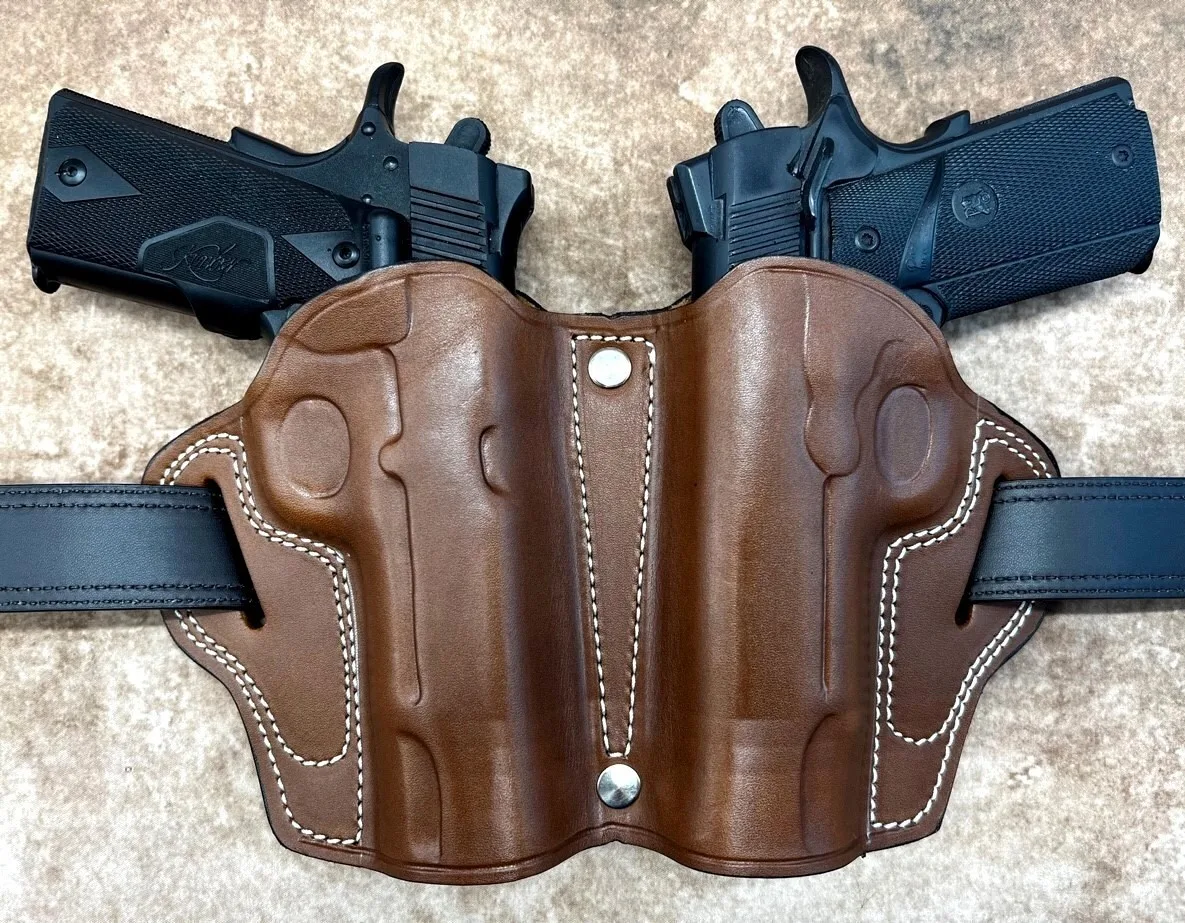
Image source: Bing (Web (fair-use with source credit))
Quick Answer
No, you generally can't use the same holster for different firearms unless they share identical dimensions. Holster fit relies on precise firearm geometry, not just brand similarity. Using an ill-fitting holster poses significant safety risks and compromises retention.
Always verify compatibility directly with the holster manufacturer's specifications for your specific firearm model.
What Makes a Holster Fit (or Not Fit)?
Understanding Firearm Dimensions and Holster Design
A firearm holster isn't just a pouch; it's a precisely engineered piece of gear designed to secure a specific handgun. The core of this fit comes down to geometry. Holster makers measure everything from the overall length and height of a pistol to the width of its slide and frame.
They also account for the shape of the trigger guard, which is a critical retention point.
Manufacturer specifications often detail compatibility based on these exact measurements. For example, a holster designed for a Smith & Wesson M&P Shield, known for its slim profile, won't snugly accommodate a wider handgun like a CZ-75. Even slight variations in slide serrations or the angle of the grip can prevent a proper, secure fit.
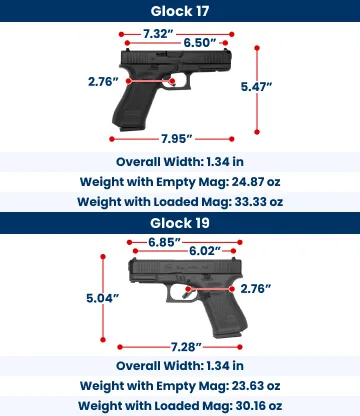
Image source: Web (Bing) / academy.com (Web image (fair-use with source credit))
The Role of Material and Retention
The material a holster is made from also plays a significant role in its fit and function. Kydex and other thermoplastics are molded to very specific firearm shapes, offering a precise, often adjustable, fit. Leather holsters, while more forgiving initially, will mold to the specific contours of the firearm they are used with over time.
Trying to force a different gun into a molded leather holster can damage both the holster and the firearm.
Retention is paramount, and it’s directly tied to fit. Holsters typically feature retention methods like friction holds or active retention devices (like thumb breaks or trigger guards with locking mechanisms). According to standards like those used in law enforcement certifications, a holster must reliably retain the firearm during strenuous activity, preventing accidental disengagement.
If a holster is too loose, retention fails, creating a serious safety hazard.
When Can You Share a Holster?
Similar Models, Similar Fits
There are specific circumstances where one holster can work for multiple firearms. This usually happens when the firearms are essentially the same model, or very close variants from the same manufacturer. For instance, many firearm manufacturers offer slightly different versions of their popular pistols, perhaps one with a different barrel length, or one designed to accept a specific accessory like a laser or light.
If these variations are minor and don't significantly alter the external dimensions or profile of the handgun, a holster designed for the base model might still offer an adequate fit. For example, a Kydex holster molded for a Glock 19 might also fit a Glock 19X or a Glock 45, as their external dimensions are largely identical. Aggregate reviews from owners often confirm this kind of cross-compatibility within very tightly defined model families.
"Universal" Holsters: Hopes and Realities
The idea of a "universal" holster is appealing, promising to fit a wide range of handguns. These holsters often feature adjustable tension screws or elastic components to accommodate different shapes and sizes. They are typically made from softer materials like nylon or feature more forgiving designs compared to rigid Kydex.
However, our research indicates that "universal" often translates to "mediocre fit for many." While these holsters might technically secure a firearm, the fit is rarely as precise or as secure as a model-specific option. They can be a viable budget choice or a temporary solution, especially for similar-sized firearms where exact retention isn't the absolute top priority, such as for range use. But for concealed carry or duty use, where secure retention and a flawless draw are critical, "universal" often falls short.
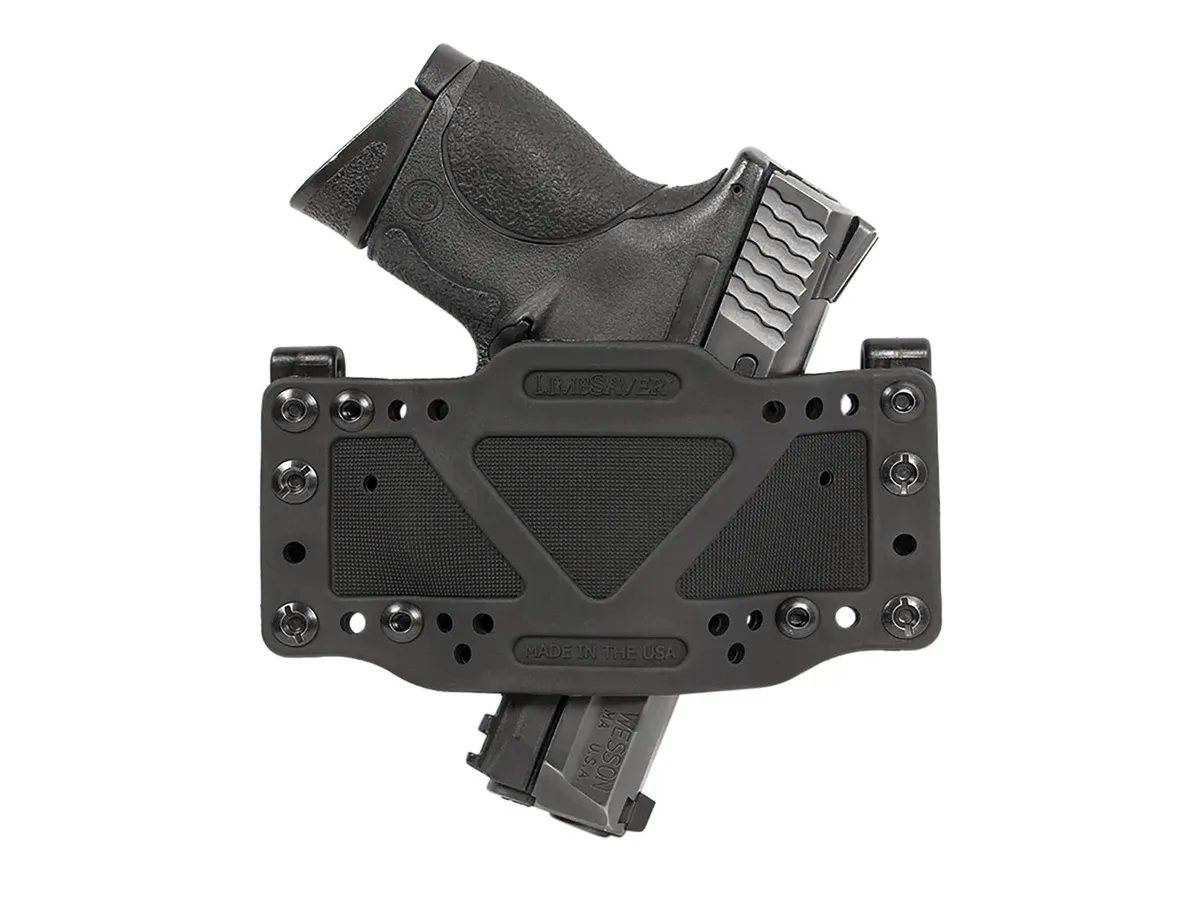
Image source: Bing (Web (fair-use with source credit))
When You Absolutely Need a Different Holster
Significant Size and Shape Differences
This is where the concept of sharing holsters breaks down entirely. If you're looking to carry two handguns that aren't direct siblings from the same manufacturer, chances are you’ll need two separate holsters. Major differences in barrel length, slide width, frame size, or grip angle mean a holster won't provide the necessary support or retention.
For example, trying to fit a full-size 1911 pistol into a holster designed for a subcompact Springfield Hellcat would be impossible. The 1911 is longer, wider, and has a different profile. Even if you could physically stuff it in, it wouldn't seat properly, the retention would be non-existent, and drawing the firearm would be a dangerous struggle.
Accessory Rails and Specialized Features
Beyond basic dimensions, many modern firearms come equipped with accessory rails for mounting lights or lasers, or they feature specialized grip modules. These additions dramatically change the external profile of the handgun, making it incompatible with holsters not specifically designed to accommodate them.
A holster molded for a standard Sig Sauer P320, for instance, won't fit a P320 equipped with a compensator or a tactical light attached to its rail. The holster needs to have a precise cut-out or be molded around the accessory to allow the firearm to seat correctly and still be drawn smoothly. Manufacturer compatibility charts, like those provided by Sig Sauer for their holster partners, often list specific firearm models and any compatible accessories, making it clear when a different holster is required.
Testing for a Safe and Secure Fit: Your Personal Checklist
When you get a new holster or consider using an existing one for a different firearm, a thorough fit test is non-negotiable. This isn't just about whether the gun goes in; it's about whether it goes in safely and stays there until you need it. This process ensures your gear is reliable for everyday carry or training.
The Draw Test: Smooth and Controlled?
After confirming basic compatibility, the next step is to practice drawing the firearm from the holster. This should feel smooth, without any snagging or excessive force required. Manufacturer specifications for duty-grade holsters often mention draw stroke efficiency, and for good reason.
A difficult draw can be dangerous in a self-defense situation.
You'll want to draw the firearm multiple times, focusing on a consistent motion. Pay attention to whether the holster grips the firearm too tightly, making it hard to release, or too loosely, allowing the gun to shift. The trigger guard should remain fully covered by the holster when the firearm is seated.
Retention Check: Does It Hold Tight?
Retention is king. This means the holster must keep your firearm secure in all typical carrying positions and movements. Start by gently inverting the holster with the unloaded firearm in it.
If the gun falls out easily, the retention is insufficient.
Next, simulate common movements: bending over, jogging in place, or even a slight jump. The firearm should remain firmly seated in the holster. If the retention is adjustable, follow the manufacturer’s instructions to tighten it until you achieve a secure hold.
For many Kydex holsters, adjusting retention screws is a straightforward process. Per National Shooting Sports Foundation (NSSF) guidelines, a secure fit is paramount for safe gun handling.
Comfort and Concealability Assessment
Once you've verified that the fit is secure and the draw is functional, consider how the holster performs with you. Is it comfortable to wear for extended periods? For inside-the-waistband (IWB) holsters, does it effectively conceal the firearm's profile under your clothing?
Holster placement, cant angle, and ride height all impact both comfort and concealability. Even a perfectly fitting holster can be uncomfortable if it's worn in the wrong spot or if the belt loops/clips are poorly designed. The goal is a setup that you can carry consistently and without drawing unnecessary attention to yourself.
Common Mistakes to Sidestep
Assuming Compatibility
The biggest mistake people make is assuming that because two firearms are from the same brand, or look similar, they'll fit the same holster. This is rarely true. A Glock 17 and a Glock 27, for example, while both Glocks, have vastly different dimensions and require distinct holsters.
Always check the specific model numbers.
Over-Reliance on "Universal" Labels
While "universal" holsters exist, they are often a compromise. Relying solely on a "fits most pistols" label without rigorous testing is a recipe for disaster. These holsters might offer basic retention but often lack the precise fit needed for a smooth, fast draw and optimal security.
Neglecting Fit Tests
Even if a holster is advertised as being for your specific firearm model, it's crucial to perform your own fit test. Manufacturing tolerances can vary, and sometimes a holster might be slightly out of spec. Always perform the draw test and retention check before trusting your life to a new holster.
Is a Multi-Gun Holster Right for You?
Who Benefits Most?
If you own multiple firearms that are direct variants of each other, think different generations of the same model or pistols with nearly identical external dimensions, like some subcompacts, a single, well-designed holster might serve. This often applies to range guns or training tools where the absolute highest level of security isn't as critical as for daily concealed carry. Cost savings and gear simplification are the main drivers here.
When to Stick with Specific Holsters
For concealed carry, law enforcement, or military use, model-specific holsters are almost always the superior choice. The precision fit ensures reliable retention, a consistent draw, and maximum comfort. If you carry a firearm for self-defense, the small investment in a dedicated holster for each specific handgun is well worth the peace of mind and enhanced safety it provides.
Safety First: Holster Use and Firearm Security
When it comes to firearms, safety is always the top priority, and your holster plays a massive role in that. An ill-fitting holster doesn't just mean your gun might fall out; it can also prevent you from drawing it quickly and safely when needed, or worse, cause an accidental discharge. Always ensure your holster is designed for your specific firearm model.
According to gun safety guidelines from organizations like the National Shooting Sports Foundation (NSSF), proper firearm retention is essential. This means your holster must positively secure the firearm, preventing it from becoming loose or falling out during movement. Never modify a holster in a way that compromises its retention or interferes with the trigger guard.
If a holster is damaged or doesn't fit correctly, it should be retired and replaced.
Frequently Asked Questions About Holster Compatibility
Can a holster for a Glock 19 fit a Glock 17?
Generally, no. While both are Glocks and share some design similarities, the Glock 17 is a larger, full-size pistol with a longer slide and frame compared to the compact Glock 19. A holster molded for the G19 will likely be too short and narrow for the G17, offering poor retention and a difficult draw.
Always verify compatibility charts.
Will a leather holster stretch to fit a different gun?
Leather holsters can mold and stretch to some extent, but this is not a reliable method for fitting a different firearm. Forcing a gun into a leather holster not designed for it can damage the holster's shape and stitching. It can also create a dangerously loose fit once the leather eventually conforms to the wrong shape.
Are "universal" gun holsters safe for concealed carry?
While some universal holsters can offer basic retention, they are typically not recommended for serious concealed carry. Their adjustable nature often means a less precise fit, which can lead to poor retention, difficult draws, or accidental activation of controls. For carry, a holster specifically molded for your firearm model is always the safer and more reliable option.
How do I know if my firearm's accessories (like a light) will fit in the holster?
Check the holster's specifications for "optic cut" or "light-bearing" compatibility. Many modern holsters are designed with these features in mind. If the holster is not explicitly advertised as accommodating your specific light or laser module, it's highly unlikely to fit correctly.
The accessory will likely prevent the firearm from seating properly or being drawn.
Making the Right Holster Choice: Your Decision Guide
Choosing the right holster boils down to one core principle: fit equals safety and function. If you have multiple firearms, resist the temptation to rely on a single holster unless you've thoroughly verified compatibility with specific model numbers and performed rigorous fit tests. For daily carry, especially concealed carry, prioritizing a dedicated, model-specific holster for each firearm is the safest and most effective approach.
When in doubt, always consult the holster manufacturer's compatibility charts and prioritize designs known for reliable retention, like those meeting industry standards. A proper fit ensures your firearm remains secure until you need it and allows for a smooth, confident draw every time.