When you're looking for a holster, two materials often come up: Kydex and leather. Both have been around for a while, but they offer very different experiences for carrying your firearm. Understanding the fundamental differences is key to finding the one that truly fits your needs.
What is the difference between Kydex and leather holsters? Kydex is a rigid thermoplastic, molded for a precise fit and excellent retention, while leather is a natural material that offers comfort and molds to your body over time. Manufacturer specifications indicate Kydex typically maintains its shape and offers consistent draw resistance, whereas leather can soften and adapt with use, requiring occasional conditioning.
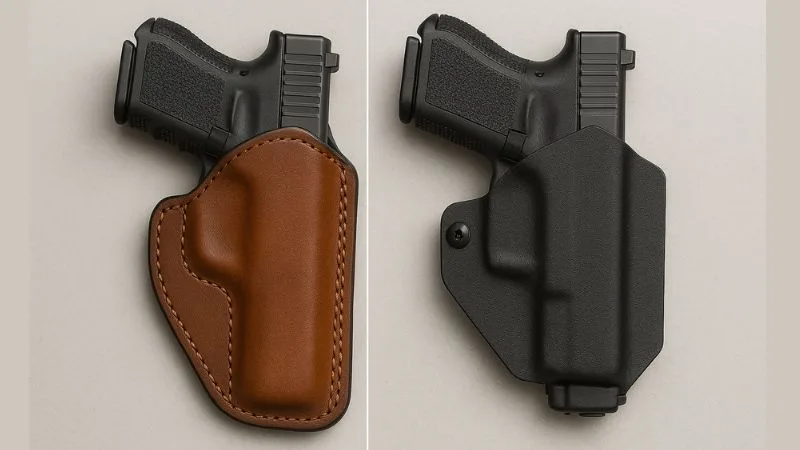
Image source: Bing (Web (fair-use with source credit))
Quick Answer
Kydex holsters are rigid, precisely molded thermoplastics offering secure retention and weather resistance. Leather holsters are made from natural hides, prioritizing comfort and molding to the user for a smoother draw. Kydex is low-maintenance, while leather requires conditioning.
Kydex Holsters: The Modern Workhorse
Kydex is a thermoplastic acrylic-polyvinyl chloride composite. This means it's essentially a tough plastic that gets heated until it's pliable, then vacuum-formed around a specific mold of a firearm. This process creates a holster that's incredibly form-fitting and has excellent retention.
Think of it as a custom shell made just for your gun.
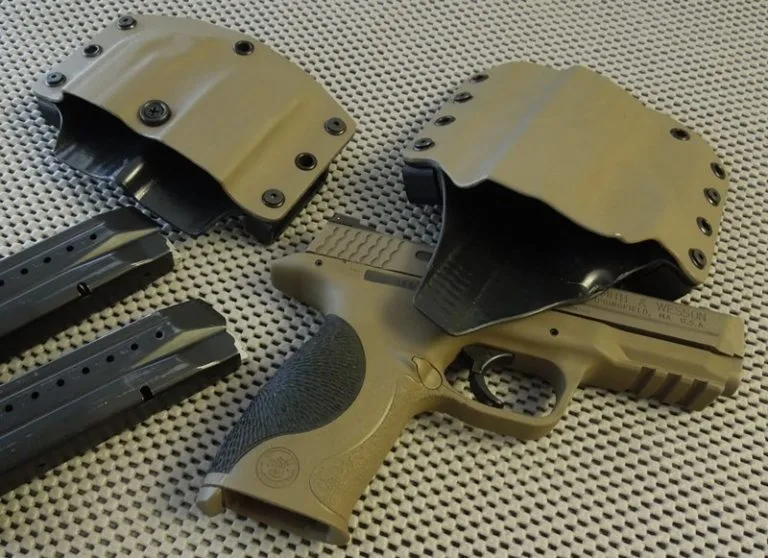
Image source: Bing (Web (fair-use with source credit))
What's Cool About Kydex?
- Super Secure Fit: Because it's molded so precisely, Kydex holsters usually offer excellent retention. You know your gun is going to stay put, even during vigorous activity. This is often measured by a "retention threshold," which is the force required to draw the firearm.
- Durable and Weather-Resistant: Kydex laughs at rain, sweat, and just about anything else you can throw at it. It doesn't warp or degrade easily in different conditions, and many manufacturers rate it for use in temperatures ranging from -40°F to 150°F (-40°C to 65°C). It's also highly resistant to chemicals.
- Easy to Clean: A quick wipe down with a damp cloth is usually all it takes to keep a Kydex holster looking good and free from debris.
- Consistent: Every Kydex holster made for a specific gun model will be pretty much identical in fit and function. You know exactly what you're getting, every time.
Where Kydex Might Not Be Your First Pick
- Can be Stiff and Uncomfortable: Especially when new, Kydex can feel a bit rigid against your body. Some users report it can dig in, particularly when sitting for long periods. It doesn't have the natural give that leather does.
- Potential for Scratches: While durable, the tight tolerances that provide excellent retention can sometimes cause micro-scratches on your firearm's finish over time. This is a trade-off for that snug fit.
- Not as Much "Give": Unlike leather, Kydex doesn't really mold to your body shape over time. What you get out of the box is pretty much what you'll always have. It doesn't soften or conform.
- Can be Noisy: Drawing from a Kydex holster can sometimes make a distinct "snap" sound. This is due to the material gripping the firearm's slide. While not an issue for many, it might be undesirable in very quiet environments where stealth is a priority.
Leather Holsters: The Classic Choice
Leather holsters are the traditional choice for a reason. They're made from tanned animal hides, and the quality can really vary depending on the type of leather, its thickness, and how it's crafted. When cared for, a good leather holster can last for years, developing a unique character and comfort.
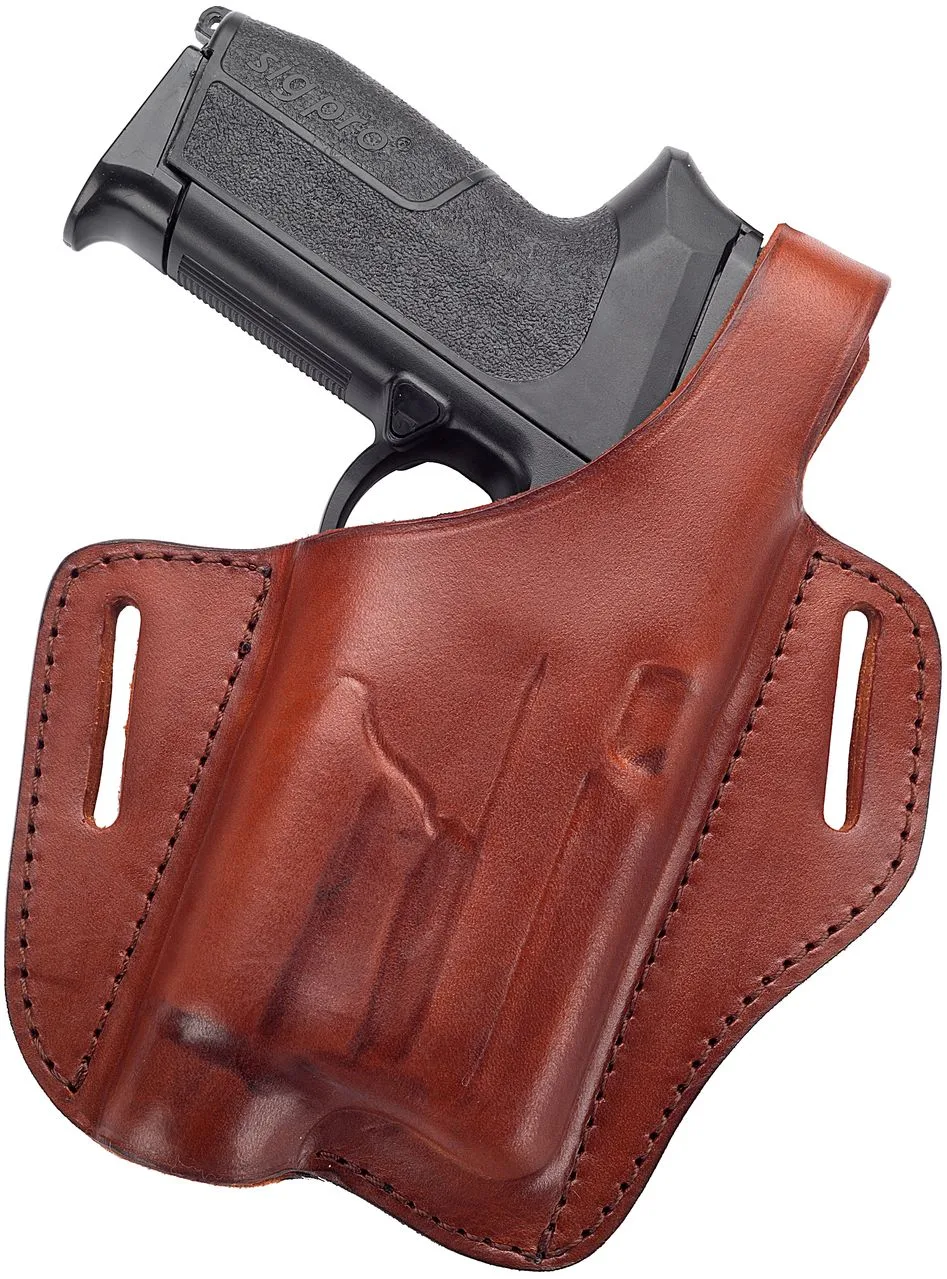
Image source: Web (Bing) / craftholsters.com (Web image (fair-use with source credit))
What Makes Leather a Favorite?
- Comfort: This is leather's big win. Over time, a good leather holster molds to your body and your firearm. It softens and develops a custom fit that many people find significantly more comfortable for all-day carry than rigid synthetics. This molding process typically takes a few weeks of consistent wear.
- Smooth Draw: A well-made leather holster often provides a slick, quiet draw. The natural oils and smooth interior of the leather allow the firearm to slide out easily and with minimal noise.
- Classic Aesthetics: Let's be honest, a nice leather holster just looks good. It has a timeless appeal that appeals to many carriers.
- Less Abrasive: Generally, leather is less likely to mar or scratch the finish on your firearm compared to Kydex. It's a gentler material against your gun's surface.
Now, About the Downsides of Leather
- Susceptible to the Elements: Leather doesn't love getting wet. Prolonged exposure to moisture from sweat or rain can cause it to warp, stretch, or even rot if not cared for properly. Manufacturers often recommend conditioning at least every 6, 12 months depending on climate.
- Requires Maintenance: To keep a leather holster in good shape, you'll likely need to condition it periodically. This involves applying specialized leather conditioners to keep it supple and prevent drying or cracking.
- Can Wear Out: Over many years of heavy use, leather can stretch and lose its retention, or the stitching might start to fray. This is a natural part of wear and tear for organic materials.
- Break-in Period: Most leather holsters need a "break-in" period to properly mold to your gun and your body. This can take some time and effort, often involving inserting the firearm repeatedly or using a "wet molding" technique.
- Retention Can Vary: While some leather holsters have excellent retention, it can sometimes be less consistent than a Kydex holster, especially as the leather ages and softens.
So, Which One Should You Go For?
Honestly, there's no single "better" option. It really comes down to your personal preferences and how you plan to use your holster. Think of it like choosing between hiking boots and running shoes, both are footwear, but for different activities and comforts.
Choose Kydex If…
- You prioritize rugged durability and weather resistance above all else. This is crucial if you work outdoors, live in a humid climate, or are generally hard on your gear.
- You want a very secure, consistent fit with excellent retention. If your priority is knowing your firearm is locked in place, Kydex excels.
- You don't mind a bit of stiffness or are willing to break in a holster that might feel rigid at first. Some users find even Kydex holsters become more comfortable with a few weeks of daily wear.
- You need something that's low maintenance and easy to clean. Kydex is about as wipe-and-go as it gets.
Choose Leather If…
- Comfort is your absolute top priority for long-term carry. If you carry for 12+ hours a day, the way leather molds to your body can be a game-changer.
- You prefer a smooth, quiet draw. This is a significant advantage for certain situations where noise needs to be minimized.
- You appreciate the classic look and feel of traditional materials. There's a certain heritage and aesthetic appeal to a well-crafted leather holster.
- You don't mind putting in a little effort for break-in and maintenance. This includes periodic conditioning and careful storage to protect it from moisture.
Many folks actually end up owning both! They might use a Kydex holster for range days or harsh conditions and a leather one for their daily carry when comfort is key. Think about your lifestyle, what you'll be doing most of the time, and what feels best to you.
That’s the best way to make the right call.
FAQs About Kydex and Leather Holsters
How long does it take for a Kydex holster to break in?
Kydex holsters typically require very little to no break-in period. They are designed to have a precise fit right out of the box due to the molding process. Any minor stiffness usually resolves within a day or two of regular use.
Does leather get less secure over time?
Yes, leather can become less secure over time as it softens and stretches with frequent use. However, for many, this softening actually increases comfort. Proper maintenance and occasional adjustment or replacement can maintain adequate retention.
Can Kydex scratch my gun's finish?
It's possible, though not guaranteed. The tight fit of Kydex means there's constant contact, which can lead to micro-scratches on certain firearm finishes over extended periods. Some users mitigate this with protective coatings on their firearms or by ensuring the holster is kept clean.
Is leather safe for concealed carry?
Absolutely. Leather holsters, when properly designed and maintained, are very safe for concealed carry. They offer good retention and comfort, making them a popular choice for everyday carry.
Which type of holster is better for sweat?
Kydex holsters are generally better for handling sweat and moisture because the material is non-absorbent and easy to clean. Leather can absorb sweat, which can degrade the material over time if not properly dried and conditioned.