Are you struggling to find the perfect portable lock box size for your needs? Choosing the right size is more than just picking what looks good—it’s about keeping your valuables safe and accessible without carrying extra bulk.
Whether you want to secure important documents, cash, or small gadgets, the size you pick can make all the difference. You’ll discover how to decide exactly what size portable lock box fits your lifestyle and security needs. Keep reading to make sure your belongings stay protected, no matter where you go.
Types Of Portable Lock Boxes
Portable lock boxes come in different sizes to fit various needs. Choosing the right size depends on what you plan to store. Small, medium, and large lock boxes each serve different purposes. Understanding these types helps you pick the best option.
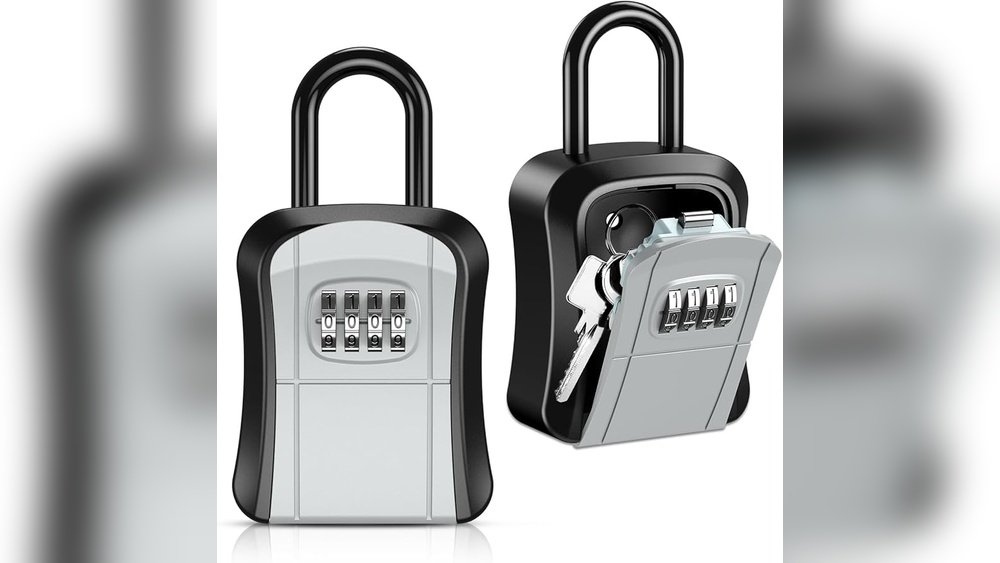
Small Lock Boxes
Small lock boxes are perfect for keys and small valuables. They are easy to carry and fit in tight spaces. These boxes are ideal for quick access items. They offer basic protection and convenience.
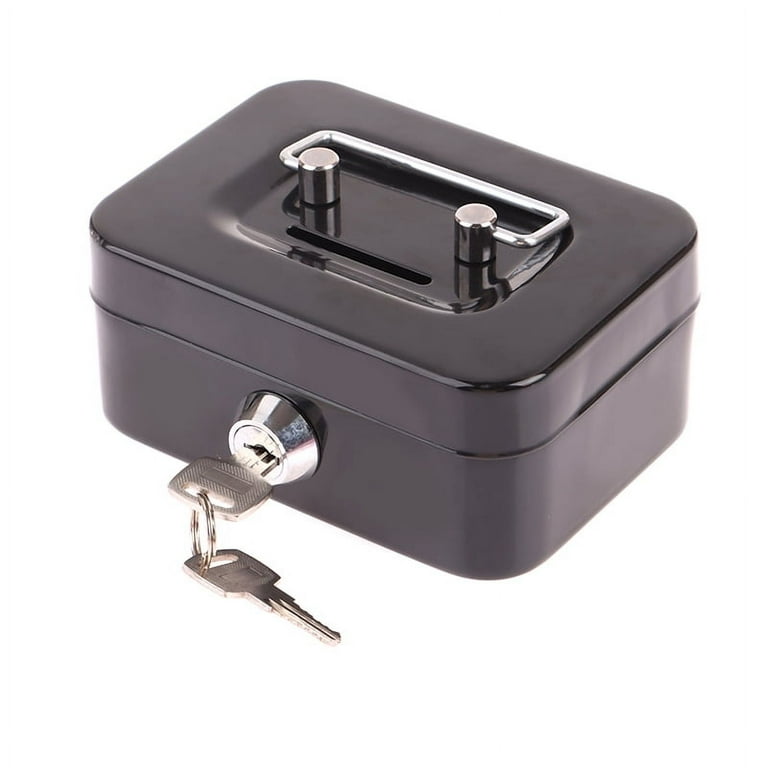
Medium Lock Boxes
Medium lock boxes hold more items like documents and small gadgets. They balance size and portability well. These boxes suit everyday use for home or work. They provide extra space without being bulky.
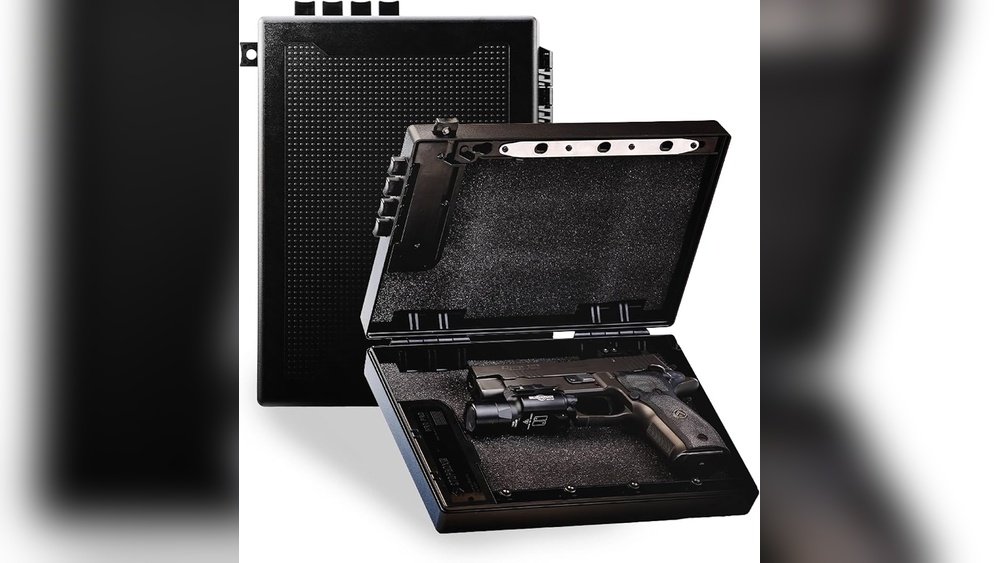
Large Lock Boxes
Large lock boxes store bigger items or multiple valuables. They are best for storing important documents, cash, or electronics. These boxes offer the most security and capacity. They are less portable but provide strong protection.
Factors Influencing Lock Box Size
Choosing the right size for a portable lock box depends on several factors. These factors help you find a lock box that fits your needs perfectly. Understanding these points makes your decision easier and smarter.
Items To Store
Consider what you want to keep inside the lock box. Small items like keys or cash need a small box. Larger items like documents, passports, or electronics require a bigger space. Think about both size and quantity of your valuables.
Portability Needs
How often you move the lock box affects its size choice. A small, light box is easy to carry on trips. Bigger boxes offer more space but can be heavy and bulky. Balance size with how much you want to carry around.
Security Requirements
The size of the lock box can affect security. Larger boxes might allow for stronger locks and thicker walls. Smaller boxes may be easier to hide or carry. Decide what level of security you need for your items.
Measuring Your Items
Choosing the right portable lock box starts with knowing what you want to store inside. Measuring your items helps find a box that fits well. It prevents buying a box that is too big or too small. This step saves time and money. It also keeps your valuables safe and organized.
Dimensions And Volume
First, measure the length, width, and height of each item. Write down the largest measurements. Add a little space to allow easy placement and removal. Calculate the total volume by multiplying length, width, and height. This gives a rough idea of the space needed inside the box. Look for a lock box with interior dimensions slightly larger than your items’ size.
Weight Considerations
Think about how heavy your items are. Some lock boxes have weight limits. A heavy box can be hard to carry or move. Choose a box that supports your items’ weight comfortably. Consider both the box’s weight and the contents. This ensures safety and ease during transport.
Common Uses For Lock Boxes
Portable lock boxes come in many sizes and serve many purposes. Choosing the right size depends on what you plan to store. Understanding common uses helps decide the best fit.
Travel And Vacation
Travelers use lock boxes to keep important items safe. Passports, cash, and jewelry fit inside. Small boxes work well for hotel rooms. They protect valuables from theft or loss. A compact lock box is easy to carry and store.
Home Security
Lock boxes help keep homes secure. People store spare keys or important documents inside. A medium-sized box fits well near the door. It prevents unwanted access while allowing quick entry. Lock boxes add a layer of protection to homes.
Worksite Protection
At worksites, lock boxes secure tools and equipment. Large boxes hold multiple tools or important gear. They keep items safe from theft and weather damage. Portable lock boxes make transporting tools easier. They improve job site organization and security.
Material And Build Impact On Size
The material and build of a portable lock box greatly affect its size and weight. Different materials offer various levels of protection and durability. These factors influence how big or small the box can be while still being strong and secure.
Choosing the right material helps balance size and strength. Some materials allow for thinner walls without losing toughness. Others need extra thickness to keep the contents safe. This choice impacts the overall size and portability of the lock box.
Steel Vs. Plastic
Steel lock boxes are strong and tough. They resist cutting and breaking better than plastic. This strength means steel boxes can be smaller but still protect well.
Plastic lock boxes weigh less and cost less. They can be larger to make up for weaker material. Plastic is good for light use or short trips but less secure.
Steel is best for high security needs. Plastic fits casual or travel use. The material choice changes the size you need.
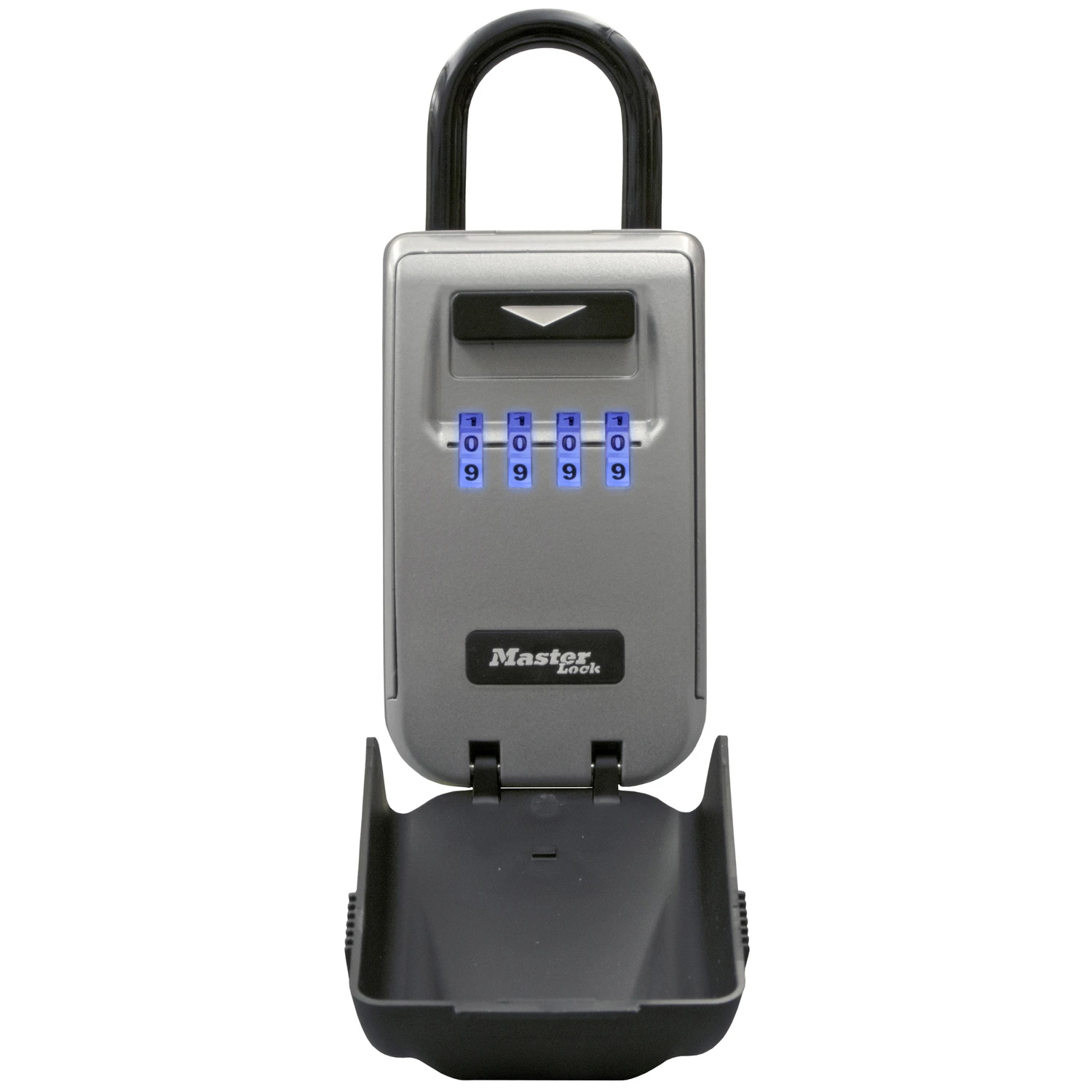
Compact Designs
Compact lock boxes use smart design to save space. They fit in small bags or tight spots easily. The build maximizes storage without extra bulk.
These designs often use thin, strong materials. They focus on protecting essentials only. Compact boxes suit people who carry minimal items.
Choosing compact means less weight and easier transport. It also means less room for many items. The right size depends on what you carry most.
Choosing The Right Lock Box Size
Picking the right size for a portable lock box matters a lot. The size affects what you can store safely inside. It also impacts how easy it is to carry or hide the box. Too big, and it might be heavy or awkward. Too small, and your important items may not fit.
Understanding your needs helps find the perfect balance. Think about what items you want to protect now. Also, consider what you might want to keep in the future. The right size keeps your belongings safe and makes using the lock box simple.
Balancing Size And Security
Security depends on the lock box size and build. Larger boxes offer more space but can be less secure if too bulky. Small boxes are easier to hide and carry. They usually have strong locks but less room for items.
Choose a size that fits your security needs. Keep in mind, a bigger box is not always safer. The material and lock type also matter. Think about where you will store or carry the box daily.
Future Storage Needs
Think about what you might need to store later. Your collection of items can grow over time. A box that fits today’s needs might be too small soon. Choose a size that allows some extra space for future items.
This helps avoid buying a new lock box too soon. A bit of extra room keeps your valuables safe as your needs change. Planning ahead saves time and money in the long run.
Tips For Maintaining Your Lock Box
Maintaining your portable lock box is key for lasting security. Proper care keeps it working well and protects your valuables. Simple daily habits and regular checks help avoid problems.
Small steps can extend the life of your lock box. Clean it often and keep the locking mechanism smooth. Store it in a dry place to stop rust and damage.
Cleaning Your Lock Box
Use a soft cloth to wipe dust and dirt. Avoid harsh chemicals that can harm the surface. Mild soap and water work best for cleaning. Dry the box fully after cleaning to stop rust.
Lubricating The Lock Mechanism
Apply a small amount of lubricant to the lock. Use graphite powder or silicone spray for smooth operation. Do this every few months or if the lock feels stiff. Avoid oil-based lubricants that attract dust.
Checking For Damage
Inspect your lock box regularly for dents or cracks. Look for signs of rust or corrosion on metal parts. Fix small issues early to prevent bigger problems. Replace worn-out parts as needed to keep it secure.
Proper Storage Tips
Keep the lock box in a cool, dry place. Avoid areas with high humidity or direct sunlight. Store it away from chemicals that can cause damage. Use a protective cover if possible to shield from dust and moisture.

Frequently Asked Questions
What Factors Determine The Size Of A Portable Lock Box?
The size depends on what items you plan to store. Consider valuables’ dimensions, quantity, and storage space needed. Also, think about portability and ease of access. Choose a size that balances security and convenience for your specific needs.
How To Measure Items For The Right Lock Box Size?
Measure the longest, widest, and tallest items you want to store. Add extra space for padding or future additions. Compare these dimensions with lock box sizes to ensure a comfortable fit. Accurate measuring prevents buying a box that is too small or unnecessarily large.
Can A Small Lock Box Secure Larger Valuables Effectively?
Small lock boxes suit smaller valuables like jewelry or documents. They may not fit larger items like laptops or cameras. For bigger valuables, choose a medium or large lock box. Security depends on size and appropriate fit to prevent damage or theft.
Is Portability Affected By Lock Box Size?
Yes, larger lock boxes are heavier and less portable. Smaller boxes are lightweight and easier to carry. Consider how often you need to move the box. Choose a size that balances security needs with your mobility requirements.
Conclusion
Choosing the right portable lock box size depends on what you need to store. Think about the items’ size and quantity before deciding. A box too small won’t hold everything safely. A box too big might be hard to carry.
Find a balance between space and portability. Remember, a good lock box keeps your valuables secure. Take your time to pick the best size for your needs. Safety and convenience go hand in hand. Simple steps lead to smart choices.