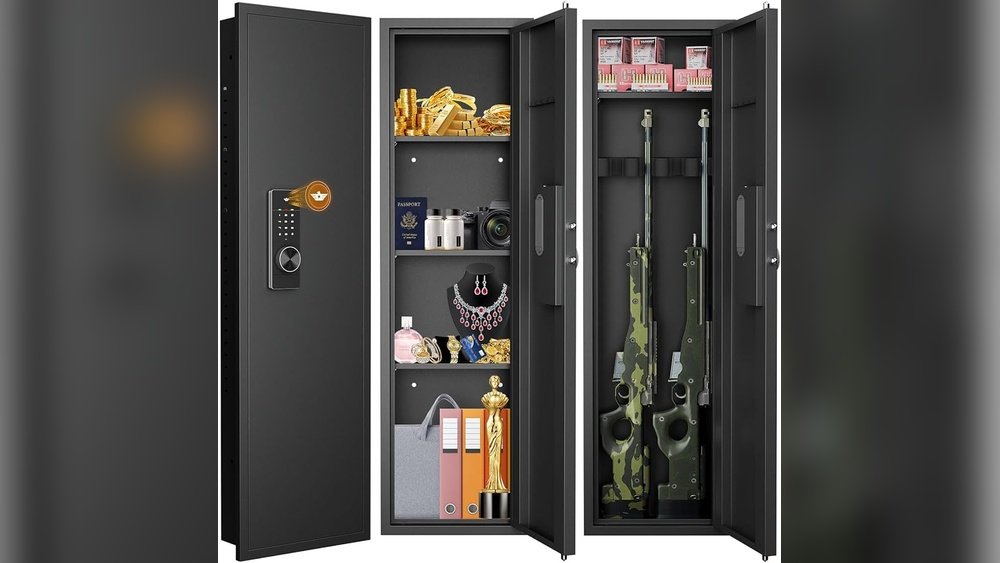
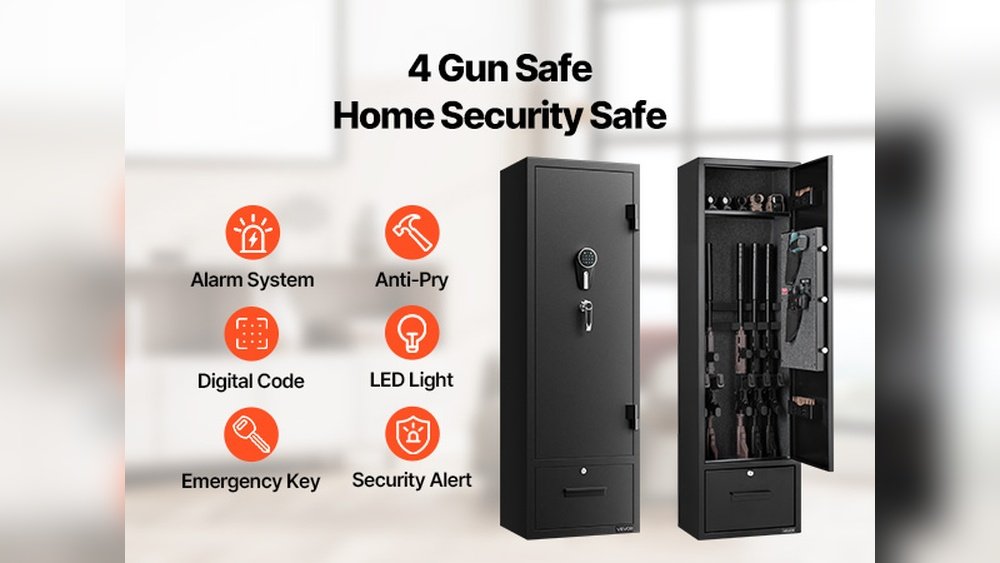
If you own a gun safe, keeping it secure is probably one of your top priorities. You want to make sure no one can access your firearms without your permission.
That’s where alarms come in—and magnetic door sensors are often a popular choice. But are magnetic door sensors really the best option for protecting your gun safe? You’ll discover how these sensors work, their strengths and weaknesses, and whether they can give you the peace of mind you need.
Keep reading to find out if magnetic door sensors are the right fit for your gun safe alarm system.
Magnetic Door Sensors Basics
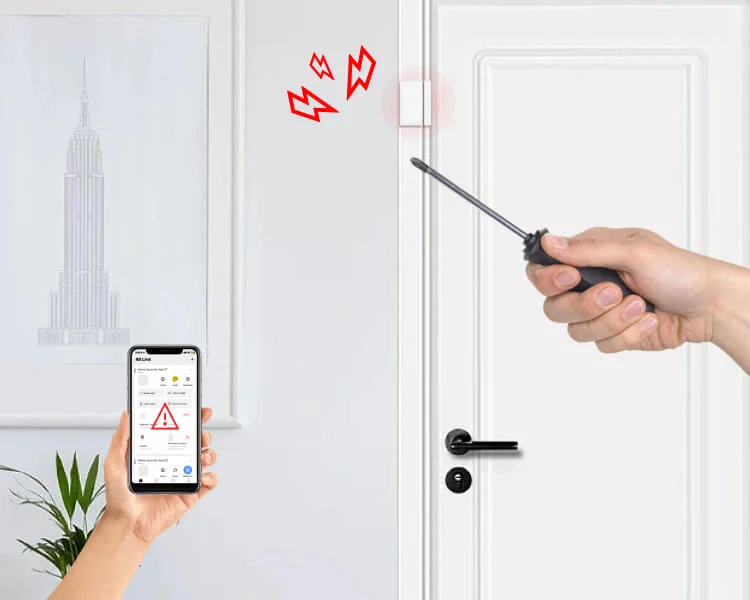
Magnetic door sensors are common in security systems. They help detect when a door opens or closes. These sensors are simple but effective for gun safe alarms. They work by sensing the magnetic field between two parts. One part attaches to the door, and the other to the door frame.
When the door is closed, the magnetic field stays strong. Opening the door breaks the magnetic link. This triggers the alarm. Understanding how these sensors work helps in choosing the right one for your gun safe.
How Magnetic Sensors Work
Magnetic sensors have two main parts: a magnet and a sensor switch. The magnet goes on the door. The sensor switch mounts on the frame. When the door closes, the magnet and switch come close together. The magnetic field keeps the switch in an “on” state.
Opening the door moves the magnet away. The sensor switch turns “off.” This change sends a signal to the alarm system. The alarm then sounds to warn of a potential breach.
Types Of Magnetic Sensors
There are several types of magnetic door sensors. The most common are reed switches and hall effect sensors. Reed switches use two metal reeds inside a glass tube. The magnet pulls the reeds together to close the circuit.
Hall effect sensors detect magnetic fields electronically. They are more sensitive and have no moving parts. Both types are reliable for gun safe alarms. The choice depends on your budget and security needs.
Benefits For Gun Safe Security
Magnetic door sensors offer strong benefits for gun safe security. They help protect your firearms by alerting you the moment the safe is opened. These sensors add a layer of safety that is both reliable and easy to manage.
They work quietly and efficiently, making them a smart choice for anyone wanting to secure their gun safe. Below are key benefits that show why magnetic door sensors are a good fit for gun safes.
Instant Door Status Detection
Magnetic sensors detect if the door is open or closed right away. This instant detection helps you know the safe’s status at all times. It reduces the risk of unauthorized access by sending immediate alerts.
You don’t have to guess if the door was left open. The sensor provides clear and fast feedback for peace of mind.
Low Power Consumption
These sensors use very little power, which means batteries last longer. You won’t need to change batteries often, saving time and money. Low power use also helps keep the sensor running smoothly without interruption.
This makes magnetic sensors a dependable choice for long-term security needs.
Easy Installation
Magnetic door sensors are simple to install. They usually come with adhesive pads or screws for quick setup. No special tools or skills are needed, so anyone can install them at home.
Easy installation means you can start protecting your gun safe right away without hassle.
Limitations To Consider
Magnetic door sensors offer a simple way to protect your gun safe. They detect when the door opens or closes. But they come with some limits you should know. These limits can affect how well the alarm works.
Vulnerability To Tampering
Magnetic sensors can be tricked by skilled intruders. They might cut wires or block the sensor. This stops the alarm from sounding. Sensors placed outside the safe are easier to tamper with. Inside installation offers better security but can be complex.
False Alarm Triggers
These sensors can cause false alarms. Strong magnets nearby might trigger the alarm. Door vibrations or slight movements also set off alerts. False alarms can cause frustration and reduce trust in the system. Regular checks and proper installation help reduce false alerts.
Signal Range Issues
Wireless magnetic sensors need a strong signal to work well. Thick walls or metal safes can block signals. This may cause delays or missed alerts. Using signal boosters or wired connections can improve performance. Check the signal strength before final setup.
Comparison With Other Sensors
Choosing the right sensor for a gun safe alarm is important. Different sensors work in different ways. Comparing magnetic door sensors with other types helps understand their strengths and limits. This knowledge guides better decisions for safe security.
Motion Sensors
Motion sensors detect movement near the safe. They trigger alarms if someone approaches. They cover a wide area around the safe. But they can cause false alarms from pets or air movement. They do not detect if the safe door opens without motion nearby.
Vibration Sensors
Vibration sensors sense shaking or hitting of the safe. They alert if someone tries to break or move the safe. They work well against physical attacks. Yet, small vibrations might not trigger them. Normal household noise can sometimes cause false alarms.
Biometric Sensors
Biometric sensors use fingerprints or retinal scans. They allow access only to authorized users. They provide high security for gun safes. These sensors are costly and need power to work. They do not alert if someone tries to open the safe without permission.
Integration With Alarm Systems
Magnetic door sensors play a key role in securing gun safes by detecting when the door opens. Their true value increases with how well they connect to alarm systems. Effective integration ensures quick alerts and better protection.
Wired Vs Wireless Systems
Wired magnetic door sensors offer steady and reliable signals. They work well in fixed setups and reduce interference risks. Installation can be more complex and may require drilling.
Wireless sensors are easier to install and move. They connect using radio signals and do not need wires. Batteries power them, so regular checks are needed to avoid failure.
Choosing between wired and wireless depends on your safe’s location and alarm system type. Both types can protect your gun safe effectively when integrated properly.
Smart Home Compatibility
Many modern magnetic door sensors connect with smart home systems. This feature allows you to monitor your gun safe remotely. Alerts can come straight to your phone or smart device.
Smart integration means you can link sensors to other devices like cameras and lights. This creates a stronger security network around your safe. It helps to react quickly to any unauthorized access.
Check if your magnetic sensor supports popular smart platforms like Alexa or Google Home. This compatibility enhances control and convenience for your gun safe security.
Installation Tips For Gun Safes
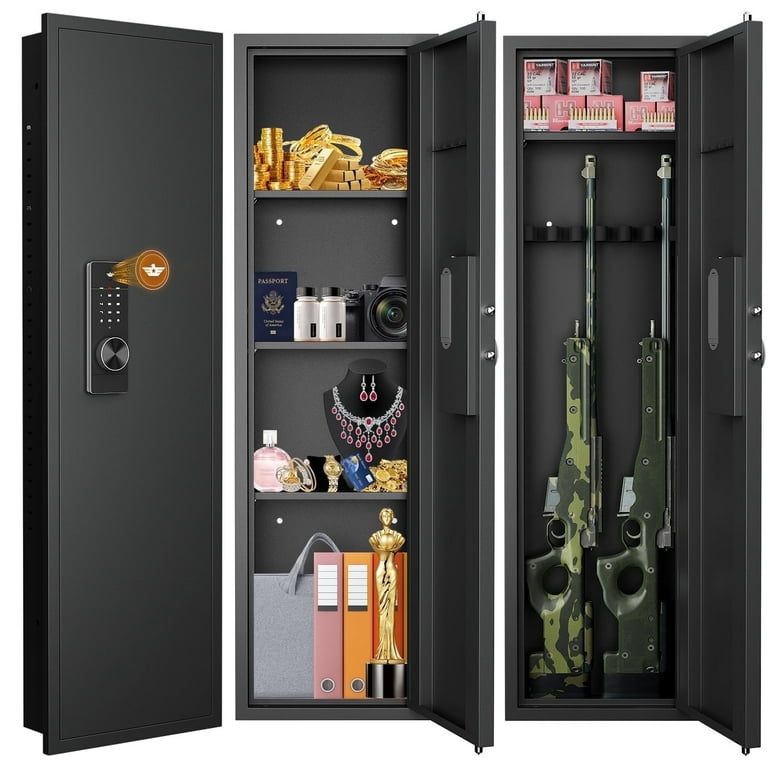
Installing magnetic door sensors on gun safes requires careful attention. Proper installation ensures the alarm works correctly and protects your valuables. A few key steps can help you set up sensors effectively and keep your safe secure.
Optimal Sensor Placement
Place sensors where the door and frame meet tightly. This spot allows the sensor to detect when the door opens. Avoid areas with gaps or uneven surfaces. Sensors work best on clean, flat metal or wood.
Install the sensor near the top or side of the door. This location is less likely to be tampered with. Ensure the magnet aligns perfectly with the sensor. Misalignment can cause false alarms or no alerts.
Maintenance And Testing
Check sensors regularly for dust and dirt. Clean them with a soft cloth to keep sensitivity high. Test the alarm system monthly. Open and close the door to confirm the sensor triggers the alarm.
Replace batteries on time to avoid sensor failure. A working sensor gives peace of mind. Regular care ensures your gun safe alarm stays reliable and ready.
Cost And Value Assessment
Assessing the cost and value of magnetic door sensors for gun safe alarms helps you make smart choices. You want to protect your firearms without spending too much. Understanding price and long-term benefits shows if these sensors are worth it.
Spending a little more now can save money and trouble later. A clear view of cost and value guides your decision for better security.
Price Range
Magnetic door sensors come in many price points. Basic models start at low prices suitable for simple setups. More advanced sensors with extra features cost more. Prices usually range from $10 to $50 each. Buying in sets can reduce costs per sensor. Installation costs vary depending on your safe and setup. Simple DIY installation costs less than professional help. Always check for sensor quality and warranty before buying. Low prices may mean fewer features or weaker durability.
Long-term Benefits
Magnetic sensors offer lasting protection for your gun safe. They alert you immediately if someone opens the door. This helps prevent theft or unauthorized access. Sensors use little power, so batteries last long. Low maintenance saves money and effort over time. Reliable sensors reduce worry about your firearms’ safety. Good sensors can increase your gun safe’s overall value. Investing in quality sensors avoids frequent replacements. Peace of mind is a key benefit worth the cost.

User Experiences And Reviews
User experiences and reviews give real insight into how magnetic door sensors work for gun safe alarms. These sensors are popular for their simple design and ease of use. Many users share their honest opinions about performance, reliability, and ease of installation. This section highlights both positive feedback and common complaints from actual users.
Positive Feedback
Many users appreciate the quick response time of magnetic door sensors. They notice alarms sound immediately when the safe door opens. Installation is often described as easy, with clear instructions included. Users value the low maintenance and long battery life of these sensors. Several reviews mention the sensors blend well with their gun safes. The affordable price makes these sensors a practical choice for many. People feel safer knowing their guns are protected by reliable alarms.
Common Complaints
Some users find the sensors sensitive to small movements or vibrations. This causes false alarms, which can be frustrating. A few reviews mention the magnets sometimes lose connection over time. Certain models have issues with battery life, needing frequent replacement. Users also report that strong metal safes can interfere with sensor signals. In rare cases, installation was tricky due to sensor size or door design. These issues show magnetic sensors might not fit every gun safe perfectly.
Frequently Asked Questions
What Are Magnetic Door Sensors For Gun Safes?
Magnetic door sensors detect when a gun safe door opens or closes. They trigger alarms if unauthorized access occurs, enhancing security.
How Effective Are Magnetic Sensors In Gun Safe Alarms?
Magnetic sensors provide reliable detection of door movement. They offer quick alerts but should be combined with other security measures for best protection.
Can Magnetic Door Sensors Prevent Gun Theft?
While they alert you to unauthorized access, magnetic sensors alone cannot prevent theft. They act as an early warning system to deter intruders.
Are Magnetic Door Sensors Easy To Install On Gun Safes?
Yes, most magnetic sensors are easy to install. They typically require minimal tools and can be attached to the door and frame.
Conclusion
Magnetic door sensors offer reliable protection for gun safe alarms. They quickly detect when a door opens or closes. These sensors are easy to install and require little maintenance. They help alert you to unauthorized access immediately. Still, they work best when combined with other security measures.
Choosing the right sensor depends on your specific needs. Overall, magnetic sensors add an important layer of safety. They keep your firearms secure and provide peace of mind. Simple, effective, and practical for everyday use.