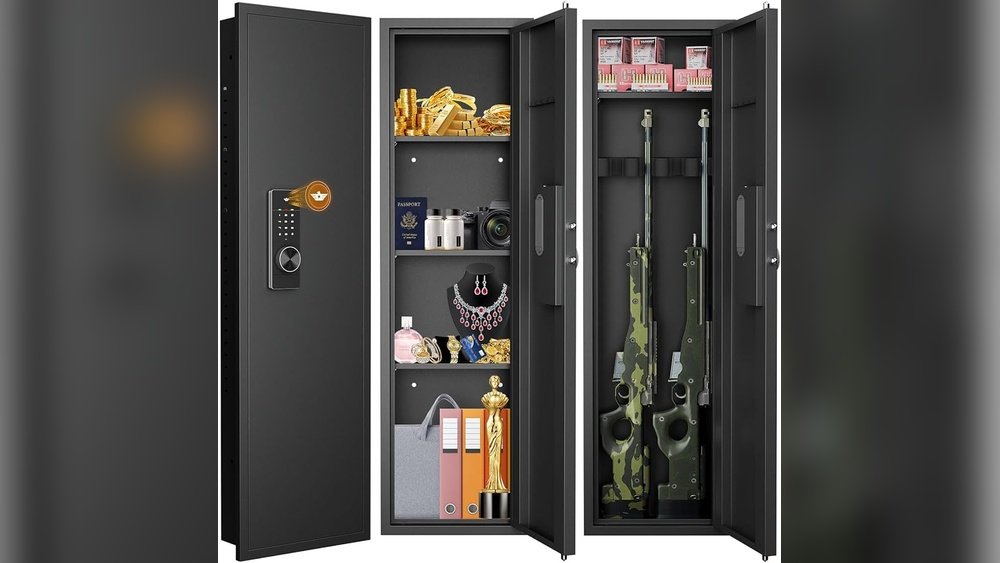
When it comes to protecting your firearms, you want every layer of security to work perfectly. One key feature many gun safes offer is a motion alarm.
But how sensitive are these alarms really? Could they alert you to the smallest movement, or only when someone tries to break in? Understanding how sensitive motion alarms in gun safes are can make a big difference in your peace of mind and the safety of your guns.
Keep reading to discover what you need to know to choose the right safe for your needs and keep your valuables secure.
Motion Alarm Basics
Motion alarms in gun safes help protect your firearms by detecting movement. They alert you if someone tries to tamper with or move the safe. These alarms offer an extra layer of security beyond just locks and codes. Understanding how they work can help you choose the right safe for your needs.
Motion alarms vary in sensitivity and technology. Some detect even small vibrations, while others need larger movements. Learning the basics of motion sensors and detection methods is important. This knowledge helps you understand how these alarms keep your guns secure.
Types Of Motion Sensors
Gun safes use several types of motion sensors. Accelerometers detect changes in speed or direction. They sense if the safe is tilted or moved suddenly. Gyroscopes measure rotation and angle changes. They spot if the safe is being twisted or turned.
Some alarms use vibration sensors. These respond to shaking or tapping on the safe. Ultrasonic sensors send sound waves and detect changes when the safe moves. Each sensor type has different sensitivity levels and uses.
How Motion Detection Works
Motion alarms monitor movement by measuring physical changes. Sensors detect shifts in position, speed, or vibration. When the safe moves, the sensor sends a signal to the alarm system. The alarm then activates, usually with a loud sound or notification.
Sensitivity settings control how much movement triggers the alarm. Higher sensitivity means smaller motions cause alerts. Lower sensitivity avoids false alarms from minor vibrations. This balance helps protect your safe without frequent false alerts.
Sensitivity Levels Explained
Motion alarms in gun safes protect your valuables by detecting movement. Their sensitivity levels control how much motion triggers the alarm. Understanding these levels helps you set the alarm to suit your needs. Too sensitive, and it might trigger false alarms. Not sensitive enough, and it might miss real threats. Let’s explore how sensitivity works in these alarms.
Adjustable Sensitivity Settings
Many gun safes come with adjustable sensitivity controls. You can increase or decrease the alarm’s response to movement. This adjustment helps prevent false alarms from small vibrations or pets. You can set it low for less sensitive detection. Or set it high to catch even the slightest motion. This flexibility keeps your safe secure and your alarms useful.
Factors Affecting Sensitivity
Several factors influence how sensitive a motion alarm is. The type of sensor inside the safe plays a big role. Environmental factors like wind or nearby traffic can cause vibrations. Placement of the safe matters too. A safe on a solid floor will have fewer false alarms. Battery life can affect sensor performance as well. These factors impact how well your motion alarm works.
Common Motion Alarm Features
Motion alarms in gun safes come with features that protect your valuables effectively. These features help detect movement and alert you promptly. Understanding these features helps you choose the best alarm for your needs.
Alarm Volume And Duration
Most motion alarms have loud sounds to catch your attention quickly. The volume usually ranges from 90 to 120 decibels. This is loud enough to scare off intruders and alert nearby people.
The alarm duration varies too. Some alarms sound for a few seconds, while others last for several minutes. Longer alarms increase the chance of stopping theft. Many models allow you to set the alarm length.
Battery Life And Power Options
Battery life is crucial for motion alarms in gun safes. Alarms often use AA or AAA batteries. Some models offer rechargeable batteries for convenience.
Other alarms connect to a power outlet or have backup batteries. Backup batteries keep the alarm working during power failures. Check the battery life before buying. A longer battery life means less frequent changes and better protection.

Installation Tips For Accuracy
Installing motion alarms in gun safes requires care for best accuracy. Proper setup ensures the sensor detects real threats and avoids false alerts. Small changes in placement and environment can affect how well the alarm works. Follow these tips to get the most from your motion alarm system.
Optimal Sensor Placement
Place the sensor where it covers the largest area inside the safe. Corners near the top often work well. Avoid spots blocked by shelves or items inside the safe. The sensor should face the door and open space. Keep it away from heat sources or vents that can cause false triggers. Test the sensor after installation to confirm it detects motion clearly.
Avoiding False Alarms
False alarms waste time and cause frustration. Remove objects that move easily inside the safe. Secure loose papers, cords, or bags. Avoid installing the sensor near windows or vents where light or air movement triggers it. Check the sensor’s sensitivity settings and lower them if needed. Regularly clean the sensor lens to prevent dust buildup, which can cause errors.
Comparing Popular Gun Safe Alarms
Comparing popular gun safe alarms helps find the right balance of sensitivity and reliability. Different brands offer various motion detection features. Some alarms respond to slight movements, while others need stronger triggers. Understanding these differences helps protect your firearms better.
Top Brands And Models
Several brands lead the market with trusted gun safe alarms. Fort Knox offers alarms with adjustable sensitivity settings. Barska models come with loud sirens and easy installation. Vaultek safes include smart motion sensors that link to your phone. Each model suits different needs and budgets.
User Reviews And Feedback
Users often praise alarms that avoid false triggers from small vibrations. Some report that very sensitive alarms go off too easily. Others appreciate alarms that detect even slight movements inside the safe. Reviews highlight the importance of tuning sensitivity for home conditions. Real user experiences guide the choice of the best alarm.

Maintenance And Troubleshooting
Proper maintenance keeps motion alarms in gun safes working well. It helps detect movement quickly and avoid false alarms. Troubleshooting solves small problems before they grow. Both steps improve the alarm’s reliability and your peace of mind.
Regular Testing And Calibration
Test the motion alarm every few weeks. Use slow and steady movements near the safe. Check if the alarm reacts correctly. If it misses or triggers falsely, adjust the sensitivity.
Calibration matches the alarm to your room’s conditions. Dust, temperature, and placement affect sensitivity. Follow the manufacturer’s guide to calibrate the sensor. Proper calibration stops false alarms and improves detection.
Common Issues And Fixes
False alarms often happen due to pets or vibrations. Move the safe away from noisy areas. Tighten loose parts that cause shaking.
Battery problems lower alarm performance. Replace batteries regularly. Use fresh, high-quality batteries for best results.
Sometimes, sensors get dirty or blocked. Clean the sensor gently with a soft cloth. Avoid harsh chemicals that can damage it.
Enhancing Safe Security
Motion alarms in gun safes offer strong protection by detecting unusual movements. They alert you if someone tries to tamper with your safe. But relying only on motion alarms may not be enough for full security.
Combining motion alarms with other security features can make your safe much safer. Using multiple layers of protection reduces the chance of theft or unauthorized access. This section explains how to boost your safe’s security effectively.
Combining Alarms With Other Security Measures
Pair motion alarms with strong locks and reinforced steel walls. A quality lock stops easy break-ins. Steel walls add toughness to the safe’s body.
Adding a silent alarm can notify you without alerting the intruder. Biometric locks use fingerprints for extra security. These methods make it harder for thieves to open your safe.
Smart Home Integration
Smart home systems connect your gun safe alarms to your phone or computer. You get instant alerts if the alarm sounds. This helps you act quickly and call for help.
Remote access lets you check your safe status anytime. Some systems link with cameras to show live video. This adds another layer of security and peace of mind.
Frequently Asked Questions
How Sensitive Are Motion Alarms In Gun Safes?
Motion alarms in gun safes are highly sensitive to detect any unauthorized movement. They use advanced sensors to respond instantly to vibrations or tilting, ensuring quick alerts and enhanced security for your firearms.
Can Motion Alarms Prevent Theft From Gun Safes?
Yes, motion alarms deter theft by triggering loud alerts when tampered with. This immediate warning discourages intruders and notifies owners or authorities quickly, significantly improving firearm security.
Do Motion Alarms Cause False Alarms In Gun Safes?
Motion alarms are designed to minimize false alarms by filtering out minor vibrations. Proper installation and calibration help ensure they only activate during significant unauthorized movements, reducing unnecessary alerts.
Are Motion Alarms Adjustable In Gun Safes?
Many gun safes allow you to adjust motion alarm sensitivity. This customization helps balance security and reduce false alarms, tailoring protection to your specific environment and needs.
Conclusion
Motion alarms in gun safes offer strong protection. They detect even small movements quickly. Sensitivity levels vary by model and brand. Choose an alarm that fits your safety needs. Proper setup ensures the alarm works well. This helps keep your firearms secure and safe.
Remember, a good alarm adds peace of mind. Stay informed to pick the right motion alarm. Safety is always worth the careful choice.