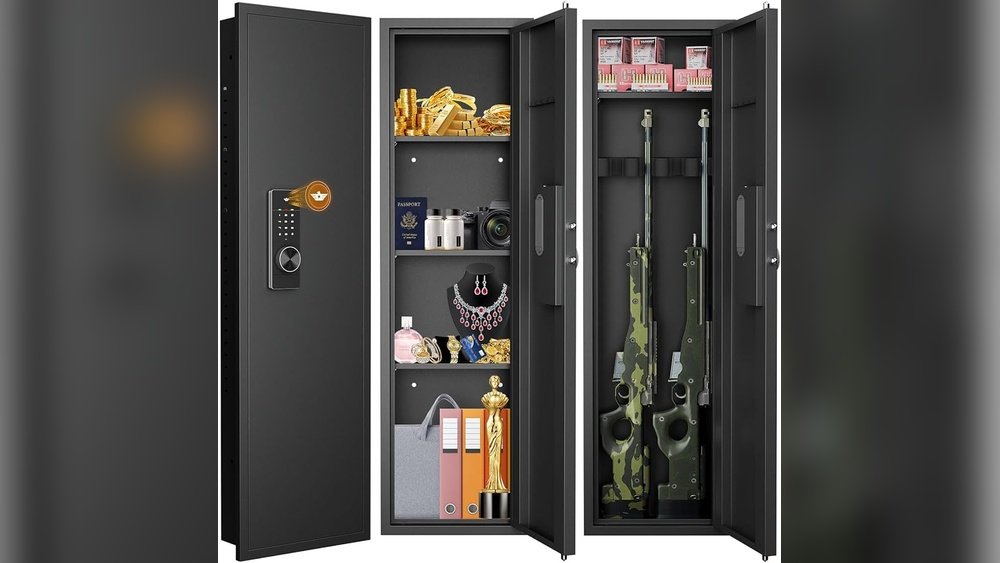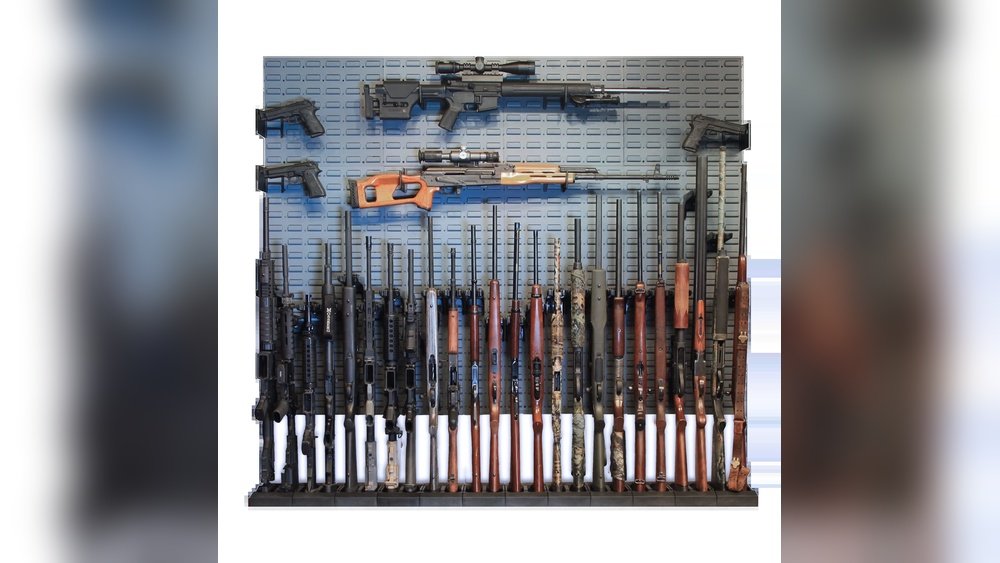
Are you looking to boost the security of your gun safe without buying a new one? Adding a security alarm to your existing gun safe can give you extra peace of mind and protect your valuables from unauthorized access.
But is it really possible, and how effective will it be? You’ll discover simple ways to upgrade your safe’s security, what to consider before installation, and which alarm options work best. Keep reading to find out how you can make your gun safe safer and smarter—because your protection matters.

Benefits Of Adding An Alarm
Adding a security alarm to a gun safe can greatly improve its safety features. It adds another layer of defense that protects your valuables. The benefits of having an alarm on your safe go beyond just alerting you. It helps prevent theft and gives you confidence in your security measures.
Enhanced Protection
An alarm adds instant alert if someone tries to open the safe without permission. It acts as a strong shield against unauthorized access. This extra protection reduces the risk of theft or tampering. Your gun safe becomes much harder to break into with an alarm system.
Deterrent For Intruders
The loud sound from an alarm scares off intruders quickly. It stops thieves before they can cause harm or steal your items. The presence of an alarm makes your safe a less attractive target. Criminals tend to avoid safes that trigger alarms.
Peace Of Mind
Knowing your gun safe has an alarm helps you feel secure. It lowers worries about break-ins or unauthorized use. You can relax, trusting that your valuables are well protected. The alarm gives confidence in your home’s safety.
Types Of Security Alarms
Security alarms for gun safes offer many options. Each type protects your safe in a unique way. Knowing these types helps you choose the right alarm. This section explains the main types of security alarms.
Door And Motion Sensors
Door sensors detect when the safe door opens. They trigger an alarm if someone tries to open it. Motion sensors watch for movement near the safe. These sensors alert you if there is unusual activity. Both help stop theft by alerting you quickly.
Vibration And Shock Detectors
Vibration sensors sense shaking or tampering of the safe. They trigger an alarm if someone tries to break in. Shock detectors respond to strong impacts on the safe. These alarms are good for protecting against forced entry. They add a layer of security beyond just door monitoring.
Wireless Vs Wired Systems
Wireless alarms connect without cables using radio signals. They are easy to install and move if needed. Wired systems use cables for power and signals. They are often more reliable and harder to hack. Each system has pros and cons depending on your needs.
Compatibility With Gun Safes
Adding a security alarm to a gun safe can boost protection and peace of mind. Not all gun safes work the same with alarms. Compatibility depends on several factors. Understanding these helps find the best alarm for your safe. This guide breaks down key points about compatibility.
Safe Construction And Alarm Integration
Gun safes have different materials and designs. Steel thickness affects alarm attachment. Thick steel walls can block alarm signals or make installation hard. Some safes have built-in alarm slots or wiring options. These safes fit alarms more easily. Alarms work best when they attach securely to the safe’s surface. Choose alarms designed for metal or heavy-duty surfaces.
Power Source Considerations
Alarms need power to function. Battery-powered alarms offer easy installation. No wires needed. Battery life varies by model and use. Some alarms connect to the safe’s power supply. This means constant power but requires wiring skills. Solar-powered alarms are rare but eco-friendly. Choose a power source that fits your safe’s location and your maintenance ability.
Size And Placement Options
Alarm size affects placement on a gun safe. Small alarms fit discreetly on doors or corners. Larger alarms may need more space and secure mounting. Placement impacts alarm sensitivity. Placing an alarm near hinges or locks improves detection. Avoid spots where vibrations don’t register. Plan the alarm location for easy access and best coverage.
Installation Tips
Installing a security alarm on your existing gun safe can boost protection. Follow simple steps for smooth setup. Prepare tools and materials. Take time for careful installation. Test the system to ensure it works well.
Tools And Materials Needed
Gather essential tools before starting. You need a drill, screwdriver, and measuring tape. Get mounting brackets or adhesive pads for the alarm. Have batteries ready if the alarm is wireless. A pencil helps mark drill points on the safe.
Step-by-step Setup
Begin by choosing the best spot on the safe. Usually, near the door or lock works well. Mark the spots for screws or adhesive. Drill holes carefully if screws are required. Attach mounting brackets or stick the alarm in place. Connect the alarm wires or insert batteries. Follow the alarm’s user guide for wiring details.
Testing The Alarm System
Check the alarm after installation. Close the safe door fully. Try opening it to trigger the alarm. Listen for the sound and check the alert lights. Adjust the sensitivity if needed. Repeat the test a few times to be sure. Confirm the alarm works before relying on it for security.
Maintenance And Troubleshooting
Adding a security alarm to an existing gun safe improves protection. To keep it working well, regular maintenance matters. Troubleshooting helps fix small problems fast. This section covers how to maintain and troubleshoot your gun safe alarm.
Regular Testing Schedule
Test the alarm every month. Check if the alarm sounds loud and clear. Make sure sensors detect movement or opening. Regular tests find issues early. Avoid surprises when you need the alarm most.
Battery Replacement
Replace batteries every 6 months or sooner. Weak batteries cause false alarms or no sound. Use the type recommended by the alarm maker. Keep spare batteries nearby for quick swaps.
Common Issues And Fixes
False alarms often happen from dust or loose wires. Clean sensors gently with a soft cloth. Tighten any loose connections. If the alarm does not sound, check the battery first. Reset the alarm by following the user guide. Contact support if problems persist.

Alternative Security Measures
Adding a security alarm to a gun safe is one option. There are other ways to protect your safe and its contents. These alternative security measures can help keep your firearms safer. They work well with or without an alarm system.
Surveillance Cameras
Surveillance cameras watch the area around your gun safe. They record any movement near the safe. This can scare off thieves and provide proof if a break-in happens. Choose cameras with night vision for 24/7 protection. Place them where they capture the entire safe area.
Biometric Locks
Biometric locks use fingerprints or eye scans to open the safe. Only authorized users can access the firearms. These locks are hard to bypass and add a strong layer of security. They remove the risk of lost or stolen keys and forgotten codes.
Safe Location Strategies
Where you put your gun safe matters. Choose hidden or hard-to-reach spots. Avoid obvious places like bedrooms or garages. Conceal the safe behind furniture or inside closets. A well-chosen location makes it harder for thieves to find or carry away the safe.
Frequently Asked Questions
Can I Install An Alarm On Any Existing Gun Safe?
Yes, most existing gun safes can have alarms installed. Choose alarms compatible with your safe’s material and lock type for best results.
What Types Of Alarms Work With Gun Safes?
Motion sensors, door alarms, and vibration detectors work well with gun safes. Select alarms that alert you instantly upon unauthorized access.
How Difficult Is Adding A Security Alarm To A Gun Safe?
Adding an alarm is usually straightforward. Many alarms come with easy installation kits and clear instructions for DIY setup.
Will Adding An Alarm Affect My Gun Safe’s Warranty?
Check your safe’s warranty terms before installation. Some manufacturers may void warranties if unauthorized modifications, like alarm installations, are made.
Conclusion
Adding a security alarm to an existing gun safe can boost protection. It helps alert you if someone tries to open the safe without permission. Many alarms are easy to install and use. They work well with most gun safes.
Choose an alarm that fits your safe and needs. This small step can increase peace of mind. Keep your firearms safer and more secure today. Simple, smart, and effective.