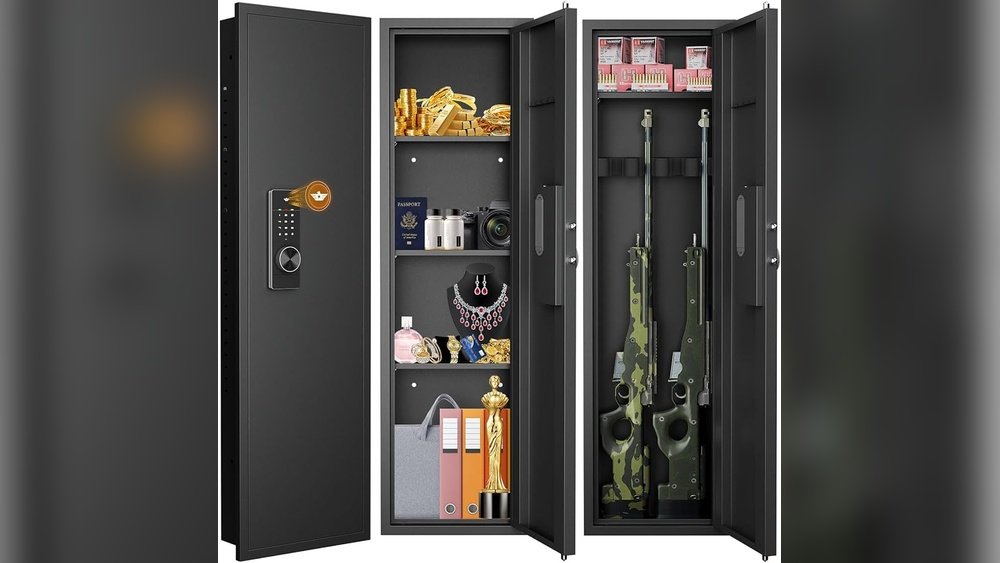
When it comes to protecting your valuable firearms, you probably think about locks and strong steel. But have you ever considered how temperature and humidity inside your gun safe can affect your collection?
You might be wondering if your gun safe system includes alarms that warn you about these hidden threats. Understanding whether temperature or humidity alarms are part of your gun safe can save you from costly damage and frustration. Keep reading to discover how these features work and why they might be essential for keeping your guns in top condition.
Temperature Alarms In Gun Safes
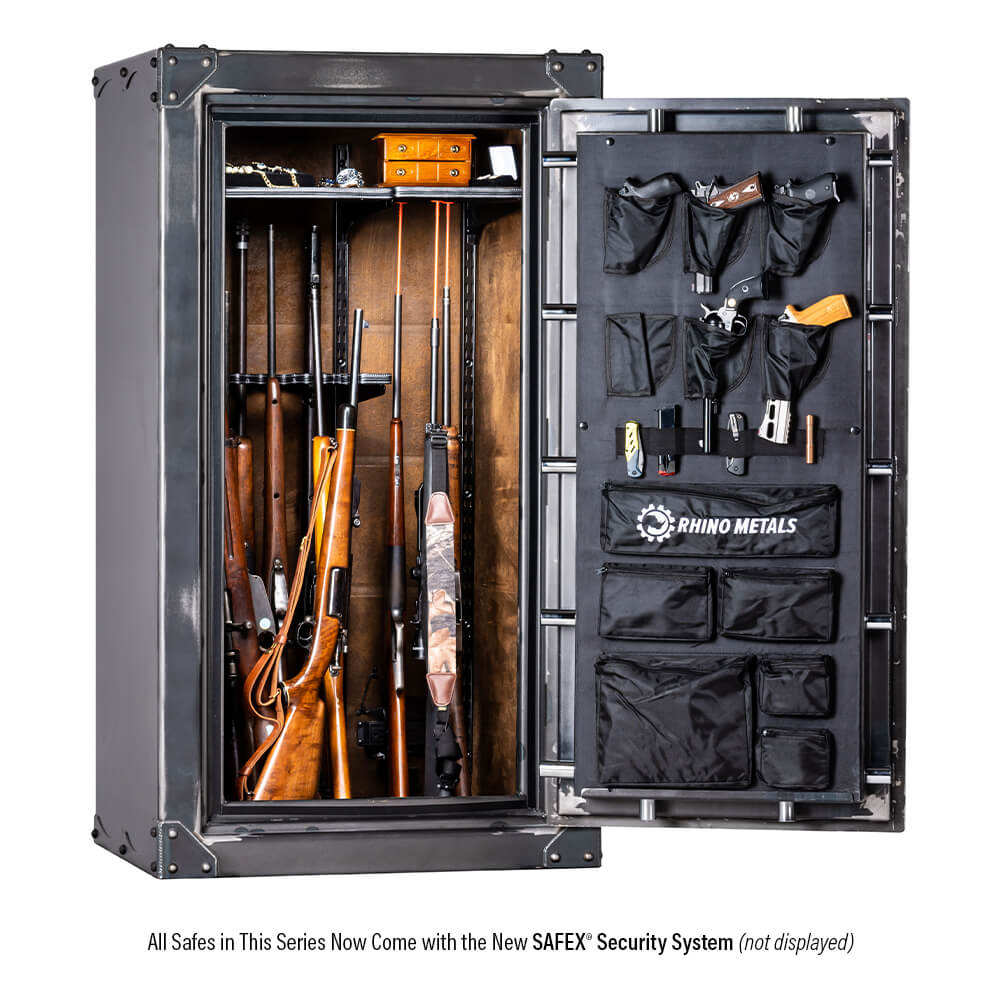
Temperature alarms in gun safes help protect your firearms from damage due to heat. These alarms monitor the safe’s internal temperature and alert you if it gets too high. Maintaining a stable temperature inside the safe prevents rust, warping, and other issues. This section explains how temperature alarms work and why they are important.
Purpose Of Temperature Monitoring
Temperature monitoring keeps your guns safe from extreme heat. High temperatures can cause metal parts to expand and wood grips to crack. It also speeds up rust and corrosion. By tracking temperature, the safe prevents damage and keeps firearms in good condition.
Types Of Temperature Sensors Used
Gun safes use different sensors to measure temperature. Thermistors are common because they are accurate and affordable. Some safes use digital sensors that give precise readings. These sensors stay inside the safe and send data to the alarm system.
Alarm Triggers And Thresholds
Alarms activate when the temperature crosses a set limit. Most safes trigger alarms around 120°F (49°C). This temperature can harm guns if it lasts long. The alarm alerts you to check the safe and cool it down before damage occurs.
Humidity Alarms In Gun Safes
Humidity alarms in gun safes help protect firearms from moisture damage. These alarms monitor the air inside the safe. They alert users if humidity levels rise too high. Moisture can cause rust and corrosion on guns. Proper humidity control keeps firearms in good condition. Many gun safes now include built-in humidity alarms for better protection.
Impact Of Humidity On Firearms
High humidity causes metal parts to rust quickly. Wood gun stocks can swell or crack. Moisture can damage gun finishes and mechanisms. Over time, poor humidity control reduces gun value. Keeping the safe dry prevents costly repairs. Humidity control is essential for firearm preservation.
Humidity Detection Technologies
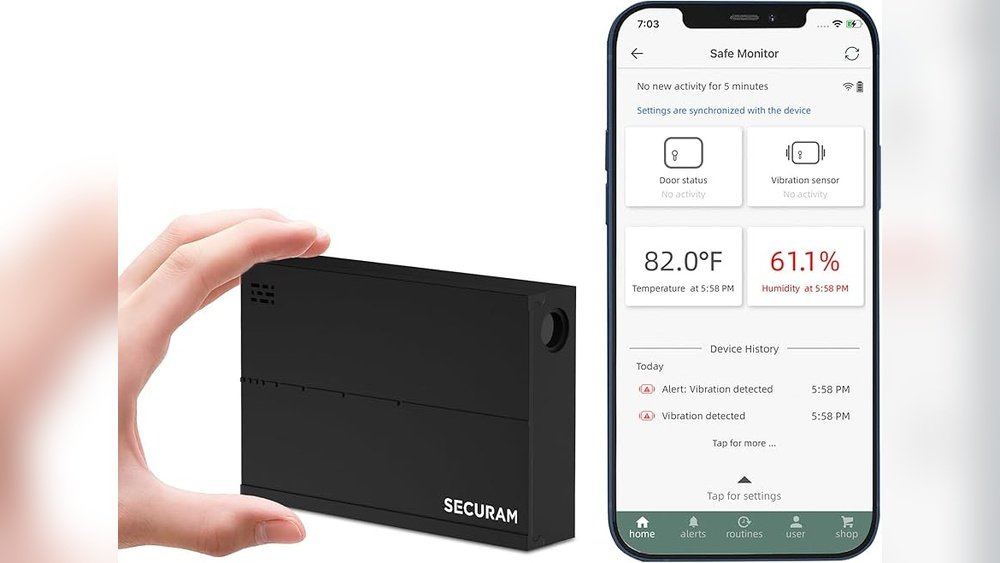
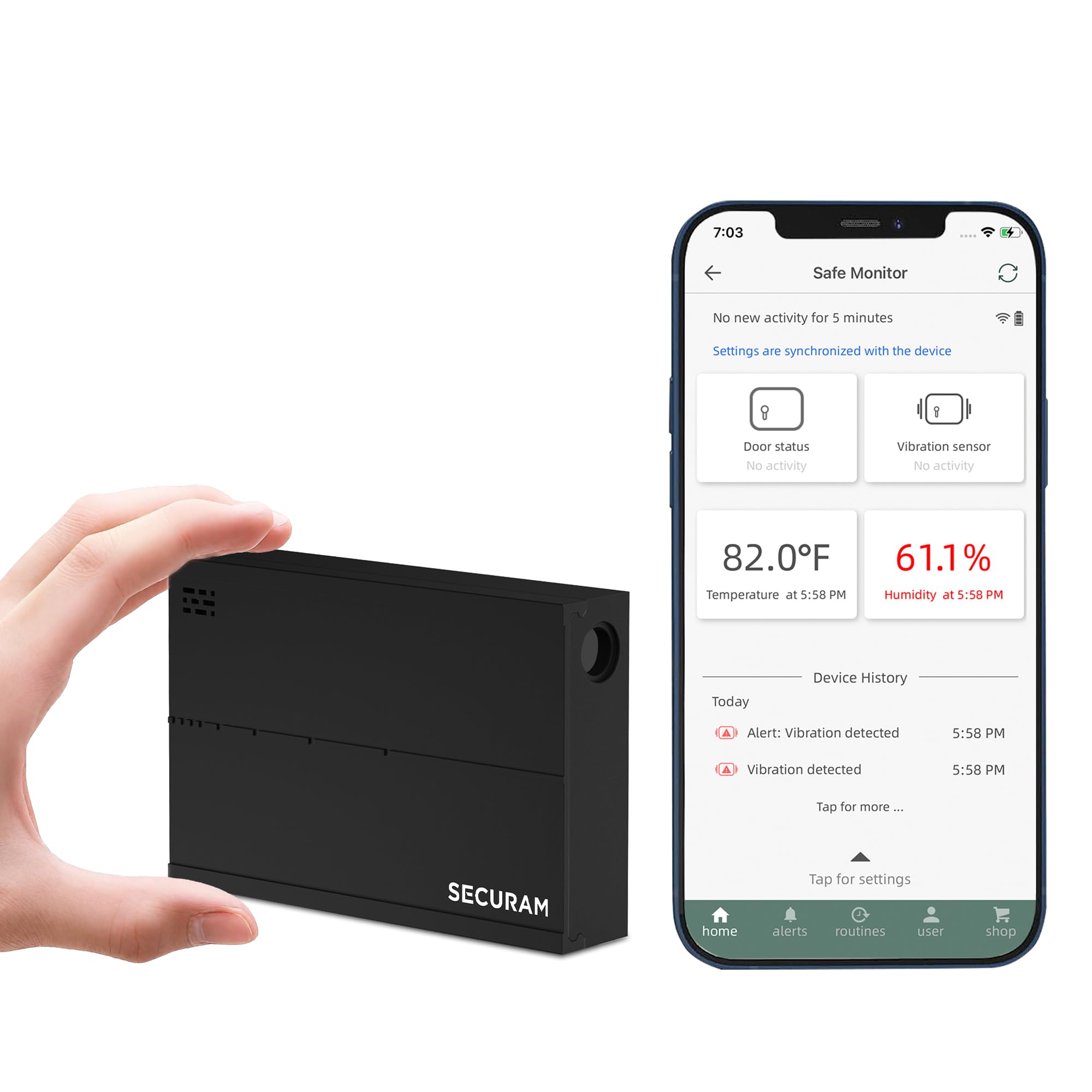
Most humidity alarms use sensors to measure moisture levels. Digital sensors provide accurate, real-time readings. Some alarms connect to smartphones for instant alerts. Other systems use simple analog hygrometers. Advanced safes may include automatic dehumidifiers. These technologies help maintain safe humidity inside.
Setting Humidity Alarm Levels
Ideal humidity for firearms is 40% to 50%. Alarms can be set to alert above this range. Custom settings depend on climate and storage needs. Users should test and adjust alarms regularly. Proper settings avoid false alarms and protect guns. Maintaining the right level keeps firearms safe and rust-free.
Integration With Gun Safe Systems
Integrating temperature or humidity alarms into gun safe systems helps protect firearms from damage. These alarms monitor conditions inside the safe. They alert users if temperature or humidity levels rise too high. This early warning prevents rust and warping of guns. Different safes have various alarm options to suit needs.
Built-in Vs. Add-on Alarm Systems
Built-in alarms come installed inside some gun safes. They work with the safe’s existing control panel. These alarms usually offer basic temperature and humidity alerts. Add-on alarms are separate devices placed inside the safe. They connect wirelessly or by cables to the safe system. Add-ons provide more flexibility and can be upgraded easily.
Connectivity And Alerts
Most alarms send alerts through phone apps or email. This allows quick action no matter the location. Some safes offer Wi-Fi or Bluetooth connection for real-time monitoring. Others use simple sound or light alarms inside the home. Reliable connectivity ensures users receive warnings fast. This reduces the risk of firearm damage.
Power And Battery Considerations
Temperature and humidity alarms need constant power to work correctly. Built-in systems draw power from the safe’s main source. Add-on alarms often use batteries or rechargeable cells. Battery life varies from months to years, depending on the model. Regular battery checks keep alarms active. Power backup options help during outages or power loss.

Benefits Of Environmental Alarms
Environmental alarms in gun safes help monitor temperature and humidity levels. These alarms warn owners about changes that could harm firearms. They keep the safe environment stable. This protects valuable guns from damage caused by moisture and heat.
Preventing Rust And Corrosion
Rust and corrosion form when moisture builds up inside a safe. Humidity alarms alert owners before moisture causes damage. Early warnings help stop rust from forming on metal parts. Keeping rust away extends the life of firearms and accessories.
Maintaining Optimal Firearm Condition
Temperature and humidity affect gun materials like wood and metal. Alarms help maintain the right conditions inside the safe. Consistent environment keeps wood grips from cracking and metal parts from warping. This ensures firearms stay in top working order.
Peace Of Mind For Gun Owners
Alarms provide confidence that guns are safe and well cared for. Owners do not worry about unseen damage inside the safe. Knowing the environment is controlled offers comfort and reduces stress. Peace of mind comes from protecting valuable and sentimental firearms.
Choosing The Right Gun Safe Alarm Features
Choosing the right alarm features for your gun safe matters a lot. The right alarm not only protects your firearms but also helps keep them in good condition. Some alarms focus on security, while others monitor the environment inside the safe. Picking features that fit your needs makes your investment worth it.
Assessing Your Storage Environment
Start by looking at the place where you keep your safe. Is it damp or dry? Does the temperature change often? High humidity or temperature can damage guns over time. An alarm that warns you about these changes can help protect your collection. Know your environment before choosing features.
Compatibility With Existing Safes
Check if the alarm system works with your current safe. Not all alarms fit every safe model. Some require special installation or wiring. Choose alarms that match your safe’s make and model. This avoids extra costs and complications later.
Cost Vs. Value Of Environmental Monitoring
Environmental alarms may cost more than basic ones. Think about what you gain for that price. Protecting guns from rust or damage can save money in repairs. Weigh the cost against the long-term care of your firearms. Choose features that give you the best value.
Popular Gun Safe Models With Environmental Alarms
Many gun safes now include environmental alarms to protect firearms. These alarms monitor temperature and humidity inside the safe. Such features help prevent rust and damage to guns. Let’s explore popular gun safe models with these alarms.
Top Brands Offering Temperature Alerts
Brands like Fort Knox, Liberty, and Browning offer safes with temperature alerts. These alarms notify owners if the safe gets too hot or cold. This helps maintain a stable environment for firearms. Temperature alerts are common in high-end models.
Models Featuring Humidity Monitoring
Humidity monitoring is crucial for gun preservation. Brands such as Stack-On and Vaultek include this feature. Their safes have sensors that detect moisture levels. Alerts warn owners before humidity causes mold or rust. This feature is often paired with temperature control.
User Reviews And Reliability
Users report these alarms add peace of mind. Many mention early warnings helped avoid damage. Some models show consistent accuracy and quick alerts. Others may have occasional sensor issues but still perform well. Overall, environmental alarms improve gun safe reliability.
Frequently Asked Questions
Are Temperature Alarms Standard In Gun Safe Systems?
Most gun safes do not include temperature alarms as standard. However, some advanced models offer built-in sensors for monitoring temperature to protect firearms from heat damage.
Do Gun Safes Come With Humidity Alarms Included?
Many gun safes lack humidity alarms by default. Some premium safes feature humidity sensors to prevent moisture buildup and rust inside the safe.
Why Are Humidity And Temperature Alarms Important For Gun Safes?
These alarms help maintain optimal conditions to prevent firearm rust and damage. They alert owners to harmful moisture or heat levels inside the safe.
Can I Add Temperature Or Humidity Alarms To My Gun Safe?
Yes, you can install external temperature and humidity monitors in most gun safes. These devices help track environmental conditions effectively.
Conclusion
Temperature and humidity alarms help protect your guns from damage. Many gun safes include these alarms for extra safety. They alert you if conditions inside the safe change. This helps stop rust and warping of your firearms. Not all safes have these alarms, so check before buying.
Adding an alarm can keep your guns in better shape. Small features like these make a big difference over time. Choose a safe that fits your needs and protects your investment well.