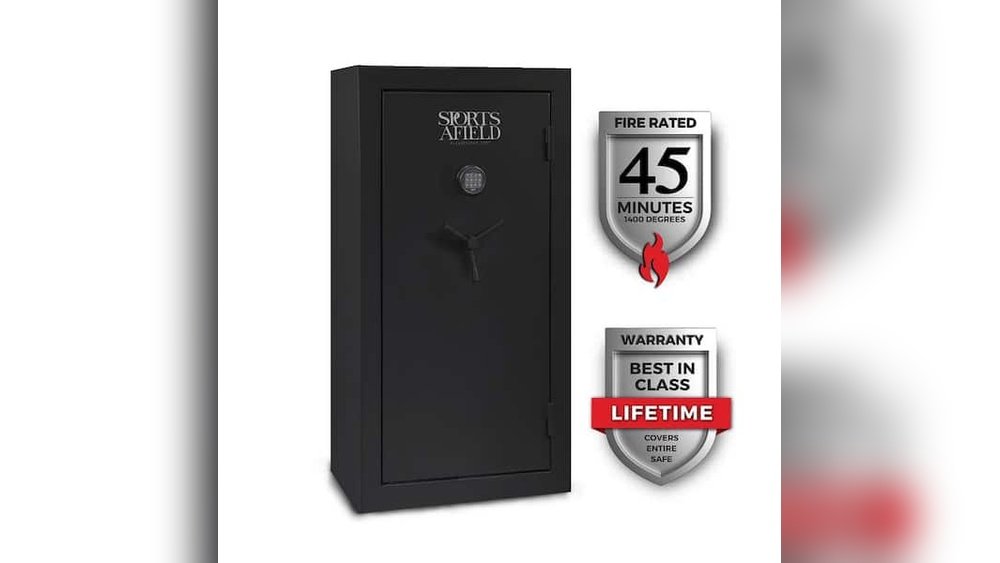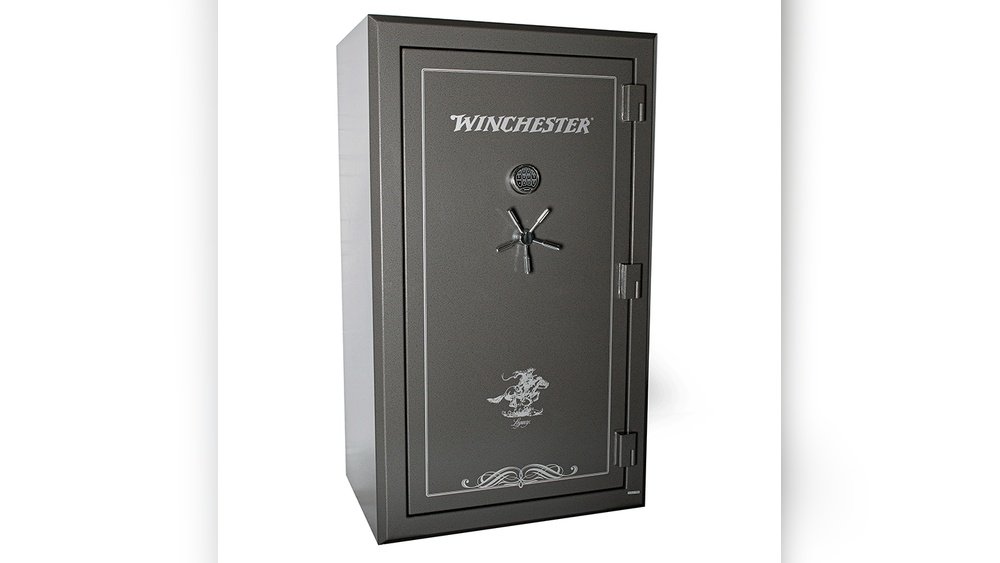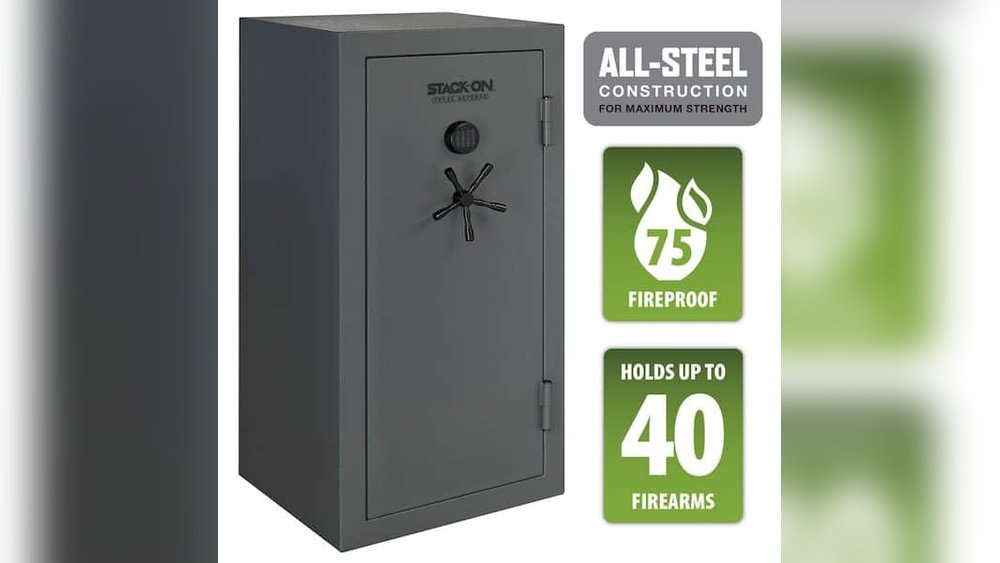
When it comes to protecting your firearms, durability is everything. You want a gun safe that not only keeps your weapons secure but also stands strong through the toughest conditions.
But how durable are fireproof gun safes over time? Can they really hold up after years of use, or do they lose their protection when you need it most? If you’ve ever wondered whether your investment will last, this article will give you clear answers.
Keep reading to discover what makes a fireproof gun safe truly reliable and how to ensure it stays that way for years to come.

Fireproof Gun Safe Materials
Fireproof gun safes rely heavily on their materials to protect firearms from heat and flames. Each component plays a role in how well the safe withstands fire over time. Understanding these materials helps you know the durability and safety level of your safe.
Strong materials mean better protection. Poor materials may fail during a fire, risking your valuables and safety.
Steel Quality And Thickness
Steel forms the main body of a fireproof gun safe. The thicker and stronger the steel, the better it resists heat and impact. Many safes use solid steel plates that are at least 10-gauge thick. This thickness slows heat transfer and blocks flames. Higher quality steel does not warp or weaken easily, keeping the safe intact during fire.
Thin steel can bend or melt quickly under extreme heat. So, the steel’s quality and thickness directly affect the safe’s fire resistance over time.
Fire-resistant Insulation Types
Insulation inside the safe stops heat from reaching firearms. Common materials include gypsum, cement, and fireboard. Gypsum absorbs heat and releases moisture to cool the safe. Cement mixtures add strength and heat resistance. Fireboard is lightweight and effective at blocking heat.
High-quality insulation prevents internal temperatures from rising above safe levels. Over time, good insulation keeps its protective properties, ensuring long-lasting fire resistance.
Seal And Gasket Durability
Seals and gaskets close the door tightly, stopping smoke and heat from entering. They are often made from silicone or intumescent materials. When heated, intumescent gaskets expand to fill gaps, increasing fire protection. Durable seals maintain their shape and function after repeated use and heat exposure.
Worn or damaged seals let heat inside, reducing the safe’s effectiveness. Strong, lasting seals help keep the safe fireproof longer.
Fire Ratings And Testing Standards
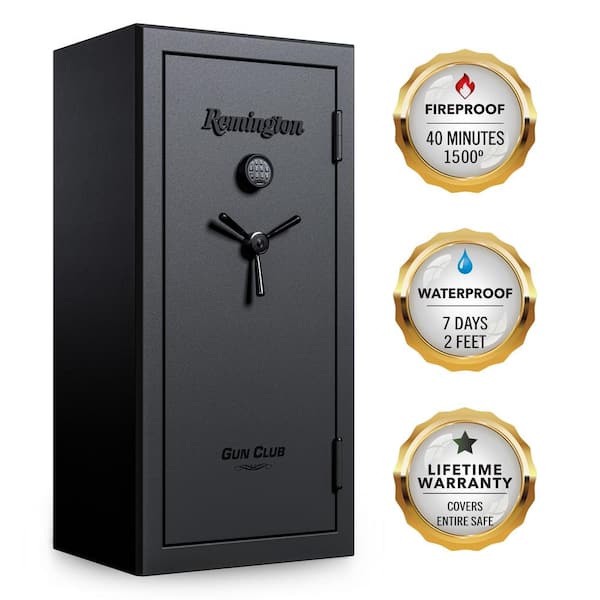
Fireproof gun safes must meet strict fire ratings and testing standards. These standards show how well a safe can protect guns and valuables during a fire. Testing checks the safe’s ability to keep heat out for a set time. Understanding these ratings helps you choose a reliable safe.
Common Fireproof Certifications
Many fireproof safes have certifications from trusted agencies. UL (Underwriters Laboratories) is a popular one. It tests safes for heat resistance and fire duration. Another is ETL, which also tests fire safety and durability. These certificates prove the safe passed tough fire tests.
Temperature And Duration Ratings
Fireproof safes have ratings based on temperature limits and time. A common rating is 1 hour at 1700°F. This means the safe can keep its inside below 350°F for one hour. Some safes offer 2-hour protection or more. The longer the safe lasts, the better it protects your guns.
Real-world Fire Scenarios
Tests simulate real fires in homes or buildings. Fires can burn hotter or longer than tests show. A safe may face extreme heat and smoke. Quality safes use special insulation to block heat. They also seal tightly to keep smoke and water out.
Impact Of Environmental Factors
Environmental factors play a big role in how fireproof gun safes last over time. Safes face different conditions that can affect their strength and safety. Understanding these effects helps you keep your safe in top shape for years.
Humidity And Moisture Effects
High humidity can cause problems inside the safe. Moisture can build up and damage guns or documents stored inside. Most fireproof safes have seals to keep moisture out. Still, in very damp places, extra care is needed. Using a dehumidifier or moisture absorber helps reduce humidity. This keeps items dry and prevents mold or mildew growth.
Temperature Fluctuations
Changes in temperature can make the safe materials expand and contract. This stress may weaken the safe over time. Constant temperature swings can affect the fireproof insulation too. A stable room temperature helps maintain the safe’s durability. Avoid placing the safe near heat sources or cold drafts. This reduces damage caused by quick temperature changes.
Corrosion And Rust Prevention
Metal parts of the safe can corrode if exposed to moisture. Rust weakens the safe’s structure and locks. Many safes use rust-resistant coatings or stainless steel parts. Regular cleaning and oiling help protect moving parts. Keep the safe dry and check it often for any rust signs. Early care stops rust from spreading and keeps the safe secure.
Maintenance For Longevity
Proper maintenance keeps fireproof gun safes strong for many years. Regular care stops small problems from growing. It ensures your safe works well during emergencies. A well-maintained safe protects your firearms and valuables effectively.
Routine Inspection Tips
Check your safe every few months. Look for dents, rust, or scratches on the surface. Test the lock to make sure it opens smoothly. Listen for strange sounds when turning the handle. Check the fire seal for cracks or damage. Early spotting of issues helps avoid costly repairs later.
Cleaning Best Practices
Clean the safe’s exterior with a soft cloth. Use mild soap and water for dirt removal. Avoid harsh chemicals that can damage the finish. Dry the safe thoroughly to prevent rust. Inside, vacuum dust and debris gently. Keeping the safe clean helps it last longer and look good.
Seal And Lock Mechanism Care
Keep the fire seal free from dirt and moisture. Wipe it gently with a damp cloth if dirty. Avoid bending or pulling on the seal. Lubricate the lock with graphite powder or silicone spray. Do not use oil-based lubricants that attract dust. Proper care of seals and locks ensures the safe stays secure and fire-resistant.
Signs Of Wear And When To Replace
Fireproof gun safes protect your valuables from fire and theft. Over time, safes can show signs of wear. Knowing these signs helps decide when to replace your safe. This keeps your guns secure and in good condition.
Common Damage Indicators
Look for rust or corrosion on the safe’s surface. Dents or cracks weaken the safe’s structure. Hinges and locks may become loose or hard to operate. Fire seals can dry out or crack. These issues reduce the safe’s protective abilities.
Performance Degradation
The safe may not keep heat out as well as before. Fire ratings may no longer be reliable. Locks may fail to close tightly. Electronic keypads can stop working properly. These problems lower the safe’s security and fire resistance.
Upgrade Options
Consider safes with stronger steel or better fireproof materials. Look for models with improved locking systems. Some safes offer digital and biometric locks for ease and security. Upgrading ensures better protection for your firearms and valuables. New safes also often have longer fire ratings.
Comparing Brands And Models
Choosing the right fireproof gun safe means comparing different brands and models closely. Each brand offers unique features, build quality, and durability levels. Knowing these differences helps pick a safe that lasts long and protects your valuables effectively.
Durability matters most for safes. It affects how well the safe stands up to fire, water, and physical damage over time. Some models use better materials and stronger construction, ensuring better protection. Others may look similar but wear down faster.
Durability Ratings
Durability ratings show how well a safe resists fire and impact. These ratings come from tests by independent labs. Look for safes with high fire-resistance times, like 1 hour or more at 1700°F. Steel thickness also affects durability. Thicker steel means better strength and security.
Warranty And Support
Warranty length reveals how much a brand trusts its product. Longer warranties often mean better durability. Check what the warranty covers. Some brands offer full replacement for defects or damage. Good customer support helps fix problems fast. This service adds value to your purchase.
User Reviews And Feedback
Users share real experiences with safes over time. Reviews highlight common issues and strengths. Watch for comments on durability after years of use. Positive feedback on fire protection and lock reliability is a good sign. Negative reviews can warn of hidden faults or poor quality.
Cost Vs. Longevity Trade-offs
Choosing a fireproof gun safe means thinking about cost and how long it will last. Balancing price and durability helps you get the best safe for your needs. A higher price does not always mean better protection, but very cheap safes might not last long.
This section explains the trade-offs between budget and premium models. It also looks at long-term value and gives tips for smart investment.
Budget Models Vs. Premium Safes
Budget fireproof safes cost less but may have thinner walls or weaker locks. They protect guns from fire for a short time, often 30 minutes to 1 hour. These safes suit people with small collections or tight budgets.
Premium safes use thicker steel and better fireproof materials. They can protect for up to 2 hours or more. They also resist theft better. These safes last longer and offer stronger protection.
Long-term Value Analysis
Cheap safes might need replacing sooner, raising overall costs. Premium safes last many years with less maintenance. Over time, they save money and protect your firearms better.
Think about how long you plan to keep the safe. A durable safe adds value by protecting your items longer. It can prevent losses from fire or burglary.
Investment Tips
Set a clear budget before shopping. Focus on safes with good fire ratings and strong locks. Read customer reviews and expert tests for reliability.
Consider your collection size and how long you want protection. Choose a safe that fits your needs without overspending. A well-chosen safe offers peace of mind for years.

Frequently Asked Questions
How Long Do Fireproof Gun Safes Last?
Fireproof gun safes typically last 10 to 20 years with proper care. Their durability depends on build quality and maintenance. Regular inspections help ensure long-term protection against fire and theft.
Do Fireproof Safes Lose Protection Over Time?
Yes, fireproof safes may lose some protection as seals and insulation degrade. However, high-quality safes maintain fire resistance for many years if well maintained.
How Often Should I Inspect My Gun Safe?
Inspect your gun safe annually to check for damage, seal integrity, and locking mechanisms. Timely maintenance keeps fireproof and security features effective over time.
Can Fire Damage Affect Safe Locking Mechanisms?
Extreme heat can damage locking components if the safe’s fire rating is exceeded. High-quality safes use heat-resistant locks to minimize this risk during fires.
Conclusion
Fireproof gun safes hold up well over many years. Quality materials and good design keep guns safe. Regular care helps maintain their strength and function. Fire resistance lasts, but check seals and locks often. Choose a safe that fits your needs and budget.
Investing in durability means peace of mind later. Safe storage protects your firearms from fire and theft. Trustworthy safes offer long-term security for your valuables. Stay informed and update your safe if needed. Durable fireproof gun safes are a smart choice.